When you start a baked cat food OEM project, you face three main types of expenses. Ingredient costs, processing costs, and packaging costs make up most of your total budget. You want the best for your cat, but you also need to manage your petfood budget wisely. Nuzoko uses years of pet food industry experience to help you understand each cost. You can find ways to save money and still create high-quality cat food.
Key Takeaways
There are three main cost areas in baked cat food OEM projects. These are ingredients, processing, and packaging. Each area affects your budget and product quality a lot.
Pick good ingredients to make the food taste better and be healthier. This choice helps customers trust you. It also makes your product easier to sell.
Use energy-saving ways to process the food. This can help you spend less money. New machines can save money and keep the food safe.
Choose packaging that can change easily. This can help lower shipping and storage costs. It also helps stop product loss when moving the food.
Work closely with suppliers to keep costs low and get supplies on time. Good teamwork can help you get better prices and control quality.
Petfood OEM Cost Breakdown
When you begin a pet food oem project, you should know where your money goes. There are three main cost groups: ingredients, processing, and packaging. Each group is important for the final price of baked cat food. Nuzoko helps brands plan costs with smart ideas and strong industry skills.
Here is a simple table that shows how costs are split in pet food oem projects:
Cost Component | Percentage Range |
|---|---|
Ingredients | 40-50% |
Processing | 30-40% |
Packaging | 10-15% |
Ingredient Costs Overview
Ingredient costs are the biggest part of your pet food oem budget. These costs take up 40-50% of the total. You need to pick good ingredients so your cat gets healthy food. The quality of ingredients changes the taste and health of baked cat food. Nuzoko uses strict rules to choose top ingredients for every recipe. Raw materials can get more expensive in the market. This can change your budget fast. You should always check ingredient quality and price before planning oem development costs. Good ingredient choices help you earn trust from customers and keep your pet food oem project running well.
Processing Costs in OEM
Processing costs are the second biggest part of your pet food oem expenses. These costs cover the steps to turn raw ingredients into finished pet food. You pay for workers, machines, and energy. You must follow rules to make sure your pet food is safe and legal. Here are some things that change processing costs:
You must follow rules from groups like FDA, AAFCO, and HACCP. This means you need experts and extra help, which can raise your costs.
You need these approvals to sell your pet food in many places and to earn trust from buyers.
If you skip these steps, you may get fines, customs trouble, or lose customer trust.
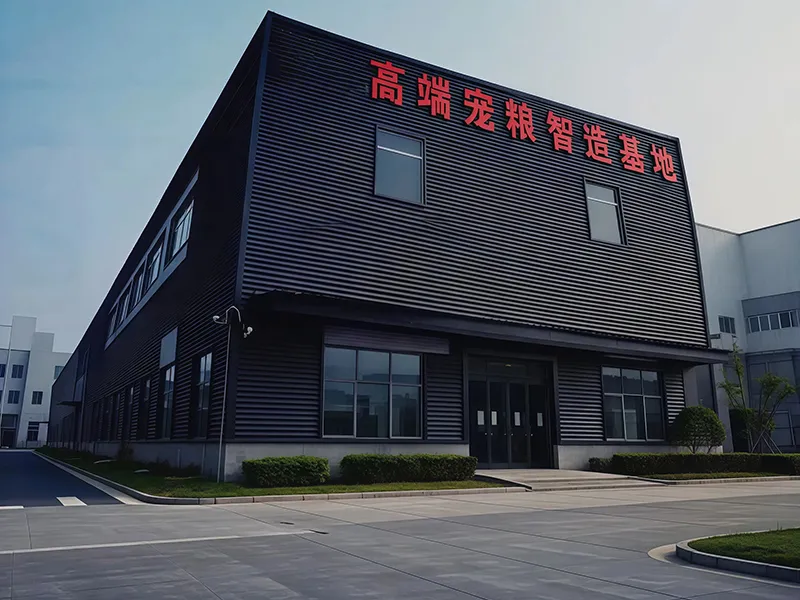
Nuzoko uses a modern facility with new technology to keep processing costs low. The company buys energy-saving machines and trains workers to follow top quality rules. This helps you get safe, high-quality pet food oem products without wasting money.
Packaging Costs for Petfood
Packaging costs are the last main part of your pet food oem budget. You need to think about materials, design, and shipping. Good packaging keeps pet food fresh and makes your brand look nice. You also need to think about how packaging changes shipping and storage costs. Flexible packaging can help you save money in many ways:
You can cut shipping costs by 40% because flexible packaging weighs less than hard containers.
You need 60% less warehouse space when you use flexible packaging, which lowers your storage costs.
You lose fewer products during shipping because flexible packaging reduces breakage from 3% to 0.2%.
Nuzoko offers many packaging choices to fit your needs. The company helps you pick designs that protect pet food and support your brand. You can also ask for eco-friendly packaging to match new market trends. Smart packaging choices help you control costs and deliver quality petfood to your customers.
Ingredient Costs Factors
Types and Quality Impact
You make big choices when picking ingredients for your pet food oem project. The types you use change the nutrition and taste of baked cat food. High-quality ingredients are important for healthy and tasty products. Your choices about nutrition, digestibility, and cost matter for the final price. You want good nutrition, so you must check quality often. This can change ingredient costs and the price of your pet food.
High-quality ingredients give cats better nutrition.
Your ingredient picks change how much everything costs.
You need to balance nutrition, taste, and price for success.
Quality checks help your pet food meet what customers want.
Ingredient choices can make your petfood stand out.
Sourcing and Supply Chain
Getting ingredients is a big part of planning costs. You need suppliers who always give good quality. Nuzoko uses trusted partners to get premium ingredients for pet food. You get help from their experience in finding the best nutrition and price. Good sourcing stops delays and keeps your supply chain strong. You lower risks by working with people who know the market. This helps you make high-quality pet food and manage costs.
Market Trends and Price Fluctuations
Market trends and price changes can affect ingredient costs. When the market changes, raw materials may cost more. Supply chain problems can make it hard to get what you need. Commodity prices and global demand also change your expenses. You must watch these trends to keep your pet food oem project on budget. Nuzoko helps you handle market changes with flexible sourcing and cost plans. By staying updated, you protect your nutrition goals and control costs.
OEM Processing Costs
Technology and Equipment
You should know how machines affect your pet food costs. Machines do more than mix things together. They change how much you spend over time. You also pay for fixing, cleaning, and teaching workers. Picking good machines helps you save money and make better food. Here is a table that shows the main expenses for technology and equipment in a pet food production line:
Expense Type | Description |
|---|---|
Total Cost of Ownership | You need to think about more than buying. You must look at long-term costs. |
Maintenance Costs | You pay for repairs and spare parts to keep things working. |
Hygiene and Sanitation | Good machine design makes cleaning faster and cheaper. |
Operator Training | Easy-to-use machines help lower training costs and make better food. |
Nuzoko uses new mixing machines in its pet food line. These machines use less energy and help you spend less money. You get steady quality and better efficiency in your cat food.
Labor and Compliance
Workers are important for your pet food costs. Skilled people run the machines and check quality. You must teach your team to handle ingredients and follow safety rules. Meeting rules adds extra steps to making pet food. You need to follow standards like FSMA, HACCP, and AAFCO. These rules keep your cat safe and help customers trust you.
Steve Blackowiak says FSMA makes pet food safer. It uses hazard checks, controls, monitoring, fixes, checking, and keeping records.
Nuzoko’s facility uses special zones and tracking. You get safe pet food and meet world standards without extra risk.
Energy and Maintenance
Energy and fixing costs matter in pet food processing. Using energy-saving machines lowers your bills. You save money and work faster. Automated mixing machines and systems like the Mistcoater help you spend less and speed up work. Regular fixing keeps your machines working well and protects quality.
Energy-saving mixing machines help you spend less money.
Upgrading systems like the Mistcoater saves time and lowers costs.
Nuzoko uses clean-in-place systems for its pet food line. These systems help with safe cleaning and following rules. You get steady quality and reliable machines every time.
Packaging Costs in Pet Food OEM
Materials and Design
Picking the right materials and design is important for packaging costs. Premiumization trends make you use better packaging to get more customers. Cool designs help your cat food stand out in stores. Fancy designs and high-quality materials can cost more money. You need packaging that keeps ingredients safe and pet food fresh. Good packaging helps people trust your brand and makes your product look nice. New design technology lets you make packaging that fits what customers want without spending too much. Nuzoko gives you many packaging choices that balance quality and price. This helps you make packaging that looks good and works well for your cat food.
Logistics and Distribution
Shipping and distribution add to your petfood costs. You can save money by sending big shipments with many SKUs together. Using different shipping routes helps you avoid delays by picking other ports or centers. Tracking systems help you see where your products are and lower risks. Good warehouse conditions keep your pet food fresh and make it last longer. FIFO inventory management moves older stock first, so you waste less. Planning sales for products close to expiration also helps you spend less. Nuzoko helps with global shipping and storage, making it easier to send products and keep them safe.
Sustainability Considerations
Sustainability changes packaging costs but also meets what customers want. Using recyclable or biodegradable materials can cost more at first. These choices make your brand look better and attract buyers who care about the environment. Flexible packaging weighs less and takes up less space, so you spend less on shipping and storage. Nuzoko has eco-friendly packaging that helps you balance being green and saving money. By picking sustainable materials and smart designs, you waste less and help the planet while keeping your product quality high.
Additional Cost Influences
Batch Size and Volume
You can lower your unit cost by making bigger batches. If you order more, each unit costs less. Small batches cost more because fixed costs are split between fewer products. Large batches help you save money and work better. You also get cheaper prices on ingredients and packaging when you buy a lot at once. Here is a table that shows how the number you order changes the cost for each unit:
Unit Cost Implication | |
|---|---|
1k units | Higher unit cost |
5k units | Moderate unit cost |
10k units | Lower unit cost |
Nuzoko helps people all over the world pick the best batch size. You can make your supply chain better and keep your pet food project affordable.
Customization and R&D
You might want to make special recipes for your cat food. Custom recipes and research cost more but let you pick what goes in your food. You can choose private labeling, contract manufacturing, or outsourcing. Each way changes how much you pay and how much you control the recipe. The table below shows how each way affects cost and how much you can change things:
Cost Implications | Control Over Customization | R&D Investment Required | |
|---|---|---|---|
Private Labeling | Lower starting costs, good for new brands, less control over ingredients | Moderate | Low |
Contract Manufacturing | Higher starting costs, lets you make new and different products | High | Moderate to High |
Outsourcing Production | No big equipment costs, saves on workers, lets you focus on selling | Low | Low |
Nuzoko gives you choices for custom recipes and research. You can make special cat food and control your spending with expert help.
Freight, Duties, and Landed Costs
Shipping from other countries adds more cost to your pet food project. You need to think about freight, duties, and insurance when you bring in ingredients or finished food. These costs can make your total price 15-25% higher than the FOB price. A low starting price might mean bigger shipping and import fees. You should look at the full landed cost to know the real price of your pet food.
Freight, duties, and insurance make your total cost go up.
Landed cost can be much more than the FOB price you see.
Nuzoko helps you with shipping and keeps your supply chain working well.
You can save money by planning for these extra costs and working with a partner who knows about shipping worldwide.
Managing Petfood OEM Costs with Nuzoko
Cost Optimization Strategies
You can save money by making smart choices. Set clear goals for your cat food project. Pick ingredients that give good nutrition but fit your budget. Track every expense to see where your money goes. If you find extra costs, change your plan. Use efficient processing to save energy and time. Check your packaging to protect quality and lower shipping costs. Work with your team to review each step. When you focus on tracking costs, you make better choices and keep your project running well.
Supplier Collaboration
Working with your supplier helps a lot. You get a smoother process and use resources better. This can lower your costs and help you reach your goals faster. If you order more, you pay less for each unit. A strong partnership gives you reliable supply chains and good logistics. You can trust your petfood will arrive on time and in good shape. Supplier collaboration helps you keep your cat food quality high and costs low.
Smooth production steps
Better use of resources
Lower costs with bigger orders
Reliable supply chains
Good logistics solutions
Product stays high quality
Case Study: Cost Breakdown Example
Let’s look at an example. You want to launch baked cat food with Nuzoko. You pick high-quality ingredients and set a batch size of 10,000 units. Here is how your costs might look:
Cost Area | Percentage of Total Cost | Notes |
|---|---|---|
Ingredients | 45% | Premium chicken and fish |
Processing | 35% | Energy-efficient equipment |
Packaging | 12% | Eco-friendly flexible packs |
Freight & Duties | 8% | Global shipping included |
You track costs at every step. You work with Nuzoko to make your supply chain and processing better. This helps you stay within budget and deliver quality cat food to your customers.
You find three main costs in baked cat food OEM projects. These are ingredients, processing, and packaging. Each cost changes your budget and the quality of your cat food. If you work with nuzoko, you get help from experts and trusted pet food solutions.
Think about what you need and want.
Talk to OEM experts for advice that matches your project.
You can control costs and give cats healthy food by making smart choices and trusting partners with experience.
FAQ
What is the biggest expense in a baked cat food OEM project?
Ingredient costs are the largest part of your budget. You spend about 40-50% on meats, grains, and supplements. Picking premium ingredients gives better nutrition and taste.
How can you lower your pet food OEM costs?
You can save money by making bigger batches and using smart packaging. Working with your supplier helps you find ways to cut costs. Nuzoko helps you save money without losing quality.
Does Nuzoko offer eco-friendly packaging options?
Yes! Nuzoko has packaging that can be recycled or breaks down naturally. You help the planet and give customers what they want.
What should you check before starting an OEM project?
Check if your ingredients are good quality
Make a clear budget plan
Think about shipping and extra fees
Pick partners you trust
These steps help you avoid problems and keep your project going well.