Choosing the right ingredients helps you control petfood OEM costs. You need to think about nutrition, quality, and rules. Some problems are prices changing when you buy good ingredients, higher costs for raw materials, and hard rules in different places. Nuzoko’s knowledge helps you handle these problems so your pet products stay good and make money.
Key Takeaways
Pick protein sources carefully. Chicken and fish do not cost much. They give pets good nutrition.
Balance quality and cost of ingredients. Grains and fillers help save money. They still give pets the energy they need.
Work with suppliers you can trust. Check if they deliver on time. Make sure they follow safety rules. This helps keep quality and stability.
Keep up with market trends. Watch ingredient prices often. Change your recipes to keep costs low.
Think about using local sources. Local ingredients can cut transport costs. They also help local businesses.
Petfood Ingredient Cost Drivers

Protein Sources and Cost Impact
Protein is the main reason pet food costs a lot. Meat, poultry, and fish prices go up and down often. When prices change, it affects how much you pay for ingredients. It also changes the final price of your pet food. You need to look at the ingredient list for protein sources that fit your needs and budget. Many brands use chicken or fish. These proteins give good nutrition and do not cost too much. Nuzoko has high-protein choices that help pets stay healthy and help brands save money. You should watch the pet food market for price changes. Change your ingredient list if you need to keep costs steady.
Tip: Check protein prices often. This helps you know when costs might change and helps you keep your product good.
Factor | Description |
|---|---|
Protein Prices | Prices for meat, poultry, and fish change a lot and can make ingredient costs go up or down. |
Grain and Vegetable Costs | These costs change because of world markets, bad weather, and rules. |
Additives and Functional Ingredients | Better additives cost more but make the food healthier for pets. |
Grains, Fillers, and Additives
Grains and fillers help you spend less on ingredients. You see rice and corn in many pet foods. These grains cost less and give pets energy. Additives like vitamins and minerals make food healthier but cost more money. You need to balance what pets need with how much you can spend. Nuzoko uses special additives to make food better and keep costs low. You must follow rules for additives to make sure your food is safe and good.
Premium vs. Commodity Ingredients
People want better ingredients in pet food now. Premium ingredients like new proteins and grain-free choices cost more. These need special ways to buy and make them. Commodity ingredients cost less and help brands save money. You have to choose if you want to use premium or regular ingredients. Many brands pick premium to give pets better food and help the planet. Nuzoko has both premium and regular options to help you save money and follow trends.
Trend | Description |
|---|---|
Premiumization | More people want better, premium ingredients in pet food. |
Personalization | Treats are made for special needs like breed, age, or health. |
Sustainability | People like eco-friendly packaging and ingredients. |
Functional benefits | More treats help pets with things like teeth and joints. |
Novel proteins | Some foods use new proteins like insects or venison to stand out. |
Innovative formats | Freeze-dried and raw foods are popular because they keep nutrients and are good for health. |
OEM Ingredient Selection Criteria
Cost-Effectiveness and Stability
You need to think about cost-effectiveness when picking ingredients. Ingredient costs are a big part of your total expenses. You can save money by working with direct manufacturers. They give better prices and are more open about their process. You should check numbers like on-time delivery and reorder rates. These numbers show if your supplier is dependable.
Criteria | Description |
|---|---|
Manufacturer vs. Trading Company | Direct manufacturers have lower prices and more openness than trading companies. |
Operational Performance Metrics | Use numbers like on-time delivery and reorder rates to check reliability. |
Regulatory Compliance | Suppliers must follow safety rules and show certificates and test results. |
Quality Assurance | Check claims by ordering samples and visiting factories. |
You also need to check ingredient stability. Stable ingredients help you keep costs steady. This stops sudden changes in raw material prices. You can check stability by looking at where the ingredients come from. Suppliers who use human-grade meats and avoid fillers like corn and soy help keep quality high. Ask for certificates like ISO 22000, HACCP, and AAFCO compliance. These show the supplier follows strict safety and hygiene rules. Third-party tests for things like salmonella and heavy metals keep pets safe and your ingredient list clean.
Tip: Always ask for sample orders and visit factories before choosing a supplier. This helps you make sure quality and stability are good.
Nutritional Value and Compliance
You must make sure your pet food meets nutrition needs and rules. Nutrition keeps pets healthy. Work with suppliers who have animal nutritionists or veterinary dietitians. These experts help you make recipes that fit different ages and health needs.
Check nutrition facts for every ingredient. This helps you build a balanced list. Follow rules like AAFCO Model Pet Food Regulations and FDA standards. These rules need correct labels, ingredient lists, and nutrition guarantees. Meeting these rules keeps your brand safe and trusted.
Check nutrition facts for each ingredient.
Make sure you follow AAFCO and FDA rules.
Work with suppliers who can make diets for different ages and health needs.
Make sure your products have full nutrition.
Note: Nuzoko uses science-based nutrition and strict checks to help brands meet world standards and give safe pet food.
Supply Chain and Sourcing
Where you get ingredients affects your costs and supply. You can save money by using local ingredients. Local sourcing lowers transport costs and helps local businesses. Buying in bulk gives better prices and keeps costs low. You can use subscriptions for steady supply and discounts.
Track supply chain performance. On-time delivery rates over 95% show good logistics. Fast replies from suppliers help you fix problems quickly. If reorder rates are low, check if customers are happy and if product quality is good.
Use local ingredients to save money.
Buy in bulk to lower ingredient costs.
Try subscriptions for steady supply and discounts.
Watch delivery rates and supplier reply times.
Nuzoko helps brands with smart ingredient sourcing. The company offers many pet products and makes supply chains simple. You get steady supply, good prices, and reliable service. Nuzoko’s way keeps your pet food production efficient and ready for the market.
Callout: Picking the right supplier and sourcing plan helps you save money and keep pet food quality high.
Ingredient Cost Optimization Strategies
Sourcing and Supplier Negotiation
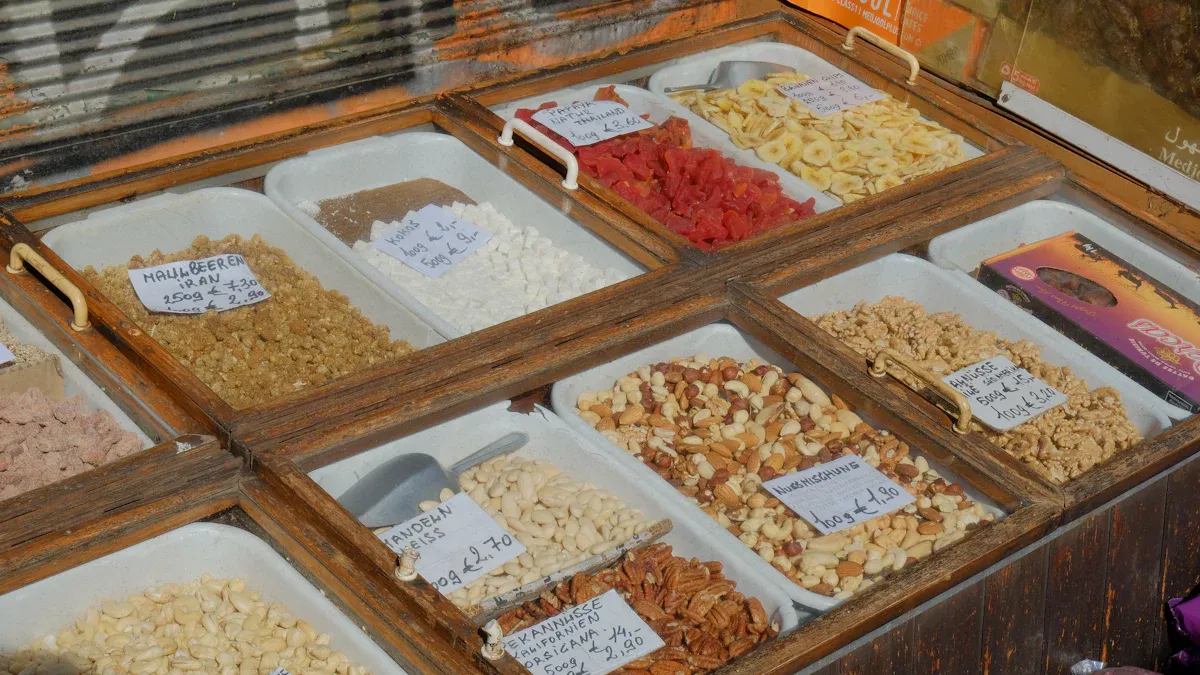
You can spend less on petfood by choosing smart ways to buy ingredients. Many brands sign long contracts to keep prices steady and get good ingredients. Suppliers with organic choices can ask for higher prices. This makes raw materials cost more. You can lower risks and keep costs steady by working with different suppliers. Some brands buy special ingredients when needed to stay flexible.
Evidence Type | Description |
|---|---|
Strategic Sourcing | OEMs use long contracts to keep prices steady and get quality. |
Pricing Leverage | Organic suppliers can ask for higher prices, raising costs. |
Supply Chain Resilience | Using many suppliers helps lower risks and keep costs steady. |
Contracting Trends | Long contracts keep prices steady; buying special ingredients adds flexibility. |
Tip: Always check what suppliers offer and look at their delivery records. This helps you control costs and keep nutrition good.
Reformulation and Substitution
You can save money by changing your pet food recipes. Start by checking your products for banned or risky ingredients. Work with suppliers to find safe replacements that still give pets what they need. Test new ingredients and write down the results. Change labels and packaging to follow rules. Teach your teams about the changes so they can explain them to customers.
Step | Description |
|---|---|
Audit your portfolio | Find products with banned or risky ingredients using product info. |
Evaluate supplier capabilities | Look for safe replacements and get rule info. |
Run formulation trials | Test new ingredients and write down results. |
Update labels and packaging | Make sure changes follow rules and work together. |
Train internal teams | Teach teams and give info for talking to customers. |
Nuzoko’s Approach to Cost Optimization
Nuzoko helps you spend less on making pet food with different ways. You can buy in bulk to lower ingredient and packaging costs. Subscription services give regular deliveries and discounts for brands that buy often. New ways to make pet food and better shipping help keep nutrition good and costs low. Nuzoko gives brands custom help to meet nutrition needs and market trends.
Buying in bulk lowers ingredient and packaging costs.
Subscription services give regular deliveries and discounts.
New ways to make pet food keep nutrition good and costs low.
Callout: You can count on Nuzoko to help you make good pet food that meets nutrition needs and market rules while keeping costs low.
Case Studies in Petfood OEM Cost Management
Switching Protein Sources
You can spend less by changing protein sources. Many brands pick chicken or fish because they cost less. These proteins still give pets good nutrition. Changing protein sources helps your brand stay strong. It also keeps ingredient costs steady. For example, Nuzoko helped a client in Europe switch from lamb to chicken. This change lowered costs by 15%. The product stayed high quality. You need to watch the market for price changes. Adjust your recipes to match new prices. Switching proteins helps you react fast to cost changes. It keeps your pet food production stable.
Tip: Watch protein prices and market trends. Change your ingredients to protect your brand from sudden price jumps.
Reformulating for Supply Stability
Changing your recipes helps you control costs and keep supply steady. You can use cheaper or easier-to-find ingredients. These must still meet nutrition standards. This plan protects your brand from supply problems and rising costs. Nuzoko helped a client in North America use local grains instead of imported ones. This change lowered costs and made supply more reliable.
Evidence Type | Description |
|---|---|
Regulatory Compliance | Meeting FDA and AAFCO rules adds setup costs and testing. |
Reformulation Costs | Making new recipes can cost $50,000 to $200,000 per SKU. |
Quality Assurance | Quality teams help keep pet food safe and follow rules. |
You can use technology like supply chain software. Bigger OEMs use vertical integration to avoid price shocks. About 60% of pet food brands focus on supply chain strength when picking OEM partners.
Lessons from Nuzoko’s Clients
You can learn from brands that manage costs well. Here are some best steps from Nuzoko’s clients:
Talk clearly with your OEM partner to work better together.
Start with a small order to test quality and delivery.
Check batch certificates or test products for quality.
Stay updated on trends and talk about new ideas with your manufacturer.
Build a long-term partnership instead of just buying and selling.
You make pet food production better and keep costs low by following these steps. You also protect your brand from market changes and ingredient costs. Nuzoko’s clients show that strong partnerships and clear communication lead to better results for pets and brands.
You can pick pet food ingredients that cost less by using some simple steps:
Know what your product is and what people want.
Check if suppliers are trustworthy and can make enough.
Use technology to work faster and smarter.
Make sure you follow all rules.
Keep checking your choices to stay ready for new rules and trends. Smart ingredient picking helps your brand stay strong. Nuzoko gives you expert help and reliable ingredients for every step of making pet food.
FAQ
What factors help you lower pet food OEM ingredient costs?
You can spend less by picking stable suppliers. Buying in bulk saves money. Using local ingredients cuts costs. Check prices often to see changes. Change recipes to match market trends.
How do you balance ingredient quality and cost?
Pick ingredients that meet nutrition standards and fit your budget. Work with trusted suppliers for good quality. Test samples and check certificates to make sure quality is high.
Why is regulatory compliance important in ingredient selection?
Regulatory compliance keeps your products safe and legal. You must follow rules like AAFCO and FDA. This protects your brand and builds trust with customers.
Can you switch ingredients without losing product quality?
Yes, you can switch ingredients if you test new recipes. Check nutrition facts to make sure pets get what they need. Work with experts to keep nutrition right.
How does Nuzoko support cost optimization for pet food brands?
Nuzoko gives custom sourcing, bulk buying, and subscription services. You get steady supply, good prices, and expert help for product development.