

You might notice your pet’s food looks or smells different, your pet has new health issues, or the manufacturer has had recalls. These signs mean you should consider a change.
20% of pet owners switched petfood brands last year because of quality or safety concerns.
Watching your pet’s health helps you spot problems early. If you see warning signs, act quickly to keep your pet safe.
Key Takeaways
Look for changes in your pet’s food. Strange smells, colors, or textures can mean the food is not as good. If you see these things, think about trying a new brand.
Watch for changes in ingredients. New ingredients might hurt your pet’s health. Always read the ingredient list and ask the manufacturer where they get their ingredients.
Move fast if there is a recall. Recalls happen a lot because of safety problems. Stay updated and check recall lists to keep your pet safe.
Petfood Warning Signs
Declining Quality
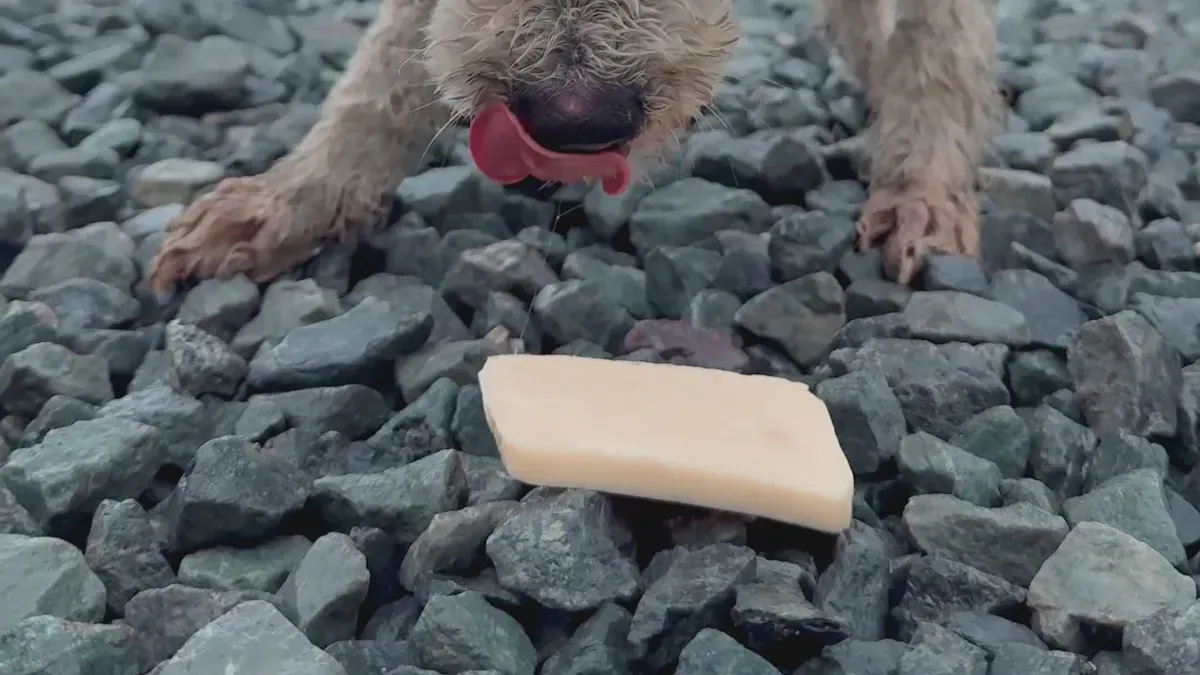
You know your pet well. If their food looks, smells, or feels odd, the quality might be worse. Sometimes, the food can look a weird color, smell sour, or feel sticky. These changes can mean the food is spoiled or has bad ingredients.
Characteristic | Spoilage/Oxidation | |
|---|---|---|
Color | White or translucent | Yellow or brown |
Smell | Neutral or mild | Sour, rancid, or off |
Texture | Waxy, oily | Sticky, degraded |
Some pet owners have seen their pets get very sick from bad food. You might notice vomiting, bleeding, or even seizures. If you see these things, stop using the food right away. Changing the petfood often helps pets get better fast.
Nuzoko is known for always having good quality. The brand checks every batch and uses new technology to keep food safe.
Ingredient Changes
Petfood companies sometimes change recipes without telling you. These changes can hurt your pet’s health. Watch for new things like high fructose corn syrup or extra salt. These can upset your pet’s stomach, cause weight gain, or even seizures.
Ingredient Type | Negative Health Outcomes |
|---|---|
Feed-grade ingredients | Lower quality, may contain toxins like mycotoxins, and can include euthanized animals leading to contamination. |
High fructose corn syrup | Can cause gastrointestinal discomfort, weight gain, and obesity-related health issues. |
Nitrates/nitrites | Associated with nitrate poisoning, anemia, and cancer. |
Excessive salt | Can lead to salt toxicity, gastrointestinal issues, seizures, and potentially death. |
You might not know when ingredients change. Many pet owners want to see all the ingredients, maybe with QR codes on the bag. Some studies found pet foods can have hidden animal or plant parts. If you worry, ask the company how they check their ingredients. Nuzoko is open about what’s in their food, so you always know what your pet eats.
Recalls & Safety Issues
Recalls happen more than people think. In the last five years, there were about nine petfood recalls each year in the US. Recalls usually happen because of bacteria, mold toxins, vitamin problems, or strange objects in the food.
Pathogenic bacteria contamination (like Salmonella or Listeria)
Mycotoxins from mold (such as Aflatoxin)
Nutrient imbalances (too much or too little vitamins or minerals)
Foreign material contamination (unexpected objects in food)
You can check for recalls on sites like the Oregon Veterinary Medical Association’s recall page. Acting fast when you hear about a recall can keep your pet safe. Nuzoko follows strict rules and gets checked by other groups to lower recall risks.
Health Reactions
Your pet’s health can change fast if their food is not safe. Look for signs like vomiting, diarrhea, skin problems, or seizures. Some reactions, like hives, can show up in one day. Others, like skin issues in cats, can take months.
Type | Description |
|---|---|
Infections | Caused by eating live dangerous bacteria or fungi, often from raw diets and uncooked treats. |
Toxins | Can be naturally occurring or due to human error, such as excess nutrients or intentional adulteration. |
Deficiencies | Typically due to quality control issues, leading to insufficient essential nutrients in pet food. |
If you see any of these symptoms, talk to your vet and report it. Experts say to write down what happened and tell the FDA. This helps protect other pets, too.
Service Concerns
Good customer service is important. If you can’t reach the company or get answers, it can be annoying. Many pet owners have had slow replies or bad help. When you feel listened to, you trust the brand more.
“I had problems with a dog food I bought. Everyone who helped me was great. I’m really happy with Chewy. Thanks for helping and giving me my money back. It’s nice to have a company like this today!”
Nuzoko wants to talk openly and give good support. You can always ask questions and expect a helpful answer.
Ignoring warning signs can put your pet in danger. Acting fast keeps your pet healthy and safe. Picking a brand like nuzoko, which cares about quality and honesty, helps you worry less.
Transitioning Petfood Safely
Monitoring Your Pet
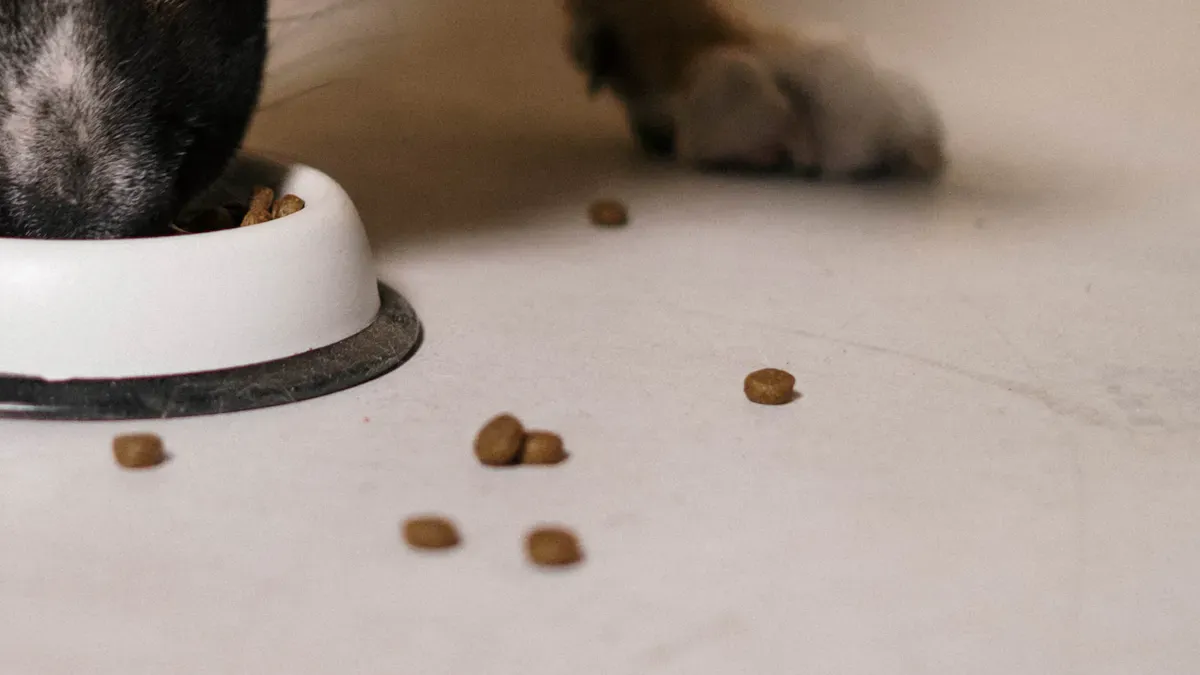
Switching your pet’s food can feel stressful, but you can make it easier by watching for changes. Start by checking your pet’s energy, appetite, and stool. Look for positive signs like a shinier coat, healthy stools, and more energy. Watch out for vomiting, diarrhea, gas, or sudden weight changes. If you see scratching, dull fur, or your pet seems tired or anxious, slow down the switch or talk to your vet.
Here’s what to keep an eye on:
Appetite and eating habits
Stool consistency and frequency
Energy levels and playfulness
Skin and coat condition
Behavior changes like irritability or anxiety
If your pet has health issues, ask your vet before making changes. Choose petfood that matches your pet’s age and needs.
Gradual Switch Steps
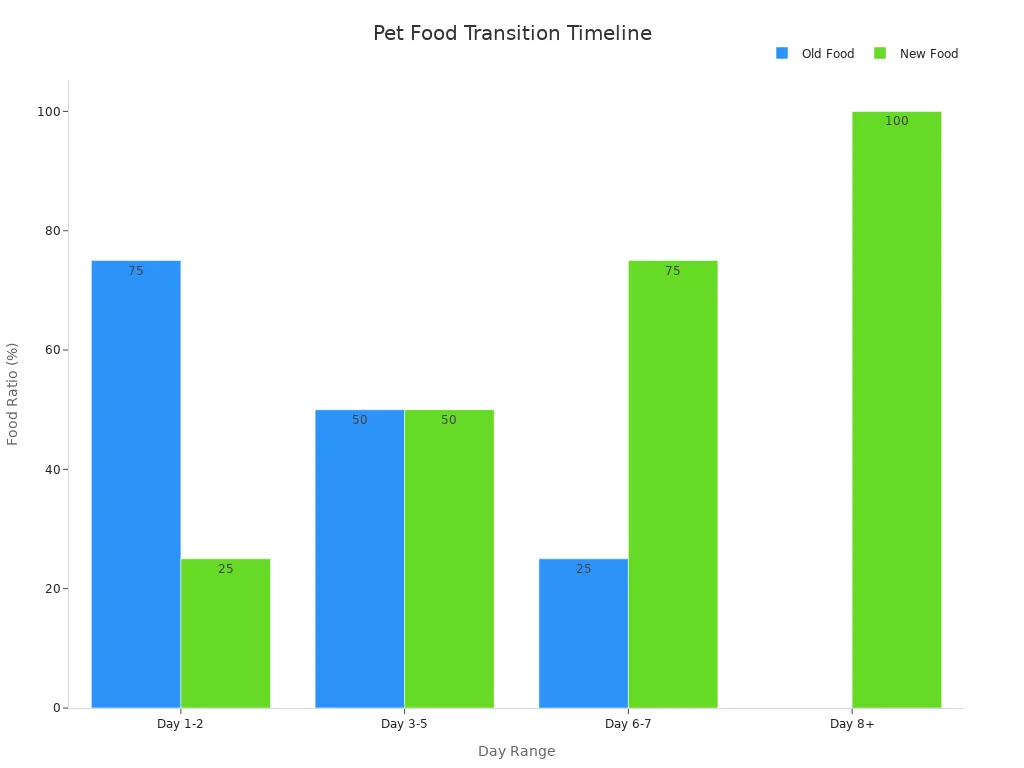
A slow transition helps your pet’s stomach adjust. Most vets suggest mixing old and new food over 7-12 days. Here’s a simple plan:
Day | Old Food Ratio | New Food Ratio |
|---|---|---|
Day 1-2 | 75% | 25% |
Day 3-5 | 50% | 50% |
Day 6-7 | 25% | 75% |
Day 8+ | 0% | 100% |
If your pet refuses the new food or gets an upset stomach, slow down the switch. For picky eaters or sensitive pets, try foods with pumpkin, ginger, or probiotics. These ingredients help with digestion.
Tip: Always provide fresh water and keep mealtimes regular during the switch.
Choosing a Reliable Brand (nuzoko)
Picking the right petfood brand matters. Look for brands that show clear ingredient lists, have strong reputations, and own their factories. Brands like nuzoko use science-backed nutrition and strict quality checks. Nuzoko works with veterinary nutritionists and offers complete, balanced options for every life stage. You can trust nuzoko for a smooth transition and ongoing support.
If you want fewer worries, choose a brand that values transparency and quality. Your pet deserves the best.
Watch for these petfood warning signs:
Digestive problems or skin issues
Sudden weight or appetite shifts
Act fast if you spot trouble. Quick action keeps your pet safe. Choose trusted brands like nuzoko. Stay alert and check your pet’s health often for the best results.
FAQ
How often should you check your pet’s food for quality?
You should check your pet’s food every time you open a new bag or can. Look for changes in smell, color, or texture.
What should you do if your pet refuses new food?
Try mixing the new food with the old one. Add a little at a time. If your pet still refuses, talk to your vet.
Can you switch petfood brands quickly?
It’s best to switch slowly. Mix the new food in over 7-12 days. This helps your pet’s stomach adjust and avoids tummy troubles.



