Here are the 7 must-have ingredients for healthy dog food:
Lean protein
Whole grains
Healthy fats
Fiber-rich vegetables
Vitamins and minerals
Probiotics
Antioxidants
You should pick dog food with real ingredients. These ingredients come from trusted places. Real ingredients help your dog’s muscles. They also help digestion, skin, and immunity. Science says full nutrition is best for dogs. Raw or trendy foods are not always enough. Your dog needs all the right nutrients to stay healthy. Choose petfood with nuzoko’s quality for true peace of mind.
Key Takeaways
Pick dog food with lean protein. This helps your dog’s muscles grow. It also gives your dog energy. Fresh meats like chicken and salmon are best for nutrition.
Add whole grains to your dog’s meals. Whole grains help your dog digest food better. They also keep your dog’s gut healthy. Rice and oats help with bowel movements. They also help your dog absorb nutrients.
Choose foods with healthy fats. Omega-3 and omega-6 fatty acids are good for your dog. These fats make your dog’s coat shiny. They also keep your dog’s skin healthy. Salmon oil and flaxseed oil are great options.
Lean Protein in Petfood
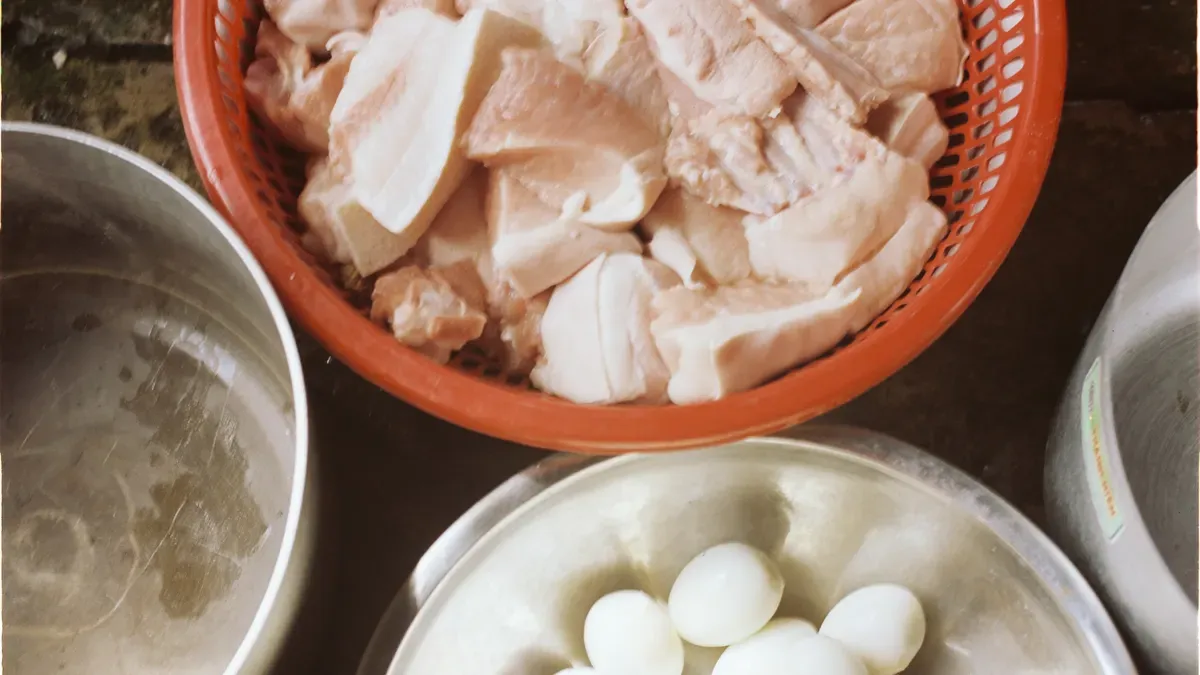
Muscle Growth and Energy
You want your dog to be strong and playful. Lean protein helps your dog build muscles. It also gives energy for running and playing. Dogs need protein every day to stay healthy.
A dog that needs 1,000 kcal each day needs about 60 grams of protein.
Dogs that are neutered or not very active may need less energy. But they still need the same amount of protein to keep their muscles lean.
Diets with more protein should be picked (> 75 g/1000 kcal) to stop protein shortages. Some amino acids, like leucine, help lower muscle breakdown when dogs are active. Studies in people show leucine helps make muscle protein. This is likely true for dogs getting better after being sick.
Lean protein is important in petfood. It helps muscles grow and helps dogs heal after exercise or sickness.
Best Protein Sources
You should pick dog food with complete protein sources. Fresh animal meats give the best nutrition for your dog.
Here is a table with top protein sources and their benefits:
Protein Source | Benefits |
|---|---|
Chicken | Helps build lean muscle and energy |
Lamb | Good for fixing body tissues |
Salmon | Has lots of important fatty acids |
Turkey | Gives energy that lasts |
Beef | Full of protein and vitamins |
Fresh meat is always a good pick. These meats help your dog stay strong and healthy. When you buy petfood, look at the label for these ingredients. Your dog will be happy you chose good protein.
Whole Grains for Balanced Nutrition
Digestive Health Benefits
You might wonder why whole grains matter in your dog’s food. Whole grains do more than just fill up the bowl. They give your dog important dietary fiber. Fiber keeps your dog’s gut healthy and helps everything move smoothly. You’ll notice better stool quality and fewer tummy troubles when you pick food with whole grains.
Whole grains provide dietary fiber, which is essential for gut health.
Fiber supports regular bowel movements and improves stool quality.
Grains help good gut bacteria grow, making your dog’s microbiome stronger.
Research shows that fiber in grains helps regulate digestion in dogs. Dogs who eat whole grains often have less constipation and absorb nutrients better. A balanced diet with grains can even support your dog’s immune system. Studies also show that wheat gluten can be easier to digest than some meat meals, especially for bigger dogs. Adding wheat bran does not hurt protein use, and cereals do not cause problems with digestion or stool in dogs with special needs.
Tip: If your dog has a sensitive stomach, try switching to a food with gentle grains like rice or oats.
Top Grain Choices
Not all grains are the same. Some work better for dogs than others. You want to look for these grains in your dog’s food:
Rice
Barley
Oats
Millet
Wheat
Corn
These grains give energy, vitamins, and minerals. They also taste good to most dogs. When you see these grains on the label, you know you’re giving your dog balanced nutrition.
Healthy Fats for Skin and Coat
You want your dog’s fur to shine. Healthy fats help with this. Fats do more than taste good. They help your dog use vitamins. Fats also keep your dog’s energy steady. If you want your dog to look great, check the fats in their food.
Essential Fatty Acids
Dogs cannot make all fatty acids by themselves. You must give these nutrients in their food. The most important are omega-3 and omega-6 fatty acids. These help stop itching and dry skin. They also help your dog’s immune system.
Here is a table of key fatty acids and what they do:
Essential Fatty Acid | Type | Benefit |
|---|---|---|
Linoleic Acid | Omega-6 | Helps skin and coat stay healthy |
Arachidonic Acid | Omega-6 | Supports healthy skin |
Eicosapentaenoic Acid | Omega-3 | Lowers swelling |
Alpha-linolenic Acid | Omega-3 | Lowers swelling |
You want these fatty acids in your dog’s food. They help your dog’s skin and coat look their best.
Recommended Fat Sources
Not all fats are good for dogs. You should pick foods with the best fat sources. Good dog foods have about 21% fat. They use things like cod liver oil for omega-3s. The AAFCO says adult dogs need at least 5.5% fat. Puppies and pregnant dogs need 8.5% fat.
Here are some top fat sources and their benefits:
Fat Source | Type of Fat | Benefits |
|---|---|---|
Salmon oil | Omega-3 fatty acids | Helps skin and coat look healthy |
Cold-water fish oils | Omega-3 fatty acids | Help lower swelling |
Flaxseed oil | Omega-3 fatty acids | Good for skin and coat |
Chicken fat | Triglycerides | Gives energy and needed fatty acids |
Sunflower oil | Omega-6 fatty acids | Helps your dog stay healthy |
Tip: Look for these fats on the label. Your dog will be happy and have a shiny coat!
Fiber-Rich Vegetables as Real Ingredients
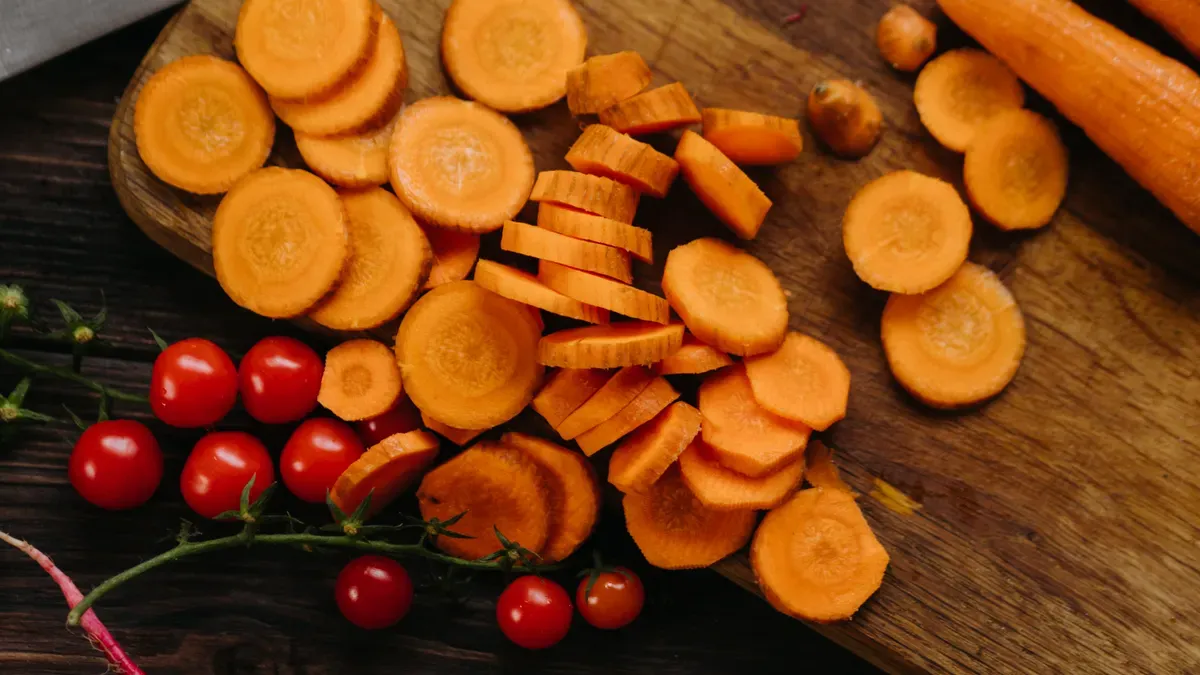
Digestive Support
You want your dog to feel good every day. Fiber-rich vegetables play a big role in keeping your dog’s tummy happy. When you add these veggies to your dog’s bowl, you help support digestive health. Research shows that fibers like inulin and oligofructose can boost the good bacteria in your dog’s gut. These fibers help make short-chain fatty acids, which are important for a healthy colon. They also lower the pH in your dog’s gut, making it harder for bad bacteria to grow. This means your dog gets more support from the inside out.
Clinical studies say that prebiotic fibers in vegetables do not get digested in the upper gut. They travel down to the lower gut, where friendly bacteria use them for energy. This process creates postbiotics, which help fight swelling and give your dog’s gut extra power. You may notice your dog has better stools and less upset stomach when you feed real ingredients like these.
Tip: If your dog has a sensitive stomach, try adding a small amount of cooked veggies to their meals and see how they do.
Vegetable Options
You have lots of choices when it comes to fiber-rich vegetables. Here are some of the best options for your dog’s food:
Kale
Spinach
Swiss chard
Carrots
Green beans
Pumpkin
These veggies are packed with fiber and other nutrients. They help your dog feel full and satisfied. You can mix them into homemade meals or look for them on pet food labels. Your dog will love the taste, and you’ll love the benefits.
Vitamins and Minerals in Petfood
Immune System Support
You want your dog to stay healthy. Vitamins and minerals help your dog’s immune system. Some vitamins help your dog fight germs. Others help your dog heal faster. Some protect cells and keep them working well. Look at this table to see how vitamins C and E help your dog’s immune system:
Vitamin | Role in Immune Support | Effects |
|---|---|---|
C | Modulates immune responses | Improves neutrophil chemotaxis and phagocytosis, boosts lymphocyte growth, regulates cytokines |
E | Preserves membrane integrity | Inhibits inflammation, helps cell division, supports signal transduction |
These vitamins help your dog fight sickness. They also keep your dog’s cells healthy. When you pick dog food with the right vitamins and minerals, you help your dog’s immune system stay strong.
Natural Sources
You may wonder where to find these nutrients. Many foods have vitamins and minerals your dog needs. Here are some top sources:
Calcium, phosphorus, potassium, sodium, magnesium, and chlorine are important macro elements.
Iron, zinc, selenium, copper, manganese, and iodine are key trace elements.
Chicken, turkey, and spinach have lots of zinc.
Halibut, sardines, and beef are good for selenium.
Broccoli and kale have plenty of iron.
Flax seeds, kale, and spinach give copper.
Rabbit, egg, and pumpkin seeds supply manganese.
Greens like spirulina, chlorella, alfalfa, and kelp have many minerals.
Organ meats are full of nutrients and should be 10% to 15% of your dog’s diet.
You can add these foods to your dog’s meals. You can also look for them on pet food labels. Your dog will get a stronger immune system and better health.
Probiotics for Gut Health
Benefits for Digestion
You want your dog to feel good and have normal poop. Probiotics are friendly bacteria that help your dog’s tummy. They keep the gut healthy by balancing the microbiome. When your dog eats food with probiotics, good bacteria grow in their gut. This balance stops bad bacteria from causing problems. It also helps your dog use nutrients better.
Probiotics do more than help digestion. They can make your dog’s immune system stronger. They may help with diarrhea too. Some strains, like Lactobacillus and Bifidobacterium, fight germs. These strains keep your dog’s stomach healthy. Probiotics might also lower stress and allergies in some dogs.
Here is a table showing how different probiotic strains work in dogs:
Probiotic Strain | Effect on Gut Health in Dogs |
|---|---|
L. reuteri ZJF036 | More Lactobacillus, less Turicibacter and Blautia |
S. cerevisiae yeast | More Turicibacter, less E. coli, more fecal butyrate |
Lactiplantibacillus paraplantarum L-ZS9 | Changed gut bacteria and metabolism |
Slab51® | Less C. perfringens, more Bifidobacterium and Lactobacillus |
Multistrain probiotics | Better serum IgG and fecal sIgA levels |
Tip: If your dog has tummy problems or loose poop, ask your vet about probiotics.
Probiotic Sources
You can find probiotics in many dog foods and supplements. Brands like Earthborn Holistic, Brothers Complete, Nutreco Wholesome Blend, and TLC Whole Life use probiotics in their recipes. Check the label for these helpful strains:
Lactobacillus plantarum: Stays strong in the gut and sticks to cells.
Ligilactobacillus animalis: Stops bad bacteria in the gut.
Enterococcus faecium: Helps gut health and the immune system.
Bifidobacterium animalis: Good for gut health and immune function.
Lactobacillus acidophilus: Helps digestion and immune support.
Adding these strains to your dog’s food keeps their gut healthy. It also helps their immune system stay strong. Your dog will feel happy and healthy when you pick food with real probiotics.
Antioxidants from Real Ingredients
Cellular Health
You want your dog to feel energetic and look bright every day. Antioxidants help make this happen. They protect your dog’s cells from damage. They fight something called oxidative stress, which can make dogs feel tired or look dull. When you add antioxidants to your dog’s food, you help them stay active and playful.
Here’s what antioxidants do for your dog:
They protect cells and keep your dog’s body strong.
They help your dog move better by lowering swelling in the joints.
They support your dog’s brain, especially as they get older.
They make your dog’s coat shine and help them look healthy.
If you want your dog to age well and stay sharp, you need to pick foods with real antioxidants.
Antioxidant-Rich Foods
You can find many antioxidant-rich foods in high-quality dog food. Some fruits and berries have more antioxidants than others. Check out this table to see which foods pack the biggest punch:
Food Item | Antioxidant Content (mmol/100 g) |
|---|---|
Dried amla | 261.5 |
Wild dried dog rose | 20.8 – 78.1 |
Dried wild bilberries | 48.3 |
Barberries (red sour berries) | 27.3 |
Fresh dog rose | 24.3 |
Fresh crowberries | High |
Black currants | High |
Goji berries | High |
Sea buckthorn | High |
Cranberries | High |
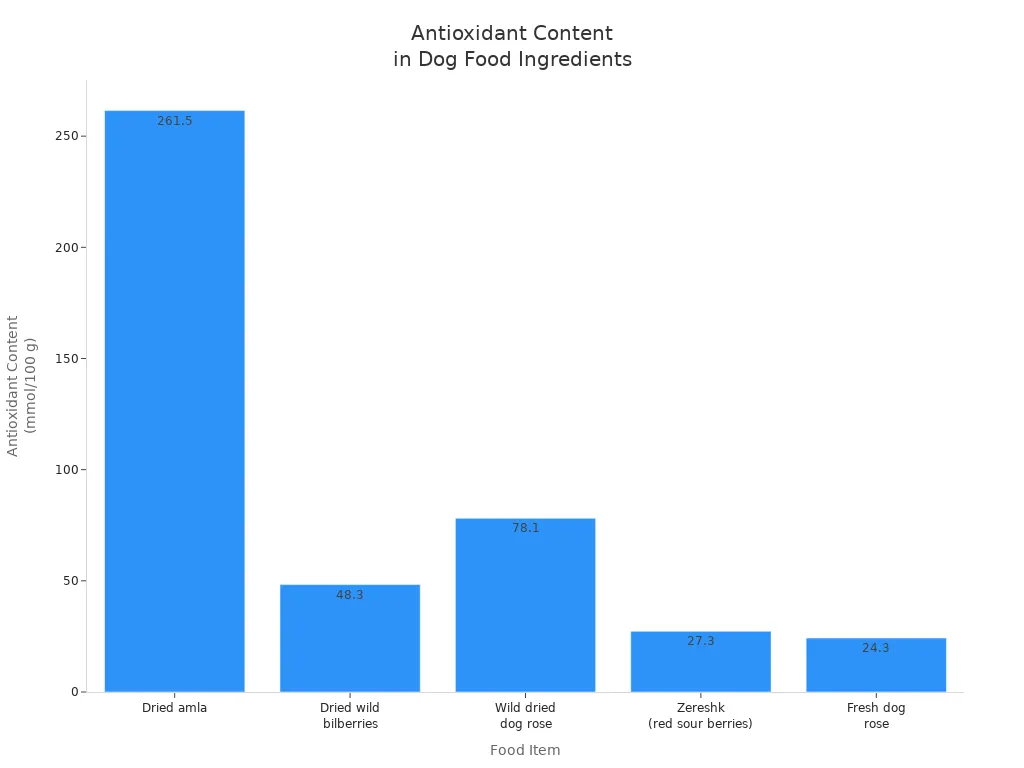
You can look for these foods on pet food labels. When you see berries like cranberries, goji berries, or black currants, you know your dog is getting a boost. These real ingredients help your dog stay healthy from the inside out.
Nuzoko Functional Petfood Solutions
Nuzoko’s Approach to Real Ingredients
You want your dog to eat healthy food. Nuzoko helps by using real ingredients in every recipe. You can trust that each bag comes from good sources. Nuzoko uses functional ingredients to help your dog feel better. These ingredients do more than fill the bowl. They give your dog energy, help with digestion, and make fur shiny.
Nuzoko uses science to pick what goes into their pet food. The food tastes good and has many health benefits. Here is a table showing how Nuzoko keeps food quality high:
What Nuzoko Does | Why It Matters for Your Dog |
|---|---|
Scientific Formulation | Every recipe is made to support your dog’s health |
Ingredient Quality | Only the best raw materials are used |
Traceability | You know where each ingredient comes from |
Safety and consistency are always a top priority |
When you choose Nuzoko, you pick a brand that cares about your dog’s food.
Custom Formulations and Quality Assurance
All dogs are different. Nuzoko knows this and makes special food for each dog. You can find food for your dog’s age, size, or health needs. Nuzoko works with trusted suppliers around the world. They check every ingredient to make sure it is safe and high quality.
You can feel calm knowing Nuzoko’s food is made with care. Their team checks every step for safety and quality. You will see your dog’s energy, coat, and health improve. Nuzoko uses real and functional ingredients so your dog gets the best nutrition.
Incorporating Ingredients in Your Dog’s Diet
Homemade vs. Commercial Petfood
You may ask if you should cook for your dog or buy petfood. Both ways have good and bad points. Making food at home lets you pick every ingredient. You can use fresh meat, plant proteins, and whole foods. This helps you skip fillers and focus on healthy meals. But homemade food can miss important nutrients if you do not plan well. You should talk to your vet or a pet food expert for recipes. They may tell you to add things like calcium powder or kelp to cover missing nutrients.
Here is a table showing the differences:
Aspect | Homemade Dog Food | Commercial Dog Food |
|---|---|---|
Nutritional Completeness | Might not have all nutrients if not balanced | Made for balanced nutrition |
Ingredient Control | You choose every ingredient | May use broad terms like ‘meat derivatives’ |
Risk of Deficiencies | Higher if not planned well | Lower because nutrients are added |
Customization | Easy to change for your dog | Not as flexible |
Consistency | Can be different each time | Always the same |
If you buy petfood, pick brands with functional ingredients and easy-to-digest carbs. These help your dog’s tummy and give energy.
Nutrient Balance Tips
You want your dog to be healthy at every age. Puppies need lots of protein to grow strong. Adult dogs need balanced food for weight and energy. Older dogs need fewer calories but more nutrients for joints and brain.
Here are tips for each life stage:
Puppies: Give meals with lots of protein (25-30%) and watch portions.
Adults: Pick diets with easy carbs and whole foods for steady energy.
Seniors: Choose foods with less calories and more nutrients for joints and brain.
Always make sure your dog drinks enough water. Check their weight and change portions if needed. If you cook at home, use low heat to keep nutrients. Never give cooked bones. Supplements like vitamin D or vitamin E can help fill gaps.
Tip: Add fiber-rich veggies or fruits for more vitamins and minerals. This makes meals tasty and helps your dog’s digestion.
You want your dog to feel good all the time. Picking food with real ingredients really helps.
Fresh foods help your dog get more vitamins and minerals.
Each important ingredient helps your dog grow, have energy, digest food, and have shiny fur.
Read the labels and choose brands like nuzoko that use science. This will help your dog be happy and healthy!
FAQ
What ingredients help my dog’s joint health?
You should look for foods with glucosamine, chondroitin, and omega-3s. These support joint health and keep your dog moving easily every day.
Can I improve joint health with homemade meals?
Yes! Add cooked fish, pumpkin, or spinach to your dog’s bowl. These foods give nutrients for joint health and help with joint support.
How do I know if my dog needs joint support?
If your dog limps, moves slowly, or avoids stairs, you should talk to your vet. Early joint support can help your dog stay active.