

You know it is hard when your cat has a sensitive stomach. You might see your cat eat less or have stomach problems. Stress, parasites, foreign things, food intolerances, and food allergies can cause these problems in cats. The right petfood can help your cat get good nutrition and have a healthy stomach. If your cat’s symptoms get worse, talk to your veterinarian.
Key Takeaways
Pick wet food for cats with sensitive stomachs. Wet food is simple to digest and gives more water.
Search for limited ingredient diets. These diets have basic ingredients to help find food sensitivities fast.
Talk to your veterinarian before you change your cat’s food. They can give advice that fits your cat’s needs.
Best PETFOOD Types
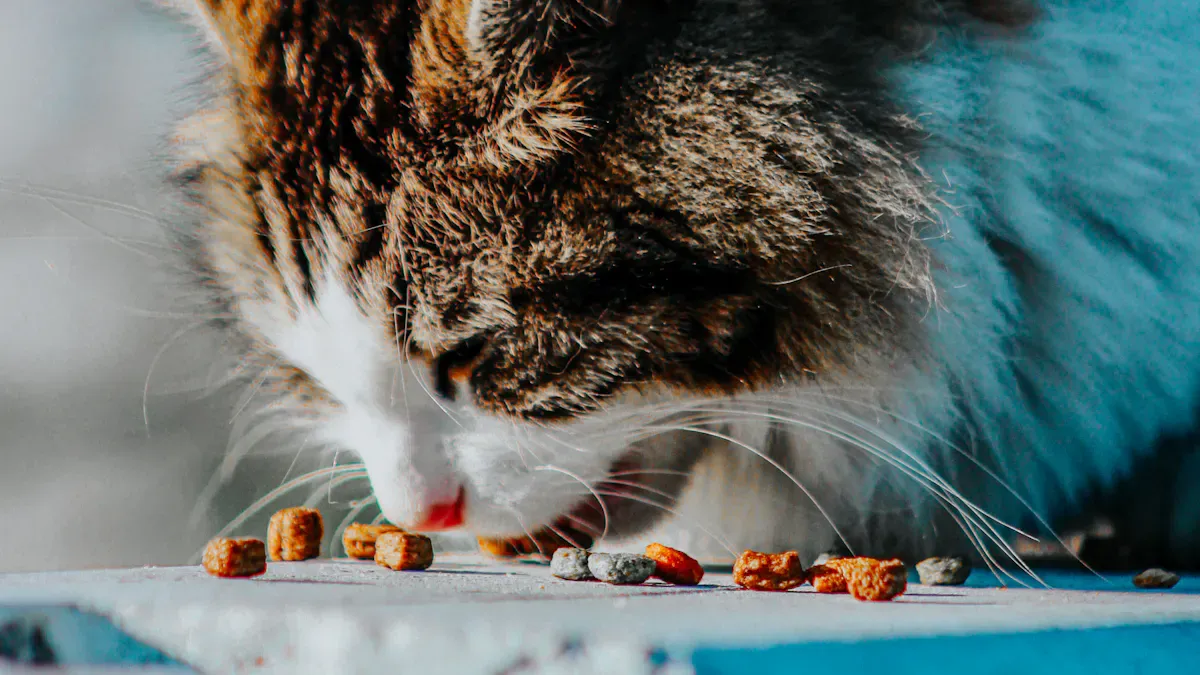
Picking the right food for a sensitive stomach cat helps a lot. You want your cat to feel happy and enjoy eating. Good nutrition is important for your cat’s health. Let’s check out the best choices for cats with sensitive stomachs.
Wet vs. Dry Options
You may ask if wet or dry food is better for your cat. Wet food is usually the best for sensitive stomach cats. Here are some reasons:
Wet food is soft and moist, so it is easier to digest.
It gives extra water, which helps your cat’s stomach and kidneys.
Wet food has fewer calories and less carbohydrate, so it helps with weight and stomach problems.
The ingredients are simple and natural, so your cat’s stomach can handle them.
Wet food does not have fillers that can upset your cat’s stomach.
Dry food can work for some cats too. Pick dry food made for sensitive stomachs. Look for high-protein and low-carb recipes with simple ingredients. Always check the label for nutrition and avoid foods with lots of fillers.
Limited Ingredient Diets
Limited ingredient diets are great for sensitive stomach cats. These diets use simple and clear ingredients. Here is what makes them good:
They use one protein source, like duck or venison, so your cat is less likely to get sick.
The ingredient list is short, so you can find problem foods fast.
These diets skip common allergens like wheat, soy, and corn.
You still get vitamins and minerals for full nutrition.
Cats with sensitive stomachs get better faster with fewer ingredients.
If your cat cannot eat chicken or fish, try a diet with a new protein. This can help you find the best food for your cat.
Veterinary Formulas
Sometimes, your cat needs more than regular sensitive stomach food. Veterinary formulas are special diets for cats with stomach problems. Your vet may suggest one of these:
Diet Type | Description | Benefits |
|---|---|---|
Low-residue Diets | High protein digestibility, low fiber | Helps food move and absorb better in sensitive intestines |
Fiber-enhanced Diets | Mix of soluble and insoluble fibers | Supports overall digestive health |
Low-fat Diets | Lower fat content | Reduces stomach upset and helps cats who vomit |
Hypoallergenic Diets | Uses novel or hydrolyzed proteins | Limits allergic reactions and soothes sensitive stomachs |
Veterinary formulas often use hydrolyzed proteins to lower immune reactions. They have prebiotics for gut health and special carbohydrates for allergies and stomach problems. These diets give your cat the nutrition needed for better health.
Tip: Always ask your vet before starting a new diet, especially if your cat has stomach problems.
When you choose food for a sensitive stomach cat, look for easy-to-digest food, high-quality protein, and simple ingredients. The right food can make your cat feel better and happier.
Understanding Sensitivity in Cats
What Is Food Sensitivity?
You may wonder what food sensitivity means for your cat. Food sensitivity happens when something in your cat’s food causes problems. It is not the same as food allergies. Food allergies use the immune system, but food sensitivity does not. Your cat’s body reacts to certain foods, but it does not start an immune response. If your cat eats food that bothers them, they may have trouble with sensitive stomach cat food.
Food sensitivity in cats means an ingredient causes issues.
Vomiting
Loose stool
Diarrhea
Signs to Watch For
Noticing signs of a sensitive stomach helps you act early. You want your cat to feel good and have healthy digestion. Here are some signs and symptoms you might see:
Symptom Type | Description |
|---|---|
Itching | Itching that stays the same all year. |
Licking | Licking their body often. |
Scratching | Scratching skin, sometimes making sores. |
Overgrooming | Grooming too much, which can cause hair loss. |
Biting | Biting skin, which may make sores. |
Skin Lesions | Red spots, small crusts, bumps, or ulcers. |
GI Symptoms | Diarrhea and vomiting can also happen. |
If you see these signs, you should try sensitive stomach cat food.
Sensitivity vs. Allergy
You may ask how food sensitivity and food allergies are different. Food allergies use the immune system and cause skin and stomach problems. To check for food allergies, your vet may suggest a strict hypoallergenic diet for eight to twelve weeks. You cannot give treats or flavored medicine during this time. If your cat gets better and then has problems again after eating old food, it shows a food allergy. Food intolerances do not use the immune system and usually cause only stomach issues. Sensitive stomach cat food can help with food intolerances and mild sensitivities. It supports your cat’s nutrition and digestion.
Key Ingredients for Sensitive Stomachs
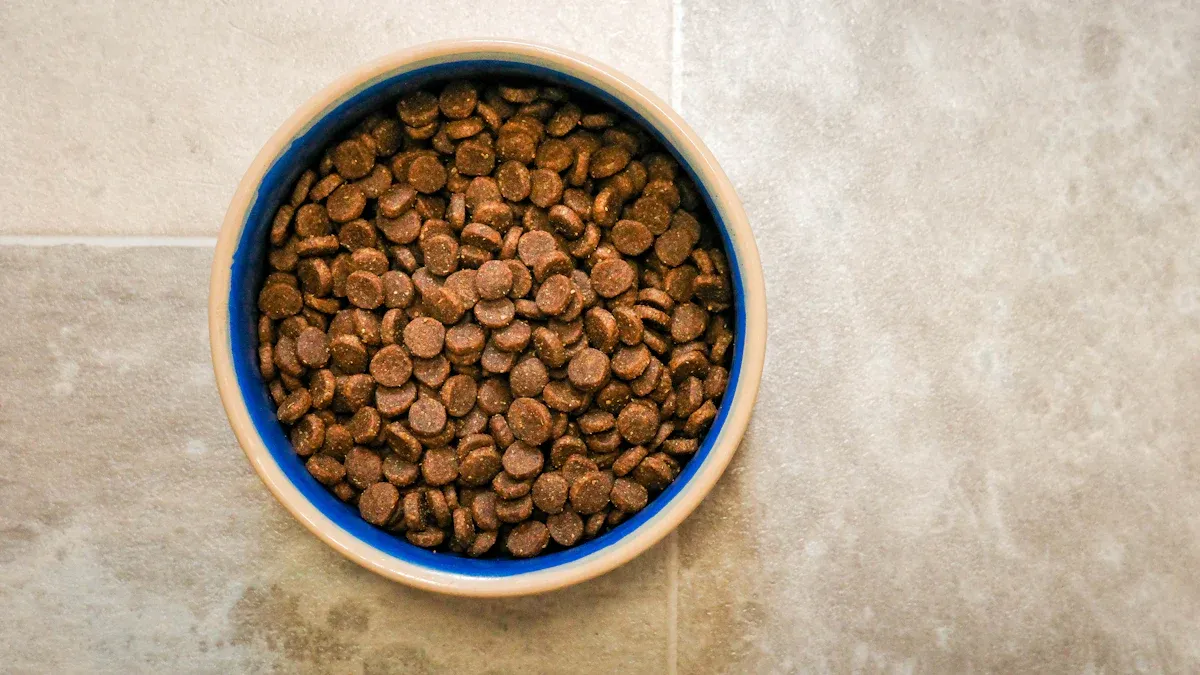
Ingredients to Include
When you pick food for a sensitive stomach cat, choose things that are easy to digest. These foods help your cat’s stomach work well. Your cat will feel better and get good nutrition. Here are some good things to look for:
Animal proteins like chicken, turkey, or low-fat fish are easy to digest. They help your cat get nutrients and avoid stomach pain.
Probiotics and prebiotics help your cat’s stomach and gut stay healthy. They make it easier to break down food and keep the immune system strong.
Omega-3 fatty acids can lower swelling and help good bacteria grow in the stomach.
Fiber from pumpkin or other sources helps your cat poop regularly.
Wet sensitive stomach cat food gives water and stops constipation.
You can also try limited ingredient diets with good ingredients. These foods give your cat what they need for a healthy stomach.
Ingredients to Avoid
Some things in cat food can upset your cat’s stomach. Try not to pick foods with these things:
Artificial preservatives, colors, and flavors can hurt your cat’s digestion.
By-products or bad meat meals do not give your cat good nutrition.
Dairy can make your cat’s stomach hurt or cause diarrhea.
Beef, seafood, eggs, and gluten can cause allergies or sensitivities.
Too many carbs or fillers make it harder for your cat to digest food.
If you see these things on the label, pick a different food. The best foods for sensitive cats use simple and good ingredients.
Novel Proteins & Grain-Free Choices
Novel proteins and grain-free diets can help cats with sensitive stomachs. If your cat has food allergies, a special diet with a new protein can help. You can try duck, venison, or rabbit. These proteins do not usually cause problems.
Grain-free sensitive stomach cat food does not have gluten or high-carb grains. This helps your cat get nutrition without hurting their stomach. The best dry cat food for sensitive cats uses one protein and not many ingredients.
Tip: If your cat throws up, has diarrhea, or loses weight, a new protein or grain-free diet might help. Always ask your vet before changing your cat’s food.
With the right food, your cat can be healthy and happy.
nuzoko PETFOOD Solutions
Science-Driven Nutrition
You want your cat to have the best food. Nuzoko knows how important this is. Their petfood is made with science and care. They use research to pick good ingredients for sensitive cats. You can see your cat get healthier and happier.
Nuzoko’s team learns how food changes digestion. They pick animal proteins that are easy on the stomach. Their diets have lots of fiber and balanced nutrition. These foods help with food allergies and support digestion. You can trust every bite gives your cat what they need.
Nuzoko’s sensitive stomach cat food uses simple diets. There are fewer ingredients, more fiber, and full nutrition in every meal.
Quality Assurance & Innovation
You want your cat’s food to be safe. Nuzoko checks each batch for quality. They follow strict rules from around the world. Their petfood meets the highest safety standards.
Nuzoko always tries new ways to help sensitive cats. They use new technology to make better food. Their diets have extra fiber, probiotics, and special nutrition for digestion. Nuzoko’s foods help your cat at every age.
Here’s what you get with nuzoko:
Feature | Benefit for Your Cat |
|---|---|
High fiber | Better digestive health |
Simple ingredients | Fewer food allergies |
Balanced nutrition | Complete nutritional support |
Quality checks | Safe and healthy food |
You want the best for your cat. Nuzoko gives you trusted, science-based nutrition for sensitive cats.
Transitioning to New PETFOOD
Step-by-Step Guide
Switching your cat to a new sensitive food takes time and patience. You want to help your cat’s sensitive stomach adjust without stress. Here’s a simple plan you can follow:
Start with 75% old food and 25% new sensitive food for the first two or three days.
Move to a 50/50 mix for the next two or three days.
Change to 25% old food and 75% new sensitive food for a few more days.
Finish with 100% new sensitive food.
You can stretch this plan to 12 days if your cat needs more time. Keep meal times and spots the same. This helps your cat feel safe and keeps their digestive system calm. Adding fiber-rich sensitive food supports a smooth change.
Tip: Go slow if your cat has a very sensitive stomach. A gentle switch helps protect their health and nutrition.
Monitoring Your Cat
Watch your cat closely during the switch. Sensitive cats may show signs like mild vomiting, loose stools, or hairballs. You might also notice weight loss or blood in the stool. If you see ongoing discomfort, pause and slow down the transition. Fiber in sensitive food can help with digestive changes. Look for better energy, a shiny coat, and healthy litter box habits. These signs show your cat is getting the right nutritional support.
When to Consult a Vet
Sometimes, sensitive cats need extra help. Call your vet if you see:
Persistent vomiting or diarrhea
Refusal to eat for 24 hours
Unusual tiredness
Stopping eating altogether
Your vet can check your cat’s stomach and make sure the new sensitive food is safe. They can also suggest more fiber or other changes for better nutrition and health.
Choosing the right PETFOOD helps your cat feel better and stay healthy. You want to look for:
High-quality protein for easy digestion
Fiber and probiotics for gut health
No artificial fillers
Stay patient as cats adjust. Watch their habits and talk to your vet. Trusted brands like nuzoko make a difference.
FAQ
What signs show my cat has a sensitive stomach?
You might see vomiting, diarrhea, or less interest in food. Watch for changes in your cat’s litter box habits or energy.
Can I feed sensitive food to all my cats?
Yes, you can. Sensitive formulas work for most cats, even if only one has a sensitive stomach. Always check with your vet first.
How long before I see results after switching food?
You may notice changes in your cat within one to two weeks. Keep an eye on their appetite, coat, and litter box.



