Start by giving your cat warm food. Cats like food that is as warm as their bodies. If your cat does not want to eat, try putting a good fat on the petfood. You can also add a safe flavor enhancer. You want your cat to eat healthy meals. Nuzoko uses science to help you make food tasty and healthy.
Key Takeaways
Heat your cat’s food until it is warm like their body. Add safe flavor boosters such as bone broth or fish oil. This can make the food taste better to your cat.
Give new functional foods slowly. Mix them with your cat’s usual food for a week. This helps your cat get used to the new food. It also helps prevent tummy problems or your cat refusing to eat.
Choose good animal proteins and healthy fats. These make the food smell and taste better. Do not add things like salt or sugar that are not needed.
Understanding Cat Food Palatability

Why Cats Reject Functional Foods
You might notice your cat turning away from functional foods. Cats use their noses to check if food is fresh and safe. Their sense of smell is strong, so even a slight change in aroma can make them walk away. Taste matters a lot, too. Cats have special taste receptors that help them decide if food is good. Sometimes, functional petfood has minerals or nutrients that change the flavor. If the taste or smell seems odd, your cat may refuse to eat. Protein, fat, and fiber also play a big part. If these are not balanced, your cat might not find the food appealing. You want your cat to eat healthy meals, but you also need to make sure the food smells and tastes right.
Nuzoko focuses on science-driven nutrition and quality. You get petfood that meets your cat’s needs and tastes good.
What Makes Food Appealing
Cats love food that smells inviting and tastes rich. You can make meals more appealing by adding certain ingredients. Here are some options:
Fish oil gives a tasty boost and helps your cat’s coat shine.
Bone broth adds moisture and a warm aroma.
Pumpkin puree helps with digestion and makes transitions easier.
Goat’s milk offers probiotics for sensitive stomachs.
You can try warming the food or mixing in these extras. Your cat will notice the difference. When you use quality ingredients, your cat feels happier and healthier.
Improving Petfood Palatability with nuzoko
Ingredient Selection for Taste
Choosing the right ingredients makes a big difference when you want your cat to enjoy functional petfood. Cats have fewer taste buds than people, so they rely more on smell and the savory taste of meat. They do not care about sweet flavors, and they often dislike anything bitter. You should focus on animal proteins and healthy fats. These ingredients give food a rich, meaty flavor that cats love.
Animal proteins like chicken, fish, or beef boost the umami taste.
Protein hydrolysates add extra savory notes and help picky eaters.
Fats and oils carry aroma and make the food more tempting.
Nuzoko uses high-quality animal proteins and carefully selected fats to create recipes that appeal to cats’ natural preferences. You can trust that every bite supports both taste and health.
Tip: Avoid adding salt or sugar. Cats do not need these, and they do not make the food tastier for them.
Enhancing Aroma and Flavor
Aroma is the first thing your cat notices. If the food smells good, your cat will want to try it. You can boost aroma by gently warming the food or adding a bit of bone broth. Some companies, like nuzoko, use special cooking methods to create savory smells that attract cats.
Research shows that certain aroma compounds, like those from the Maillard reaction, make food more appealing. These compounds give off meaty, roasted scents that cats find irresistible. Fats and amino acids also help carry these aromas, making the food even more inviting.
Warm the food to body temperature for a stronger aroma.
Add a splash of bone broth or a safe topper to increase flavor.
Choose foods with natural meat flavors and avoid artificial scents.
Texture and Moisture Adjustments
Texture and moisture play a huge role in whether your cat will eat functional petfood. Many cats prefer wet food because it feels more like real meat. Wet foods have higher protein and fat content, which matches what cats would eat in the wild.
Food Type | Moisture Content (%) | Key Features |
|---|---|---|
Wet (Canned) | High | Meaty texture, strong aroma, easy to chew |
Semi-moist | 25-35 | Soft, shelf-stable, gentle on teeth |
Dry | Low | Crunchy, less aroma, may need extra moisture |
If your cat likes dry food, try adding a little warm water or broth to soften it. This can make the food smell better and feel more appealing. Watch how your cat reacts after eating. If they seem happy and relaxed, you know you are on the right track.
Gradual Transition Methods
Switching to a new functional petfood works best when you go slow. Sudden changes can upset your cat’s stomach or make them refuse the new food. Start by mixing a small amount of the new food with their current food. Over a week, increase the new food and decrease the old food.
On days 1-2, mix 25% new food with 75% old food.
On days 3-4, use a 50/50 mix.
On days 5-6, use 75% new food and 25% old food.
By day 7, serve only the new food.
Let your cat choose between bowls if they seem unsure. You can also offer a taste test by putting a little new food on their paw. Play with your cat before meals to boost their appetite. This slow approach helps your cat adjust and reduces stress.
Mixing and Topping Techniques
If your cat still hesitates, try mixing or topping their food. Some toppers, like bone broth or freeze-dried meat, add flavor and moisture. These extras can make functional petfood more exciting for picky eaters.
Pour a bit of bone broth over the food for extra aroma.
Sprinkle freeze-dried meat or a functional topper on top.
Mix in a spoonful of pumpkin puree or goat’s milk for added nutrition and taste.
Nuzoko offers a range of toppers and mixers designed to work with both wet and dry foods. These options help you customize meals and keep your cat interested in healthy eating.
Note: Always introduce new toppers slowly and watch for any changes in your cat’s behavior or digestion.
By focusing on taste, aroma, texture, and gradual changes, you can help your cat enjoy functional petfood. Nuzoko’s science-driven approach gives you the tools to make every meal both healthy and delicious.
Nutrition and Taste Balance
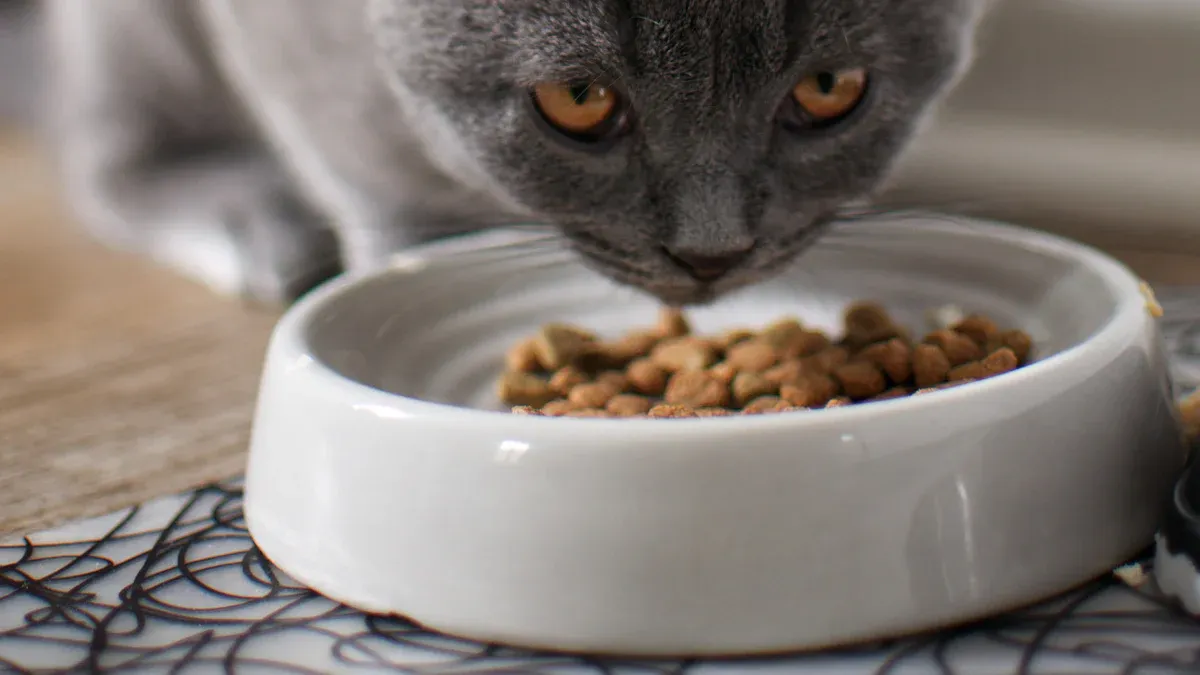
Keeping Health Benefits
You want your cat to enjoy every meal, but you also want to keep them healthy. The best way to do this is to choose petfood that balances taste with nutrition. Cats need the right mix of protein, fat, and carbs to stay strong and active. You can look for these important nutrients in your cat’s food:
Protein from chicken, turkey, tuna, or dried egg helps build muscles.
Fats like fish oil and soybean oil give energy and keep the coat shiny.
Carbohydrates from whole grains provide fuel for play.
Omega-3 and Omega-6 fatty acids support healthy skin and fur.
Calcium keeps bones and muscles strong.
Vitamins E and C protect cells and boost the immune system.
Nuzoko uses a science-driven approach to make sure every recipe supports your cat’s health. You get tasty meals that also help your cat feel their best.
Tip: Try foods with gourmet flavors like salmon or duck. These can make healthy meals more exciting for picky eaters.
Avoiding Common Pitfalls
It’s easy to make mistakes when you want your cat to love their food. Some things can lower palatability or even cause your cat to refuse a meal. Watch out for these common issues:
Too much fiber, calcium, phosphorus, or ash can make food less tasty.
Overcooking or using high temperatures can change texture and smell.
Kibbles with sharp edges may hurt your cat’s mouth.
Serving food too cold or too hot can lead to rejection.
You can avoid these problems by choosing high-quality petfood and serving it at the right temperature. Nuzoko pays attention to every detail, so you can feel confident about what goes in your cat’s bowl.
Monitoring and Adjusting Petfood Choices
Observing Cat Responses
You can learn a lot by watching your cat at mealtime. Cats show you what they like with their actions. If your cat sniffs the bowl, licks their lips, or eats right away, that’s a good sign. If they walk away or only nibble, they might not enjoy the food. Try using two bowls with different foods to see which one your cat picks first. This simple test helps you spot their favorite flavors and textures. You can also measure how much your cat eats and how quickly they finish. These clues tell you if your cat finds the food tasty or if you need to make changes.
Watch for licking, sniffing, or turning away.
Use two-bowl tests to compare preferences.
Track how much food your cat eats each day.
Tweaking Recipes and Routines
Sometimes, you need to adjust what or how you feed your cat. Small changes can make a big difference. Try using puzzle feeders to slow down fast eaters and keep them interested. If you want to introduce a new food, do it slowly and watch for any changes in your cat’s health or mood. Keep a simple feeding log to track what works best. Look for signs like itchy skin or an upset stomach. Check your cat’s body by feeling for ribs and looking at their waist. These steps help you spot problems early.
Use puzzle feeders for fun and slower eating.
Introduce new foods one step at a time.
Write down what your cat eats and how they act.
Nuzoko offers support and custom solutions if you need help adjusting your cat’s meals. You can reach out for advice or try different recipes to find the perfect fit for your cat.
You can make your cat like functional food by thinking about smell, feel, and good ingredients. Try new ideas and see how your cat acts. Look at the table below for easy tips:
Tip | Why It Works |
|---|---|
Warm food | Makes food smell and taste better |
Helps your cat try new foods | |
Makes the food taste stronger |
Try out different recipes and food types.
Make sure meals are both healthy and tasty for your cat.
FAQ
How can you tell if your cat likes a new food?
Watch your cat at mealtime. If your cat eats quickly, purrs, or licks the bowl, you picked a winner!
Can you mix functional food with treats?
Yes! You can sprinkle freeze-dried treats or a little bone broth on top. This makes healthy food more exciting for your cat.
What if your cat refuses all new foods?
Try warming the food or adding a tasty topper. Offer small amounts. Stay patient. Sometimes, it takes a few tries for your cat to adjust.