You want to give every dog the best chance at a happy, healthy life. Sensitive stomach dog food matters more than ever in 2026. You need to pick gentle ingredients for each food batch, use smart formulation strategies, and trust strong quality control. Dogs need food that helps their digestion. You should also focus on new rules and sustainable choices in petfood. Catfood has its own needs, but your main goal is to support dogs with every bite.
Key Takeaways
Pick gentle foods like sweet potatoes and single-source proteins. These help dogs with sensitive stomachs feel better.
Use new technology like encapsulation and dynamic diagnostic modeling. This makes food taste better and fits each dog’s needs.
Test every batch for nutrients and harmful bacteria. This keeps the food safe and the quality the same each time.
Learn about new rules and changes. Give clear and honest labels so pet parents trust you and make good choices.
Add postbiotics to recipes to help gut health and the immune system. This helps dogs feel good after eating.
OEM Best Practices for Sensitive Stomach Dog Food
2026 Trends and Innovations
In 2026, the pet food world is changing fast. Sensitive stomach dog food uses new science and better machines. Dogs get meals that are gentle on their stomachs and taste good. Real ingredient extracts make flavors last longer. These flavors also make food smell and taste better to dogs. Pet parents want honest labels and real ingredients. Now, you can give them what they want.
Encapsulation helps keep flavors and nutrients safe. It locks in taste and keeps out things dogs do not need. This means fewer extra ingredients and cleaner labels. Dogs with sensitive stomachs can eat food that is easier to digest. Their food is less likely to upset their stomachs.
There are new ways to help gut health too. Postbiotics are now very popular. They help a dog’s immune system and do not break down when cooked. You can add postbiotics to sensitive stomach dog food and know they will work.
Picking the right ingredients is very important. You use low-glycemic starches like sweet potato and tapioca. These help dogs digest food slowly and gently. Dynamic diagnostic formulation modeling is a new tool. It lets you change recipes for each dog’s breed, age, and lifestyle. You can make food that fits every sensitive dog.
Tip: Learn about new extraction and encapsulation methods. These help you make food that is gentle and tasty for sensitive dogs.
Direct Answers for OEMs
You want easy steps to make the best sensitive stomach dog food. Here are some solutions you can use now:
Solution Description | Details |
|---|---|
Advanced Manufacturing Processes | Use thermal vacuum infusion to keep ingredients stable and make food more appealing. |
Ingredient Selection | Pick highly digestible, low-glycemic starches like sweet potato and tapioca. |
Customized Formulations | Try dynamic diagnostic modeling to match food to each dog’s needs. |
Postbiotics Utilization | Add postbiotics for immune support that stays strong during processing. |
These steps help you fix common problems. You keep food gentle for sensitive dogs. Every batch is safe and tastes good. You also follow new trends and what pet parents want.
Pick ingredients that are easy for dogs to digest.
Use new technology to keep flavors fresh and labels clean.
Test your food often to make sure it is always the same.
Listen to pet parents and change recipes if needed.
When you use these best practices, you help every sensitive dog enjoy their food and feel good.
Understanding Sensitive Stomachs in Dogs

Signs and Symptoms
Sometimes, it is hard to see when a dog has a sensitive stomach. Dogs with sensitive stomachs may eat less or have bathroom changes. If you make or sell pet food, you should know these signs. This helps pet parents pick the right food. Here are some signs to watch for:
Loose stools or diarrhea that comes and goes
Vomiting or regurgitation sometimes happens
Dogs may have extra gas or flatulence
You might hear stomach gurgling or see bloating
Dogs may lose their appetite or become picky
Lip-licking, swallowing a lot, or drooling too much
Sensitive stomachs can cause digestive problems. These problems make dogs feel bad. Dogs may skip meals or seem restless after eating. Any breed or age can have these symptoms.
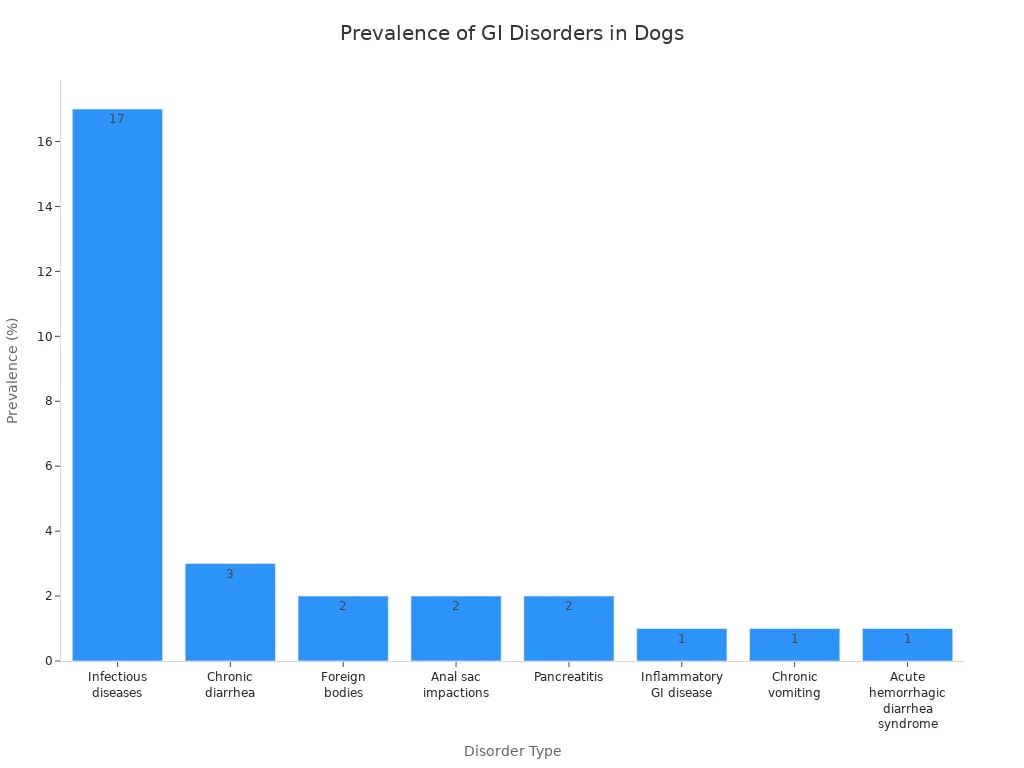
How often do these problems happen? Look at the numbers in this table. It shows how common different stomach issues are in dogs:
Disorder Type | Prevalence (%) |
|---|---|
Infectious diseases | 17% |
Chronic diarrhea | 3% |
Foreign bodies | 2% |
Anal sac impactions | 2% |
Pancreatitis | 2% |
Inflammatory GI disease | 1% |
Chronic vomiting | 1% |
Acute hemorrhagic diarrhea syndrome | 1% |
Why Specialized Diets Matter
You want dogs to feel good after eating. Special diets for sensitive stomachs help a lot. These diets keep dogs away from things that upset their stomachs. They also help dogs digest food better. Here is why these diets are important:
They skip animal-protein allergens that can upset dogs.
They use different fibers to help the gut and balance the microbiome.
Plant-based diets, if complete, can keep dogs healthy and lower stomach problems.
Making pet food for sensitive stomachs helps dogs enjoy meals. It also makes pet parents feel better. In the pet food business, meeting these needs builds trust and gives real help.
Ingredient Choices for Sensitive Stomach Dog Food

Digestible Proteins and Carbs
When making food for sensitive stomachs, you want it to be gentle. Dogs with sensitive stomachs do better with one kind of animal protein. Fish, venison, or duck are good if a dog cannot eat chicken or beef. These proteins are easy for dogs to digest and help stop stomach upset. You should use some legumes like peas and lentils, but not too many. Too many legumes can cause problems, but a small amount helps the gut. Carbohydrates like sweet potato and tapioca are good choices. They give energy and are easy on the stomach. Always pick ingredients that dogs can break down easily.
Novel Proteins and Limited Ingredients
Some dogs need different foods. Novel protein diets use meats most dogs have never eaten. This helps avoid common allergens. Limited ingredient diets keep recipes simple. Fewer ingredients make it easier to find what causes problems for a dog. Here is a quick look:
Diet Type | Description |
|---|---|
Novel Protein Diets | Uses uncommon protein sources that the dog’s immune system has not previously encountered. |
Limited Ingredient Diets | Reduces the number of components in the food, making it easier to identify allergens. |
You can help pet parents by making labels easy to read. Simple recipes help everyone know what is in the food.
Probiotics, Omega Fatty Acids, and Fiber
You want to help a dog’s gut health every day. Probiotics are tiny helpers that keep digestion balanced. Some strains, like Pediococcus acidilactici, are safe for dogs. Omega fatty acids help the skin and coat. This is important for dogs with sensitive stomachs. Fiber keeps digestion moving and helps the gut. These ingredients make food better and support health.
Tip: Pick sustainable ingredients that meet AAFCO rules. Plant-based diets can skip common allergens and add good fibers. Always check labels to make sure food is gentle and complete.
Formulation and Quality Control
Nutrition and Digestibility Balance
You want dogs to feel good after eating. Sensitive stomach food must be easy to digest. Dogs need meals that break down quickly. Rice, potatoes, and single-source proteins are good choices. Chicken, lamb, and fish help dogs get nutrients. These foods do not upset their stomachs. Limited ingredient diets lower the chance of sensitivities. Some dogs need prescription diets with prebiotics, probiotics, and fiber blends. If you change a dog’s food, do it slowly. Take 7 to 10 days to switch. This helps stop stomach upset.
Strategy | Description |
|---|---|
Rice, potatoes, and single-source proteins are gentle on the stomach. | |
Limited ingredient diets | Fewer ingredients mean fewer chances for sensitivities. |
Prescription diets | These support gastrointestinal health with special blends. |
Gradual transitions | Slow changes help dogs adjust and avoid stomach problems. |
Novel or hydrolyzed protein diets | These help dogs with allergies by lowering immune response. |
Gut Health Support
You want to keep a dog’s gut healthy every day. Sensitive stomach food uses simple, nutrient-rich ingredients. These foods are easier for dogs to digest. Highly digestible food lets nutrients get absorbed early. This lowers fermentation in the colon. It keeps the stomach calm. Prebiotic fiber or postbiotics help the gut microbiome. Fresh, simple diets and freeze-dried foods show high digestibility in studies.
Method | Importance |
|---|---|
Clearly identified protein sources | Helps you keep ingredient consistency. |
Complete and balanced nutrition | Supports every dog’s needs. |
Prebiotic fiber or postbiotics | Helps gut health and microbiome balance. |
Highly digestible formulations | Supports stool quality and nutrient absorption. |
Tip: Pick freeze-dried foods if you want shelf-stable options. These keep natural ingredients safe.
Testing and Consistency
You need strong quality control for every batch. Test for nutrients and check for harmful bacteria like Salmonella. Toxin and oxidation tests help keep food fresh. Ingredient checks and safety steps are important. Review packaging and shelf-life often to keep food good.
Test nutrient levels in every batch.
Check for harmful bacteria.
Validate ingredients and follow safety steps.
Review packaging and shelf-life often.
When you follow these steps, dogs with sensitive stomachs get safe, gentle food every time.
Regulatory and Labeling Updates 2026
Compliance and New Standards
You need to keep up with new rules in the pet food industry. In 2026, regulators want you to show that your dog food is safe and gentle for sensitive dogs. You must follow updated AAFCO guidelines and local laws. These rules help you make food that supports sensitive stomachs and keeps dogs healthy.
You should check ingredient sources and test every batch. Regulators ask you to show proof of safety for each sensitive ingredient. You must track where your food comes from and how you make it. If you use novel proteins or special additives, you need to show they are safe for dogs. You can use a checklist to stay on track:
Review ingredient safety reports.
Test for allergens in every batch.
Keep records of your food production steps.
Update your compliance documents each year.
Note: If you want to export your sensitive dog food, you must meet international standards. These rules change often, so you should check them before shipping.
Transparent Labeling
Pet parents want to know what is in their dog food. You need to make labels clear and easy to read. In 2026, you must list every sensitive ingredient and show where it comes from. You should use simple words and avoid confusing terms. If your food helps sensitive stomachs, you should explain how it works.
You can use a table to show your food’s main features:
Feature | What You Should Show |
|---|---|
Protein Source | List the animal or plant used |
Sensitive Additives | Name each additive and its purpose |
Digestibility Score | Show how easy the food is to digest |
Allergen Info | List common allergens avoided |
You should update your labels when you change your recipe. If you add new sensitive ingredients, you must tell pet parents. Clear labels build trust and help dogs with sensitive stomachs get the right food.
Tip: Use QR codes on your packaging. Pet parents can scan them to see ingredient details and learn how your food supports sensitive dogs.
Action Steps for OEM Partners
Sourcing and Supplier Audits
You want to make sure every batch of food is safe for a dog. Start by choosing suppliers you can trust. Ask for proof that their ingredients meet your standards. Visit their sites if you can. Check how they store and handle food materials. You should ask for certificates that show their food is free from common dog allergens. Make a list of questions for your suppliers. Here are some ideas:
Where do you get your ingredients?
How do you keep food fresh during shipping?
What steps do you take to avoid cross-contamination?
Can you show recent test results for your food?
You can use a simple table to track supplier checks:
Supplier Name | Last Audit Date | Allergen-Free Certificate | Passed Quality Test? |
|---|---|---|---|
Example Co. | 2026-03-15 | Yes | Yes |
Tip: Build strong relationships with your suppliers. This helps you get the best food for every dog.
Production and Testing Protocols
You need clear steps for making and testing food. Write down your process for each batch. Use checklists to make sure you do not miss anything. Test your food for nutrients and safety. Look for things that could upset a dog’s stomach. You should check for bacteria, toxins, and ingredient quality. If you find a problem, stop the batch and fix it before you ship.
Here is a simple production checklist:
Measure and mix ingredients for each food batch.
Test for protein, fat, and fiber levels.
Check for Salmonella and other bacteria.
Review packaging for leaks or damage.
Record every test and result.
You can use QR codes on your packaging. Pet parents can scan them to see how you make your food and how it helps a dog with a sensitive stomach. When you follow these steps, you give every dog a safe and gentle meal.
Challenges in Sensitive Stomach Dog Food Production
Ingredient Sourcing Issues
Making sensitive stomach dog food starts with picking good ingredients. If you do not get high-quality proteins or special fibers, your food may not help dogs. Sometimes, suppliers change or run out of things you need. This can change the taste or how the food works for dogs. Ingredient sourcing problems can cause big trouble. Using different batches can make the quality change. This affects how well the food helps a dog’s digestion. You must check every supplier and test each batch. Reliable sourcing keeps your food safe and gentle for all dogs.
Batch Consistency
You want every bag of dog food to be the same. Dogs with sensitive stomachs need food that does not change. If one batch is different, a dog might get sick. You must watch your process closely. Use the same recipe and test each batch for nutrients and safety. Even small changes in protein or fiber matter. Consistency builds trust with pet parents. They want to know their dog will feel good after every meal.
Tip: Keep a log for every batch you make. This helps you find problems early and fix them fast.
Responding to Feedback
Pet parents notice if their dog feels better or worse after eating your food. You should listen to what they say. If someone says their dog had a problem, check your records and test your food again. Sometimes, you may need to change a recipe or switch an ingredient. Acting fast shows you care about every dog. You can use feedback to make your food better over time.
Here’s a quick look at the main challenges OEMs face in 2026:
Challenge | Description |
|---|---|
High production costs | Special recipes cost more to make. |
Regional differences in safety standards | Rules are different in each place. |
Sustainability concerns | It is hard to get animal proteins in a way that helps the planet. |
Supply chain disruptions | Problems in supply chains make it hard to get what you need. |
Raw material cost volatility | Prices for raw materials change a lot. |
You can beat these challenges by staying alert, testing often, and working closely with your suppliers. This helps you keep your sensitive stomach dog food safe, gentle, and trusted by pet parents.
Sensitive Stomachs: Dog Food vs Catfood
Key Differences in Formulation
Dog food and catfood are not the same. Dogs and cats need different nutrients to stay healthy. Dogs eat both animal and plant proteins. Cats need mostly animal protein because they are carnivores. Catfood has more protein and fat than dog food. Dog food uses more fiber to help digestion. Catfood uses less fiber because cats do not need as much.
Here’s a simple table that shows the main differences:
Feature | Dog Food | Catfood |
|---|---|---|
Protein Source | Animal & plant | Mostly animal |
Fiber Level | Higher for gut health | Lower, easier on cat digestion |
Additives | Probiotics, prebiotics, omegas | Taurine, more animal fats |
Allergens | Chicken, beef, grains | Fish, dairy, some grains |
Cats cannot eat dog food. Catfood has taurine, which is important for cats. Dogs do not need taurine in their food. If you make pet food, check what each animal needs before you start a recipe.
Cross-Application of Best Practices
Some best practices work for both dog and catfood. You must change them to fit each pet. Always pick gentle ingredients that are easy to digest. Test every batch for safety and quality. Clear labels help pet parents pick the right food.
Here are some tips for OEMs:
Use single-source proteins to lower allergy risks.
Test for digestibility and nutrient levels in every batch.
Keep recipes simple and avoid common allergens.
Listen to feedback from pet parents about both dog and catfood.
Note: You can use new trends like postbiotics and encapsulation in both dog and catfood. Make sure the nutrients fit each animal’s needs.
These steps help every pet enjoy their food and feel good, whether it is dog or catfood.
You want all dogs with sensitive stomachs to eat gentle food. This food should help them stay healthy. Picking the right ingredients is very important. You must test every batch you make. Always follow strong quality control rules. Following the rules keeps food safe for sensitive dogs. Try new ways that are better for the planet. Use new tools to help make better food. If you want to do better, check your suppliers often. Update how you make food when needed. Watch what is new in pet food. Listen to what dog owners say about your food.
Tip: Look at industry news to find the newest updates for sensitive stomach dog food.
FAQ
What makes a dog food good for sensitive stomachs?
You want gentle, easy-to-digest ingredients. Look for single-source proteins, low-glycemic carbs, and added probiotics. These help dogs avoid upset stomachs and feel better after meals.
How often should you test sensitive stomach dog food batches?
You should test every batch. This keeps the food safe and consistent. Regular testing checks for nutrients, allergens, and harmful bacteria.
Can you use the same best practices for catfood?
Some best practices work for both. You still need to adjust recipes for each animal. Cats need more animal protein and taurine. Dogs need more fiber and different nutrients.
Why do OEMs need to update labels in 2026?
Pet parents want clear, honest labels. New rules require you to list all ingredients and show where they come from. This builds trust and helps owners pick the right food.
What is the role of postbiotics in sensitive stomach dog food?
Postbiotics support gut health and boost the immune system. They stay strong during cooking. You can add them to recipes for better digestion and overall health.