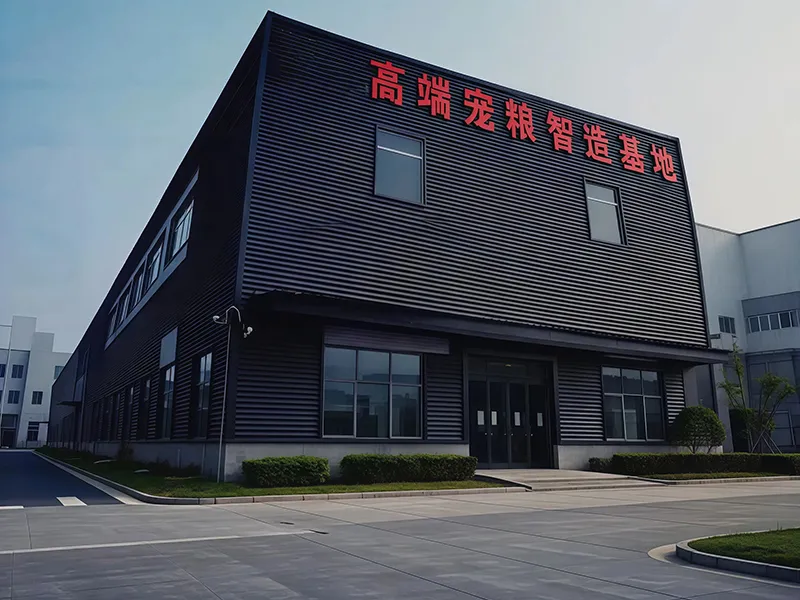
You have new problems in pet food packaging as the market gets bigger. The market will be worth USD 14.38 billion in 2026. It will keep growing at a steady pace. You need to pick packaging that keeps petfood safe. It must meet safety rules and follow new global laws. Many pet owners want flexible packaging and materials that can be recycled. Almost 70% like products with eco-friendly features. Your packaging shows what your brand stands for. It helps customers trust your brand.
Key Takeaways
Pick flexible packaging to use less space and lower shipping costs. It makes your brand easy to notice and keeps food good for longer.
Think about using recyclable and compostable materials. Customers want eco-friendly choices. This helps people trust your brand and is good for the planet.
Make sure your packaging follows safety rules like FDA and AAFCO. Following these rules keeps pets safe and stops legal problems.
Add clear labels and tracking codes to your packaging. This makes your product safer and easier to track. It also helps stop expensive mistakes and recalls.
Keep learning about new market trends and work with your suppliers. This helps your packaging stay new and match what customers want.
Pet Food Packaging Types
You should know the main packaging types for pet food. Each type has special benefits for dry dog food. Picking the right packaging helps keep your product safe. It also helps you follow rules and grow your brand.
Flexible Packaging
Flexible packaging is very common for pet food. You can find it as flat-bottom bags, stand-up pouches, three-side seal bags, eight-side seal bags, and shaped pouches. These use materials like PET/PE composite film and laminates. Flexible packaging from nuzoko saves space and lowers shipping costs. You can make the designs fit your brand and get more buyers.
Packaging Type | Description |
|---|---|
Flat-bottom bags | Used a lot for dry pet food, made with PET/PE composite film, stands up well on shelves. |
Stand-up pouches | Good for wet pet food and snacks, has three layers for better protection. |
Three-side seal bags | Great for small treats, made from one layer, seals tightly. |
Eight-side seal bags | Used for fancy foods, blocks oxygen and UV light, keeps food fresh longer. |
Shaped pouches | Looks different, often used for special products. |
Flexible packaging has many good points. You can use custom packaging to make your brand easy to see. Smart packaging helps track products and connect with buyers. Small, light packaging makes shipping and storage cheaper by up to 50%. Start-up waste can be as low as 70 meters, which saves over 30% compared to others. Print colors stay the same 99% of the time, so your brand looks strong. Flexible packaging keeps food fresh longer and lets you use fun designs.
Rigid Packaging
Rigid packaging includes plastic tubs, metal cans, and cardboard boxes. These protect dry dog food from getting damaged when shipped or stored. Rigid packaging makes your brand look good and can be used again. You can stack rigid packaging easily, which helps with moving products.
Packaging Type | Advantages | Disadvantages |
|---|---|---|
Flexible Packaging | Costs less, ships for less, takes less space, lets you use cool designs, shows off the product, keeps food fresh longer, lowers transport pollution | Not as strong, harder to recycle, not easy to use again, can break if poked |
Rigid Packaging | Protects food, makes your brand look good, cuts landfill waste, can be used again, stacks well | Costs more to ship, takes more space, uses more energy to make, not as many design choices |
You need to think about the good and bad sides of both types. Flexible packaging is cheaper and takes less room. Rigid packaging protects food better and can be used again. Nuzoko has both types to help you pick what works best.
Recyclable Materials
Recyclable packaging is becoming more popular for pet food. Most pet food bags in the United States cannot be recycled and go to landfills. Recycle-ready bags are starting to show up. These bags can be recycled with polyethylene. They are not common yet, but more will come soon. Nuzoko works with partners around the world to make recyclable and sustainable packaging.
You can pick recyclable materials to help the planet and make buyers happy. Compostable packaging is another choice for eco-friendly brands. Recyclable packaging helps you lower harm to the environment and build trust with customers.
Barrier Properties
Barrier properties matter a lot for dry dog food packaging. Packaging keeps your food safe from moisture, oxygen, light, and pests. Good barrier protection makes food last longer and stay good. You need packaging that stops fats and oils from going bad. Barrier packaging keeps vitamins and important fatty acids safe.
Environmental Factor | Effect on Dry Dog Food |
|---|---|
Oxygen | Makes food go bad and lose nutrients |
Moisture | Causes mold and makes food unsafe |
Light | Breaks down vitamins and fats faster |
High-barrier packaging from nuzoko helps keep your food safe and good. You can use packaging with strong barriers to protect your pet food and meet world standards.
Tip: Pick packaging with strong barriers to make food last longer and keep it safe.
You need to choose packaging that fits your brand, product, and market. Nuzoko helps OEM brands with flexible and rigid packaging, recyclable materials, and strong barriers. You can make a packaging plan that follows trends and makes buyers happy.
Sustainable Packaging Solutions
Eco-Friendly Materials
Pet food packaging is changing to use eco-friendly materials. Many brands pick recyclable and biodegradable materials. Pet owners want to help the planet. Paper and paperboard are used the most. These materials are light and easy to change. Flexible packaging uses biodegradable films and PCR materials. This type is getting more popular. Rigid packaging uses recycled plastics to meet green goals. Nuzoko follows world rules and works with partners. They offer packaging that meets quality and safety needs.
Material Type | Cost-Effectiveness | Performance Attributes |
|---|---|---|
Paper and Paperboard | High | Lightweight, customizable, eco-friendly |
Biodegradable Films | Moderate | Flexible, integrates with PCR materials |
Rigid Packaging | Moderate | Designed for sustainability, incorporates recycled plastics |
Compostable and Biodegradable Options
You can pick compostable or biodegradable packaging for petfood. Compostable packaging breaks down into safe organic matter. It does not leave harmful chemicals behind. Biodegradable packaging breaks down naturally. It may leave microplastics. Compostable materials need special heat and humidity to break down fast. Biodegradable materials break down in many places but take longer. All compostable materials are biodegradable. Not all biodegradable materials are compostable.
Feature | Biodegradable | Compostable |
|---|---|---|
Definition | Can be broken down by microorganisms into natural compounds. | Disintegrates into non-toxic elements at a rate similar to organic materials. |
Breakdown Time | Undetermined time to decompose. | Decomposes within a specific timeframe under certain conditions. |
Environmental Impact | May leave behind microplastics or other residues. | Leaves no plastics or harmful chemicals, resulting in organic matter. |
Conditions Required | Varies; can break down in various environments. | Requires specific conditions like humidity and heat for effective composting. |
Tip: Compostable packaging helps you reach green goals and build trust with buyers who care about the planet.
Market Trends in Sustainability
Sustainable packaging is becoming more important in pet food. Companies use recyclable, biodegradable, and mono-material solutions. Recyclable flexible films and paper bags are used more often. OEM brands create new packaging to meet what buyers want. The market for sustainable packaging grows by 7.7% each year. Brands follow rules and meet customer needs. Nuzoko leads with light and strong packaging. Their models protect food and help the planet.
Note: You can choose packaging that fits your brand and helps the planet. This lets you balance cost and environmental impact.
Product Safety and Compliance
Regulatory Requirements
You have to follow strict rules for pet food packaging. These rules keep pets safe and help you avoid trouble with customs. Nuzoko follows FDA, AAFCO, ISO, and global import rules. You should check every packaging choice to make sure it follows the rules. Product safety starts with meeting these standards. You must use packaging that stops petfood from getting dirty. You also need to follow safety rules in each country you sell in. Packaging safety is not just about what it is made of. It also includes how you seal, store, and ship your products.
Tip: Always check the newest rules before picking packaging for new markets.
Quality Assurance Standards
You need to test your packaging and products to keep quality high. OEM brands use AAFCO nutrient profiles to make sure ingredients are right. They test raw materials and finished products to check nutrient levels. Perfection Pet Foods follows Safe Quality Foods (SQF) standards to keep food safe. You should use quality checks at every step. This helps you find problems early and keep products safe.
You need to check ingredients for safety.
You need to test finished products for quality.
You need to use strict standards to keep product safety strong.
Labeling and Traceability
Labeling and traceability help you track products and keep them safe. You must use labels that show important information. Tamper-evident labels protect your products. Indicators warn you about bad storage. Tracking codes help you meet food safety rules. Good labeling stops expensive mistakes.
Benefit | Description |
|---|---|
Lets you watch goods as they move through the supply chain. | |
Automation | Makes loading, unloading, and inventory easier. |
Reduction of errors | Lowers mistakes in labeling and inventory management. |
Greater visibility | Makes things clearer and helps you follow rules. |
A small mistake in labeling can cause big recall problems.
Relabeling costs can go up fast if you find mistakes after import.
Good labels before shipping help you avoid warehouse holds and inventory quarantine.
You need packaging that lets you use clear labels and tracking. This keeps products safe and helps you follow rules in every market.
Branding and Design in Packaging
Customization and Messaging
You can change packaging to make your brand strong. OEM manufacturing lets you control how your packaging and formula look. This means you can make special products and charge more. Nuzoko helps with OEM and ODM branding. They help you design packaging that stands out. Customization helps your brand look different. You can pick colors, logos, and messages that fit your brand. Small changes in design can bring new customers. Packaging shows what your brand believes. It affects what buyers think. Many people buy products that match their own values. Using sustainable packaging can help you reach buyers who care about the planet.
Feature | OEM | ODM |
|---|---|---|
Customization | Full customization available | Limited customization |
IP Ownership | Yes | No |
Supply Chain Flexibility | High | Lower |
Time to Launch | 90–120 days | 30–45 days |
Upfront Investment | Higher | Lower |
OEM lets you make your brand special and charge more.
Customization is key for making your brand stand out.
People like products that are personal and good for the planet.
Transparency Features
Being open helps buyers trust you. You can add windows so buyers see the food inside. Showing natural ingredients meets the need for healthy choices. Ingredient transparency and clean labeling tell buyers what is in the product. Smart packaging uses QR codes and digital tracking. Buyers can scan codes to learn about nutrition and safety. These features show you care about quality and honesty.
Transparency Feature | Description |
|---|---|
Windows on Packaging | Lets buyers see the actual food product inside, fostering trust and accountability. |
Highlighting Natural Ingredients | Shows natural ingredients to meet demand for healthier options. |
Ingredient Transparency and Clean Labeling | Lists ingredients precisely and comprehensively, addressing buyer concerns. |
Smart & Connected Packaging | Uses QR codes and digital tracking to enhance transparency and trust in ingredients. |
Functional Design Elements
Functional design makes packaging work better and keeps buyers happy. You can use eco-friendly materials like biodegradable plastics and recycled paper. Smart packaging uses QR codes for product info and marketing. E-commerce packaging is strong and can handle shipping. Nuzoko helps you make packaging that protects pet food and keeps it fresh. You can add features that make packaging easy to open and reseal. These features keep food safe and help your packaging plan.
Trend | Description |
|---|---|
Sustainability | Eco-friendly materials like biodegradable plastics and recycled paper are increasingly popular. |
Smart Packaging | Technology integration, such as QR codes, provides detailed product information and marketing data. |
E-Commerce Optimization | Durable packaging designed to withstand handling during shipping enhances customer satisfaction. |
Tip: Use packaging design to build trust, show your brand’s values, and make products last longer.
Supply Chain Integration for Petfood
Automation Compatibility
You need packaging that works with new machines. Automation lets you pack dry dog food faster. It also helps you make fewer mistakes. Many companies use case packers and robots to seal bags. These machines handle different shapes and sizes. Pouch filling systems fill bags quickly and accurately. Bulk feeders and weigh stations keep things moving smoothly. Labelers help you track each bag. Matching packaging to machines stops jams and slowdowns. Nuzoko’s facility supports many kinds of automation. You can grow production without big changes.
Tip: Pick packaging that fits your machines and future plans. This keeps your supply chain strong and flexible.
Logistics and Storage
Your packaging affects how you ship and store pet food. You want materials that stay strong and stop leaks. Flat-bottom bags and rigid containers stack well. They save space in trucks and warehouses. Gusseted bags ship flat and expand on shelves. This makes them space-efficient. Choose packaging that works with your filling machines. This helps you avoid delays.
Consideration | Description |
|---|---|
Material Selection | Use PET or HDPE for strength and leak resistance. |
Design for Storage | Flat-bottom containers stack safely during shipping and storage. |
Compatibility with Equipment | Pick containers that fit your machines to prevent jams. |
Space Efficiency | Gusseted bags ship flat and expand on shelves. |
Protection in Transit | Impact-resistant materials prevent crushing and damage. |
Barrier Properties | Barrier films keep out moisture, oxygen, and light for freshness and safety. |
Temperature Considerations | Use heat-resistant or freeze-safe containers for special storage needs. |
Retort packaging helps food last longer without preservatives. It sterilizes the food and the container. This makes food safer and cuts waste during transport.
Reducing Waste
You can cut waste by picking smart packaging. Many pet owners want eco-friendly packaging. OEM brands use recyclable and biodegradable materials in billions of units each year. Retailers have cut plastic use by 20% in four years. Smaller packages and portion packs also help reduce waste. Nuzoko’s logistics system delivers the right amount of product. This means less leftover packaging.
Use recyclable or compostable materials to meet customer demand.
Work with suppliers to design packaging that uses less plastic.
Choose packaging sizes that match how much customers use at one time.
Note: Cutting waste saves money and helps the planet. It also makes your brand more attractive to buyers who care about sustainability.
You make your supply chain better when you treat packaging as part of your whole process. Early supplier involvement and open communication help you avoid mistakes. This supports fast market growth. Nuzoko’s approach lets you focus on your brand while experts handle packaging and logistics.
Continuous Improvement in Packaging
Monitoring Trends
You have to watch new trends to stay ahead. OEM brands use machines to collect data about packaging. This data helps you make fast choices and improve quality. You can change products to fit what buyers want. If you let others make your products, you can focus on marketing. OEMs like nuzoko have lots of experience making products. They help you make new packaging and stand out. You can use remote tools to watch packaging work and keep quality high.
Changing products helps you meet what buyers want.
OEMs help you make new ideas and stay ahead.
Supplier Collaboration
Working with suppliers makes packaging better and more creative. You can join programs like the Packaging Pledge to help the planet and cut waste. Working together lets you meet experts and learn new things. You can share good ideas and learn from others. Nuzoko works with suppliers around the world to make packaging that meets world rules. You get new materials and designs that help the planet.
Working with suppliers helps you use green packaging.
Sharing ideas makes packaging plans better.
Working together helps you reach green goals.
Quality Audits
Quality checks keep packaging safe and strong. You must follow rules for pet food packaging. Makers use safety programs to find and fix risks. Audits check suppliers, ingredients, and how things are made. An SQF audit checks your food safety code and how you manage it. The auditor follows products through the factory and checks all papers. You need to look at rules and records for safety plans. These checks make sure your packaging is safe and protects your brand.
Audit Step | Purpose |
|---|---|
Supplier Review | Checks ingredient and material quality |
Hazard Management | Finds and controls safety risks |
SQF Audit | |
Documentation Review | Checks safety plans and steps |
Tip: Doing regular checks helps you keep quality high and follow new rules.
Getting better at packaging means you must watch trends, work with suppliers, and do quality checks. Nuzoko’s research and teamwork help you do well for a long time. You can change your packaging plans to meet new needs and keep your products safe.
You can make dry dog food packaging better by hearing what pet owners want. Try to improve the features of your product. Work with packaging experts to find ways to help the planet. Use new materials to make things work faster and easier. Stay up to date with quick label printing and safe coatings that follow the rules. When you pick partners, check if they can test products well and show how their supply chain works. Nuzoko helps you reach your goals with strong sourcing and shipping support. Keep learning new things and changing your plans to stay ahead in 2026.
FAQ
What packaging types work best for dry dog food?
You can pick flexible bags, rigid containers, or recyclable materials. Flexible packaging takes up less space and costs less money. Rigid packaging keeps food safe and is easy to stack. Recyclable packaging is good for the planet and makes buyers happy.
How do you meet global safety standards?
You need to follow FDA, AAFCO, and ISO rules. Always check packaging to make sure it is clean. Use clear labels and tracking codes on every package. Nuzoko gives you tested packaging that meets these rules.
Why is sustainable packaging important?
Sustainable packaging helps cut down waste and stops pollution. Buyers trust brands that care about the earth. Using eco-friendly and compostable materials helps you follow new trends and rules.
How does packaging affect supply chain efficiency?
Packaging that fits machines and stacks well makes work faster. You can save money on shipping and make less waste. Nuzoko’s facility uses automation and helps with shipping everywhere.
Can you customize packaging for your brand?
You can pick your own colors, logos, and messages. Custom packaging makes your brand easy to spot. Nuzoko has OEM and ODM options for special designs and quick launches.