

You want the best for your dog, so you worry about dry dog food safety. Most dry dog food is safe when you choose trusted brands and manage it correctly. Problems can happen if you do not watch for risks like storage mites, harmful bacteria, rancid fats, or mycotoxins. These can cause health issues for your dog. Store your petfood in airtight containers and keep it cool and dry. By understanding pet food safety and checking for signs of spoilage, you help protect your dog’s health every day.
Common risks include:
Storage mites
Salmonella and E. coli
Rancid fats
Mycotoxins
Key Takeaways
Pick brands you trust for dry dog food. This helps lower the chance of bad bacteria and toxins.
Keep dry dog food in containers that close tightly. Put them in a cool and dry spot. This stops the food from going bad or getting dirty.
Check your dog’s food often for changes in smell, color, or feel. This helps you spot food that is spoiled.
Watch for signs your dog is sick, like throwing up or skin issues. These signs may mean the food is not safe.
Learn about pet food recalls and safety warnings. This keeps your dog safe and healthy.
Is Dry Dog Food Safe?
You want to know if dry dog food is safe. Most dry dog food follows strict safety rules. But you should learn about the main risks. This helps you keep your pet healthy.
Main Safety Concerns
Dry dog food can have some safety problems. Some common worries are:
Bacterial contamination like Salmonella or E. coli
Fungal growth that makes mycotoxins
Chemical leftovers from making or storing the food
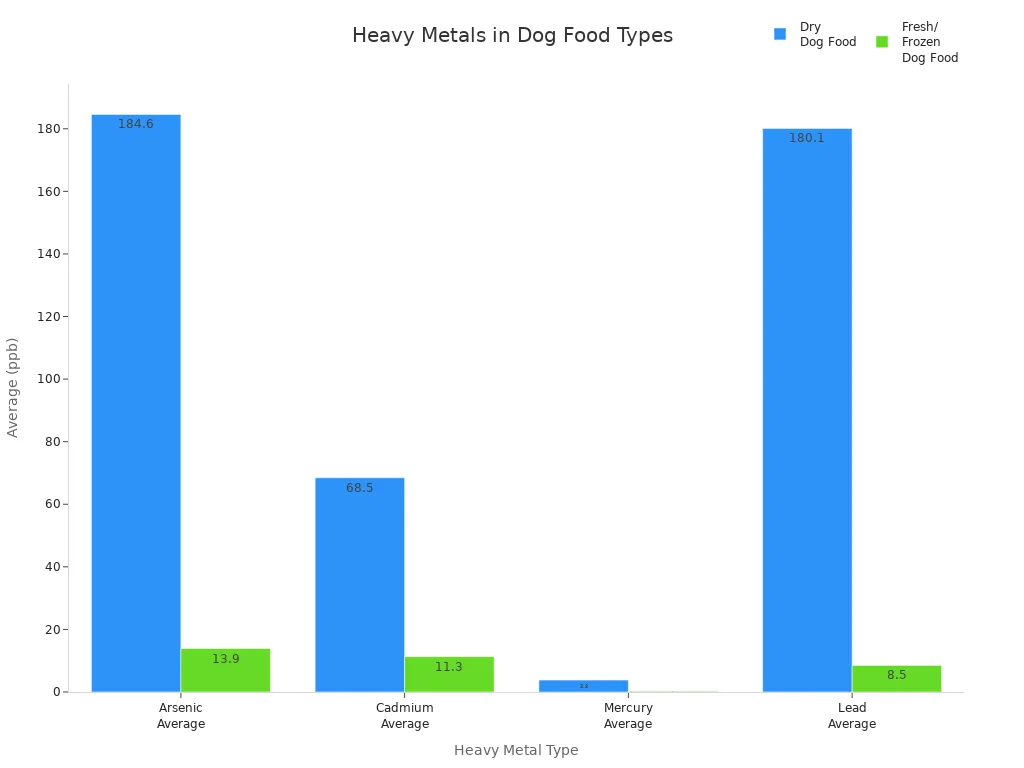
You might wonder how dry dog food compares to other types. Studies show dry dog food can have more heavy metals than fresh or frozen food. Check the table below to see the difference:
Heavy Metals (in ppb) | Dry Dog Food | Fresh/Frozen Dog Food | Human Consumables |
|---|---|---|---|
Arsenic Average | 184.6 | 13.9 | N/A |
Cadmium Average | 68.5 | 11.3 | N/A |
Mercury Average | 3.8 | 0.2 | N/A |
Lead Average | 180.1 | 8.5 | N/A |
Tip: Always check where your dry dog food comes from. Make sure it is good quality to lower these risks.
Factors That Affect Safety
Many things can change how safe dry dog food is. How companies make and store the food is important. Good brands follow strict rules to protect pets. In the United States and Europe, some groups watch over pet food safety:
Agency | Role |
|---|---|
Main group that checks pet food, does inspections, and approves additives. | |
State Departments of Agriculture | Checks pet food, registers products, and looks into complaints. |
AAFCO | Makes nutrition rules but cannot enforce them. |
USDA | Checks meat for people, but only watches pet food a little for exports. |
You should pick brands that use clean ways to make food and follow HACCP steps. These actions help keep dry dog food safe from germs and toxins. When you buy food from trusted brands, you help keep your dog safe.
Common Dry Dog Food Quality Issues
Bacterial And Fungal Contamination
You need to look out for germs in dry pet food. Some germs are bacteria like Salmonella and E. coli. These can make your dog sick. Bacteria can get into food when it is made or stored. Fungi can also grow in dry food. Fungi make mycotoxins, which are bad chemicals. Mycotoxins show up more often than you think. Studies say most dry dog food has some mycotoxins. In one study, 75% of grain-based dry dog food had more than one kind of mycotoxin. Another study found 9 out of 12 grain-based foods had at least one Fusarium mycotoxin. These toxins can hurt your dog’s liver, kidneys, and immune system.
Storage mites can also cause problems. These tiny bugs like warm, wet places. They can carry bacteria or fungi. If you see dust or tiny moving dots in your dog’s food, you might have storage mites. Always keep dry pet food in a cool, dry spot. This helps stop germs and storage mites from growing.
Toxic Metals And Chemical Residues
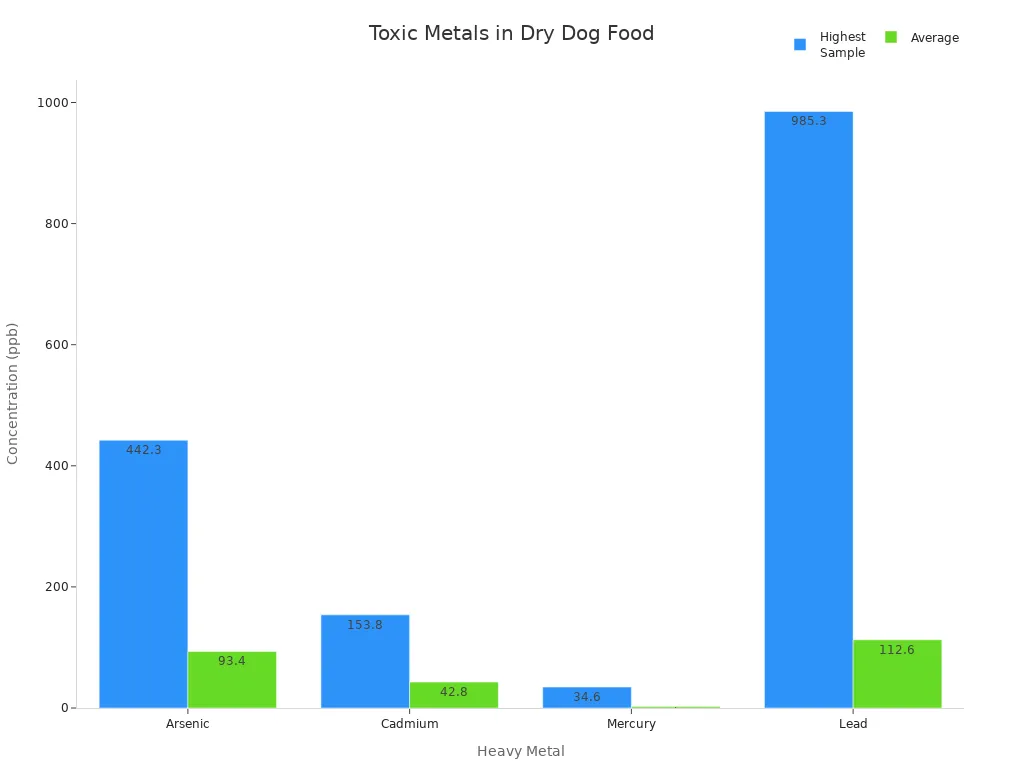
Toxic metals can build up in dry dog food. Some ingredients have metals like arsenic, cadmium, mercury, and lead. These metals can get in from soil, water, or machines. The table below shows the highest and average levels in dry pet food:
Heavy Metal | Highest Sample (ppb) | Average (ppb) |
|---|---|---|
Arsenic | 442.3 | 93.4 |
Cadmium | 153.8 | 42.8 |
Mercury | 34.6 | 2.4 |
Lead | 985.3 | 112.6 |
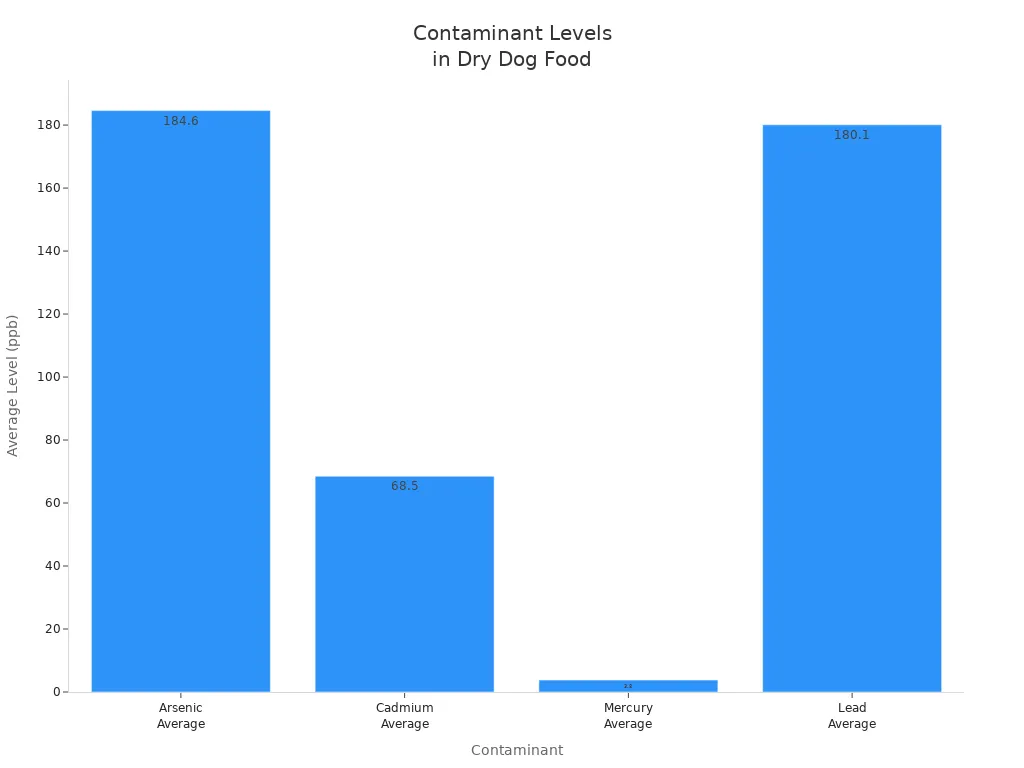
Dry pet food can also have chemical leftovers. These can be pesticides or cleaning stuff from making the food. The next table shows how much more toxic metals are in dry dog food compared to human food and fresh or frozen dog food:
Contaminant | Dry Dog Food (ppb) | Comparison to Human Consumables | Comparison to Fresh/Frozen Dog Food |
|---|---|---|---|
Arsenic Average | 184.6 | 5.7x more | 13.3x more |
Cadmium Average | 68.5 | 3.2x more | 6.1x more |
Mercury Average | 3.8 | 2.7x more | 20.7x more |
Lead Average | 180.1 | 12.7x more | 21.2x more |
If your dog eats these metals for a long time, it can hurt their health. Problems can be kidney damage, nerve problems, or weak immunity. Pet food makers must check for these metals and chemicals to keep food safe.
Nutrient Loss In Processing
High heat kills germs in dry pet food. But it can also lower nutrients. When food is cooked at high heat, some vitamins and amino acids break down. This means your dog might not get all the nutrients on the label. For example, vitamin C and some B vitamins do not handle heat well. Over time, missing nutrients can hurt your dog’s energy, coat, and immune system.
You can help by picking brands that use gentle cooking or add nutrients after cooking. Nuzoko uses good standards and new technology to keep nutrients safe. Their science-based nutrition helps your dog get the best food.
Physical Contaminants
Sometimes dry pet food has things that should not be there. These can be plastic, metal, or bone pieces. Recalls happen when companies find plastic from broken machines or metal from equipment. Big or sharp bone pieces can be dangerous. Here are some examples of things found in recalls:
Plastic pieces from broken machines
Metal bits from equipment
Bone pieces that are too big or sharp
Storage mites or bug parts
Salmonella or Listeria found by the FDA
Always check your dog’s food for weird shapes, colors, or textures. If you see something strange, stop feeding it and call the company. Keep dry pet food in airtight containers and away from water. This helps stop germs and storage mites.
Tip: Pick dry pet food from trusted brands like nuzoko. They focus on quality and follow rules to lower the risk of germs, mycotoxins, and physical hazards.
Recognizing Unsafe Dry Dog Food
Odor, Color, And Texture Changes
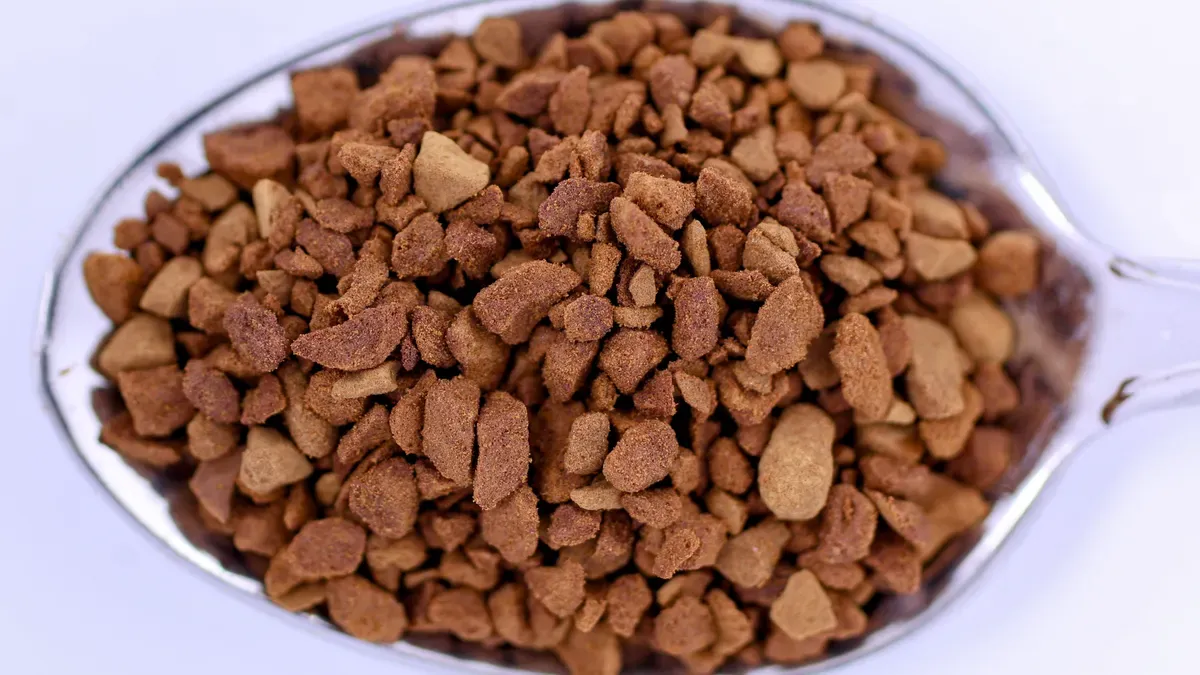
You can spot food safety risks by checking your dog’s kibble for changes. If the food smells sour, musty, or rancid, it may not be safe. Look for odd colors or faded pieces. Sometimes, dry dog food feels sticky or crumbly instead of firm. These changes often mean the food has spoiled or lost quality. Always trust your senses. If something seems off, you should not feed it to your pet.
Signs Of Mold Or Infestation
Mold and bugs show clear food safety risks. Mold appears as green, white, or black spots. You might see fuzzy patches or powdery growth. Bugs like storage mites or beetles can hide in the kibble. If you notice tiny moving dots or webbing, the food is unsafe. Mold and bugs grow faster in warm, damp places. Keep your dog’s food dry and cool to protect their health.
Packaging And Expiry Issues
You must check the packaging and expiry date to avoid food safety risks. Once you open a bag, use the food within four to six weeks. The original use-by date no longer applies. Exposure to air, sunlight, heat, or moisture speeds up spoilage. Defective packaging lets in moisture and air, which increases the risk of rancid fats, bacteria, and fungi. Always seal the bag tightly and store it away from heat.
Opened bags lose freshness quickly.
Expired food can cause food safety risks.
Damaged packaging increases contamination.
Pet Health Symptoms
Unsafe dry dog food can affect your dog’s health. Watch for signs like vomiting, loose stool, constipation, or excessive gas. Itchy skin, recurring ear infections, and hair loss may also appear. Your dog might have a dull coat, unexplained weight changes, low energy, or changes in appetite. Coughing, weakness, and exercise intolerance are other warning signs. If you notice these symptoms, stop feeding the food and contact your vet.
Vomiting or diarrhea
Skin problems or hair loss
Weight gain or loss
Low energy or weakness
Tip: Always check for food safety risks before feeding your dog. Quick action keeps your pet’s health safe.
Safe Storage And Handling Of Dry Pet Food
Best Storage Practices
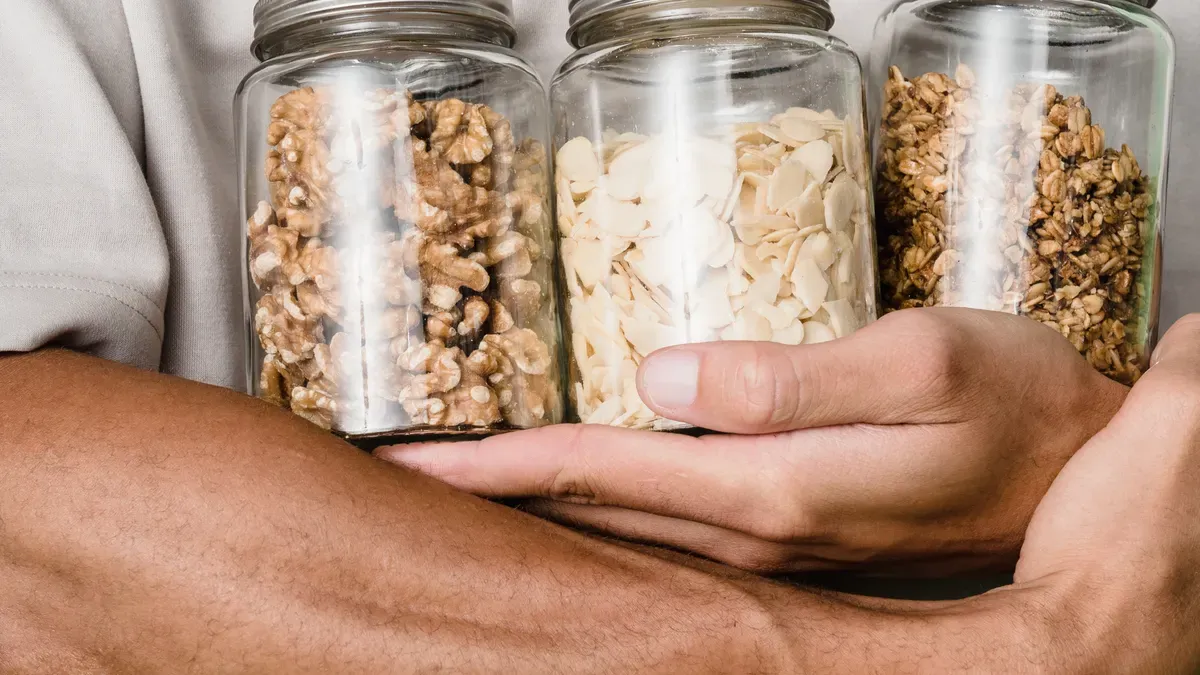
You can keep your dog’s food safe and fresh by following a few simple steps. Always store dry dog food in a cool, dry place. Heat and moisture can break down nutrients and cause spoilage. Try to keep the temperature below 80°F. Use airtight containers to protect the food from air, moisture, and pests. For extra safety, place the original bag inside the airtight container. This double layer helps keep fats from going rancid and slows down oxidation. The original bag also has important information like the expiration date and batch number.
Tip: Roll down the edges of the bag, secure them with a clip, and then put the whole bag into the airtight container for the best protection.
Check your storage area for signs of pests or dampness. Clean the storage bin regularly to remove any leftover crumbs or oils that could attract bugs or mold.
Handling And Serving Tips
Good handling habits help prevent contamination. Wash your hands with soap and hot water for at least 20 seconds before and after touching your dog’s food. Always use a clean scoop or cup to measure out kibble. Do not use your dog’s food bowl as a scoop. Clean your dog’s bowls and utensils with soap and hot water after every meal. These steps lower the risk of spreading bacteria or mold.
Note: Avoid mixing old food with new food in the same container. Use the oldest food first to keep everything fresh.
Monitoring Freshness
You should check your dog’s food often to make sure it stays safe. Look at the expiration date before you serve each meal. Watch for changes in smell, color, or texture. Musty odors, greasy residue, or visible mold are signs the food is no longer safe. If you notice anything unusual, stop using the food right away.
Store food in its original packaging or an airtight container.
Keep it away from sunlight and heat.
Check for spoilage signs every week.
By following these steps, you help protect your dog from foodborne illness and keep their meals safe and nutritious.
Pet Food Safety Standards And Manufacturer Practices
Quality Control In Petfood Production
You want to know how brands keep dry dog food safe. They follow strict rules in the factory. Clean factories, trained workers, and good machines help stop germs. Brands use plans like haccp to find risks and set up checkpoints. These checkpoints catch problems early. Workers test for bacteria, toxins, and other bad things often. You can trust brands that do these steps because they keep your pet safe from hidden dangers.
Here is a table showing common certifications and what they mean for pet food safety:
Certification | Purpose | Requirements | Applicability |
|---|---|---|---|
HACCP | Finds and controls risks in food production. | Hazard analysis, critical control points, verification. | Global standard for pet food. |
ISO 22000 | Manages food safety risks. | Hazard identification, supply chain communication. | Worldwide, often needed for exports. |
GMP | Keeps production consistent and clean. | Facility hygiene, staff training, equipment care. | Required for pet food. |
FSSC 22000 | Adds extra safety steps to ISO 22000. | Covers manufacturing, packaging, storage. | Recognized by GFSI. |
FDA Compliance | Sets safety rules for U.S. pet food. | Ingredient approval, facility checks. | Mandatory in the U.S. |
AAFCO Compliance | Sets nutrition and labeling rules. | Nutrition statements, proper labels. | Needed for U.S. sales. |
Certifications And Testing
Certifications show which brands follow safety rules. Look for labels like ISO 22000, GMP, and FSSC 22000. These mean the company checks for dangers and keeps records. Brands must test for bacteria, toxins, and nutrients often. Testing finds problems before food gets to your pet. You can ask brands for proof of their certifications and test results. This helps you feel sure about your dog’s food.
Ingredient Sourcing With Nuzoko
Where ingredients come from matters for your dog’s health. Nuzoko checks all suppliers before buying anything. They keep records so you can see where each ingredient comes from. Nuzoko uses supplier checks and haccp plans to make sure every batch is safe. They test finished food for germs and nutrients. You can ask Nuzoko for nutrient levels or test results. This honesty helps you trust what you feed your dog.
Tip: Always pick brands that show where ingredients come from and test their food often. This keeps your pet safe and their food healthy.
You help keep your pet healthy by learning about dry dog food safety. You should check your dog’s food for changes in smell, color, or texture. Safe storage is important to stop food from going bad. Picking trusted brands like nuzoko helps your pet stay healthy for a long time. Good pet food can stop serious health problems and help with digestion. It also gives your dog the nutrients they need. Stay up to date on pet food recalls by checking FDA and AVMA alerts. Make a checklist to watch your pet’s food safety at home. The table below shows new trends in the pet food industry:
Key Takeaway | Evidence |
|---|---|
Economic Impact | The pet food industry reported $51.7 billion in sales in 2024 and purchased $13.2 billion in farm products for ingredients. |
Sustainability | In 2024, over 3 million tons of upcycled ingredients were used in dog food, showcasing efforts to reduce waste. |
Premium Ingredients | Demand for premium ingredients surged, with marine ingredients increasing by 95% and meat and poultry by 34%. |
Good ingredients help stop serious health problems like canine dilated cardiomyopathy (DCM).
A premium diet can lower stomach and skin problems from allergens and fake additives.
The right nutrition from trusted brands fills gaps and helps bones, joints, and the immune system stay strong.
Tip: Watch for news from brands, stores, and the Food Standards Agency to keep your pet safe.
FAQ
What are the main food safety hazards in dry dog food?
You face risks like bacteria, mold, and toxic metals. These hazards can harm your dog’s health. Always check the food for signs of spoilage and store it in a cool, dry place.
How do common contaminants get into finished dry pet foods?
You may find contaminants from poor storage, dirty equipment, or low-quality ingredients. These include plastic, metal, or bone fragments. You protect your dog by choosing trusted brands and checking food before serving.
Can pathogens survive in dry dog food?
You should know that some pathogens, such as Salmonella or E. coli, can survive in dry dog food. Proper storage and handling help reduce these risks and keep your pet safe.
What is cross-contamination and how can you prevent it?
Cross-contamination happens when germs spread from one surface to another. You prevent it by washing your hands, using clean scoops, and keeping food bowls separate from storage containers.
Why do opportunistic bacteria pose a risk to your dog?
Opportunistic bacteria grow when food is exposed to moisture or heat. You lower the risk by storing food in airtight containers and checking for changes in smell or texture.



