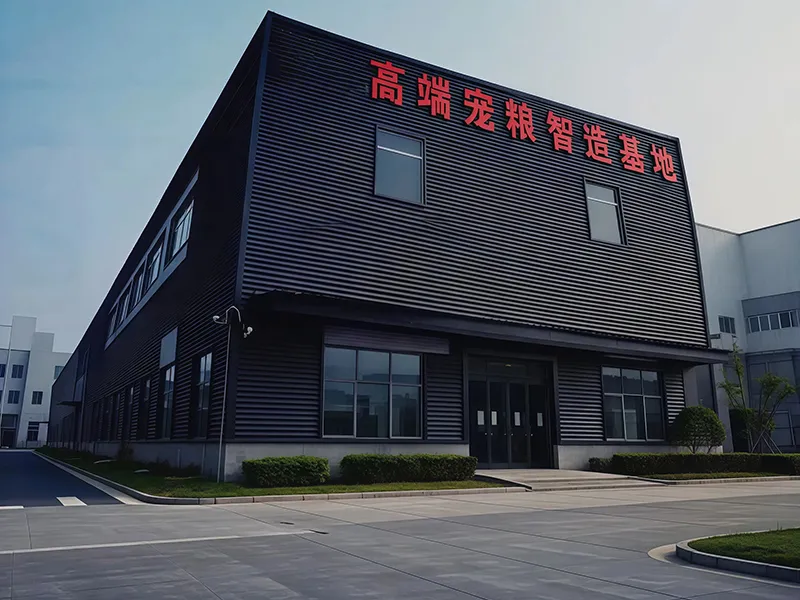
You care about what goes into your pup’s bowl. Many pet owners share your concern about petfood safety and quality. While 85% feel safe when preparing pet food, some still feel uncertain about how it is made and tested. At nuzoko, you can trust that science guides every step. Strict checks help ensure only the best nutrition reaches your pet.
Key Takeaways
Learn why nutritional analysis matters. It helps make sure your pet’s food has the right nutrients.
Check for safety by finding contamination tests. These tests look for bad bacteria and toxins in pet food.
Make sure the ingredients are checked with trusted methods. This helps you know the food matches its label and is safe for your pet.
Find GMP certification on pet food labels. This shows the brand follows strong quality and safety rules.
Keep pet food in airtight containers. This keeps it fresh and stops it from going bad.
Petfood testing basics
Nutritional analysis methods
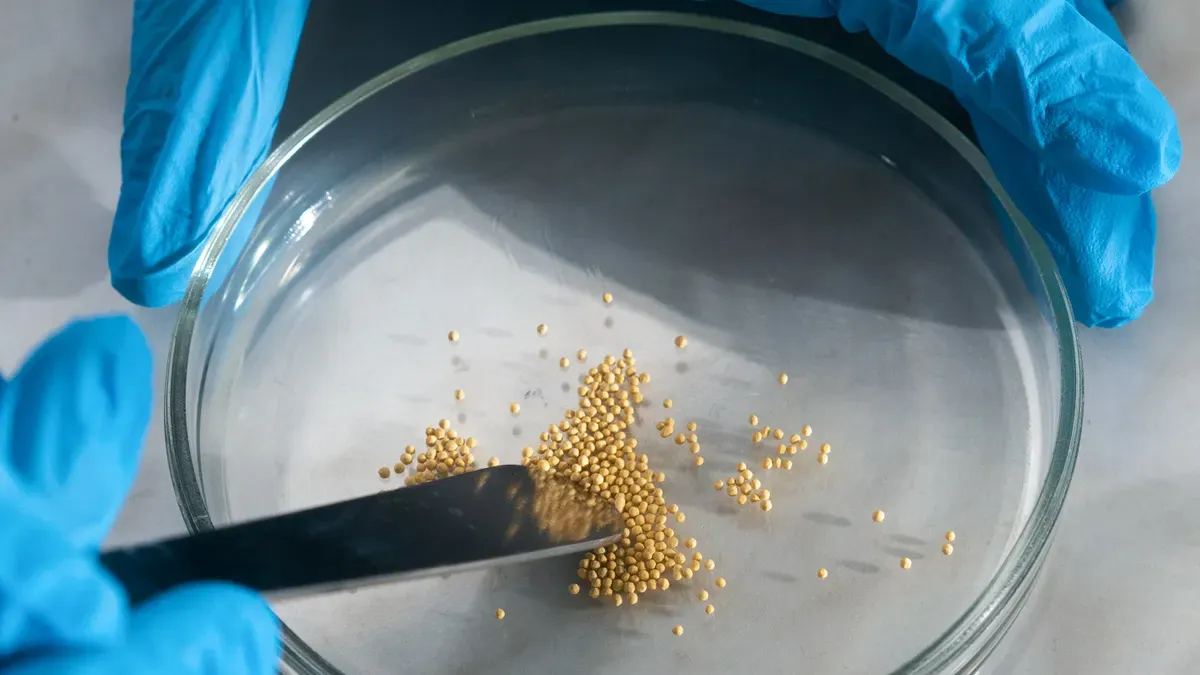
You want your dog to eat healthy food. Nutritional analysis methods help check if pet food is good for your dog. These methods make sure the food has the right nutrients listed on the label. Each batch gets tested for protein, fat, fiber, and moisture.
Nutritional testing checks if pet food has the right nutrients.
Tests look at protein, vitamins, minerals, and other important nutrients.
Laboratory analysis checks the nutrition in pet food, like protein, fat, fiber, and moisture.
Following industry rules helps people trust the food.
Nuzoko uses special lab tools to test every recipe. This makes sure your pet gets what it needs to grow and stay healthy. By using international rules, nuzoko builds trust and helps your pet feel good.
Contamination and safety checks
Keeping pet food safe is very important. You want to know your pet’s food does not have anything harmful. Testing looks for bacteria, molds, and toxins that can hurt your dog. Microbiological screening checks for bad bacteria like Salmonella and E. coli. Chemical analysis finds toxins and checks for other dangerous things.
Some common contaminants in pet food are:
Microbial contaminants like Enterobacteriaceae
Salmonella
Molds that make mycotoxins
Labs use different ways to find these problems. The table below shows how experts test for different microbial contaminants:
Microbial Contaminant | Detection Method | Description |
|---|---|---|
Salmonella | Isolation | Two-step enrichment process with incubation in Buffered Peptone Water followed by plating on selective media. |
L. monocytogenes | Enrichment | Incubation in Buffered Peptone Water and plating on Palcam agar to identify colonies. |
Clostridium | Dilution and Plating | Samples diluted and plated on Blood Agar Base, incubated anaerobically to observe colony characteristics. |
Nuzoko uses science and follows world rules to keep food safe. You can feel sure about the quality of every product.
Ingredient verification steps
You want to know what is in your pet’s food. Ingredient verification steps help you trust the label and the food’s quality. Suppliers use outside tests to check if ingredients are real. Labels must be correct, and wrong labels can make food unsafe.
Here are the main steps to check pet food ingredients:
Check if ingredients are real with outside tests.
Use DNA species identification to check protein sources.
Use chromatography and mass spectrometry to find chemical markers for certain ingredients.
Ingredient verification methods like next-generation sequencing and mass spectrometry help find mistakes between the label and what is really in the food. These methods help stop cheating or wrong labels, which is important for honesty in pet food. Good checks help make sure the food is safe and build trust.
Nuzoko uses strong controls and tracks every ingredient from supplier to finished food. This helps stop food fraud and makes sure your pet gets safe, high-quality food.
Quality assurance in pet food manufacturing
Batch and supplier checks
You want your pet food to be safe and good quality. Nuzoko uses strict rules to check every batch and supplier. Supplier audits look at how places work and keep things clean. Ingredient testing checks for bad stuff and makes sure nutrients are right. These steps help you trust what is in your pet food. You know your dog gets food that helps them stay healthy.
Supplier audits look at places and how they control quality.
Ingredient testing checks for bad things and nutrients.
Batch testing makes sure each product is safe and good.
Facility inspections and GMP
Facility inspections are important for quality assurance. Checks look at packaging, labels, storage, and how food is made. Finished products get lab tests and sensory checks. These steps help you feel sure about food safety and quality.
Key Component | Description |
|---|---|
Packaging Integrity | Checks for damage and contamination using visual and mechanical methods. |
Label Review | Verifies ingredient lists, nutrients, and expiration dates. |
Storage Monitoring | Monitors temperature and humidity to prevent spoilage and contamination. |
Documentation & Traceability | Uses SOPs and records to ensure compliance and accountability. |
In-Process Control | Checks during mixing, cooking, and packaging to maintain quality assurance. |
Finished Product Inspection | Lab testing and sensory checks confirm safety and nutritional standards. |
Good manufacturing practices set rules for making pet food. These rules help you get food that meets strict quality standards. GMP certification shows the brand follows these rules and keeps food safe.
Tip: Check for GMP certification on pet food labels. It means the brand follows strict rules for quality and safety.
Traceability and records
Traceability helps you follow pet food from making to selling. Lot tracking lets you see where ingredients and products go. Automated records link finished food to ingredients and steps. Recall execution removes bad lots fast if needed. Analytics help you find risks early and make smart choices.
Feature | Description |
|---|---|
Tracks raw materials, intermediates, and finished goods with complete lot lineage. | |
Automated Production Records | Creates digital batch records, linking goods to ingredients and processing steps. |
Recall Execution | Removes specific lots quickly without shutting down the plant. |
Analytics for Decision-Making | Shows sourcing trends and supplier performance to identify risks early. |
Traceability records are important for recalls and safety alerts. You can see how food moves through making, processing, and delivery. Mock recalls happen every six months to test the system. These steps help you feel sure your pet food is safe and meets quality standards.
How to check pet food quality at home
Reading labels and certifications
You can learn about pet food by reading the label. Start with the ingredient list. Look for whole meats or meat meals first, like chicken or beef meal. Do not pick foods with words like ‘meat by-products’ or ‘animal digest’. Choose carbs like whole grains or legumes, not fillers. Natural preservatives such as tocopherols and ascorbic acid help keep food safe.
Tip: Look for phrases like “This food is complete and balanced for adult maintenance” or “Formulated to meet the nutritional levels established by AAFCO for all life stages.” These show the food meets your pet’s needs.
Certifications help you trust the food’s quality. The table below shows two important certifications:
Certification | Description |
|---|---|
AAFCO | Makes sure pet food meets safety and nutrition rules. |
Clean Label Project | Checks products for purity and quality, making sure they are safe. |
Nuzoko gives clear labels and lists all ingredients. You can see certifications and nutrition facts on every package.
Recognizing recalls and reports
You should know about pet food recalls. Watch for news from brands and stores. Check the Food Standards Agency website for alerts. Visit your pet food brand’s website for updates. Recalls can happen because of toxins, mold, Salmonella, aflatoxin, too much vitamin D, wrong labels, foreign objects, or Highly Pathogenic Avian Influenza.
Note: Nuzoko tells customers fast if there is a recall. You can count on their help and clear updates.
Storage and shelf life tips
Storing pet food the right way keeps it fresh and safe. Keep kibble in an airtight container in a cool, dark place. Throw it away after 12 weeks or if it smells bad. Unopened cans or pouches last 12-24 months at room temperature. After opening, put them in the fridge and use in 2-3 days. Freeze gently cooked food at -18°C for up to 12 months. Thaw it in the fridge overnight and use in 2-3 days. Raw food must be frozen at -18°C for 3-6 months and used within 24 hours after thawing. Treats and supplements should be in airtight containers and checked often.
Plastic containers can soak up oils and make food go bad. Old food left in containers can spoil new food. When you open a bag, air starts to break down fats and nutrients. This makes food lose quality faster. Good storage keeps food healthy and stops problems like vomiting and diarrhea.
Tip: Always use airtight containers and keep food away from humid places to protect nutrients.
Common petfood questions
Allergens and sensitivities
You want your dog to feel good every day. Some dogs have problems with certain pet food ingredients. The most common allergens in pet food are:
Beef
Chicken
Dairy
Lamb
Egg
Pork
Wheat
Rice
Soy
Fish
If your dog is sensitive to food, you may see signs like diarrhea, vomiting, too much gas, itching, red skin, hot spots, ear infections, or changes in how they act. To find the cause, try an elimination diet. Take away possible allergens from your dog’s food. Add them back one at a time. This helps you know which food causes a problem. Always check the nutrition and make sure your dog gets what it needs.
Shelf life and storage
How you store pet food affects its quality. Dry kibble stays good for 12 to 18 months. Canned pet food can last 2 to 5 years. The table below shows the average shelf life:
Product Type | Average Shelf Life |
|---|---|
Dry Kibble | 12–18 months |
Canned Pet Food | 2–5 years |
Some things can make pet food go bad faster. These include germs, chemical changes, too much water, and bad storage. Losing nutrients, bad smells, or mold can also hurt quality. To keep food safe, close bags tight, use airtight containers, and keep food away from heat and wet places. Good storage keeps food healthy and stops bad things from getting in.
What to do if issues arise
If you think something is wrong with your pet food, do these steps:
Collect all the food and health details about your pet.
Tell the FDA or your State Feed Program about the problem.
You can also ask nuzoko’s customer support for help. Nuzoko cares about quality, tracking, and control at every step. The team answers fast and follows aafco rules and world standards. Your pet’s safety and health always come first.
You want your pup to feel good and stay safe. Testing pet food is very important. The table below shows how tests help your pet:
Purpose | Health Outcome Impact | |
|---|---|---|
Microbiological Testing | Stops bad bacteria from getting in pet food | Makes pets and people less likely to get sick |
Nutritional Testing | Checks if pet food has what pets need | Helps pets stay healthy |
Contaminant Testing | Finds things like heavy metals and pesticides | Keeps pets safe from big health problems |
Strong quality rules help people trust pet food brands. You can feel sure when you pick brands like nuzoko. Always check for recalls and read labels. Your care helps your dog have a happy life. 😊
FAQ
How do you know if dog food is safe for your dog?
You check the label for clear ingredients. You look for certifications. You ask about testing. You trust brands that show traceability and accountability. You choose dog food that lists all nutrients. You watch for recalls. You store dog food in airtight containers.
What makes dog food healthy for your dog?
You pick dog food with real meat. You avoid fillers. You check for vitamins and minerals. You read the ingredient list. You choose dog food with balanced protein and fat. You look for lot-to-lot consistency. You select dog food that supports pet well-being.
How does ingredient sourcing affect dog food quality?
You want dog food made from trusted suppliers. You check where ingredients come from. You ask about ingredient sourcing. You choose dog food with strict supplier checks. You look for brands that test every batch. You select dog food with clear sourcing information.
Why is traceability and accountability important in dog food?
You need to know where dog food comes from. You want brands that track every step. You check for traceability and accountability. You choose dog food with lot tracking. You trust brands that remove unsafe batches fast. You select dog food with strong records.
How can you keep dog food fresh for your dog?
You store dog food in cool, dry places. You use airtight containers. You check expiration dates. You throw away old dog food. You refrigerate opened cans. You freeze cooked dog food. You protect dog food from moisture. You keep dog food away from sunlight.