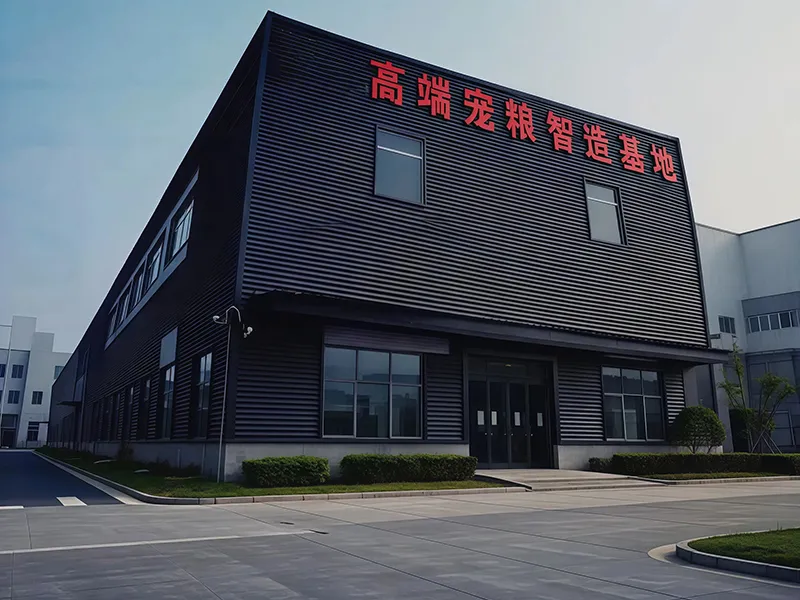
You must evaluate a pet food factory in China very carefully. First, look at the most important parts. Check what the factory can do. Look at quality control, certifications, and how much they can make. Check samples, packaging, and how they communicate with you. Use a simple checklist to evaluate a pet food factory in China. Picking a good partner like nuzoko helps you feel safe. Many people worry about toxic metal in pet food. So, you need to evaluate a pet food factory in China with strong rules. Use this table to help you evaluate a pet food factory in China for your pet:
Criteria | Description |
|---|---|
Certifications | ISO 22000, HACCP, GMP, FDA Registration/EU Compliance |
Quality Assurance | Third-party lab testing, traceability systems, regular audits |
Production Capabilities | Equipment matching product types (e.g., extrusion for dry kibble) |
Supplier Performance | Review scores, response times, on-time delivery rates |
Key Takeaways
Check what the factory can do by looking at their tools and machines. Find modern machines that make pet food safe and healthy.
Always ask for papers like ISO and HACCP. These papers show the factory follows safety and quality rules.
Look at product samples before you decide. Samples help you check quality and see if the factory fits your needs.
Pick a supplier who talks well with you. Fast answers and good help can fix problems and make your business stronger.
Work with suppliers who try new ideas and care about nature. Good partnerships can bring better products and help your business grow.
How to Evaluate a Pet Food Factory: Key Criteria
Factory Capabilities and Technology
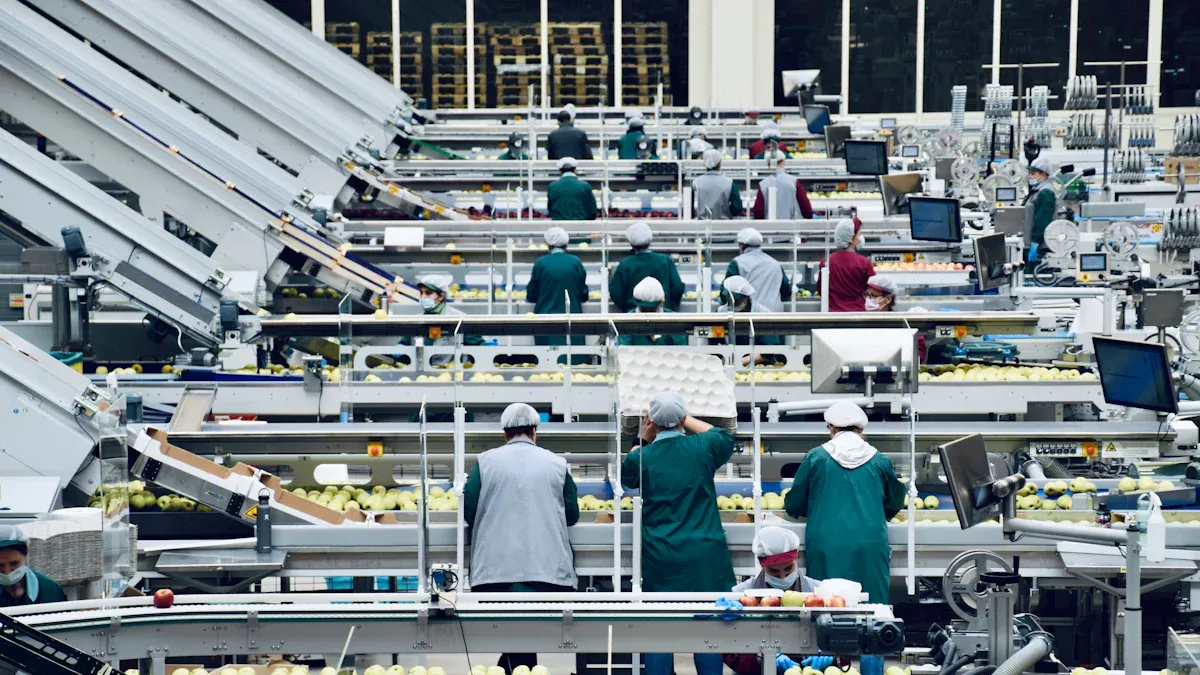
When you pick a pet food factory in China, look at their machines and technology. The pet food market in China is growing fast. Many factories use new machines to stay ahead and meet what buyers want. Good pet food makers use special machines. These machines help make every batch safe and tasty.
Here are some things to check in a modern factory:
Advanced extrusion technology helps cook food well and keeps more nutrients.
Strong and clean machines made from food-grade stainless steel do not rust and are easy to wash.
Smart systems control the whole process and help stop mistakes.
Factories can switch between different pet food types quickly.
Energy-saving machines and less waste help the factory be more green.
Factories that spend money on research and development can make new recipes and better products. They also follow safety rules more closely. This matters because the pet food market is getting bigger. More people want fancy pet food. Factories with good R&D can make new flavors and special foods for pets.
Nuzoko is a top brand in China’s pet food market. Their big factory is 26,000 square meters. It has research, production, and packaging all together. Nuzoko cares about new ideas and quality. This helps you keep up with what buyers want. You can trust their machines to help your pet food business grow.
Mold Development and Customization
You should see how a factory makes molds and custom shapes. This is important for making pet food in special shapes and sizes. The steps are:
First, the factory picks safe materials like medical-grade silicone or eco-friendly bioplastics.
Next, they design special shapes and features to make your product different.
Then, they test the design to make sure it works and looks good.
Last, they set up the machines and run a test batch to check quality.
Factories in China that are good at mold development can change fast when the market changes. This helps you sell more and beat other brands.
Facility Cleanliness and Maintenance
Clean factories are very important for pet food. You want the factory to use good materials and follow strict rules. This keeps your pet food safe and helps your business grow.
Here is a table of what to look for:
Aspect | Details |
|---|---|
Material Quality | High-grade stainless steel is easy to clean and does not rust. |
Compliance | The factory should follow ISO, CE, and FDA rules. |
Equipment Durability | Strong machines last longer and can be cleaned often. |
Maintenance Cost | Good machines break less, so you save money and keep making pet food. |
Nuzoko’s factory in China uses food-grade stainless steel and follows world rules. This helps you meet the need for safe pet food. Clean factories help you keep up with the market and stay ahead of others. You can trust your pet food will be safe and help your business grow.
Quality Control and Consistency with nuzoko
Inspection Steps and Traceability
You need strong quality control when picking a pet food factory in China. The best factories follow strict steps to keep each batch safe. You should check for these steps:
Raw material inspection looks for germs, chemicals, and nutrition.
Production process control checks temperature and moisture.
Finished product testing checks nutrition, safety, and taste.
Regulatory compliance means following AAFCO and FDA rules.
Factories in China use traceability systems to track every ingredient. This helps you know where each part of your pet food comes from. Here is how traceability works in China:
Aspect | Details |
|---|---|
Ingredient Standards and Sourcing | High-quality, natural ingredients must be traceable and come from approved suppliers. |
Safety, Quality Control | Following ISO 22000, HACCP, and GMP keeps food safe and the same every time. |
Packaging & Labeling Compliance | Labels must have ingredient lists, guaranteed analysis, and batch codes for tracking. |
Shelf Life Management | Digital inventory and clear labels for production and expiration dates are important. |
Nuzoko uses a science-based quality control process. You can trust their clear system to keep your pet food safe and steady.
Raw Material and Additive Verification
You want your pet food to start with the best ingredients. In China, top factories test all raw materials before using them. They check for safety, nutrition, and if the source is approved. This step is important for strong quality control. Nuzoko only uses trusted suppliers and tests every batch. You can feel good knowing your pet food meets high standards.
Consistency in Production
You need every bag of pet food to look and taste the same. Factories in China use advanced machines like extruders and mixers. These tools help control each step. Automation lowers mistakes and keeps the food safe. Real-time checks watch the mix and texture. Nuzoko’s factory in China uses these ways to make sure every batch is the same. You can count on them for steady pet food production.
Certifications, Compliance, and Ethical Standards
Required Certifications (ISO, HACCP, etc.)
When you pick a pet food supplier in China, check their certificates. These papers show the factory follows safety and quality rules. Most Chinese brands show their certificates to earn trust. Here is a table with the most common certificates in China’s pet market:
Certification | Description |
|---|---|
HACCP | Hazard Analysis and Critical Control Points certification ensures food safety. |
ISO | International Organization for Standardization certification indicates quality management standards. |
FDA | Food and Drug Administration certification for compliance with U.S. food safety regulations. |
You should always ask for copies of these certificates. This helps you know the factory meets world rules and can sell in many places.
Regulatory Compliance in China and Abroad
You must make sure your supplier follows all rules in China and other countries. The pet market has many rules to follow. Chinese brands that sell pet food in other countries must meet local and world laws. Here are the main steps you should follow:
Learn about China’s pet food rules like GB/T standards, GACC, and MARA.
Register your factory with GACC if you want to export.
Make sure your products meet ingredient and label rules for each place.
Get export health certificates and meet all clean rules.
Register your products with MARA and get all papers ready.
Work with a licensed importer who knows customs.
Prepare all papers for customs checks.
Build a strong team to sell in each country.
Keep up with new rules and changes in the pet market.
Nuzoko is known for following strict rules in China and other countries. This helps you sell in new places with confidence.
Ethical Audits (SMETA, SA8000)
Ethical rules are important in today’s pet market. Many buyers want to know Chinese brands treat workers well and care for the earth. You should look for factories in China that pass audits like SMETA and SA8000. These audits check for safe work, fair pay, and good sourcing. When you pick a supplier with these audits, you show buyers your pet food comes from a trusted place. Nuzoko is known around the world for good ethics and high standards. This helps you feel safe as you grow your pet business in the world market.
Production Capacity, Lead Time, and Communication
Assessing Production Capacity and Lead Time
You need to know if a factory in China can make enough pet food for you. The right amount helps you sell more and grow your business. Factories in China are different sizes. Some make small batches for new brands. Others make big amounts for export. Here is a table that shows how much factories can make in China:
Production Scale | Capacity (kg/h) |
|---|---|
Small Batch (Pilot/Startup) | 100–300 |
Medium Scale (Regional Brand) | 500–1,000 |
Large Scale (Commercial Export) | 1,000+ |
Factories in China also work hard to ship on time. Many top pet food factories are in Shandong. This place has good ports and shipping. You get your pet food faster. Where the factory is in China can save you time and money.
Evidence | Explanation |
|---|---|
Coastal manufacturers in Shandong offer better freight rates and shorter lead times for international shipments. | Location helps manage lead times. |
The concentration of the pet food industry in provinces like Shandong, Hebei, and Henan provides unique logistical advantages. | Regional advantages support supply chain strategies. |
Shandong’s well-developed port infrastructure enables faster shipping timelines to major markets. | Good infrastructure means quick delivery. |
Nuzoko has a big factory in Shandong. You can trust them to make enough pet food and ship it fast.
Packaging and Labeling Accuracy
You must check packaging and labels before selling pet food. Factories in China use many steps to make sure every package follows the rules. They print labels in many languages. They work with good shipping teams. They check rules often and use outside audits. They also use a CAPA system to fix problems fast.
Strategy | Description |
|---|---|
Multilingual Packaging | Labels meet local rules, including ingredient lists and feeding guides. |
Partnering with Logistics Providers | Experts handle pet food exports and cold chain needs. |
Periodic Compliance Reviews | Factories check rules often for each market. |
Third-Party Certification | Audits keep standards like ISO and HACCP. |
CAPA System | Factories fix quality issues fast. |
Nuzoko checks every package and label to make sure they are right. You can feel sure your pet food will follow all the rules.
Communication and After-Sales Support
Good communication helps you fix problems fast. Many buyers want quick answers. In China, some factories do not answer questions. You should pick a partner who replies fast and helps after you buy. Here is what happens in the pet market:
Statistic | Insight |
|---|---|
42% | Customer inquiries that go unanswered |
13% | Inquiries that receive a full and timely response |
78% | Customers willing to choose a brand again after an issue if communication is first-class |
Nuzoko gives you clear updates and good help after you buy. You get help with shipping and questions. This makes your pet food business stronger.
Sample Evaluation and Supplier Partnerships
How to Assess Product Samples
You should always get product samples before picking a pet food supplier in China. Samples let you see if the factory can do what you want. Most suppliers only ask you to pay for materials and shipping when you ask for samples. You can follow these steps to check each sample:
Check certifications and rules. Make sure the supplier has ISO 22000, HACCP, GMP, or FDA Registration.
Look for quality checks and honesty. Ask for lab test results, traceability records, and audit reports from other companies.
Look at the product. Check the packaging, labels, ingredient lists, expiration dates, and how the product looks.
Tip: Always compare samples from different factories. This helps you pick the best pet food for your market.
Building Strategic Partnerships
You need more than just good pet food. A strong partnership with your supplier helps your pet business grow. Good partnerships give you new ideas, better supply chains, and trusted brands. Here are some important things for building strong partnerships:
Key Factor | Description |
|---|---|
Suppliers make new recipes, formats, and packaging to keep your pet products fun and fresh. | |
Sustainability | Many factories use eco-friendly materials to attract pet owners who care about the planet. |
Everyday Essentials | Good suppliers give you steady pet food for daily needs. |
Niche Specialties | Some partners make special products for unique pet markets. |
You can also work with stores, veterinarians, and online shops. These connections help you reach more pet owners and build trust. Good partnerships help you trust each other and share values. They help you change with the market and keep your supply chain strong. Brands like nuzoko help you find good suppliers, making it easier to run your pet food business and keep quality high.
You can check a Chinese pet food factory by doing these things: First, look at their business licenses and who owns the factory. Next, ask for real pictures or a live video tour of the factory. Then, look at the machines and see if they are clean and working well. Test the raw materials and finished pet food to make sure they are good. Make sure the factory has the right certificates and follows safety rules. If you work with a trusted partner like nuzoko, you get help with making pet products, checking quality, and following rules. Always use a checklist and ask simple questions. This helps keep your pet brand safe and makes sure the pet food is good.
FAQ
How do you check if a Chinese factory meets international standards?
You should ask for certificates like ISO or HACCP. You can also request third-party audit reports. These documents show the factory follows global rules for safety and quality.
Why is sample testing important before choosing a supplier?
Sample testing lets you see the real product. You can check the taste, smell, and look of the pet food. This helps you decide if the supplier meets your needs.
What should you look for in a pet food label?
You need to check the ingredient list, nutrition facts, and expiration date. Labels should match the rules in your country. Clear labels help you trust the pet food.
How does nuzoko support new pet brands?
Nuzoko gives you help with product design, packaging, and shipping. You get support from start to finish. This makes it easier to launch your pet brand.