

What are the main red flags you should look for when picking a pet food maker in 2026? Think about what happens if you miss important rules and your pet gets sick. You pick something that can hurt your pet’s safety. Watch out as rules change and keep your pet safe.
Key Takeaways
Always read the ingredient list very carefully. Look for clear protein sources in the food. Check the expiration dates to make sure the food is safe. This helps your pet get good nutrition.
Be careful about health claims on pet food packages. Words like ‘natural’ or ‘premium’ do not always have strict rules. Try to pick brands that use science to support their claims.
Check if a brand has had recalls before. Make sure they follow safety rules. Brands with fewer recalls and good safety steps are safer for your pet.
Why Red Flags Matter
Pet Health Risks
It is important to notice red flags when picking pet food. If you ignore them, your pet could get sick. Bad food does not have enough nutrients for your pet. This can cause big health problems. Check the table below to see health risks from poor nutrition:
Health Risk | Description |
|---|---|
Nutritional Deficiencies | Pets might eat too much if they do not get enough nutrients. This can make them overweight. |
Feline Urological Syndrome (FUS) | Too much ash, phosphorus, and magnesium can cause this. It can be deadly if not treated. |
Gum Disease | Bad nutrition from cheap food can cause gum disease. |
Arthritis | Not enough nutrients and being overweight can cause arthritis. |
Heart Disease | Diets with too much sodium and not enough nutrients can cause heart disease. |
Diabetes | Bad food choices can raise the risk of diabetes. |
Cancer | Some bad ingredients in food may help cancer grow in pets. |
If you miss these warning signs, your pet could get sick. These problems can be stopped if you choose good food. Your pet needs the right nutrition to stay healthy. A good diet keeps your pet strong and active.
Costly Mistakes
Picking unsafe or wrong food can cause more than health issues. Many people have lost money by buying unsafe food. Lawsuits and recalls show this is a big problem. Some companies have sold food with the wrong labels. This has made pet owners lose money and feel upset. Sometimes, the authorities do not help. You need to watch for red flags to keep your pet safe and save money.
Transparency Issues
Ingredient Disclosure
It is important to know what is in your pet’s food. Some brands do not share all facts about their ingredients. You can find these problems if you look closely. The ingredient list tells you what your pet will eat. The order shows which items are used the most. Moisture can change how much nutrition your pet gets. Look for meat-based protein sources and check if the label says where the meat comes from. Make sure the label has the manufacturer’s contact information. Always check the expiration date to see if the food is still good.
The ingredient list goes by weight, including moisture.
Meat-based protein sources should be clear and specific.
The source of the meat must be listed.
Manufacturer’s contact information should be present.
Expiration date must show the food is still nutritionally complete.
If you see words like “meat meal” or “animal by-products,” ask questions. Clear ingredient lists help you trust the food you buy. You keep your pet safe when you pick brands that show what is in their products.
Manufacturing Practices
You need to check how pet food is made. Some companies do not use safe practices. They may skip steps or use bad equipment. You can see if a brand follows industry standards. The PURR Act of 2025 helps you know which brands are honest. It makes sure marketing and health claims are true and checked. This law gives you more safety and clarity about pet food ingredients.
The PURR Act of 2025 helps make pet food safer. It checks that marketing and health claims are true. It gives buyers clear facts about pet food ingredients.
You should ask if the brand uses regular testing and inspections. Look for signs of strong quality control. Brands that follow strict rules help you feel safe. You can trust their products to be healthy for your pet.
Nuzoko’s Approach to Transparency
Nuzoko is different because it puts transparency first. You get clear facts about every product. Nuzoko shares details about where ingredients come from, how food is made, and quality checks. The brand uses advanced systems to track every batch. You can see how Nuzoko meets international standards and keeps quality high. Nuzoko’s team checks every step, from research to packaging. You know your pet’s food comes from a trusted source.
Nuzoko’s promise to transparency means you can ask questions and get honest answers. The brand listens to feedback and works with partners to make quality better. You can count on Nuzoko to give safe, healthy food for your pet. When you pick Nuzoko, you make a smart choice for your pet’s health.
Misleading Claims
Health Benefits
You see many health claims on pet food packaging. Some brands use words that sound impressive but do not mean much. Watch for these common tricks:
Ingredient splitting hides the real makeup of the food. Brands list different forms of the same ingredient to make it look like there is more variety.
Words like “holistic,” “premium,” “superfood,” and “natural” often appear. These words do not have strict rules.
Claims such as “high protein,” “made with real meat,” or “grain-free” can make you think the food is better than it is.
You need to spot these red flags to keep your pet safe and healthy.
Certifications
Some brands show badges or seals to look trustworthy. Not all certifications mean the same thing. Many claims are not true unless a group checks them. You may see terms like “gently handled” or “ethical sourcing.” These words sound good but do not have legal meaning. “Human grade” and “restaurant grade” also do not have clear rules. “Scientifically proven” often appears without real science behind it. You should look for aafco tested brands for more reliable choices.
How to Verify Claims
You can check if a claim is real. Ask for proof or look for scientific backing. Here are some ways experts test food:
Description | |
|---|---|
Elisa methods | Checks for allergens and types of meat |
PCR/real-time PCR/digital PCR | Uses DNA to find out which species are in the food |
NGS and DNA barcoding | Finds out what species are present and checks for mistakes or fake labeling |
Mass spectrometry | Measures proteins to confirm what is in the diet |
You protect your pet when you ask questions and check facts.
Lack of Veterinary Oversight
Formulation Without Experts
You want your pet to eat healthy food. If a pet food company does not use a veterinarian, your pet may not get what it needs. Veterinarians know how to make diets for animals. They understand what dogs and cats need at each age. If companies skip this step, your pet might miss vitamins and minerals. Always pick foods approved by veterinarians. This helps you trust the food is good for your pet.
Tip: Look at the package or website for info about the team. Find out if a veterinarian or veterinary professional helped make the recipe.
No Clinical Trials
Testing makes pet food safer. Some brands do not test their food with real pets. Without clinical trials, you cannot know if the food is safe. For example, a study on fiber diets for dogs with diarrhea showed missing a control group made results unclear. This means without proper testing, your pet could have health issues.
Evidence Type | Description |
|---|---|
Study Context | A study on fiber diets for dogs with diarrhea. |
Key Finding | No control group makes it hard to see if the diet or time helped. |
Implication | Without controlled trials, it is hard to know if pet food is safe and works well. |
Pick brands that use clinical trials. This helps you feel sure the food is safe.
Ingredient Sourcing Concerns
Supplier Reliability
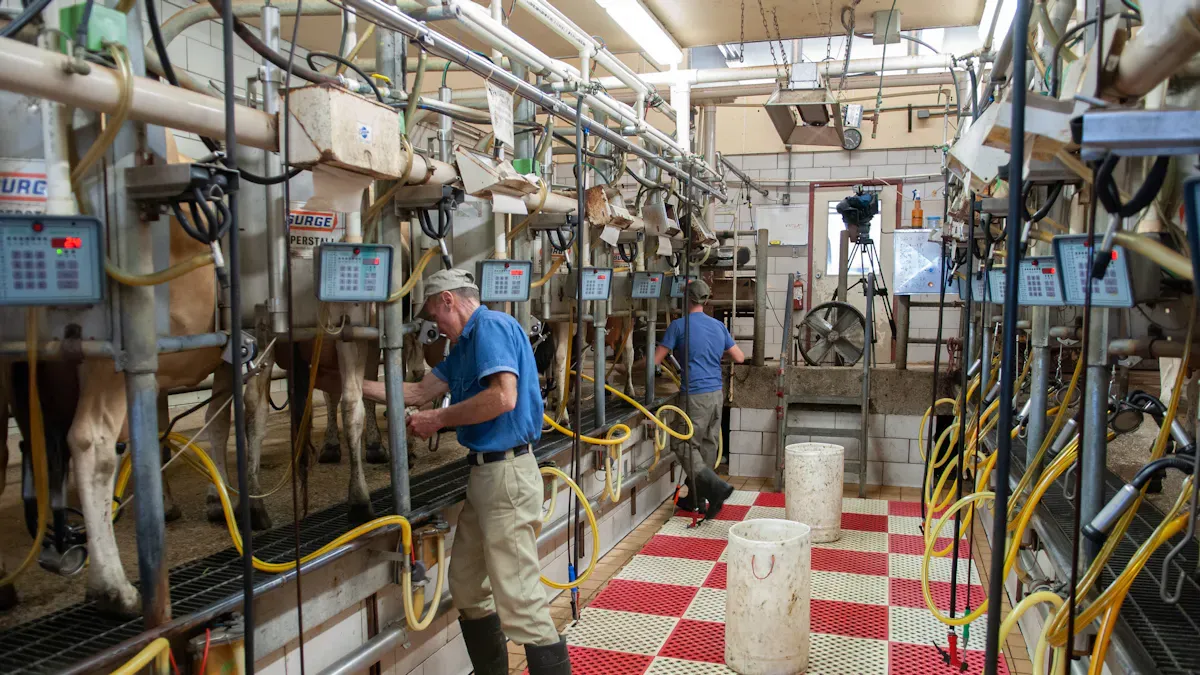
It is important to know where pet food comes from. Good suppliers help you trust the food you buy. Many companies now follow strict rules to keep pets safe. Rules like FSMA in the USA and FEDIAF in Europe are important. These rules make suppliers use traceability systems. Traceability means you can track ingredients from the farm to your pet’s bowl. You can ask brands about their traceability and quality checks.
There are different ways to check if a supplier is reliable. Look at the table below to see how you can check suppliers:
Service Type | Description |
|---|---|
Quality Testing | Makes sure pet food is safe and healthy by finding pollutants. |
Third-Party Audits | Uses outside checks and food safety audits to make sure suppliers are reliable. |
Regulatory Compliance | Helps with labeling and nutrition rules to keep products honest. |
You can also check different audit types:
Audit Type | Purpose |
|---|---|
Certification Audits | Checks if suppliers follow industry rules. |
Supplier Audits | Looks at how reliable suppliers are by checking them directly. |
Food Safety Audits | Makes sure food safety steps are followed. |
Tip: Ask for recent audit reports or certificates. Good suppliers will show you these papers.
Meat By-Products
Sometimes you see meat by-products in pet food. These can be parts not eaten by people. Some by-products are good for pets, but some are not safe. If suppliers use bad sources, your pet could eat harmful things. Some by-products come from ‘4D’ animals. These are dead, dying, diseased, or disabled animals. Using these breaks food safety laws and can spread sickness. They may also have antibiotics or drugs used to put animals to sleep. These can build up in your pet’s body and cause health problems.
Stay away from food with unclear by-product sources. Always check the label for details. If you see words that are not clear, ask the brand for more information.
Nuzoko’s Sourcing Standards
Nuzoko is different because it uses strict sourcing rules. You get food made with human-grade ingredients. The brand uses special systems to track every batch. Nuzoko works with trusted suppliers and follows world rules. You can see how Nuzoko checks quality at every step. The team tests food often to make sure it is safe and healthy.
Nuzoko cares about the planet and uses sustainable sourcing. The brand uses new proteins like insect meal and single-cell proteins. These choices help the environment. You can trust Nuzoko to use good raw materials that meet high standards.
Note: You can ask Nuzoko where ingredients come from. The brand will give you clear answers and proof of quality.
If you want to check where ingredients come from, do these steps: 1. Read the label for exact ingredient names. 2. Ask the brand where suppliers are located. 3. Ask for audit reports or certificates. 4. Look for claims about human-grade or raw ingredients. 5. Check if the food is tested often for quality.
You keep your pet safe when you pick brands with strong sourcing rules. You help your pet stay healthy and avoid bad ingredients.
Regulatory and Recall History

Product Recalls
It is important to know about recall history when picking pet food. In the last three years, over 68 million pounds of pet food were recalled. Most recalls happened because of aflatoxin contamination. This caused almost 60 million pounds to be removed from stores. Other reasons for recalls were bacteria like Salmonella and Listeria, wrong vitamin levels, and wrong labels. The biggest recall was from Midwestern Pet Food. Over 58 million pounds were affected. The smallest recall was from Primal Pet Food. It had Listeria and was just over 2,000 pounds.
Biological contamination caused 35% of recalls from 2003 to 2022.
Chemical contamination made up 32% of recalls.
The melamine problem in 2007 and 2008 was almost 25% of all recalls in the last 20 years.
If a company recalls pet food, check why and which lots are affected. Sometimes brands say a recall is “limited” to make it sound small. But it can still be a lot of food.
Compliance Issues
You should see if a brand follows all the rules. Problems with rules can cause recalls and fines. The table below shows common problems:
Challenge Area | Example of Challenge | Impact |
|---|---|---|
Documentation & Record-Keeping | Missing nutritional profiles | Regulatory scrutiny |
Laboratory Testing | High aflatoxin in batch | Delays, batch rejection |
Ingredient Sourcing & Hygiene | Contaminated maize causing Salmonella | Recalls, penalties |
Labeling & Packaging | Incorrect vitamin D content | Recall, loss of trust |
Traceability | Can’t trace contaminated batch | Ineffective recalls |
Microbiological Safety | Poor hygiene causing E. coli | Contamination, recalls |
You can check if a brand follows rules by looking for regular lab tests. Brands should watch their suppliers and follow label laws. Staff should learn about new rules. New technology, like magnetic separation, helps stop physical dangers. Traceability systems help with recalls and checks. Picking brands with strong rules helps keep your pet safe and lowers risks.
You keep your pet safe by looking for warning signs when you pick pet food. Pay attention to what is in the food. Read the labels carefully. Watch how your pet acts and feels after eating. Use trusted sources like the FDA to learn more. Guides about rules can also help you make good choices.
Resource | Description |
|---|---|
Find out about pet food safety and rules. |
FAQ
What should you check first when buying pet food?
You should read the ingredient list. Look for clear protein sources. Check for expiration dates. Make sure the manufacturer shares contact information.
How can you spot misleading health claims?
Look for scientific proof. Ask for lab test results. Check if veterinarians approve the food. Avoid brands that use vague words like “premium” or “natural.”
Why does recall history matter for pet food?
Reason | Why It Matters |
|---|---|
Safety | Recalls show past safety issues |
Trust | Reliable brands have fewer recalls |



