

The main difference between private label and white label pet food is customization. You get high control and unique products with private label, while white label offers ready-made products with limited changes. Industry experts show that private label gives full control over ingredients and branding. White label lets you put your logo on pre-made items. Understanding these differences helps you build a strong brand. Nuzoko, with global OEM/ODM experience, supports both models. Gog Cat shows how brands can choose the best fit for their market.
Feature | Private Label | White Label |
|---|---|---|
Customization | High | Low |
Control Over Production | Full | Limited |
Cost | Higher | Lower |
Time to Market | Longer | Faster |
Profit Margins | Higher | Lower |
Branding Opportunity | Stronger | Less |
Key Takeaways
Private label pet food offers full control over ingredients and branding, allowing you to create unique products that stand out.
White label pet food provides a quick entry into the market with pre-made products, making it ideal for testing new ideas with lower costs.
Choosing private label can lead to higher profit margins and a stronger brand identity, while white label is better for those with limited budgets or time.
Consider your business goals and resources carefully when deciding between private label and white label to ensure the best fit for your needs.
Nuzoko supports both models, offering expertise in product development, packaging, and quality assurance to help you succeed.
Private Label Pet Food With Nuzoko
What Is Private Label?
Private label pet food lets you create a unique product for your brand. You choose the recipe, packaging, and design. Nuzoko helps you build your own pet food line. You get to decide what goes into the food and how it looks on store shelves. Private label gives you full control over the product. You can stand out from other brands and offer something special to your customers.
How Private Label Works
You follow a clear process when you launch a private label pet food with Nuzoko:
Research and Niche Identification: You study the market and find a niche that fits your goals.
Selecting the Right Manufacturer: You pick Nuzoko, a trusted partner with global certifications.
Product Development and Customization: You work with experts to create recipes and formulas for your pets.
Branding and Custom Packaging: You design packaging that matches your brand style.
Compliance and Safety Testing: You make sure the product meets safety rules and passes tests.
Product Launch and Marketing: You promote your new pet food to reach pet owners.
Nuzoko supports you at every step. You get help with research, development, and branding. You also receive guidance on safety and marketing.
Benefits For Brands
You gain many advantages when you choose private label pet food with Nuzoko:
You control the ingredients and formulas.
You build a strong brand identity.
You offer unique products to your customers.
You set your own pricing and profit margins.
You meet international quality standards.
OEM facilities are continuously enhancing their quality assurance protocols, securing new certifications, and implementing advanced traceability systems to ensure the highest standards for private label pet food products.
Nuzoko uses automation and quality assurance systems. IoT sensors and real-time data analytics help keep products safe and consistent. You benefit from strict quality tests and approvals. Nuzoko follows both local and international laws to protect pets and brands.
White Label Pet Food Overview
What Is White Label?
White label pet food gives you a fast way to enter the pet food market. You select from pre-made products that manufacturers have already developed. You add your brand’s logo and packaging, but the recipe and ingredients stay the same for every retailer. Many brands use white label pet food to test new markets or launch products quickly. These products are generic, so several companies can sell the same formula under different brand names.
Here is a quick comparison between white label and private label pet food:
Feature | White Label | Private Label |
|---|---|---|
Formulation Control | Limited customization; pre-manufactured | Unique formula created for your brand |
Ingredient Selection | Standard formulations; no changes | Full control over ingredients |
Branding | Your logo on standard product | Custom branding and messaging |
Market Entry Speed | Faster | Slower due to custom development |
Cost | Lower | Higher due to customization |
How White Label Works
You follow a simple process to launch a white label pet food product:
Choose a product from a manufacturer’s catalog.
Make sure the food is safe and not spoiled.
Check that all ingredients are safe for pets.
Design your packaging with your brand’s logo.
Ensure your labels meet government rules for animal food.
Register your business if needed.
Follow safety and storage rules for pet food.
Report any problems with food safety.
White label pet food helps you meet strict safety standards. You can focus on branding and selling while the manufacturer handles production.
Key Advantages
White label pet food offers many benefits, especially for new businesses:
You can enter the market quickly and with less risk.
You spend less money because you do not need to create new recipes.
You can test new sales channels, such as Amazon or small retailers.
You focus on building your brand and reaching customers.
The market for private label and OEM pet food is growing fast, with a projected value of over US$ 6,669 million by 2031 and a strong annual growth rate.
Tip: White label pet food works best if you want to launch fast, keep costs low, and try new markets without a big investment.
Private Label vs White Label Comparison
Customization & Branding
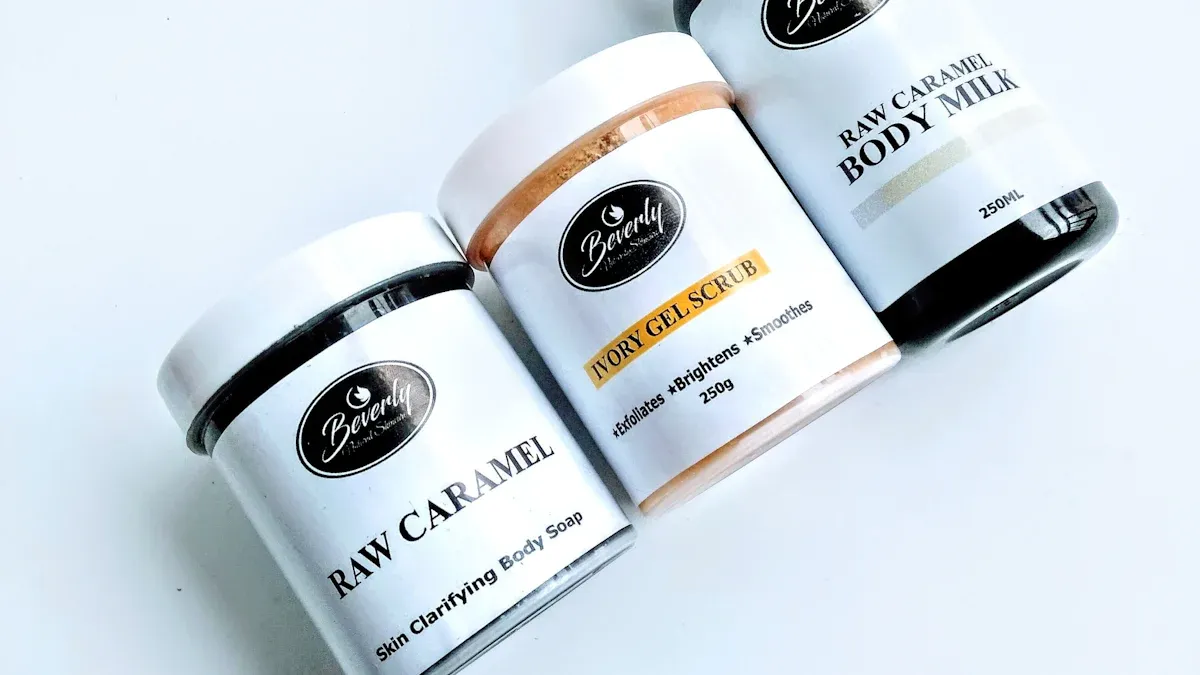
You can shape your brand with private label pet food. You decide the recipe, packaging, and design. You control every detail. White label pet food gives you less freedom. You use a ready-made product and add your logo. You cannot change the formula or ingredients. Your branding options are limited.
Here is a simple table that shows the difference:
Product Type | Customization Level | Branding Control |
|---|---|---|
Private Label | High | Full control |
White Label | Low | Limited control |
Private label lets you build a unique brand. You stand out in the market. White label helps you launch quickly, but your product looks similar to others.
Cost & Investment
You need to plan your budget before you start. Private label pet food requires more money upfront. You pay for custom recipes, packaging, and testing. You invest in marketing and product development. White label pet food costs less. You buy pre-made products and focus on branding.
Here are the main costs for white label pet food:
First inventory order costs about $5,000 to $15,000 for minimum order quantities.
Compliance testing adds $2,000 to $5,000.
Branding and packaging cost between $500 and $2,000.
E-commerce platform setup costs $29 to $299 monthly, with an initial setup fee of $300 to $600.
Marketing launch budget should be $1,000 to $5,000 for the first three months.
Gross profit margins for white label products are usually 30-50%. Private label margins are higher at 40-60%.
Private label gives you higher profit margins. You can set your own prices. You spend more at the start, but you earn more as your brand grows.
Tip: If you want to test the market with less risk, white label is a good choice. If you want to build a strong brand and earn more, private label is better.
Time To Market
You can launch white label pet food quickly. You pick a product, add your logo, and start selling. The process takes a few weeks. Private label takes longer. You work with experts to create recipes and design packaging. You test the product for safety. You wait for approvals and certifications.
White label helps you enter the market fast. You can try new ideas and reach customers quickly. Private label needs more time, but you get a unique product. You build trust with pet owners and offer something special.
Control & Risk
You control every part of your product with private label. You choose the ingredients, test for quality, and manage branding. You reduce risks related to product quality and reputation. You protect your brand and earn customer trust.
White label gives you less control. You rely on the manufacturer for quality. You face risks from generic branding and competition. Your product may look like others in the market.
Here are some key points:
Private label provides greater control over product formulation and branding. You can reduce risks related to product quality and market positioning.
White label is faster and less costly. You may face risks from lack of differentiation and control over product quality.
Private label products allow for exclusive quality control. You protect your brand reputation and build consumer trust.
White label products offer versatility and cost-efficiency. You may face risks from generic branding and strong competition.
A hybrid approach combines both models. You can customize while managing risks from competition and product differentiation.
Note: Private label gives you more control and higher margins. White label helps you launch fast and save money, but you must watch for risks from competition and quality.
Choosing The Right Model For Your Business
When To Choose Private Label
You should choose private label pet food if you want to build a brand that stands out. Private label gives you full control over the recipe, ingredients, and packaging. You can create a product that matches your vision and meets your customers’ needs. This model works best if you want to offer something unique that no other brand can copy. You can also use private label if you want to innovate with new flavors or special ingredients.
Private label suits you if you have a strong brand identity or plan to build one. You need to commit to larger order volumes and invest more money at the start. This path fits established brands, pet store chains, or companies with a clear market niche. Nuzoko supports you through every step, from research and development to packaging and global logistics. You get expert help to create a product that matches your goals.
Tip: Private label is the right choice if you want exclusive products, higher profit margins, and long-term growth.
When To Choose White Label
White label pet food is a smart choice if you want to enter the market quickly. You pick from ready-made products and add your logo and packaging. You do not need to spend time or money on product development. This model works well if you have a limited budget or want to test demand with small order quantities.
White label fits new brands, small boutiques, groomers, or subscription box businesses. You can focus on marketing and building your customer base. You do not need to worry about creating new recipes or managing large inventories. Nuzoko offers a wide range of white label products, so you can launch your brand fast and with less risk.
Note: White label is best if you want to start selling quickly, keep costs low, and try new ideas without a big investment.
Key Factors To Consider
You need to look at several important factors before you decide between private label and white label. These factors help you match your business goals and resources with the right model.
Quality Control: Private label gives you more control over ingredients and production. White label relies on the manufacturer’s standards.
Cost Structure and Margins: Private label needs higher upfront investment but offers better profit margins. White label has lower costs but smaller margins.
Supplier Reliability and Scalability: You need a partner who can deliver consistent quality and scale with your growth. Nuzoko supports both models with reliable supply and global reach.
Keeping Up with Market Trends: Private label lets you respond to trends with custom products. White label helps you react quickly with ready-made options.
Long-Term Growth Potential: Private label supports brand growth and exclusivity. White label offers speed and flexibility for testing new markets.
Feature | White Label | Private Label |
|---|---|---|
Speed to Market | Fast — products already exist | Slower due to development & testing |
Upfront Costs | Low | Moderate to high |
Customization | Limited (packaging & branding) | High (formula, flavor, shape, size, texture) |
Minimum Order Quantities (MOQs) | Low | Higher |
Brand Exclusivity | Shared | Exclusive |
Risk Level | Very low | Higher (but with greater long-term upside) |
Best For | New brands, boutiques, groomers, subscription boxes | Established brands, chains, niche companies |
Choosing the right model depends on your goals, budget, and how much control you want. If you want to launch fast and test the market, white label is a good fit. If you want to build a unique brand and grow long-term, private label is the better choice.
Nuzoko supports both private label and white label solutions. You can rely on their experience, quality assurance, and global network. Whether you want to create a custom product or launch quickly with a proven formula, Nuzoko helps you succeed in the pet food market.
Gog Cat And Real-World Examples
You can learn a lot from real-world brands that use private label and white label pet food models. Gog Cat stands out as a brand that shows how you can build a strong presence in the pet food market. You see how private label and white label strategies help brands grow and reach new customers.
Private Label Success Stories
Many brands use private label to create unique products. Gog Cat is a great example of how you can fill a market gap and offer something special. You can look at Kit Cat, which started with a focus on affordable and diverse cat litter. The company saw a need for eco-friendly options and launched plant-based cat litter in 2014. Kit Cat expanded its range to include wet food, freeze-dried treats, and more types of cat litter. The brand introduced new products every six months to stay relevant and keep customers interested.
Kit Cat identified a gap in affordable, diverse cat litter.
The brand launched eco-friendly, plant-based litter.
Kit Cat expanded to wet food and freeze-dried treats.
The company kept its brand fresh by releasing new products often.
Nuzoko helps brands like Gog Cat create custom pet food and treats. You get support with product development, packaging, and quality assurance. You can build a brand that stands out and meets your customers’ needs.
White Label In Action
White label pet food lets you enter the market quickly. You can see how brands use this model to reach more customers and grow fast. Gog Cat uses white label to test new products and expand its offerings without spending too much time or money. Blue Dog Bakery is another example. The brand distributes products in grocery stores and mass retailers across the country. The company updates packaging and mascots to keep the brand fresh.
Brand | Distribution | Employees | Packaging Focus |
|---|---|---|---|
Blue Dog Bakery | Grocery, mass, club stores; 70% ACV nationally | Under 20 at HQ, 150+ at manufacturing | Mascot and packaging revamps in 2012, 2017 |
Nuzoko offers a wide range of white label pet food. You can choose proven formulas and launch your brand quickly. You get help with packaging and compliance, so you can focus on marketing and sales.
You see that Gog Cat uses both private label and white label strategies to grow. You can follow these examples to find the best path for your business.
You now see that private label pet food gives you full control and unique branding, while white label offers speed and lower costs. Your choice shapes your brand’s future. Market trends show strong growth for both models, driven by rising pet ownership and demand for affordable options. Many believe private label means low quality, but more consumers now trust these products for value and safety. To choose wisely, review key factors like product quality, safety, and branding support. Nuzoko stands ready to guide you as you build your pet food business.
FAQ
What is the main difference between private label and white label pet food?
Private label gives you full control over recipes and branding. White label lets you sell pre-made products with your logo. You choose based on your business goals.
How fast can you launch a white label pet food brand?
You can launch in a few weeks. You pick a product, design packaging, and start selling. Private label takes longer because you create custom recipes.
Does private label pet food cost more than white label?
Model | Upfront Cost | Customization |
|---|---|---|
Private Label | Higher | Full |
White Label | Lower | Limited |
Private label costs more but offers unique products. White label is budget-friendly.
Can you switch from white label to private label later?
You can start with white label to test the market. If you grow, you can move to private label for more control and better branding.
How does Nuzoko help with private and white label pet food?
Nuzoko supports you with product development, packaging, quality assurance, and global logistics. You get expert guidance for both private label and white label solutions.



