Choosing the best petfood for your cat means you match their age and health with the right food and nutrition. You want your kitten to grow strong, your adult cat to stay active, and your senior cat to feel comfortable every day. Research shows that tailored cat nutrition, especially for older cats, can improve their quality of life and even help them live longer. You may notice senior food often has special nutrients for joint support and easy digestion. When you pick petfood, you want a brand you can trust. Nuzoko uses science to create quality food for every cat at every stage.
Key Takeaways
Pick cat food that matches your cat’s age. Kittens need lots of protein. Adult cats need balanced nutrition. Senior cats need fewer calories and help for their joints.
Always check the food label before you buy. Look for “complete and balanced nutrition.” Make sure the food meets AAFCO standards for your cat.
Change to new food slowly over 7 to 14 days. Mix the new food with the old food a little at a time.
Watch your cat’s weight and energy. Change how much you feed based on how active your cat is. This helps keep your cat at a healthy weight.
Ask your vet if your cat has health problems. Also ask if you are not sure which food is best for your cat.
Why Life Stage Matters in Cat Food
Cat Life Stages Overview
You probably know that cats change a lot as they grow. Each lifestage brings new challenges and needs. If you want to keep your cat healthy, you need to match their food to their age. Veterinary associations recognize three main life stages for cats. Here’s a quick look:
Life Stage | |
|---|---|
Kitten Health | Newborn to 1 year old |
Adult Health | Under the age of 9 |
Senior Health | 9 years and older |
You might notice your kitten needs more care and energy. Adult cats need balance. Senior cats need support for aging bodies. Recognizing these stages helps you spot signs of illness or injury early. That way, you can adjust your cat food and diet to fit their needs.
Changing Nutritional Needs
Your cat’s nutritional needs shift as they move from kittenhood to adulthood and then to their senior years. Kittens need high protein and easy-to-digest ingredients. Adults need a balanced diet to keep a healthy weight. Seniors need fewer calories, more fiber, and support for joints and kidneys. Here’s a simple table to help you understand:
Life Stage | Nutritional Focus | Key Considerations |
|---|---|---|
Kitten | High protein, easily digestible ingredients | Ask your vet about the best cat food for growth. |
Adult | Balanced diet, adjust calories as metabolism slows | Watch weight and add variety to their food. |
Senior | Lower calories, high fiber, joint and kidney support | Choose diets low in phosphorus and add supplements for joint health. |
Some brands offer “all life stages” formulas. These can work for many cats, but you should always check if the food meets your cat’s specific needs. If you have a senior cat or a kitten, you may want to pick a formula made just for their age.
Risks of Incorrect Life Stage Feeding
Feeding your cat the wrong food for their lifestage can cause problems. If you give senior cats calorie-rich kitten food, they might gain weight fast. Obesity can lead to kidney disease, cancer, and joint pain. Senior cats also face higher risks for age-related conditions like chronic kidney disease and osteoarthritis. Their diet needs to support these issues. If you feed them the wrong cat food, you could make their health worse. Giving your cat age-appropriate food boosts their immune system, keeps their energy up, and helps them stay happy. You want your cat to thrive at every lifestage, so always check their food and diet.
Kitten Petfood Nutrition
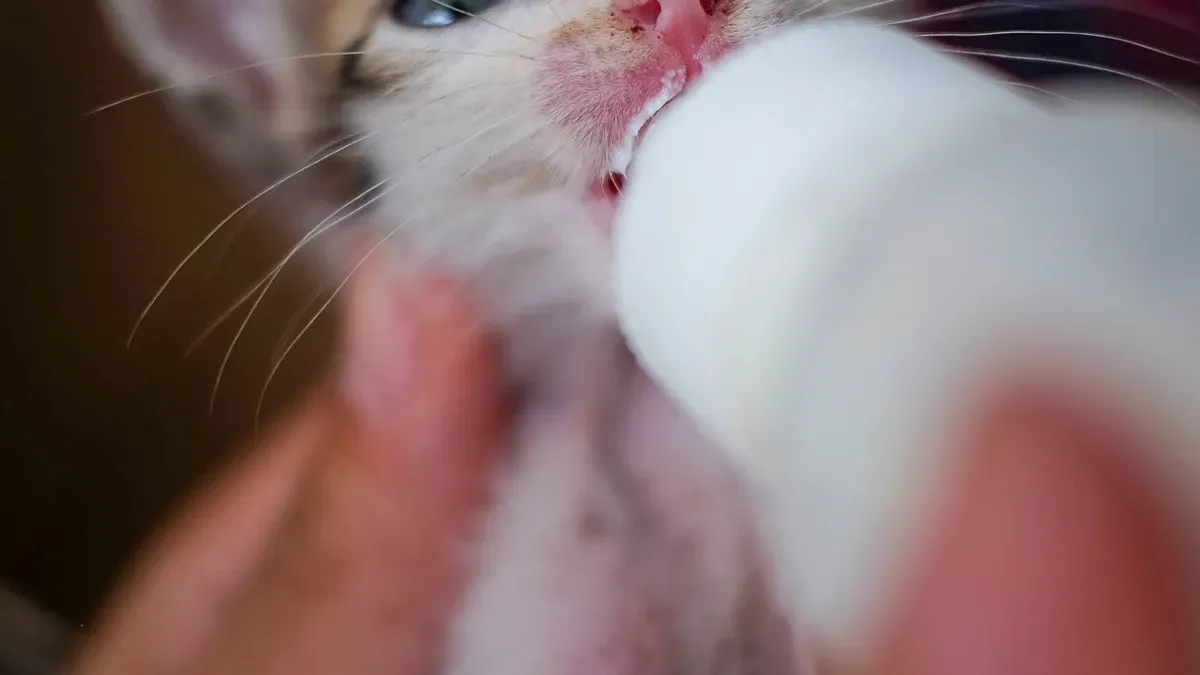
Essential Nutrients for Kittens
When you bring home a new kitten, you want to give them the best start in life. The right kitten food makes a big difference. Nuzoko uses a science-driven approach to create formulas that help kittens grow strong and healthy. You might wonder what nutrients your kitten really needs. Let’s break it down.
A complete and balanced diet for kittens should include:
Protein for building muscles and keeping your kitten active.
Fat for energy and to help absorb important vitamins.
Calcium and phosphorus for strong bones and teeth.
Vitamins and minerals for a healthy immune system and shiny coat.
Here’s a quick look at how these nutrients help your kitten:
Nutrient | Role in Kitten Development |
|---|---|
Protein | Builds and maintains lean tissue, provides energy |
Fat | Supplies essential fatty acids, helps absorb vitamins |
Calcium | Supports bone growth, higher needs than adult cats |
A good kitten food strengthens bones and muscles, boosts the immune system, improves skin and coat health, supports healthy digestion, and enhances brain and vision development. You want to make sure your kitten gets all these benefits with every meal.
Tip: Always choose a kitten food that lists real meat as the first ingredient. This ensures your kitten gets enough protein for healthy growth.
Reading Kitten Food Labels
Picking the right food can feel confusing when you see so many options on the shelf. You want to make sure the kitten food you choose meets all your kitten’s needs. Here’s how you can read the label like a pro:
Look for a claim of “complete and balanced nutrition.” This means the food covers all your kitten’s nutritional needs.
Check the Guaranteed Analysis. This section lists the levels of protein, fat, fiber, and moisture.
Make sure the food meets AAFCO standards. This shows the food is formulated for growth and development.
Choose foods made just for kittens. These have higher levels of protein, fat, and calcium than adult cat food.
Kittens need more protein, fat, and calcium than adult cats. If you pick a food made for adults, your kitten might miss out on key nutrients. Always check the label before you buy.
Feeding Tips for Growth
Feeding a kitten is not just about what you feed, but also how often and how much. Kittens burn energy quickly because they play and grow all day. They need small, frequent meals to keep up with their busy lives.
Age (months) | Portion Size (Cups) | |
|---|---|---|
1 to 3 | 3-4 | ¼ – ½ |
4 to 6 | 3-4 | ½ – ¾ |
7 to 10 | 2 | ¾ – 1 |
9 to 12 | 2 | ½ – ¾ |
Feed your kitten 3 to 4 times a day until they are about 6 to 9 months old.
After one year, you can switch to feeding twice a day.
As your kitten grows, you’ll notice changes in their appetite and behavior. When your kitten reaches about one year old or 80-90% of their adult size, it’s time to start transitioning to adult cat food. Make this change slowly over 7 to 14 days. Start by mixing a small amount of adult food with their kitten food. Each day, add a little more adult food and a little less kitten food. Watch for any signs of digestive upset. If your kitten has trouble, slow down the transition and give their tummy time to adjust.
Note: Signs your kitten is ready for adult food include slowed growth and changes in playfulness or eating habits.
Feeding your kitten the right food at the right time sets them up for a healthy, happy life. With nuzoko’s science-driven nutrition, you can feel confident you’re giving your kitten the best care possible.
Adult Cat Food Choices
Adult Cat Food Nutrition
When your cat reaches adulthood, you want to keep them healthy and happy. The right cat food gives your cat everything they need for energy, shiny fur, and strong muscles. Nuzoko’s premium adult cat food uses real animal proteins, like deboned chicken, as a high-quality protein source. This helps your cat stay active and supports their immune system. You also want to look for nutrient-rich food that covers all the basics. Here’s what matters most for mature cats:
Water keeps your cat hydrated and healthy.
Proteins and amino acids help with muscle repair and daily activity.
Fats and fatty acids give energy and keep skin and fur soft.
Vitamins and minerals support bones and the immune system.
Check out this table to see how premium cat food stands out:
Feature | Premium Cat Food | Standard Cat Food |
|---|---|---|
Primary Ingredients | Named animal proteins | Generic meat by-products |
Carbohydrate Sources | Whole-food sources, less filler | More fillers |
Nutrient Density | Higher, need less food | Lower, need more food |
Health Benefits | Better digestion, energy, coat | Basic nutrition |
Activity Level and Weight
Every cat is different. Some cats love to play and run, while others nap most of the day. If your cat is active, they burn more calories and need more food. If your cat prefers to lounge, you should watch their portions to prevent weight gain. Feeding an adult cat the right amount helps keep them at a healthy weight. Adjust food portions if you notice your cat gaining or losing weight.
Sedentary cats need less food.
Watch your cat’s body shape and energy.
Transitioning from Kitten to Adult Food
Switching from kitten food to adult cat food takes time. You want to avoid stomach upset. Here’s a simple guide for feeding an adult cat during the transition:
Days 1-2: Mix 1/4 adult food with 3/4 kitten food.
Days 3-4: Mix 1/2 adult food with 1/2 kitten food.
Days 5-7: Mix 3/4 adult food with 1/4 kitten food.
Days 8-10: Serve only adult cat food.
If your cat resists or has a sensitive stomach, slow down the process. Always follow the feeding guide on the package. If you see any problems, talk to your vet for advice.
Tip: Make sure your cat always has fresh water, especially when you change their food.
Senior Cat Food and Nutrition
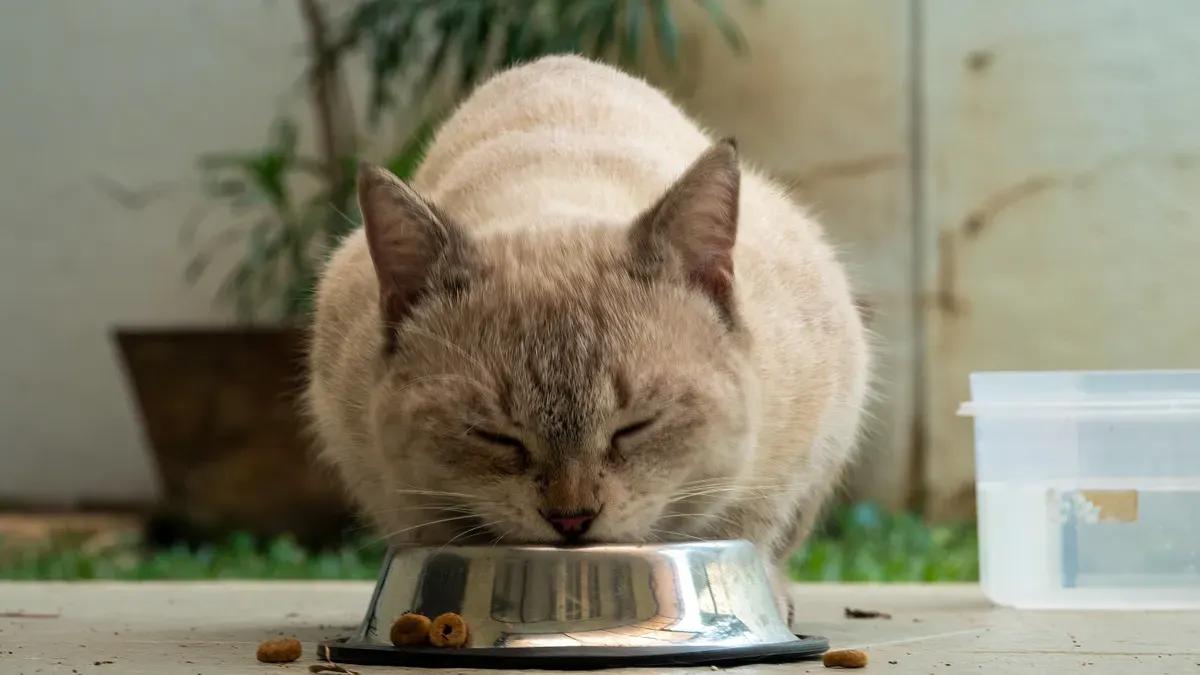
Senior Cat Food Needs
When your cat gets older, their needs change a lot. You might see your senior cat move less or get picky about food. This is normal for older cats. Geriatric cats have slower bodies and less energy. They need fewer calories than younger cats. A healthy adult cat may need about 20 calories per pound each day. Seniors usually need closer to 15 calories per pound.
Picking the right senior cat food helps your cat stay healthy and comfy. Nuzoko’s senior cat food uses science to help aging cats. These foods are made for easy digestion, balanced fat, and good protein. You want food that helps your older cat keep muscle and stay active.
Here are some special nutrition needs for seniors:
More fiber for better digestion.
Antioxidants to help with aging.
Lower phosphorus for kidney health.
Omega-3 fatty acids for skin, fur, and joints.
Carnitine for muscle and heart health.
Easy-to-digest ingredients for sensitive tummies.
Older cats also need food that is gentle on teeth and gums. You want every meal to taste good and be easy to chew.
Health Support for Older Cats
As your cat gets older, you may see new health problems. Some common issues in older cats are arthritis, kidney disease, obesity, dental problems, and diabetes. The right food can help with these problems and keep your cat feeling good.
Management Strategies | |
|---|---|
Arthritis | Joint supplements, weight control, gentle exercise |
Chronic Kidney Disease | Specialized diet, regular vet checks |
Obesity | Portion control, balanced diet, activity |
Dental Health | Foods that support dental health |
Diabetes | Weight management, blood sugar monitoring |
Nuzoko’s senior cat food has nutrients that help your cat’s immune system and health. You will find vitamins like E and C for immune support and antioxidants. B-complex vitamins give energy and help the body work well. Minerals like calcium and phosphorus keep bones strong. Omega-3 fatty acids, like EPA and DHA, help joints and the brain. Glucosamine and chondroitin help your cat move easily. These things work together to help older cats stay happy and active.
Tip: If your cat has a health problem, talk to your vet before you change their food.
Hydration and Food Texture
Hydration is very important for senior cats. Older cats often drink less water, which can cause kidney or urinary problems. Wet cat food or canned food gives more water and helps your cat stay hydrated. This is extra important for older cats with kidney problems.
Here’s how food texture and hydration help your senior:
Benefit | Description |
|---|---|
Improve food intake | Wet food helps cats with low appetite eat more easily. |
Support hydration | Wet food adds moisture, supporting kidney and urinary health. |
Reduce strain on teeth and gums | Soft food is gentle on sensitive teeth and gums. |
Enhance aroma and palatability | Wet food smells better, making it more appealing to seniors. |
Wet food has fewer calories than dry food, so your cat may need to eat more to get enough energy. Always make sure your cat has fresh water. If your cat likes dry food, you can add a little water or broth to make it softer.
Note: Feeding a senior cat both wet and dry food can help with hydration and dental health.
Nuzoko’s senior cat food comes in different textures and flavors, so you can find what your cat likes best. With the right food, you help your senior cat enjoy every stage of life.
Safe Food Transitioning
Step-by-Step Transition Guide
Switching your cat to new food can feel tricky, but you can make it easy with a slow and steady approach. Cats like routine, so sudden changes may upset their stomach or cause them to refuse the new food. You want your cat to feel comfortable and enjoy every meal.
Here’s a simple guide to help you:
Days 1-3: Mix 25% new food with 75% old food.
Days 4-6: Mix 50% new food with 50% old food.
Days 7-9: Mix 75% new food with 25% old food.
Day 10: Serve only the new food.
You can stretch this process to 14 days if your cat is older or has a sensitive stomach. Some cats need more time, so watch how your cat reacts. Try to pick food with similar flavors and textures. Mix the food well so your cat gets used to the new taste. If you use wet food, warm it up a little to boost the aroma. This can help picky cats accept the change.
Tip: Keep your cat’s feeding schedule the same during the transition. Avoid making other changes at the same time.
Signs of Successful Transition
You want your cat to adjust smoothly to new food. Look for these signs:
Your cat eats the new food without hesitation.
No vomiting or diarrhea.
Normal energy and playful behavior.
Healthy stool and regular bathroom habits.
If your cat refuses the food or shows signs of digestive upset, slow down the transition. Extend each phase by a few days. For picky cats, try mixing in a favorite treat or warming the food. If problems continue, check with your vet.
Success Sign | What It Means |
|---|---|
Eats new food | Accepts the change |
No digestive issues | Transition is gentle |
Happy behavior | Feels good and comfortable |
A safe transition keeps your cat healthy and happy. You help your cat enjoy their new food and support their well-being at every stage.
Lifestage Feeding Guidelines
Feeding Schedules by Age
You want your cat to feel their best at every age. Feeding schedules change as your cat grows. Kittens need to eat more often because they grow fast. You should feed kittens three to four times a day. Adult cats do well with two meals a day. Senior cats may prefer smaller, more frequent meals, especially if they have trouble eating a lot at once.
Tip: Try to feed your cat at the same times each day. Cats love routine and feel safe when they know when to expect their food.
Portion Sizes and Frequency
Getting the right amount of food matters. Too much food can lead to weight gain, while too little can leave your cat hungry. Kittens need about ¼ to ½ cup of food per meal. Adult cats usually need ½ to ¾ cup per meal, depending on their size and activity. Senior cats may need less food, but you should watch their weight and adjust as needed.
Kittens: 3-4 meals, small portions
Adults: 2 meals, moderate portions
Seniors: 2-3 meals, smaller portions
Always check the feeding guide on your cat food package. Every cat is different, so you may need to adjust portions.
Cat Food Nutrition Table
You want to make sure your cat gets the right nutrients at every stage. Here’s a quick table to help you see what your cat needs as they grow:
Life Stage | Key Nutritional Needs |
|---|---|
Newborn Kittens | Mother’s milk, then fatty acids (DHA), folic acid, taurine, protein |
Junior Cats | Balanced fat and protein, energy for play |
Prime Cats | Similar to juniors, focus on calories for activity |
Mature Cats | Hydration, balanced diet, may become picky |
Senior Cats | Hydration, balanced nutrition, adjust for health and activity |
Cat food nutrition changes as your cat ages. You can help your cat stay healthy by choosing the right food and feeding schedule for their life stage.
You want your cat to do well at every age. Picking the right food for their age helps kittens grow up healthy. It keeps adult cats strong and active. It also helps older cats with their joints and kidneys. Food made with science, like nuzoko’s, helps cats live longer and feel better. Research shows special nutrients make cats healthier. Vets say you should check your cat’s food often. They also say to switch foods slowly. For more help, you can look at nuzoko’s website. The right food gives your cat the best care.
FAQ
How do I know if my cat likes their new food?
You can watch your cat at mealtime. If they eat with excitement and finish their bowl, you picked a winner. If they walk away or leave food, try a different flavor or texture.
Can I feed my cat homemade food?
Homemade food can work, but it is hard to balance nutrition. Your cat needs the right mix of protein, vitamins, and minerals. Talk to your vet before making homemade meals for your cat.
How much water should my cat drink each day?
Most cats need about 1 ounce of water per pound of body weight daily. Wet food helps with hydration. Always keep fresh water available for your cat.
Is it okay to give my cat treats every day?
You can give treats, but keep them small. Treats should not make up more than 10% of your cat’s daily calories. Use treats for training or bonding moments.
What if my cat refuses to eat new food?
Try mixing the new food with the old one. Warm the food a little to boost the smell. If your cat still refuses after a few days, ask your vet for advice.