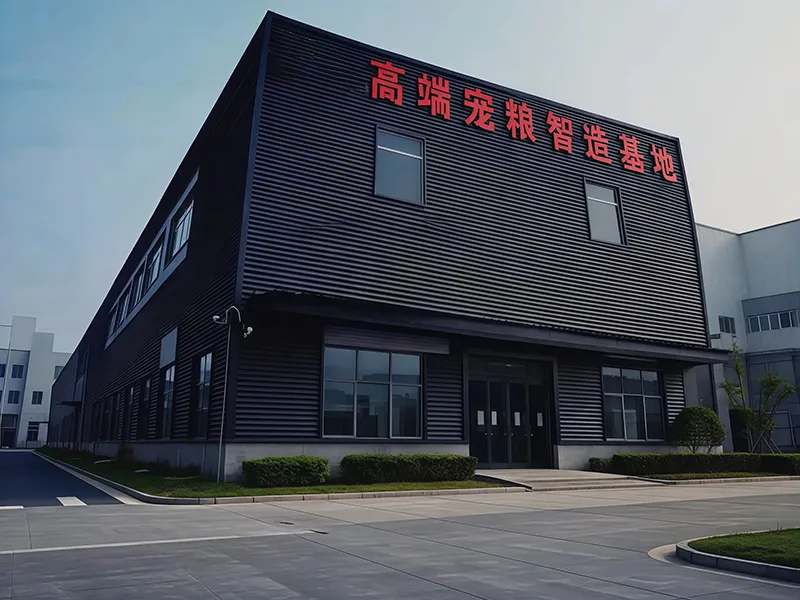
You might wonder why catfood prices can vary so much. OEM manufacturing plays a big role in this. When brands use OEMs, you see lower production costs. You do not have to pay for expensive factories or high operational bills. Tariffs on imported ingredients can raise prices, but OEMs often help brands manage these costs. This means you get more choices and stable prices when you shop for your pet.
Key Takeaways
OEM manufacturing makes catfood cheaper by cutting costs. Brands spend less on factories and workers. This helps them sell catfood at lower prices.
Brands pick OEM partners because they know recipes well. OEMs also check quality. This keeps catfood safe and healthy for pets.
Tariffs on imported ingredients can change catfood prices. Brands using OEMs can react fast to these changes. This helps keep prices steady for buyers.
Private label catfood usually costs less than big brands. These products give pets good nutrition. They do not have extra costs for ads or fancy boxes.
Picking brands with good OEM partners can mean better catfood. It can also mean prices stay steady and fair.
OEM manufacturing basics

OEM vs. traditional production
There are two main ways to make catfood. Traditional production means the company owns the factory. They buy machines and hire workers. This way costs a lot of money and takes time. You pay for the building, machines, and workers. The brand must do every step, like mixing and packing.
OEM manufacturing is different. You work with a company that has a factory already. You do not need to build or hire many people. The OEM company makes the catfood for you. You can spend more time selling and advertising. This way saves money and helps you start faster. Many brands use OEM to lower costs and avoid big risks.
Tip: OEM means “Original Equipment Manufacturer.” It is a company that makes things for other brands.
Why brands choose OEM
Brands pick OEM for many reasons. You get help from experts who make recipes. OEM companies help you make new catfood formulas. You can trust the ingredient lists because OEMs show what is inside. You know what goes into each bag or can.
You can try samples before you sell them. This keeps pets safe. OEMs also give good customer support. If you have questions or problems, you get help fast. You can ask for special recipes for your brand.
Here is a table that shows why brands choose OEM manufacturing:
Reason for Choosing OEM Manufacturing | Description |
|---|---|
R&D Capabilities | OEM firms can make and test pet food recipes, which helps brands. |
Transparency in Ingredients | Brands like manufacturers that show clear ingredient lists to stop bad effects. |
Sample Testing | Good manufacturers give samples to test, so pets stay safe. |
Customer Support | Good customer support helps with product and delivery problems. |
Custom Formulations | OEMs let brands make special pet food recipes for their needs. |
You can see that OEM manufacturing gives you choices, safety, and help. These things help brands make new catfood products fast and with confidence.
OEM cost factors
Facility and operational expenses
You do not have to build your own factory with an OEM partner. This helps you save money on buildings and running costs. OEM manufacturers know how to make things work better. They use their skills to make production faster and cheaper. You get less waste and lower costs because of these smart steps. If you talk clearly with your OEM partner, they know what you want. This makes projects finish faster and saves you more money.
OEM partners use their knowledge to make things better.
Good processes help you waste less and spend less.
When you explain your needs, production goes faster.
Raw materials and tariffs
Catfood prices change because of raw materials and tariffs. Tariffs can make ingredients and packaging cost more. Many U.S. pet food makers use ingredients from other countries. This can make prices go up and down. For example, if corn meal from Mexico costs more, catfood prices rise. Tariffs on steel and aluminum also make packaging more expensive. Some important things, like vitamin E, come from China. If tariffs go up, you pay more for these items.
Problems in the supply chain can change catfood prices.
Packaging gets more expensive when tariffs hit steel and aluminum.
Important ingredients can cost more because of tariffs.
Customization and quality control
OEM manufacturers let you make special catfood recipes. Customization helps your brand stand out and charge more. You might pay extra at first for research or small batches. Brands can make more money in premium markets with special products. One U.S. startup saved $85,000 by using an OEM for custom catfood.
Quality control keeps catfood safe and builds trust. OEMs use strong rules to make sure products are safe. Here is a table that shows common quality control steps:
Quality Control Measure | Description |
|---|---|
Supplier Audits | Checks on suppliers to make sure ingredients are good and safe. |
Ingredient Testing | Tests to stop contamination and check nutrition. |
HACCP Monitoring | Finds and controls dangers during production. |
Packaging Inspections | Checks packaging to stop contamination and meet safety rules. |
Compliance with Regulations | Follows rules and labels products for safety and trust. |
Strong quality control can make production cost more, but it keeps your catfood safe and trustworthy.
Catfood branding & distribution
Private label vs. branded catfood
There are two main types of catfood in stores. Private label catfood is made by retailers with OEM partners. These products usually cost less. Retailers do not spend much on ads. They focus on giving you value. Branded catfood comes from big companies. These brands cost more because they pay for ads and fancy packaging. Private label catfood gives good nutrition for less money. Branded catfood has more choices and special recipes.
Tip: Private label catfood can help you save money without losing quality.
Packaging choices
Packaging changes how much catfood costs. OEM manufacturers offer different packaging types. Here is a table that shows the differences:
Packaging Type | Description | Impact on Pricing |
|---|---|---|
Side-Gusseted Pouches | Used for big bags, fits food pellets well. | Lower cost because it uses less material. |
Square Bottom Bag | Good for small weights, stands up easily. | Can cost more because of the design. |
Quad-Seal | Very strong, works for bags you cannot close again. | Costs a medium amount because it is tough. |
Some new materials are used in catfood packaging:
Recyclable plastics can be cheaper if recycling is easy.
Bio-based plastics are better for the earth but cost more.
Compostable packs are good for single servings and may cost extra.
Light and recyclable pouches save money on shipping. Fancy packaging and eco-friendly rules can make prices go up. Pouches are liked because they help with portions and are better for the planet.
Distribution and price markups
How catfood gets to you changes the price. You can buy straight from brands, big stores, or distributors. The table below shows how markups work:
Distribution Channel | Price Received | Cost of Goods | Margin Left |
|---|---|---|---|
Direct-to-Consumer (DTC) | $24.99 | $6 | $18.99 |
Direct to Large Retailer | $12.00 | $6 | $6.00 |
Through Distributor | $7.50 | $6 | $1.50 |
Buying direct-to-consumer gives you the best deal. Buying from big stores or distributors adds extra costs. You can pick the way that works best for your budget and needs.
OEM & catfood pricing
Effects on store prices
OEM manufacturing changes how you see prices in the store. When you buy catfood from a smaller brand, you often pay less because the brand does not need to build a factory or hire many workers. The OEM partner handles the hard parts. This means you get more choices at better prices.
You see more brands on the shelf because OEMs lower the cost to start selling catfood. Smaller brands can compete with big names. You do not pay extra for fancy buildings or big teams. The savings go to you.
Here is how OEM manufacturing helps keep prices competitive:
You get more options because small brands can enter the market.
Brands save money on production, so they can offer lower prices.
You see less price difference between big and small brands.
Note: When you choose a smaller brand, you often get the same quality as a big brand, but you pay less.
Pricing volatility and stability
Prices for catfood can change for many reasons. OEM manufacturing helps keep prices steady, but some things can still make prices go up or down. Tariffs and trade policies have a big effect.
You may notice price changes when tariffs increase. In recent years, the pet industry has seen tariff increases of about 29%. Experts expect another 10-20% increase soon. The way products are classified can change duty rates from 0% to over 25%. These changes can make ingredients and packaging cost more.
Tariff increases can raise the price of catfood.
Duty rates can change based on how products are classified.
Watching trade policies can help brands find ways to save money.
OEM partners help brands manage these changes. They can switch suppliers or change recipes to keep costs down. This helps you see fewer big price jumps in the store.
You get more stable prices because OEMs can react quickly to market changes. Brands that use OEMs can adjust their plans if tariffs go up or if ingredients cost more. This means you do not see wild price swings as often.
Factor | Impact on Pricing | How OEM Helps Brands |
|---|---|---|
Tariffs | Can increase costs | Finds new suppliers |
Ingredient Prices | Can go up or down | Adjusts recipes |
Packaging Costs | May rise with tariffs | Chooses different materials |
Tip: If you want stable prices, look for brands that work with strong OEM partners. They can handle changes and keep your costs steady.
You can feel confident that OEM manufacturing helps keep catfood prices fair and steady, even when the market changes.
OEM manufacturing changes how catfood prices are set. Brands do not spend money on factories. They focus more on selling and advertising. OEMs make products safer with strict safety checks. They use human-grade meats for better quality. You get good prices because OEMs can change fast when the market shifts. When picking catfood, choose brands with strong quality rules. Make sure they manage costs well.
Good ingredients and safety are important for your pet.
OEMs work fast and bring new products to stores quickly.
Brands use saved money to make special recipes and give you better deals.
Evidence Type | Description |
|---|---|
Regulatory Compliance | High standards make brands offer safer, better catfood. |
Quality Assurance | Trust what you feed your cat because ingredients are checked. |
Competitive Landscape | Good records and local readiness keep prices steady and give you more choices. |
FAQ
What does OEM mean in catfood?
OEM stands for “Original Equipment Manufacturer.” You buy catfood made by a company that produces food for many brands. Your brand can focus on selling while the OEM handles the making.
Is OEM catfood safe for my cat?
You can trust OEM catfood. OEM partners follow strict safety rules. They test ingredients and check quality at every step. You get safe food for your pet.
Why do some catfood brands cost less than others?
Brands using OEMs save money on factories and workers. They pass these savings to you. You see lower prices on the shelf.
Tip: Look for brands that mention OEM partnerships for better value.
Can I find premium or special recipes with OEM catfood?
Yes! OEMs help brands create custom recipes. You can find grain-free, high-protein, or special diet catfood made by OEMs.
Recipe Type | Example Benefit |
|---|---|
Grain-Free | Good for allergies |
High-Protein | Supports muscles |
Special Diet | Meets health needs |