What Every Pet Owner Should Know About Dry Dog Food Safety
Understand petfood safety risks like bacteria, mycotoxins, and heavy metals in dry dog food. Learn how to protect your dog with safe storage and trusted brands.

Understand petfood safety risks like bacteria, mycotoxins, and heavy metals in dry dog food. Learn how to protect your dog with safe storage and trusted brands.

OEM brands in 2026 need dry dog food packaging that keeps petfood safe, meets global rules, supports sustainability, and builds brand trust.

Stand out in petfood with unique ingredients, strong branding, and personalized customer experiences for private label success.

Addressing palatability challenges in dry dog food manufacturing ensures consistent taste, aroma, and nutrition for dogs in every batch.

Check petfood freshness by looking for changes in color, odor, or texture. Store dry dog food in a cool, dry place to keep it safe for your pet.

Dry dog food and catfood expire. Check best-by dates, store in cool, dry places, and use opened bags within 4–6 weeks to keep your pet safe and healthy.
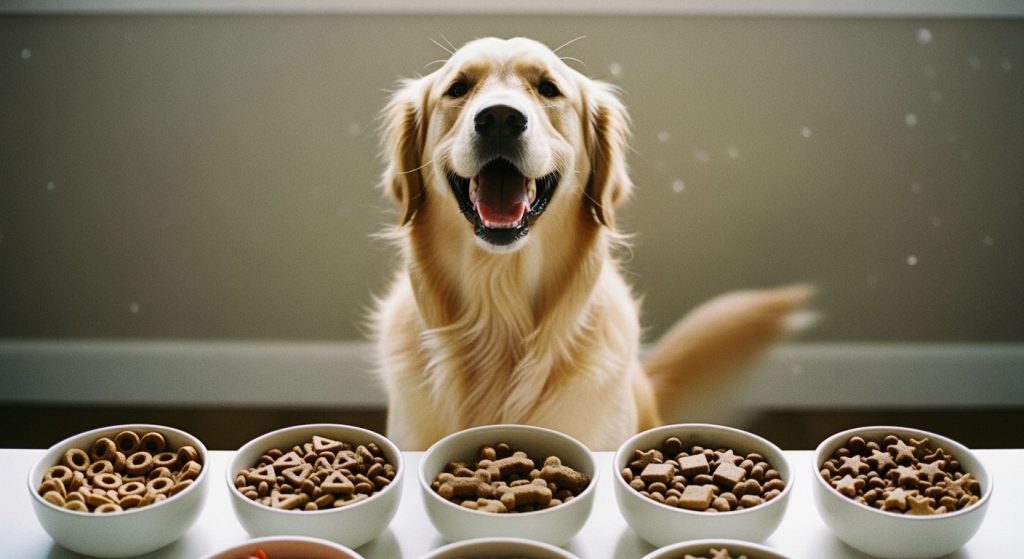
Round, X-shaped, and triangle petfood kibbles help dogs chew better, support dental health, and boost mealtime enjoyment for all breeds and ages.
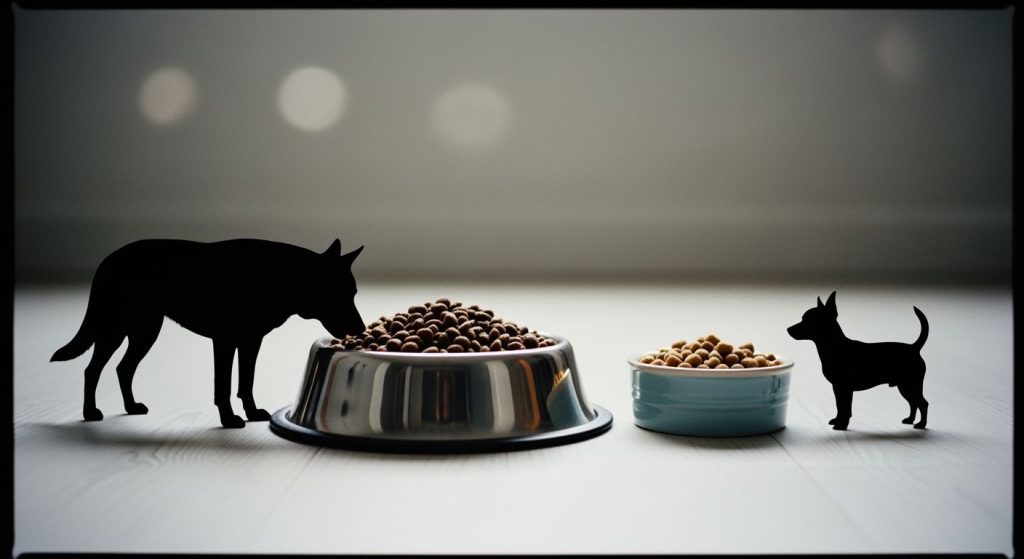
Large breed petfood features lower calories, joint support, and bigger kibble, while small breed formulas offer higher energy and digestibility for tiny dogs.

Petfood brands must monitor protein quality, new 2026 rules, and sourcing to ensure dry dog food meets health, safety, and consumer expectations.
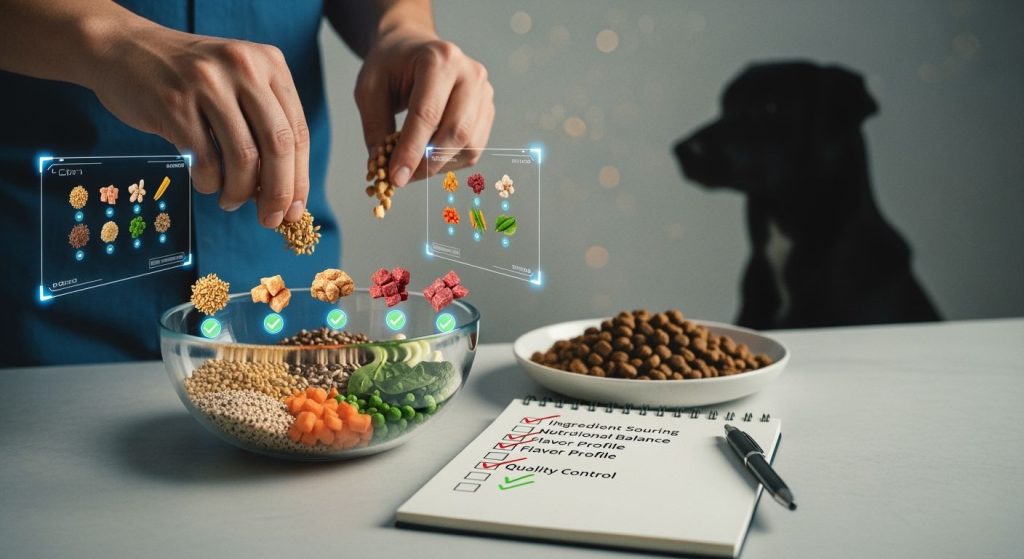
Choose safe, balanced petfood ingredients for dry dog food OEM in 2026. Ensure quality, compliance, and nutrition for healthier, happier dogs.