You help your dog stay healthy when you pick good ingredients for dry petfood. Rules from groups like AAFCO and FEDIAF help you choose safe food for pets. These rules affect your choices in many ways:
Labels must show clear nutrition facts.
Ingredients should be easy to recognize and understand.
Clean-label products are wanted by many people.
Brands like nuzoko use science and new ideas to make healthy dog food. Their food follows the rules and fits your nutrition goals.
Key Takeaways
Pick dog food with ingredients you can easily recognize. This helps make sure it is safe and good quality. – Find food that has proteins, fats, carbs, vitamins, and minerals. These help keep your dog healthy. – Choose brands that follow safety rules and show where they get ingredients. – Learn about new trends, like fresh and high-protein dog food. – Always read labels to know if the food is healthy and has good ingredients.
Key Factors in Dog Food Ingredients
Nutritional Balance for Nutritious Pet Food
You want your dog to be healthy. This starts with a balanced diet. Dogs need many nutrients to grow and stay strong. You should look for proteins, fats, carbohydrates, vitamins, minerals, fiber, and water. Each nutrient helps your dog in a different way.
Here is a table that shows the most important nutrients and how they help your dog:
Nutrient | Role in Dog’s Health |
|---|---|
Proteins | Helps build muscles, fix tissues, and boost immunity. |
Fats | Gives energy, helps absorb vitamins, and keeps skin and joints healthy. |
Carbohydrates | Gives energy and fiber for good digestion. |
Vitamins | Helps your dog’s body work well and keeps them healthy. |
Minerals | Makes bones strong and helps muscles move. |
Fiber | Keeps digestion healthy and helps control weight. |
Water | Keeps your dog hydrated and helps their body work. |
Check petfood labels to see if your dog’s food has these nutrients. Good proteins, vitamins, and minerals help your dog stay active. Look for a statement that says the food is right for your dog’s age. This means the food is good for puppies, adults, or older dogs. Picking healthy food helps your dog live a happy life.
Safety Standards in Petfood Manufacturing
Safety is important when you pick food for your dog. You want every meal to be safe and clean. Brands like nuzoko follow strict rules to keep food safe. They use ISO certifications to check safety, quality, and the environment.
Here is a table that explains the main ISO standards in pet food manufacturing:
ISO Standard | Description | Relevance |
|---|---|---|
ISO 22000:2018 | Food Safety Management Systems | Stops hazards from getting into pet food. |
ISO 9001:2015 | Quality Management Systems | Checks recipes and tests food for good nutrition. |
ISO 14001:2026 | Environmental Management Systems | Saves water and energy and cuts waste in making pet food. |
You can trust brands that follow these standards. They use checklists and sensors to watch every step. This keeps food safe and fresh. If a brand recalls food, people lose trust. A survey in 2025 showed many buyers do not buy again after a recall. You keep your dog safe by choosing food from trusted brands.
Market Trends for Dog Food Ingredients
Dog food changes fast. You should know what is popular now. In 2026, three big trends are important:
Fresh ingredients are more popular.
Foods with more protein are better for dogs.
Small brands use better ingredients to stand out.
Many owners treat their dogs like family. They want food that is natural and clean. People look for omega-3 fatty acids, probiotics, and turmeric in dog food. These ingredients help dogs stay healthy. More people want organic and non-GMO foods. When you read the ingredient list, you want real foods, not fake additives.
Nuzoko uses science and high standards to make good dog food. They help you choose food that is healthy, safe, and follows trends. Picking the best ingredients helps your dog feel happy and healthy every day.
Nutrient Categories & Sources
Protein Sources for Healthy Dog Food
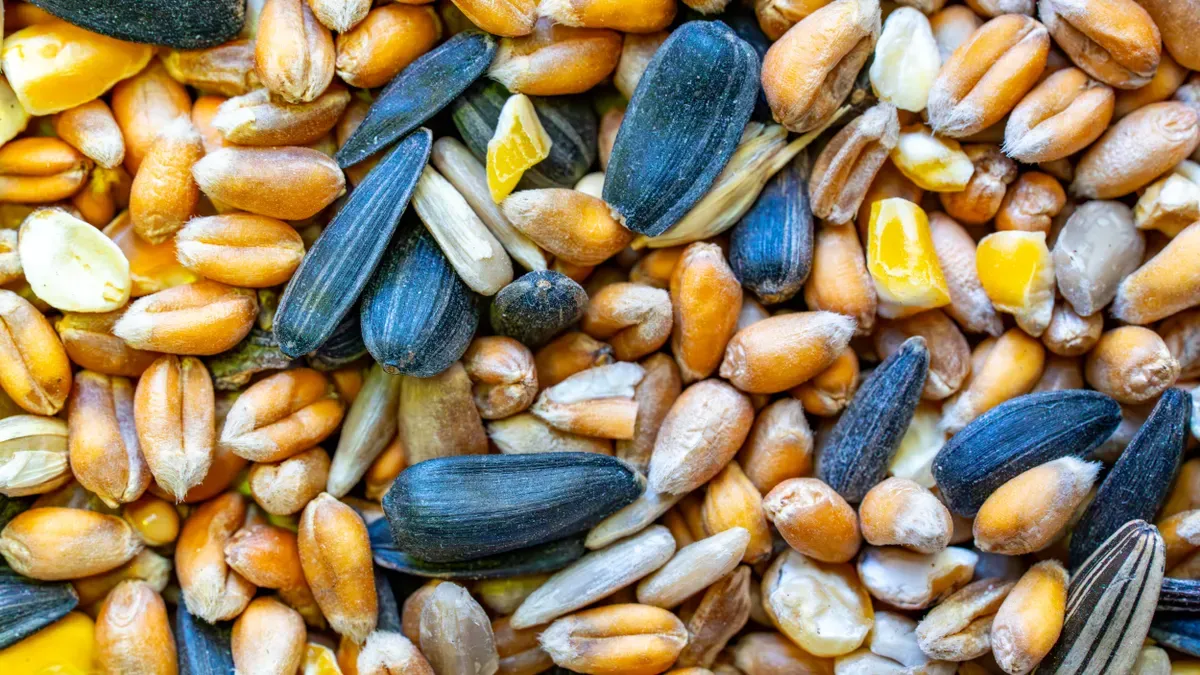
You want your dog to eat good proteins at every meal. Animal proteins help your dog grow strong muscles and heal. Most top dry dog food brands use many animal protein sources. Here is a table that shows what proteins top brands use:
Brand | Common Protein Sources |
|---|---|
Farmina N&D | Chicken, Lamb, Salmon, Boar |
Orijen | Chicken, Turkey, Fish, Lamb, Beef |
Animal proteins have more important amino acids than plant proteins. Plant proteins like soybean meal or pulses are harder for dogs to digest. Dogs can live on plant proteins, but animal proteins are better for their health.
Carbohydrates & Digestibility
Carbohydrates give your dog energy and fiber. These nutrients help your dog’s stomach and gut stay healthy. Dogs can digest cooked and processed carbohydrates very well. The rate is often over 90%. Good carbohydrates like lentils, peas, and sorghum are easy to digest. They are less likely to cause allergies than corn or rice. These foods also have a lower glycemic index. This helps control your dog’s blood sugar. Peas and lentils add both protein and fiber. This makes your dog’s food healthier.
Tip: Look for grain-free foods if your dog has allergies or needs a special diet.
Fats & Essential Nutrients
Healthy fats are important for your dog’s skin, coat, and energy. You should add important fatty acids to your dog’s food. Some good sources are:
Linoleic acid (omega-6) from chicken fat and sunflower oil
Alpha-linolenic acid (omega-3) from flaxseed and chia seed
EPA and DHA (marine omega-3s) from salmon, sardines, and marine oils
Omega-3 and omega-6 fatty acids help your dog’s immune system. They also help with swelling and joint health. These nutrients can make your dog want to eat more.
Vitamins, Minerals & Fortification
Your dog needs vitamins and minerals for strong bones and nerves. Dry dog food must have the right amount of these nutrients. Here is a chart that shows the recommended mineral levels for 2026:
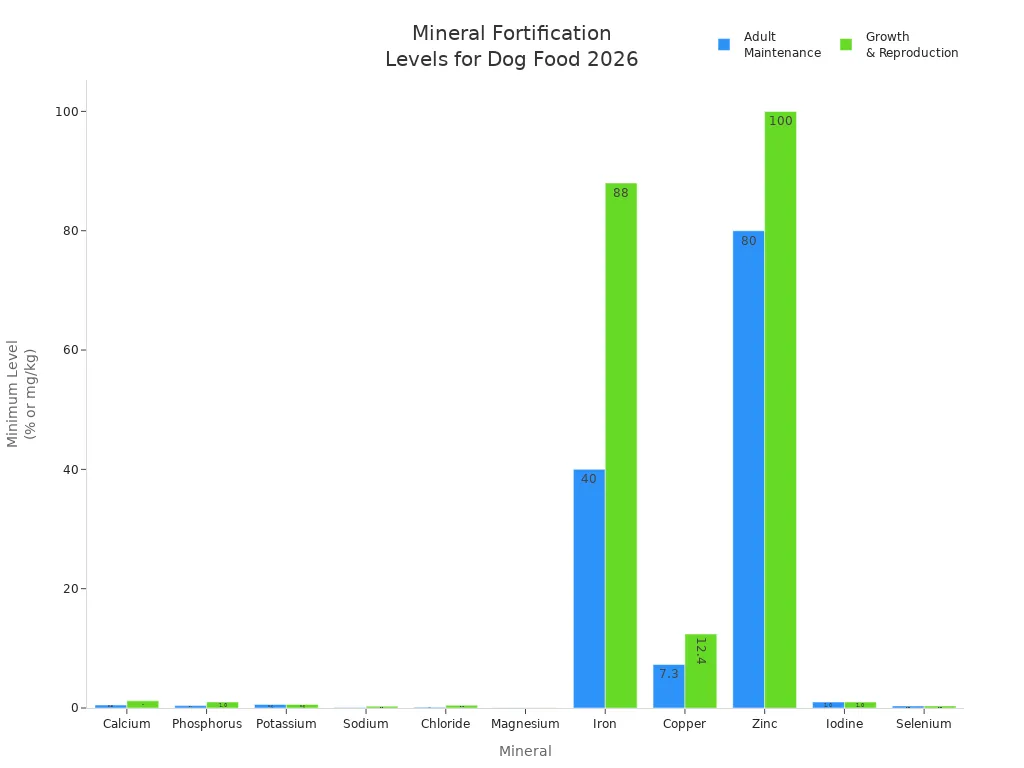
Fortification stops your dog from missing important nutrients. Thiamin, riboflavin, and pyridoxine help your dog’s nerves, growth, and metabolism. You should check petfood labels for these nutrients. This helps make sure your dog gets complete and healthy food. Natural dog food brands show these ingredients to prove their food is high quality.
Ingredient Quality & Sourcing with nuzoko
Supplier Evaluation & Transparency
You want to trust your dog’s food. Nuzoko works with trusted suppliers all over the world. They check each supplier for safety and quality. Nuzoko uses strong quality systems to test every batch. These systems use special tools to check ingredients. Nuzoko tracks each ingredient from start to finish. This helps keep your dog safe and healthy.
Transparency in the supply chain is important for you and your pet. When suppliers share information, you can find problems fast. You can stop foodborne illnesses before they spread. You can also make sure food comes from good sources.
Nuzoko works closely with suppliers to keep high standards. They only use high-quality proteins, vitamins, and minerals. This focus on quality helps your dog get the nutrients needed for good health.
Reading Ingredient Lists for Petfood
You need to read labels to know what is in your dog’s food. Ingredient lists give you important information. The order of ingredients shows what makes up most of the food. Major ingredients come first. These are usually proteins, grains, or vegetables. Minor ingredients, like vitamins and minerals, come later.
Here is a table to help you understand what to look for on a dry dog food label:
Key Element | Description |
|---|---|
Order of Ingredients | Ingredients must be listed from most to least by weight. |
Major and Minor Ingredients | Major ingredients are listed first. Minor ones include vitamins and preservatives. |
Nutritional Adequacy Statement | Shows the food meets your dog’s nutrition needs. |
Guaranteed Analysis | Tells you about the nutrients in the food. |
Feeding Guidelines | Gives you advice on how much food to give your dog. |
Manufacturer Contact Info | Lets you ask questions or share concerns. |
You should always check for a nutritional adequacy statement. This tells you the food is complete and balanced for your dog’s life stage. Look for guaranteed analysis to see the levels of proteins, fats, and other nutrients. Feeding guidelines help you give the right amount of food. If you have questions, use the contact information on the label.
Sourcing Practices for Nutritious Pet Food
You want your dog to eat healthy food every day. Nuzoko uses careful sourcing to keep every ingredient safe. They work with suppliers who follow strict rules. Nuzoko checks every batch for quality and safety. They use advanced labs to test for nutrients and problems.
Nuzoko believes good food starts with good ingredients. They use only trusted sources for proteins, vitamins, and minerals. This helps your dog get the nutrition needed for strong muscles, healthy skin, and a shiny coat. Nuzoko’s team works to keep the balance of nutrients in every recipe. They avoid ingredients to avoid, like fillers and artificial additives.
You can trust nuzoko because they show you where their ingredients come from. They believe in transparency and traceability. This means you always know what your dog is eating. You help your dog stay healthy when you choose food from brands that care about quality and safety.
Ingredients to Avoid in Dog Food
Fillers & Byproducts
You want your dog to eat healthy food every day. Some dry dog food brands use fillers and byproducts that are not good for dogs. These ingredients can make your dog’s food less healthy and may cause problems later.
Meat meal, bone meal, and by-product meals come from leftovers at the slaughterhouse. These do not have many nutrients and are hard for dogs to digest.
Words like “animal by-products” or “meat by-products” do not say what is really in the food. These can be parts that people do not eat.
Cheap grain fillers like corn and wheat add calories but not much else. They do not give your dog the vitamins and minerals needed to grow strong.
You should check petfood labels for clear ingredient names. Pick dog food with real meat and whole grains instead of fillers.
Artificial Additives
Artificial additives can be bad for your dog’s health. Many dry dog foods use chemicals to keep food fresh or make it look nice. These chemicals do not help your dog’s body.
Associated Issues | |
|---|---|
BHA | Potential toxicity and health issues |
BHT | Potential toxicity and health issues |
Ethoxyquin | Potential toxicity, cancer concerns |
Artificial Colors | Allergies and digestive problems |
Artificial Flavors | Allergies and digestive problems |
Stay away from foods with BHA, BHT, and ethoxyquin. Artificial colors and flavors can cause allergies or upset your dog’s stomach. Always read the label to make sure your dog’s food does not have these additives.
Common Allergens
Some dog food ingredients can cause allergies. Allergies can make your dog itchy, give them a sore stomach, or cause other problems. The most common allergens in dry dog food are:
Chicken
Beef
Dairy products
Eggs
Fish
Lamb
Wheat
Corn
Soy
If your dog has allergies, try a limited ingredient diet. This food uses one protein and fewer ingredients. It helps you find out which foods cause problems. Always talk to your vet if you think your dog has a food allergy.
Special Formulation Considerations
Life Stage & Breed Needs
Dogs need different food as they get older. Puppies, adults, and seniors all have special needs. Puppies grow fast and need more energy and protein. They also need extra minerals for bones and brains. Adult dogs need food that keeps them strong and at a good weight. Seniors need food that helps their organs and keeps them healthy as they age. How often you feed your dog changes as they grow.
Life Stage | Feeding Frequency | |
|---|---|---|
Puppy | Supports growth, bone and brain development, energy needs | 3 to 4 meals daily |
Adult | Maintains healthy weight, muscle, digestion, energy needs | 1 to 2 meals daily |
Senior | Focuses on muscle maintenance, healthy aging, organ support | 1 to 2 meals daily |
Small dogs need more calories for their size. Big dogs need food that helps their joints and controls how fast they grow. Always check the label to make sure the food is right for your dog’s age and size.
Health Conditions & Functional Ingredients
Some dogs have health problems that need special food. You can help by picking food with the right ingredients. Dogs with allergies do better with new proteins like lamb or turkey. Make sure the first thing listed is a clear protein, not something unclear. Healthy fats and fatty acids like omega-3 and omega-6 are good for skin and brains. These also help dogs with joint pain. Look for food with extra vitamins and minerals for better health.
Pick new proteins if your dog has allergies.
Choose food with healthy fats and key nutrients.
Make sure the first ingredient is a clear protein.
Sustainable Ingredient Choices
You can help the earth by picking food made in a good way. Choose food with high-quality animal protein as the main part. Good food has no fillers and gives your dog what they need. Stay away from fake additives. Always read the label to see where the protein comes from. Clear labels help you pick better food for your dog and the planet.
Good animal protein helps your dog’s muscles.
Balanced food skips fillers and fake additives.
Clear labels tell you what protein is used.
Balancing Cost, Quality & Compliance
Cost-Effective Ingredient Selection
You want to give your dog the best food without spending too much. You can choose cost-effective ingredients that still support your dog’s health. Look for whole grains, quality animal proteins, and natural sources of vitamins and minerals. These ingredients help you keep your dog’s diet balanced and nutritious. Nuzoko uses smart sourcing and OEM/ODM solutions to help you manage costs. You can trust their supply chain to deliver safe and healthy dry dog food.
Tip: Compare ingredient lists and prices from different suppliers. This helps you find the best value for your dog’s food.
Regulatory Compliance in Petfood
You must follow rules when you make or buy food for your dog. These rules protect your dog’s health and safety. Groups like AAFCO and FEDIAF set standards for dry dog food. You should check that your food meets these standards. Labels must show clear information about nutrients, vitamins, and minerals. Nuzoko helps you meet these rules with their quality control systems. You can feel confident that your dog’s food is safe and legal.
Compliance Checklist | Why It Matters |
|---|---|
Clear labeling | Shows what is in the food |
Nutritional adequacy | Supports your dog’s health |
Ingredient traceability | Tracks food from source to bowl |
Consistency in Dog Food Ingredients
You want your dog’s food to be the same every time you buy it. Consistency means your dog gets the same nutrients in every meal. Nuzoko uses strict checks to keep each batch of food the same. They test for protein, vitamins, and minerals in every recipe. This helps your dog stay healthy and happy. You can trust that each bag of food supports your dog’s diet and balance.
Note: Consistent food helps prevent stomach problems and keeps your dog’s health steady.
You make a big difference in your dog’s health when you choose the right food. High-quality food gives your dog the protein, vitamins, and minerals needed for strong muscles and energy. You help your dog stay active and happy. Nuzoko supports you with safe food and trusted sourcing. You can lead the way in dog food by focusing on quality, health, and teamwork.
Pick food with clear ingredients.
Support your dog’s health with balanced meals.
Work with partners who value safety and innovation.
FAQ
What does a dog food nutrition label tell you?
You see important facts about your dog’s food on the dog food nutrition label. This label shows ingredients, feeding guidelines, and the nutritional adequacy statement. Reading dog food labels helps you check if the food meets aafco standards and gives your dog what they need.
How do I know if my dog’s food meets aafco standards?
You find a nutritional adequacy statement on the label. This statement means the food meets aafco standards for your dog’s life stage. Always check for this when you buy new food.
What are key vitamins and minerals my dog needs?
Your dog needs key vitamins and minerals for strong bones, healthy skin, and energy. Look for vitamin A, vitamin D, calcium, and zinc. These nutrients support your dog’s health and help them stay active.
How do I start transitioning to healthier dog food?
Start by mixing a small amount of the new food with your dog’s old food. Slowly add more new food over 7-10 days. This helps your dog adjust and keeps their stomach happy.
Why is reading dog food labels important?
Reading dog food labels helps you choose safe food for your dog. You learn about ingredients, feeding tips, and if the food has what your dog needs. You make better choices for your dog’s health.