

Palatability is a big concern in dry dog food making. Dogs pick food by smell, feel, and how many nutrients it has. Many dogs like moist and fresh foods more. These foods smell stronger and have more water. This is like what their ancestors ate. High fiber can make food taste less good. But fiber helps dogs digest food. Ingredients like liver can make food taste better. But too much liver is not good. Making dry pet food brings Palatability Challenges. These include losing smell and having uneven texture. Palatability changes how dogs eat and feel. It also affects if owners are happy. Companies like nuzoko use science to make pet food taste better.
Key Takeaways
Palatability is very important for dog food. It changes how much dogs eat and their health. – Palatants can make dry dog food taste and smell better. This helps dogs like the food more. – Makers need to balance nutrition and taste. This helps dogs enjoy meals and get what they need. – Tests like one-bowl and two-bowl tests show which flavors dogs like best. – Pet owner feedback helps improve dog food recipes. It also helps keep the food quality the same.
Role of Palatability in Dog Food
Why Palatability Matters
Palatability is important in dry dog food. It affects how dogs act with their food each day. Dogs use their senses to pick what to eat. If food smells and tastes good, dogs get excited. This makes them want to eat more. When dogs eat well, they get the nutrients they need.
Manufacturers care about palatability when making dog food. It helps dogs eat enough to stay healthy. If a dog does not like its food, it may not eat. People also avoid foods they do not like. To fix this, manufacturers add palatants. Palatants make food taste and smell better. This helps dry dog food seem more tasty.
Note: Palatability is not just about taste. It also means how food smells, feels, and looks. The shape of the kibble matters too. All these things help match what dogs like. This makes dogs eat their food often.
Impact on Dog Health
Palatability helps keep dogs healthy. If dry dog food does not taste good, dogs may eat less. This means they miss out on nutrients. Over time, this can cause health problems. Dogs may have dull coats or feel tired. Dogs like foods with more energy. They like foods with more fat and simple sugars. High fiber is good for digestion. But it can make food taste less good and dogs may eat less.
Dry food has low moisture. This makes it harder for smells to come out. Food may not seem as tasty. Hard kibble can be tough for some dogs to eat. Older dogs or dogs with bad teeth may not like it. When making dog food, manufacturers must balance nutrition and taste. They need to know what flavors and textures dogs like. This helps them make food that is both healthy and enjoyable.
Dogs eat more when food tastes the way they like.
Good taste helps dogs get steady nutrition.
Better taste means dogs feel healthier and happier.
Understanding Pet Food Palatability
What Is Palatability?
Pet food palatability means how much a dog wants to eat a food. Scientists say it is about the food’s look, smell, and taste. These things make a dog want to eat or not. Dogs cannot tell us what flavors they like best. So, experts watch how much and how fast dogs eat. Palatants are important for making food taste and smell better. These ingredients help dogs enjoy their meals and get the nutrition they need. Palatants also help dry dog food seem as tasty as wet food.
Product developers think about palatability when making new foods. They use palatants to make food taste, smell, and feel better. Palatability is a goal for new foods and helps improve old recipes. It is also used to check food quality. Dogs like foods that match what they enjoy. When food tastes good, dogs eat more and feel full.
Note: Palatants make eating more fun for pets and help them stay healthy by making sure they eat enough.
Measuring Palatability
There are different ways to measure pet food palatability. The most common tests are the one-bowl and two-bowl tests. In the one-bowl test, a dog gets one kind of food. Researchers see how much the dog eats. In the two-bowl test, dogs pick between two foods. Experts watch which food the dog eats first and how much it eats from each bowl.
Other ways to test include ranking tests, olfactometry, and watching how dogs act. These tests help experts know what dogs like best. Some tests look at how dogs think and how their bodies react to food. Product developers use these results to change palatants and make recipes better. Palatants are still very important for making dry dog food more appealing.
Common palatability tests:
One-bowl test
Two-bowl test
Ranking test
Olfactometry
Behavioral evaluation
Cognitive evaluation
Testing pet food palatability helps companies make foods dogs enjoy. It checks if palatants work well and if the food is good quality.
Palatability Challenges in Dry Dog Food
Ingredient and Aroma Loss
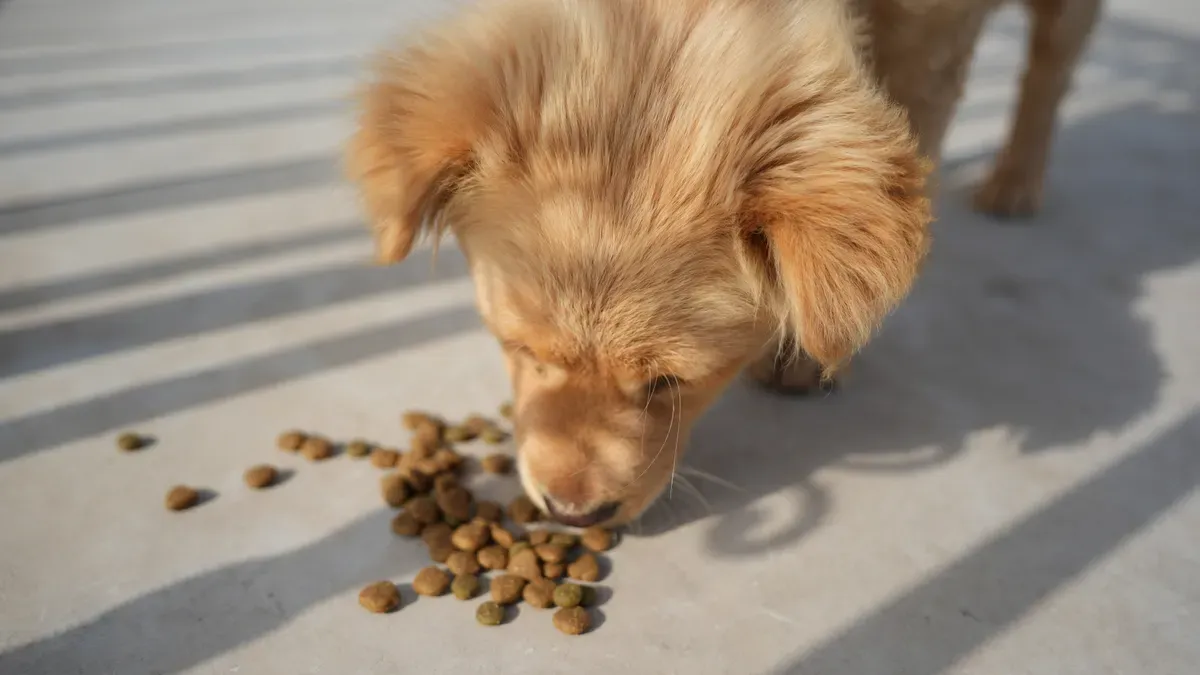
Manufacturers have problems making dry dog food taste good. Making the food can cause some ingredients and smells to go away. High heat during cooking can make flavors weaker. Dogs use their noses to pick what to eat. If the smell is gone, dogs may not want the food. This makes it hard for dogs to enjoy eating.
Fresh dog food keeps more smell and taste. It uses gentle cooking, so flavors stay strong. Dry dog food needs palatants to bring back lost smells and tastes. Palatants give the food a better smell and taste. This helps dogs want to eat it. The type of palatant can change how much dogs like the food. Some palatants use animal fats or digest sprays. Others use natural extracts or yeast. Manufacturers must pick palatants that are safe and healthy for dogs.
Tip: Using new palatants helps dry dog food smell and taste more like fresh food.
Consistency and Batch Variability
Keeping dry dog food the same every time is hard. Each batch can taste or feel different. This can make dogs not want to eat new bags of food. Many things can cause these changes:
Different raw materials can change taste and nutrition.
How the food is made changes texture and feel.
Moisture must be controlled to keep taste the same.
Adding palatants and fats is important for flavor.
If these things are not controlled, dogs may notice changes. They may not like the food as much. Dogs want their food to taste the same every time. Manufacturers need strong quality checks and tests to keep food consistent.
Sensory Factors in Dog Food Palatability
Dogs use their senses to decide if they like food. They notice flavor, smell, texture, and how the food looks. Palatants help make the food smell good before dogs even taste it. The shape and size of kibble also matter. Some dogs like crunchy food. Others like softer bites.
Manufacturers must make food that is both healthy and tasty. Old ways use simple digest sprays or add more fat for flavor. These ways do not work for every dog. New ways use special aroma compounds to make food taste better without changing nutrition. Scientists use data and new tools to make smells that dogs like.
Key Insight | Description |
|---|---|
Dogs like dry food more when it has strong smells that they notice before tasting. | |
Traditional Methods | Old ways use simple sprays or more fat, but this may not be healthy for all dogs. |
Innovative Approaches | New ideas use special aroma compounds to make food taste better and still be healthy. |
Molecular Engineering | In the future, scientists may use data to make smells that match what dogs like best. |
Solving palatability problems takes many steps. Manufacturers must use the right ingredients, better palatants, and good process control. Sensory tests help them learn what dogs enjoy. The goal is to make food that dogs want to eat every day.
Overcoming Challenges in Ensuring Palatability
Ingredient Optimization at nuzoko
Nuzoko solves palatability problems by picking better ingredients and using smart processes. The team chooses good proteins, fats, and easy-to-digest carbs for each recipe. They use research to learn what dogs like most. This helps them make food that is both healthy and tasty. Nuzoko’s experts try different mixes of animal proteins, grains, and special fibers. They change the amounts to make food taste better and help dogs stay healthy.
Choosing the right ingredients is very important in making pet food. Nuzoko checks if ingredients are fresh, smell good, and have good nutrition. The company finds ingredients that make food taste and smell better. They also think about how each ingredient works with palatants and other flavor boosters. This way, every batch of kibble tastes good and stays the same.
Tip: Picking the best ingredients helps palatants work well and keeps pet food quality high.
Advanced Palatants and Coatings
Palatants are key for making dry dog food taste better. Nuzoko uses science to pick and use palatants the right way. The company puts fats on the kibble first. Next, they add liquid palatants. Then, they finish with dry palatants. Doing it in this order helps the coating stick and cover every kibble.
Studies show that waiting to add dry palatants after fats does not hurt taste or coating. This gives more control when making pet food. Nuzoko also checks which nozzles to use and where to put them. These choices help palatants stick better to the kibble. Mixing in batch coaters also helps palatants spread out evenly.
Steps for adding palatants:
Spray liquid fats first.
Add liquid palatants for smell and taste.
Put on dry palatants to finish the coating.
Nuzoko’s team tries different palatants to find the best ones for each recipe. They use animal fats, hydrolyzed liver digest, yeast extracts, and natural flavors. These make the food smell and taste better, so dogs want to eat it. The company also checks how palatants mix with other ingredients. This makes sure every batch tastes the same.
Palatant Application Step | Purpose | Impact on Palatability |
|---|---|---|
Fat Spraying | Adds energy and flavor | Makes food smell and feel better |
Liquid Palatant | Boosts taste and smell | Helps dogs like the food |
Dry Palatant | Improves final aroma and flavor | Makes coating even |
Process Improvements for Aroma Retention
Smell is very important for dogs when they pick food. Nuzoko uses new ways to keep food smelling good while making it. The company sprays warm animal fats or oils on kibble to add flavor and energy. They put palatants like hydrolyzed liver digest and yeast extracts on after cooking. This helps keep the smell and taste strong.
Nuzoko also adds nutrients that can break from heat after the food is cooked. This keeps vitamins and minerals safe. Vacuum coating lets fats and nutrients go deep into the kibble. This makes the food last longer and not feel greasy. The company checks each batch to make sure the coating is even and the food tastes good.
Note: Making food smell better helps dogs want to eat and keeps the food healthy.
Nuzoko works hard to use the best ingredients and processes. Their science-based way makes sure every dog gets food that tastes, smells, and is good for them.
Testing Dog Food Palatability
In-Home Feeding Trials
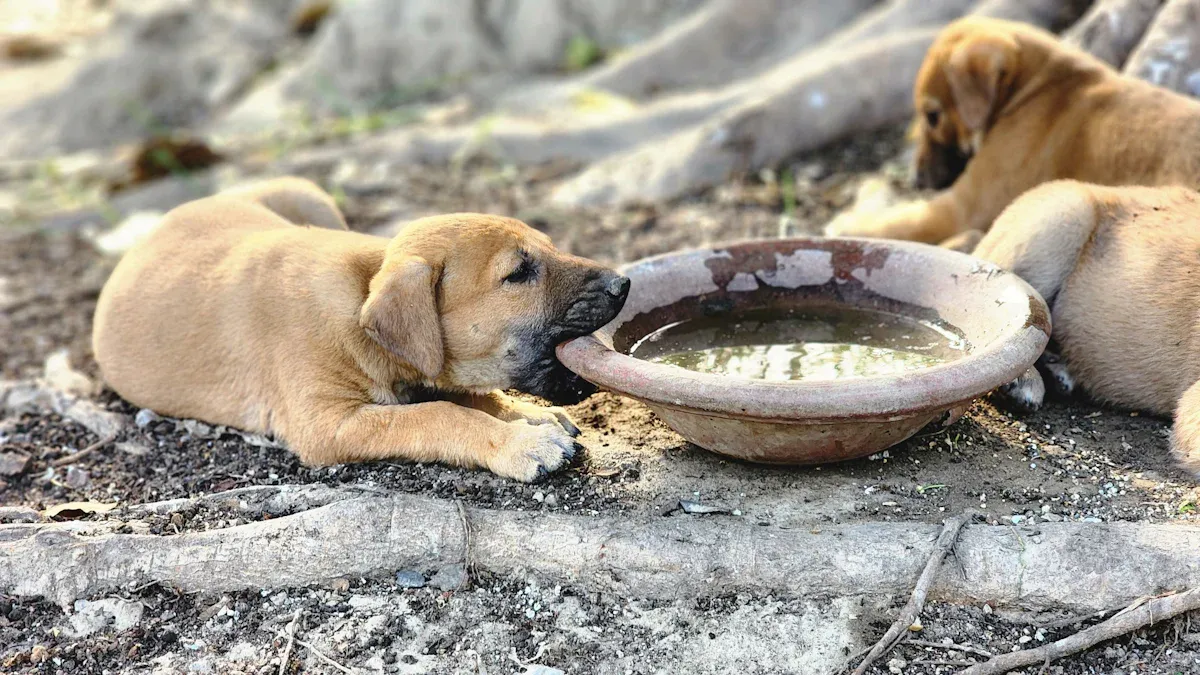
Manufacturers use in-home feeding trials to test palatability. They put dog food in homes so owners can watch their pets eat. Dogs try food in places they know well. This helps show what foods dogs really like. Owners check how much food their dogs eat and how fast they finish. This gives important clues about flavor and palatability.
Dogs use smell and taste to pick their food. In-home trials show how aroma and flavor change eating habits. Owners write down if dogs seem excited or happy while eating. These notes help companies learn which flavors dogs enjoy most. Palatability tests at home often show what dogs would choose naturally. This makes them a good tool for making new products.
Dogs build a picture of the tracked target using their sense of smell. This means their choices at home may be affected by smells.
Laboratory Sensory Tests
Laboratory sensory tests use controlled settings to check palatability. Scientists use different ways to measure flavor, smell, and texture. These tests help find which dog food recipes dogs like best. Lab tests include one-bowl and two-bowl tests. The one-bowl test checks how much food a dog eats. The two-bowl test lets dogs pick between two foods.
Researchers use olfactometry to see how smell affects palatability. Behavior evaluation watches how dogs act with different flavors. Automated systems track details like how fast dogs eat. Physiological evaluation checks things like heart rate or body temperature. This shows how flavor changes the body. Cognitive evaluation uses learning tasks to find steady preferences. These are less changed by past meals.
Methodology | Description |
|---|---|
One-Bowl Test | Checks how much food is eaten to see if dogs like it. Works well for in-home testing. |
Two-Bowl Test | Lets dogs pick between two foods to see which they like more. Measures first choice and total eaten. |
Olfactometry | Helps understand how smell affects pet food choices. Uses smell tests. |
Behavior Evaluation | Links how dogs act to what they eat. Uses machines to track details. |
Physiological Eval. | Shows body responses to food. Uses safe methods like infrared thermography. |
Cognitive Eval. | Uses learning to show food preferences. Gives steady results not changed by earlier meals. |
How owners greet their dogs does not change how dogs act. This means other things, like feelings, may affect what dogs like.
Lab tests add to in-home trials by giving clear data. Both ways help companies make dog food taste better and improve palatability.
Collaboration and Feedback
Partnering with Pet Owners
Manufacturers need help from pet owners to make dry dog food taste better. Owners tell companies what their dogs like or do not like. They say if their dogs do not want to eat or get excited at mealtime. This helps companies learn how dogs eat at home. Pet owners often see taste problems before anyone else does. Their notes help companies change recipes and improve products.
Manufacturers try to fix problems fast. They ask owners for details about the food and how the dog acted. Some companies want a sample of the food for lab tests. Others look for patterns in complaints to find bigger problems. The table below shows how top brands handle taste complaints:
Manufacturer | Complaint Handling Approach |
|---|---|
Addiction | They take complaints seriously, requesting detailed information from pet parents to identify relevant batches and possible causes for issues. A multi-disciplinary team investigates complaints within 48 hours and provides an initial report within 72 hours. |
Honest Kitchen | They document complaints, request samples for independent lab testing, and communicate results to customers. They track all reports of palatability issues to identify patterns in complaints. |
Petcurean | They log batch numbers and complaint details, engaging in dialogue with consumers to gather specifics. They may flag batches for further testing based on the information received. |
Pet owners are important for making dog food taste better. Their feedback helps companies make better food for pets.
Continuous Improvement at nuzoko
Nuzoko works with pet owners and other experts to make food better. The company gets feedback from customers all over the world. This helps them change recipes and improve taste. Nuzoko uses data from feeding trials and lab tests to see what dogs like most. The team checks each batch for taste and smell. They change recipes when owners or tests show a problem.
Nuzoko spends money on research to find new ways to make food tastier. The company updates how they make food to keep it smelling and tasting good. They check every batch for quality and fix problems right away. Nuzoko thinks that always improving makes dogs happier and food better.
Nuzoko listens to pet owners and experts.
The company tests recipes and checks taste often.
Feedback helps make sure every dog gets tasty and healthy food.
Manufacturers make dry dog food taste better by picking good proteins. They also use palatants in smart ways. Grinding, mixing, and extrusion help make food feel and taste right for dogs. Studies show protein, fat, and simple sugars make food taste better. Palatants like hydrolyzed animal digests bring back smells lost when making the food.
Palatability testing uses one-bowl and two-bowl tests to find what dogs like best.
Sensory analysis lets owners see how taste and texture change their dog’s eating.
Brands such as nuzoko use feedback and data to keep making recipes better.
Trend Description | Implication |
|---|---|
Powder palatants as a leading product | Easy to use in dry kibble, helping food taste the same every time. |
Clean label ingredient demand | Natural, meat-based palatants may cost more but are liked by health-focused owners. |
Species-specific palatant optimization | Helps meet what different dogs need. |
Market evolution to differentiated formulas | Focuses on clean labels and steady results. |
Pet owners should pick brands that care about science and quality. Learning about palatability and flavor helps dogs enjoy meals more. To learn more, check out sensory analysis and feeding trial resources.
FAQ
What makes palatability important in dry dog food?
Palatability makes dogs enjoy eating their meals. When food smells and tastes good, dogs get excited to eat. Good palatability helps dogs eat enough to stay healthy and happy.
How do manufacturers measure palatability in dog food?
Manufacturers use feeding trials and sensory tests. They watch how much and how fast a dog eats. These tests show which recipes taste better and help make new foods.
Can palatability affect a dog’s health?
Yes. If a dog does not like its food, it may eat less. This means the dog might not get all the nutrients it needs. Good palatability helps dogs eat well and stay healthy with shiny coats and energy.
What ingredients help improve palatability in dry dog food?
Animal proteins, fats, and palatants make food taste better. Manufacturers also use natural flavors and aroma compounds. These things make food more appealing to dogs.
How does nuzoko ensure consistent palatability in every batch?
Nuzoko uses strong quality checks and special ways to add palatants. The team tests each batch for taste and smell. This makes sure every dog gets food that tastes and smells good.



