

You can start your own dog food business in 2026 by choosing the right approach and focusing on quality. The pet food market keeps growing fast.
In 2025, the global pet food market reached $128.7 billion.
By 2026, it will grow to $135.0 billion.
Experts predict it will hit $191.2 billion by 2033.
Private label manufacturing gives you speed, creative control, and lower costs. You can enter the dog food business without building a factory. Nuzoko helps you with pet food, catfood, and treats while meeting strict rules. Success in the dog food business means you value safety and smart branding.
Key Takeaways
Do a lot of market research to find out what is popular and what customers like in pet food.
Create a special reason for people to buy your dog food by showing what makes your brand different.
Make sure you follow FDA and AAFCO rules so your pet food is safe and good quality.
Use both online stores and regular stores to sell your dog food so more people can buy it.
Pay attention to quality control and testing so customers trust your brand and think it is good.
Market Research & Niche Selection
Petfood Market Trends
You need to start with market research to understand the pet food industry. The pet food market changes quickly. You should know what shapes the choices of pet owners. In 2026, several trends stand out:
Trend | Details |
|---|---|
Premiumization | 41% of dog owners and 38% of cat owners buy premium pet food. This number grows every year. |
Functional & Health-Focused Nutrition | The functional pet food market will reach $3.35 billion in 2026. It could double by 2035. |
Fresh & Minimally Processed Pet Food | Fresh pet food sales in the US may grow by $3.2 billion from 2025 to 2029. |
Sustainability | 70% of pet owners care about climate change and want to help the planet. |
E-Commerce & Subscription Models | Online pet food sales reached $19.2 billion in 2024. They may double by 2033. |
You can see that pet food products with health benefits, fresh ingredients, and eco-friendly packaging are in demand. The pet food industry also grows online, so you should consider e-commerce for your brand.
Competitor Analysis
You must study other brands before you launch your own. Leading pet food brands use different strategies to stand out. Here are some examples:
Brand | Key Strategy |
|---|---|
Taste of the Wild | Uses natural ingredients and wild-themed packaging. |
The Farmer’s Dog | Delivers fresh food and offers personalized plans. |
Royal Canin | Makes special formulas for health needs. |
Lily’s Kitchen | Focuses on organic quality and strong visual identity. |
Bug Bakes | Offers sustainable food with insect protein. |
You can learn from these brands. You should find what makes your pet food products different.
Target Customer Profile
You need to know who will buy your pet food. Market research shows that millennials and Gen Z lead the pet food industry. These customers care about what goes into pet food products. They want healthy, safe, and sustainable choices. Many see their pets as family members. Urban millennials, Gen X, and health-focused adults spend more on premium pet food. They value convenience and celebrate their pets’ milestones.
Millennials and Gen Z focus on pet-first lifestyles.
Health advocates (ages 35-50) spend more on premium pet food.
Urban, moderate to high-income customers drive sales.
Emotional bonds with pets matter more than income.
Unique Selling Proposition
You must decide what makes your pet food brand special. New brands succeed when they use fresh ingredients, high protein, and clear nutrition labels. You can offer new recipes, like grain-inclusive or high-protein options. Customers trust brands that show ingredient quality and real nutrition facts. Focus on what your pet food products do best, not just marketing claims.
Tip: Use your market research to build a unique story for your pet food brand. Show how your products solve real problems for pet owners.
Product Formulation & Nutrition
Ingredient Selection
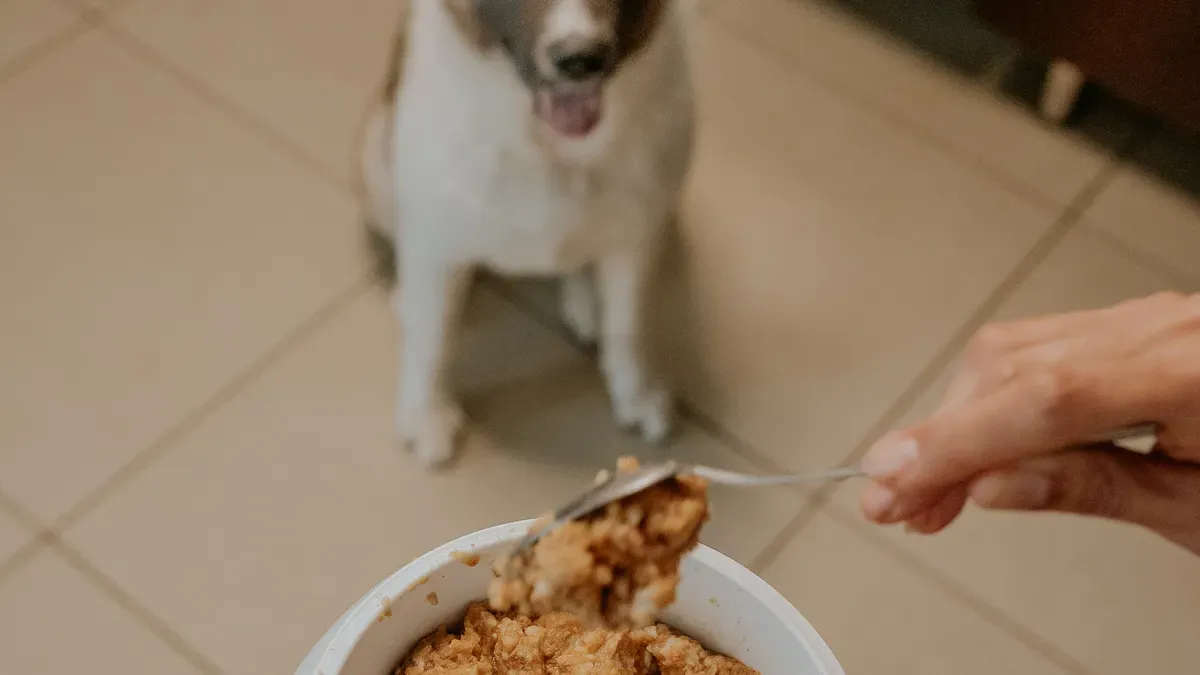
You should pick the best ingredients for your dry dog food. Good pet food brands use fresh meats, whole grains, and vegetables. Many brands add lots of meat and use less carbs. Some brands use human-grade ingredients or whole-food nutrients. You can look at Orijen, Sunday Pets, and Carna4 for ideas. They use air-dried meats, baked kibble, and local ingredients. Nature’s Logic and Petkind use novel proteins and green tripe. These choices help your pet food stand out. They also meet what modern pet owners want. High-quality treats use similar ingredients to boost nutrition and taste.
High meat inclusion
Whole-food nutrients
Human-grade ingredients
Novel proteins (like green tripe)
Regional vegetables
Recipe Development
You need to follow clear steps to make a balanced recipe. Start with a cooked protein like chicken or fish. Add easy-to-digest carbs such as rice or potatoes. Include cooked vegetables like carrots or peas. Use healthy fats like fish oil. Add calcium from eggshells or powders. Put in a multivitamin made for dogs. Control portion sizes for your dog’s needs. These steps help you meet nutrition rules and keep your product safe.
Tip: Try your recipe in small batches first. This helps you check taste and digestibility.
Nutrition Standards
You must follow strict nutrition standards for your pet food. The Association of American Feed Control Officials (AAFCO) sets rules for dry dog food. Complete and balanced pet food must have all needed nutrients in the right amounts. Intermittent pet food does not meet these rules and is for special cases. Treats and snacks do not need to meet nutrition rules. AAFCO requires minimum protein and fat, and maximum fiber and moisture.
Category | Description |
|---|---|
Complete and balanced pet food | Must have all needed nutrients in the right amounts, meeting AAFCO’s rules. |
Intermittent pet food | Does not meet complete and balanced rules; used for special cases, not all the time. |
Treats and snacks | Not required to meet nutrition rules; labeled as snacks or treats. |
AAFCO guaranteed analysis | Needs minimum crude protein and fat, and maximum crude fiber and moisture. |
You need to check your recipes against these standards. This makes sure your pet food is safe and healthy.
Regulatory Compliance for Dog Food Business
You have to follow many rules when starting a dog food business. These rules keep your products safe and help people trust your brand. If you want to sell in other countries, you need to know U.S. and international rules. Many brands work with partners like nuzoko. They know a lot about global rules and can help you avoid big mistakes.
FDA & AAFCO Guidelines
The FDA and AAFCO make the main rules for pet food in the U.S. You must do these things:
Put the product name, amount, and maker’s info on each package.
List all ingredients by how much is in the food.
Follow aafco rules for labels and nutrition claims.
Make sure health claims are true and have proof.
Use good ways to make food and have a safety plan.
Be ready for checks from the FDA or state workers.
Many states use aafco rules to make their own laws. You should look at these before you start your dog food business.
State & Local Rules
Every state has its own rules for pet food. You must sign up your products and sometimes get labels checked before selling. States often want you to follow federal rules and aafco model rules. Here is a quick look at common state rules:
Regulation Type | Description |
|---|---|
State Feed Control Laws | Each state decides how pet food is sold and moved. |
Registration Requirements | You must sign up your products and sometimes get labels checked. |
Compliance with Federal Standards | States want you to follow federal laws like the FFDCA and FPLA. |
Labeling Requirements | Labels must show nutrition facts and follow state rules. |
Inspection Authority | States can check your factory and make sure you follow rules. |
If you break these rules, you could get warnings, pay fines, or stop selling your food.
Licensing & Certifications
You should get special certificates to show your dog food is made well. These help with safety, recalls, and make buyers trust you more. Common certificates include:
Certification | Purpose |
|---|---|
ISO 22000 | Shows you use safe ways to make pet food. |
ISO 9001 | Shows your products are always good quality. |
ISO 14001 | Shows you care about the environment and waste. |
ISO 45001 | Shows you keep workers safe and healthy. |
ISO/IEC 17025 | Shows your lab tests are correct for nutrients and bad stuff. |
ISO/TS 22002-1 | Shows you use safe ways to make food. |
Nuzoko has many of these certificates and helps brands meet U.S. and world rules. This help makes it easier for you to sell in new places and grow your dog food business.
Manufacturing Pet Food with Nuzoko
If you want to make your own pet food brand, you need a partner who knows how to make pet food. Nuzoko helps with every step, from making new recipes to packing and shipping. You can trust their team to help you start your dry dog food, catfood, and private label dog treats.
Private Label Dog Treats Production
You want your brand to be special. Private label dog treats let you sell treats with your own brand name. Nuzoko helps you make treats that fit your ideas and what people want. You can pick from many shapes, tastes, and nutrition types. Nuzoko’s team uses science to help you with recipes. You can try new ideas and follow trends fast.
Here are some important things Nuzoko does for private label dog treats:
Capability | Description |
|---|---|
Independent Manufacturing | Nuzoko has its own factory. This gives you better quality and faster shipping. |
OEM/ODM Solutions | You can work with Nuzoko to plan, make, and finish your treats. |
Science-Based R&D Support | Experts with over 20 years of experience help you make safe and healthy treats. |
Flexible Custom Formulation | You can change recipes to match what your customers want. |
Integrated Manufacturing Control | Nuzoko checks each step, so you always get the same quality. |
Multiple Product Formats | You can pick baked, extruded, or special treats for your brand. |
If you want to pick a dog treat maker, look for these skills. These are important when you choose a company to help your business grow.
Catfood & Dog Food Formats
You need to choose the best type of pet food. Nuzoko gives you many choices for catfood and dry dog food. You can pick kibble, dehydrated food, or whole food clusters. Each type has good points for price, ease, and nutrition.
Here is a simple table to compare the main types:
Factor | Fresh Dog Food | DRY – Traditional Kibble | DRY – Dehydrated Dog Food | DRY – Whole Food Clusters |
|---|---|---|---|---|
Cost | $$$$ | $ | $$ | $ |
Convenience | Needs fridge or freezer | Shelf-stable, scoop & serve | Shelf-stable, add water | Shelf-stable, scoop & serve |
Processing | Very limited | Highly processed | Minimally processed | Minimally processed |
Moisture | High | Low | High | Medium |
Dry foods like kibble and clusters are easy to keep and use. They last longer and cost less money. Many pet owners like these choices for their pets. You can also sell catfood in these types to get more buyers.
OEM/ODM Solutions
You might want to make a new recipe or use your own idea. Nuzoko helps with both OEM and ODM ways to make pet food. OEM means you bring your own recipe or idea, and Nuzoko makes it for you. ODM means you work with Nuzoko’s team to make a new product together. You get help with everything, from picking ingredients to packing.
Here is a quick table to show the difference:
Service Type | Description |
|---|---|
OEM | You give the recipe or idea. Nuzoko makes the product and packaging for your brand. |
ODM | You work with Nuzoko to make a new recipe or idea. You get faster results and more help. |
You can pick the main ingredient, taste, and even the shape of your pet food. The smallest order is 5,000 kilograms for each kind. You can make small changes, use samples, or do full custom recipes. This helps you keep up with trends and what customers want.
Nuzoko’s skill in making pet food means you get good quality and fast service. You save time and money because you do not need your own factory. You also get help with catfood, private label dog treats, and other pet foods. Nuzoko’s system covers everything from making recipes to shipping worldwide. You can work on your brand while Nuzoko does the rest.
Tip: When you start your pet food brand, work with a partner who knows the rules and gives you good quality. Nuzoko’s private label and OEM/ODM services help you do well in the pet food market.
Quality Control & Safety
Assurance Protocols
You need strong quality control steps to keep pet food safe. Every part of making pet food is important. You check ingredients before using them. You watch how the food is made. You look at finished products to make sure they are good. The table below shows the main steps you should follow:
Quality Control Protocols | Description |
|---|---|
In-Process Control | You check at different times during making pet food to keep it safe and the same each time. |
Finished Product Inspection | You test in a lab and check taste to make sure the food is healthy and safe before selling. |
Packaging and Storage | You check packaging and storage to stop germs and keep pet food safe. |
Documentation & Traceability | You keep records and follow rules to show you are responsible. |
Tip: Following these steps helps pet owners trust you and keeps your brand safe.
Product Testing
You must test your pet food before selling it. Lab tests check for nutrients and water in the food. They also look for bad things that can hurt pets. Sensory checks make sure the food smells and looks good. These tests help you meet safety rules. You also check for germs and poisons. If you find a problem, you fix it before sending the food out. Testing keeps pets safe and shows you care about quality.
Traceability
Traceability lets you track every ingredient in your pet food. You give each ingredient a special code when it arrives. You write down where it came from and its test results. When you make pet food, you link these codes to the final product. You also record temperatures and tools used. This system helps you find products if there is a problem. If you need to recall pet food, you can find the cause fast. You use technology and clear steps to help with checks. Each step keeps pets safe and helps buyers trust you.
Traceability is important for following rules and protecting your brand.
You track ingredients with special codes and connect them to finished pet food.
You write down how you make the food and check each step.
You can find products in both directions to fix safety problems.
Note: Good traceability and quality control make your pet food business strong and trustworthy.
Branding, Packaging & Labeling
Brand Identity
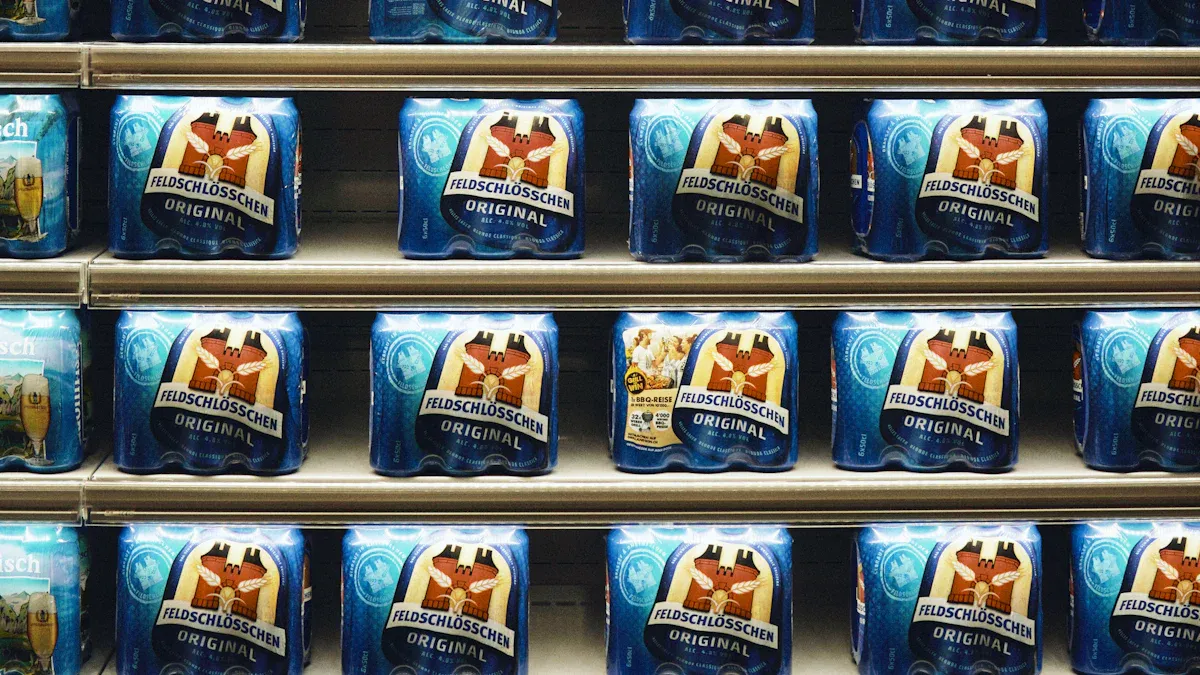
You need a strong brand identity to get noticed. Your brand should show what makes your pet food special. Look at other brands for ideas. The Farmer’s Dog uses special packaging and cares about health. Royal Canin helps with health problems and works with vets. Lily’s Kitchen uses bright packaging and talks about quality and helping the planet. Bug Bakes cares about the earth and uses eco-friendly ideas.
Brand | Key Elements of Brand Identity |
|---|---|
The Farmer’s Dog | Unique packaging, direct-to-consumer sales, convenience for pet owners, health-focused products. |
Royal Canin | Targeted niche marketing, expertise in health issues, trusted partnerships with veterinarians. |
Lily’s Kitchen | Strong visual identity, eye-catching packaging, emphasis on quality and sustainability. |
Bug Bakes |
You can build your brand by showing what pet owners care about. Show that you care about quality, health, and the planet.
Packaging Design
Packaging design helps your pet food stand out. It also helps people trust your brand. Many buyers want eco-friendly packaging. More than half look for packaging that is good for the earth. Almost half have bought pet food in packaging that can be recycled. Being green is important in pet food. You can use your packaging to show your brand’s values.
Trend | Percentage of Respondents |
|---|---|
Actively seek sustainable packaging | |
Purchased in sustainable or recyclable packaging |
People pay more for ingredients that are sourced the right way.
Eco-friendly packaging matters to many buyers.
Premium products that are good for the earth are popular.
Tip: Use your packaging to show how your brand helps the planet and bring in more buyers.
Labeling Requirements
Pet food labels must follow strict rules in the U.S. You need to put the product name and say which pet it is for. Your label must show the guaranteed analysis with protein, fat, fiber, and moisture. You must say if the food is complete and balanced and meets AAFCO rules. List all ingredients by weight. Give clear feeding directions and show how much is in the package. Include a calorie statement. If you use words like “natural,” you must follow the real meaning.
Product name cannot say “all” or “100%” unless it is true.
Say which pet the food is for.
Guaranteed analysis is needed.
Say if the food meets nutrition rules.
List ingredients by weight.
Show how much food is in the package.
Calorie statement is needed.
Extra statements must follow the rules.
Note: Good labels help you follow the rules and make buyers trust your brand.
Marketing & Distribution
Online & Retail Channels
Channel | Benefits |
|---|---|
Supermarkets | Easy to find, simple to buy |
Hypermarkets | Good for shoppers who want to save |
Online Stores | Delivery to homes, subscriptions |
Tip: Use both stores and online shops to reach more buyers and sell more pet food.
Launch Strategies
You need a good plan to launch your pet food. Here are steps that help new brands do well:
Tell people what makes your pet food special. Talk about healthy choices and top ingredients.
Use digital ads. Connect with pet owners on social media and work with influencers.
Make shopping personal. Use rewards and AI to give special offers.
Watch your spending. Make sure buying and selling are cost-effective.
Use smart prices and deals. Attract buyers who care about saving money.
These ideas help you earn trust and grow your pet food brand fast.
Global Logistics
Shipping pet food around the world can be hard. Changes in temperature can hurt pet food quality. You must follow safety rules when moving food. Problems in the supply chain can slow things down. You can fix these problems with tracking technology. Make storage and transport better. Work with partners you can trust.
Use tracking to watch shipments.
Improve storage and transport places.
Team up with good partners for shipping.
Note: Good shipping keeps pet food safe and helps you sell in more countries.
Financial Planning & Sustainability
Startup Costs
You need to make a budget before starting your pet food brand. Startup costs depend on where you are and how big your business is. For a medium-sized dry dog food business, you will spend $200,000 to $300,000. This money pays for many things:
Land and building
Machines and equipment
Utilities and packaging
Licensing and certification
First raw materials
You also need money for marketing and hiring workers. Careful planning helps you avoid problems and keeps your business running well.
Pricing Models
Picking the right pricing model helps you compete and make money. Many pet food brands use different ways to set prices. Here is a table to compare the most popular models:
Pricing Model | Description | Advantages | Challenges |
|---|---|---|---|
Cost-plus Pricing | Adds a set amount to costs for the selling price. | Easy to use and gives steady profits. | May not change with the market and is less flexible. |
Value-Based Pricing | Sets prices by what customers think the product is worth, not just costs. | Can give higher profits and make your brand stronger. | Needs lots of market research and can be risky if prices are too high. |
Penetration Pricing | Starts with low prices to get more customers and market share. | Helps your brand grow fast and get noticed. | Profits are lower at first and prices may need to change. |
Dynamic Pricing | Changes prices based on market and demand. | Can give more profits and lets you change prices easily. | Prices can change a lot and it is harder to manage. |
Psychological Pricing | Uses prices that make customers feel they get a good deal. | Can help you sell more and beat other brands. | Does not work as well for premium products. |
You can try different pricing models to see what works best. Always check what your customers like most.
Growth Planning
You need a plan to help your pet food business grow. There are many ways to get more customers and sell more products. The table below shows different ways to grow:
Model | Description | Advantages | Challenges |
|---|---|---|---|
Direct Sales (D2C) | Sell on your website or social media | Higher profits, control your brand | Needs online marketing |
Retail Distribution | Sell in pet shops or vet clinics | Reach more people | Need sales staff and stock |
Wholesale (B2B) | Sell to distributors | Steady money | Lower profits |
Private Label Production | Make products for other brands | Grow fast | Your brand is less visible |
Export Trade | Sell in other countries | Sell more | Needs certificates and shipping help |
You can use these ideas to help your business grow:
Sell smaller packages (5 kg or less) online.
Add QR codes for reviews and feedback.
Use ERP software to track sales and stock.
Make loyalty programs or subscription boxes.
Modern pet food buyers care about the planet and new ideas. You can use recycled packaging, plant-based proteins, and save energy. These steps help your brand stand out and protect the earth.
Tip: Focus on being green and creative to earn trust and get more customers.
Common Pitfalls in Pet Product Manufacturing
Starting your dog food business is exciting. You need to watch for mistakes. Many new brands face problems that slow them down or cause recalls. You can avoid these issues by learning from others and following good steps.
Regulatory Errors
Regulatory mistakes can stop your business before it starts. You must follow strict rules for pet food. Many new brands make errors with labels, ingredients, or claims. The table below shows the most common regulatory errors and how they affect your business:
Common Regulatory Errors | Description |
|---|---|
Labeling Mistakes | Errors in product labeling can lead to application denials. |
Ingredient Approvals | Using unapproved ingredients can result in compliance issues. |
Drug Claims | Claims that suggest a product can treat or prevent diseases are prohibited. |
Human Grade Claims | Products cannot be marketed as human grade without proper substantiation. |
Invalidated Claims | Missing documentation for claims like organic or non-GMO can lead to denials. |
USDA References | Misleading references to USDA inspection can result in application denial. |
Mismatched Product Names | Product names must accurately reflect the ingredients used. |
You need to check every label and claim. Always use approved ingredients and keep proof for special claims. Nuzoko’s experience helps you avoid mistakes and keeps your pet food safe.
Quality Issues
Quality problems can hurt your brand and cause recalls. You must test every batch of pet food. Many brands skip testing or use poor ingredients. You should set up strong quality checks. Nuzoko uses strict controls and science-based testing. You can use their methods as a guide. Always track ingredients and test for safety. This protects pets and builds trust with buyers.
Tip: Keeping quality high makes your dog food business strong and reliable.
Branding Mistakes
Branding mistakes can make your pet food hard to sell. You must build a clear brand identity. Many brands copy others or use confusing names. You should show what makes your pet food special. Use simple packaging and honest labels. Avoid claims you cannot prove. Nuzoko’s partners do well by focusing on clear branding and real benefits. You can learn from their approach and build a brand that stands out.
Note: Avoiding these mistakes helps your dog food business grow and keeps your pet food safe.
Launch Checklist
Pre-Launch Testing
You need to test your pet food before you sell it. Start with small batches. Give samples to dogs and ask owners for feedback. Check for taste, smell, and how well dogs digest the food. Use lab tests to make sure your pet food meets safety rules. Review your packaging for clear labels and correct information. Ask a few pet owners to read your labels and share if they understand the feeding directions. You can also test your website and online store. Make sure buyers can find your pet food and order it easily.
Tip: Testing helps you find problems before you launch your private label dog treat brand.
Launch Day Steps
On launch day, you need a clear plan. Start by checking your stock and making sure you have enough pet food ready to ship. Update your website with new products and prices. Announce your launch on social media and send emails to your list. Answer questions from buyers quickly. Track your first orders and watch for any issues with payments or shipping. Work with your team to solve problems fast. Take notes on what works well and what needs to change.
Step | Action Item |
|---|---|
Stock Check | Confirm inventory is ready |
Website Update | Add new pet food and prices |
Social Media | Announce launch and answer questions |
Order Tracking | Watch for payment or shipping issues |
Team Support | Fix problems quickly |
Post-Launch Review
After your launch, you need to review your results. Look at sales numbers and customer feedback. Check if buyers like your pet food and if they return for more. Review your marketing to see what brought in the most buyers. Ask your team for ideas to improve. Fix any problems with packaging, shipping, or product quality. Plan your next steps to grow your business. Keep learning from each launch to make your pet food brand stronger.
Note: A good review helps you build trust and improve your pet food for the future.
You can launch a successful pet food brand by following each step in this guide. Careful planning helps you avoid mistakes. You must follow all rules to keep your pet food safe. Working with experts like nuzoko makes pet food production easier. You get support for recipes, packaging, and global sales. Start your pet food business today and help pets live healthier lives.
FAQ
What is the minimum order size when working with a manufacturer like Nuzoko?
You can start with a minimum order of 5,000 kilograms per product. This helps you test your brand in the market without a huge investment.
How long does it take to launch a new dry dog food brand?
You usually need 3 to 6 months. This time covers recipe development, packaging design, regulatory checks, and production. Planning early helps you avoid delays.
Do I need special certifications to sell dog food in the U.S.?
Yes. You must follow FDA and AAFCO rules. Some states require product registration. Certifications like ISO 22000 or ISO 9001 help build trust with buyers.
Can I sell my dog food brand internationally?
Yes, but you must meet each country’s import rules. Nuzoko helps you with global compliance and logistics. Check the table below for key steps:
Step | Action Needed |
|---|---|
Research Regulations | Check each country’s rules |
Register Products | Complete paperwork |
Arrange Logistics | Plan safe shipping |
Tip: Always check local laws before shipping your products abroad.



