

You will need to work harder to stop problems in petfood making by 2026. Contamination is still a big worry. Dog food has arsenic and lead in it. This is true for dry and freeze-dried dog food.

New rules want supply chains to be more open. They also want ingredient traceability. Use innovation and automation to help stop problems. Work with partners like nuzoko to keep trust. This is important for both dog food and catfood makers.
Key Takeaways
Contamination is a big risk in pet food. It is important to test for germs and bad things often to keep pets safe.
Pet food needs the right nutrients. Checking vitamins and minerals often helps stop health problems in pets.
Good relationships with suppliers and checking them helps keep ingredients safe. Make sure suppliers are safe to lower contamination risks.
Using machines in production cuts down on mistakes. Machines help measure things right and make the food the same every time.
Having a plan for emergencies is very important. Get your team ready to act fast if there is contamination to keep pets and your brand safe.
Key Risks in Pet Food Manufacturing

Pathogens and Contaminants
Making pet food has many risks. Pathogens and contamination are big worries. Bad bacteria like Salmonella and Listeria can get into pet food. These bacteria can make pets and people sick. Microbiological testing helps find these dangers early. You must check for foreign material contamination. Drug residues or mycotoxins can be in pet food. These come from grain-based feeds or medicated ingredients. Recalls happen because of aflatoxin, Salmonella, or Highly Pathogenic Avian Influenza. You need to stay alert and use strict safety checks.
Pathogens | Contaminants |
|---|---|
Salmonella in raw pet food | Mycotoxins in grain-based feeds |
Clostridium botulinum in feed | Drug residues in medicated feed |
Common pathogens include:
Listeria spp.
Salmonella spp.
Toxigenic E. coli strains
Nutritional Imbalance Risks
You must balance nutrients in pet food. If you do not, pets can get sick. Recalls happen when vitamin D is too high or labels are wrong. Nutritional mistakes can cause weak bones or poor growth. You need to check formulas and ingredients carefully. Safety means you must test batches and watch vitamin and mineral levels. Nuzoko uses science and good ingredients to help you avoid these risks.
Supply Chain Weaknesses
Problems in the supply chain can raise risks. Seasonal changes affect how you get raw materials. Bad weather can slow down transportation. Labor shortages during busy times can cause stock shortages. These problems can lower product quality and hurt nutrition. You must plan ahead and build strong supplier relationships. Nuzoko offers control and compliance processes. This helps you keep safety high and reduce contamination. You can trust nuzoko for steady production and reliable delivery.
Food Safety Protocols and Automation
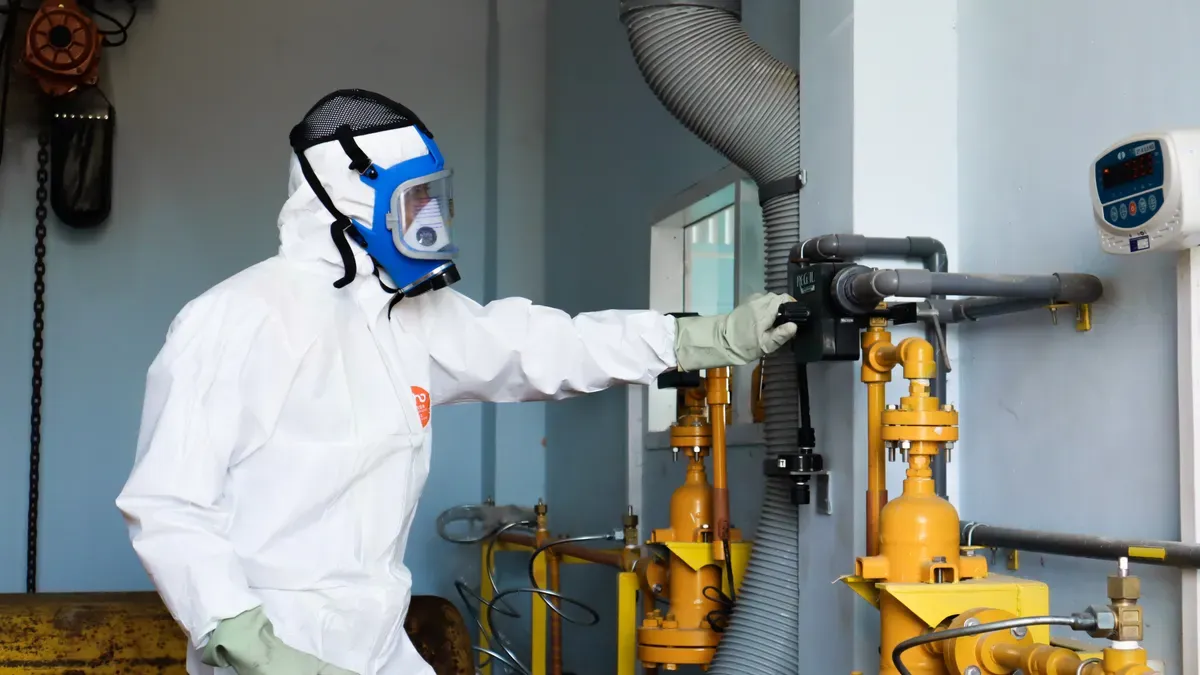
Sanitation and Hygiene Standards
You need to keep your facility clean to keep pets and people safe. Good cleaning and hygiene rules stop contamination before it happens. You should pay attention to these important things:
HEPA filters and positive air pressure help keep dust and germs out of the air.
Stainless steel surfaces are smooth and easy to clean, so bacteria cannot grow easily.
Workers must wash their hands and wear clean uniforms to stay clean.
Keeping storage areas under 80°F with good temperature and humidity control stops microbes from spreading.
Following FDA’s Current Good Manufacturing Practices and AAFCO guidelines means you meet top safety rules.
How you design your pet food facility is important. Separate zones keep raw ingredients away from finished food. Good air filters and drains help stop pathogens from spreading. All these steps work together to protect against contamination.
Batch Testing and Traceability
You have to test every batch to make sure your food is safe. Batch testing and traceability help you find problems fast and fix them before they reach stores. Some companies, like Ollie, test every batch every day and give a Certificate of Analysis. Others only test when there is a problem. You should try to be as safe as possible.
Manufacturer | Testing Frequency | Notes |
|---|---|---|
Ollie | Proactive approach with Certificate of Analysis | |
Other manufacturers | Skip-lot or reactive | Testing based on safety concerns only |
Traceability lets you follow each batch from raw materials to the store. This helps you do recalls quickly if you find a problem. It also makes everyone in the supply chain responsible. You should use detection and inspection systems to help your traceability program. These tools help you find contamination early and take action.
Automation to Reduce Human Error
Automation makes your facility safer and more dependable. Machines do the same jobs over and over without getting tired. This lowers the chance of mistakes. Automated systems measure ingredients exactly right. This means less waste and more consistent products. Automated checks help with quality control and make sure your food is safe.
Evidence Description | Impact on Human Error |
|---|---|
Automation consistently performs repetitive tasks | |
Automated systems ensure precise measurements | Minimizes product waste due to inaccuracies |
Automated checks enhance quality control | Ensures uniform product standards and traceability |
You should use automatic detection and inspection tools. These tools can find very small problems that people might not see. Digital monitoring systems let you watch safety data all the time. This helps you build a strong safety culture and follow global rules.
Rules are different in every country. You need to know the rules for each market you sell in. Here is a quick guide:
Region | Regulatory Body | Key Compliance Requirements |
|---|---|---|
USA | FDA | Oversees safety and labeling under FDCA |
USA | AAFCO | Sets nutritional guidelines and ingredient definitions |
EU | EFSA | Regulates pet food safety in the EU |
USA | USDA | Regulates meat-based ingredients in pet food |
China | MARA | Oversees pet food safety in China, requires registration of foreign facilities |
China | GACC | Requires documentation and hazard analyses for market entry |
EU | EU Regulation 142/2011 | Requires heat treatment of animal byproducts to a minimum of 90°C (194°F) |
You must teach your staff how to use detection and inspection equipment the right way. Training helps your team spot risks and act fast. This helps fix contamination and keeps your safety high. When you use automation, regular checks, and good training, you make your pet food operation safer for 2026 and later.
Nuzoko’s Approach to Pet Food Safety
Nuzoko is different from other pet food makers. You get one big facility with research, production, and packaging together. This makes it easier to check every step. Nuzoko uses advanced quality control systems. They follow international standards to keep food safe. You can trust Nuzoko to help you reach high safety goals. Their 26,000-square-meter facility lets you watch over everything. This helps you meet rules, keep products safe, and lower foreign material risks.
Supplier Verification and Auditing
You must know where your ingredients come from. You also need to know if they are safe. Nuzoko checks suppliers with a careful process. This protects your supply chain and keeps ingredients good. Here is how you benefit: You look for food safety risks before picking suppliers. You test every lot of ingredients. You check risks at each factory. You make a testing program that fits your needs.
Supplier audits happen often to lower contamination risk. These audits make sure suppliers follow safety rules. You test for things like mycotoxins and heavy metals. You ask for certificates of analysis for risky ingredients. You also check that suppliers have food defense plans. These plans stop people from harming food on purpose. Rules for finding and stopping threats keep your food safe.
Nuzoko’s supplier system uses ISO certifications. This makes suppliers more responsible. It also lowers the chance of bad ingredients. Audits and certifications help you follow safety laws. You write down every step from buying to packing. This shows you care about pet food safety.
Regulatory Compliance for 2026
Every year, new rules come for pet food makers. In 2026, FSMA will need you to check for hazards and set up controls. You must find risks early and stop them before pets get hurt. Nuzoko helps you with strong quality control and new processes.
Pet owners want to know what is in their pets’ food. They want ingredient transparency. People ask where ingredients come from and how they help pets. Nuzoko tracks every ingredient and shares this with you. They also use functional ingredients for pet health. This helps you meet what customers want.
Nuzoko’s big facility helps you follow rules everywhere. You get help with GFSI, FSMA, and local laws. Their quality systems help you pass checks and audits. You can see how Nuzoko compares to others in the table below:
Category | Facility A Compliance | Facility B Compliance |
|---|---|---|
Equipment | Non-compliant | Non-compliant |
Personnel | Non-compliant | Partially compliant |
Pest Control | Compliant | Compliant |
Production Flow | Compliant | Compliant |
Documentation | Non-compliant | Non-compliant |
Facilities | Non-compliant | Non-compliant |
Quality and Safety Controls | Non-compliant | Compliant |
Nuzoko meets or beats these standards. This gives you trust in your safety program.
Staff Training and Continuous Improvement
You need trained workers to keep pet food safe. Nuzoko spends money on staff training and learning. Training covers cleaning, hygiene, and knowing about hazards. You build a safety culture by teaching why rules matter and how to follow them.
Training helps you learn new tools, chemicals, or ways to work. You set clear rules and make sure workers follow them. Learning all the time lowers mistakes, which cause many problems. Special training helps everyone understand, even if they speak different languages.
You see real results from always getting better:
You protect people and pets by finding hazards early.
You follow rules and GFSI standards, so you can sell in more places.
You make food safety better and lower risks in your supply chain.
You build trust and make your brand stronger.
You raise quality and work faster, saving money and time.
You keep up with higher safety, quality, and green goals.
You create a team that cares about safety and doing well.
Nuzoko’s focus on training and getting better means safer food and a stronger business. You can count on Nuzoko to help you with pet food safety in 2026 and after.
Managing Risk Across Dog Food and Catfood
Cross-Category Safety Strategies
Making both dog food and catfood is not easy. Each type needs its own special care. Dog food is made with big machines that shape and dry kibble. Catfood is cooked in a different way and needs to keep in more water. You have to be careful with all ingredients. Catfood needs more vitamins and smaller meals. Dog food can have special diets and treats.
Here is a table that shows how making dog food and catfood is different:
Aspect | Dog Food Production | Catfood Production |
|---|---|---|
Market Share | Accounts for about 55% of the Pet Food Processing Market | Accounts for around 32% of the Pet Food Processing Market |
Processing Techniques | Large-scale extrusion, kibble forming, drying, coating systems | Retort cooking, gravy mixing, moisture-control systems |
Ingredient Handling | Precise blending, controlled cooking technologies | Specialized nutrition, complex raw ingredient handling |
Product Variability | Functional diets, breed-specific diets, specialty snacks | Premium, grain-free diets, small portion sizes |
Quality Control | Contamination-free environments for veterinary diets | Additional quality and hygiene requirements for veterinary diets |
Automation | Efficiency, consistency, scalability | Product consistency, throughput |
You need to stop contamination in both dog food and catfood. Bad germs can come in with new ingredients. Dry places can let germs stay for a long time. Adding flavors after cooking can bring in new risks. You need strong safety steps to stop these problems.
Germs can last a long time in dry places.
Adding things after cooking can be risky.
Nuzoko helps you with these problems. You get help that fits your needs. Pet food testing checks if food is safe and healthy. Stopping germs keeps pets safe before food goes to stores. Checking nutrition makes sure labels are true and clear.
Emergency Response Planning
You need to be ready for emergencies when making pet food. Contamination can happen in both dog food and catfood. You need a plan to act fast and keep pets safe.
Here are steps to make a good emergency plan:
Find important partners and make a planning team.
Write down key facts and make ways to share news.
A table shows the main parts of emergency plans for pet food:
Key Element | Description |
|---|---|
Preparedness | Exercise emergency plans to find weaknesses and improve response |
Response | Mobilize staff and resources to reduce harm, assess risks, communicate |
Lessons Learned | Share responsibility among regulators, industry, and consumers |
You should work with agencies before something bad happens. Use food emergency plans together. Check if you are ready and decide who does what if there is a problem. National and local teams help fix big issues.
Nuzoko helps you plan for emergencies in both dog food and catfood. You get advice to follow rules and keep your brand safe. You show customers you are ready for anything in pet food making.
You can make pet food safer by following easy steps. Pick good ingredients for your recipes. Clean your factory often and have strong safety rules. Work with trusted partners like nuzoko for help and steady supplies.
People trust pet food when you use good things, make it well, and show you care.
Keep making your process better and try new ideas to stay ahead. When you care about safety, new ways, and following rules, pet owners will trust you for a long time.
Benefit | Description |
|---|---|
New machines help you work faster and save money | |
Product Quality | Better ways make food safer and the same every time |
Consumer Trust | Meeting rules keeps pet owners happy and sure |
FAQ
What are the main risks in dog food manufacturing?
You can have problems like contamination and nutrition mistakes. Supply chain issues can also happen. These risks can hurt pets and your company. You need to check all ingredients. Test every batch of food. Keep your factory clean.
How does automation help reduce risk?
Automation lowers mistakes made by people. Machines mix and measure ingredients very carefully. This makes your products safer. You get food that is always the same quality.
Tip: Use digital monitoring to watch safety data right away.
Why is supplier verification important?
You must know where your ingredients come from. Verified suppliers give you safe and good materials. This keeps your supply chain strong. It helps you follow safety rules.
Step | Benefit |
|---|---|
Audit suppliers | Lower contamination |
Test ingredients | Ensure quality |
How does Nuzoko support regulatory compliance?
Nuzoko helps you follow rules in every country. You get help with audits and paperwork. They track ingredients for you. This makes selling your products easier everywhere.
What should you do during a pet food emergency?
You need to act quickly. Tell your team about the problem. Find out what happened. Talk to your partners. A clear plan keeps pets safe and protects your company.
Alert your staff
Investigate the issue
Communicate with partners



