Many new dog owners have trouble picking the right food. Brands often fail because they make mistakes that can be stopped. You should know why quality, safety, and trust are important. Reports show these problems cause brands to fail:
Lack of transparency
Safety issues
Inadequate quality control measures
You should look at your own habits as you read. New puppy owners often make mistakes that hurt their dog’s health. One mistake can put your puppy in danger. Catfood standards also help make sure your food is good. New dog owners need to avoid mistakes and give their puppy the best food.
Key Takeaways
Use good ingredients so your dog food is safe and healthy. Bad ingredients can cause recalls and hurt your brand.
Always follow rules from AAFCO and FDA. Following rules keeps your business safe and helps customers trust you.
Be open about where you get your ingredients. Pet owners want to know where their dog’s food comes from.
Change your dog food recipes for each life stage. Puppies, adults, and seniors need different diets.
Pay attention to what customers say to make your products better. Talking with pet owners helps you stay important and meet their needs.
Overlooking Regulations
Following rules is very important for any new dog food brand. If you do not follow them, you can lose your product, your reputation, and your business. Brands like nuzoko do well because they follow strict international standards and keep up with new rules.
Ignoring AAFCO and FDA Rules
You must meet the requirements set by the Association of American Feed Control Officials (AAFCO) and the Food and Drug Administration (FDA) in the United States. These rules protect pets and help customers trust your product. Here are the main things you need on your dog food label:
Mandatory Element | Description |
|---|---|
Product and brand name | The name under which the product is marketed. |
Species of animal | The specific type of animal the food is intended for. |
Net quantity | The amount of product in the package, typically measured in weight or volume. |
Guaranteed analysis | A statement of the minimum and maximum nutrient levels in the food. |
Ingredient list | A complete list of all ingredients in descending order by weight. |
Nutritional adequacy statement | A statement indicating that the food is complete and balanced for the intended species. |
Feeding directions | Instructions on how to properly feed the product to the animal. |
Name and location of manufacturer | The name and address of the company that produces or distributes the food. |
If you miss any of these, you can face big problems. Even small mistakes, like missing allergen labels, can make stores or websites remove your product right away. Here are some risks:
Type of Consequence | Description |
|---|---|
Product Deactivation | Your product can be removed from sale and inventory destroyed. |
Immediate Listing Removal | Listings can disappear overnight due to minor errors. |
Account Suspension | Your selling account may be suspended, hurting your brand. |
Financial Losses | Compliance issues can cause big revenue losses. |
Regulatory Actions by FDA | The FDA can recall, seize, or take legal action against your products. |
Missing Global Standards
If you want to sell in other countries, you must know that rules are different everywhere. In the U.S., pet food must follow strict laws under the Food, Drugs and Cosmetics Act. In Canada, rules are more relaxed and voluntary, so products may not always meet the same safety or labeling standards. This means you must work harder to meet U.S. requirements if you want to compete.
Tip: Stay updated by subscribing to resources like the AAFCO Digital Publication Package or using tools like AAFCO’s Virtual Assistant (AVA). These help you keep track of new rules and avoid costly mistakes.
Brands like nuzoko show that following global standards builds trust and lets you sell in more places. If you want to succeed for a long time, make regulatory compliance your top priority.
Poor Ingredient Choices
Choosing the right ingredients is one of the most important steps for any new dog food brand. You need to make sure every part of your product is safe, healthy, and easy to trace. Brands like nuzoko set a strong example by using high-quality sources and sharing clear information about their supply chain. This helps you build trust with pet owners and keeps your brand safe from costly mistakes.
Low-Quality Sourcing
If you use low-quality sources, you put your brand and your customers at risk. Unsafe or poorly sourced ingredients can lead to recalls, which can cost your business a lot of money and damage your reputation. For example, some brands have lost over a million dollars in sales after a recall. They also had to spend hundreds of thousands of dollars on testing and marketing to fix their image. You want to avoid these problems by choosing trusted suppliers and checking every batch for safety.
Tip: Always ask your suppliers for proof of quality and safety. Test your ingredients before you use them in your recipes.
Lack of Transparency
Pet owners want to know what goes into their dog’s food. When you share clear information about your ingredients and where they come from, you help pet owners feel confident in their choices. Strong traceability systems let you find and fix problems quickly, which is key for keeping your customers happy. You also lower your legal risks and may even pay less for insurance. Being open about your sourcing shows you care about animal welfare and the environment, which matches what many customers and regulators expect today.
Brands with good transparency:
Build more trust with pet owners.
Make it easier for customers to choose the right food.
Stay ahead of new rules and trends in the petfood industry.
If you want your brand to last, focus on quality and honesty from the start.
Unbalanced Nutrition
Incomplete Diets
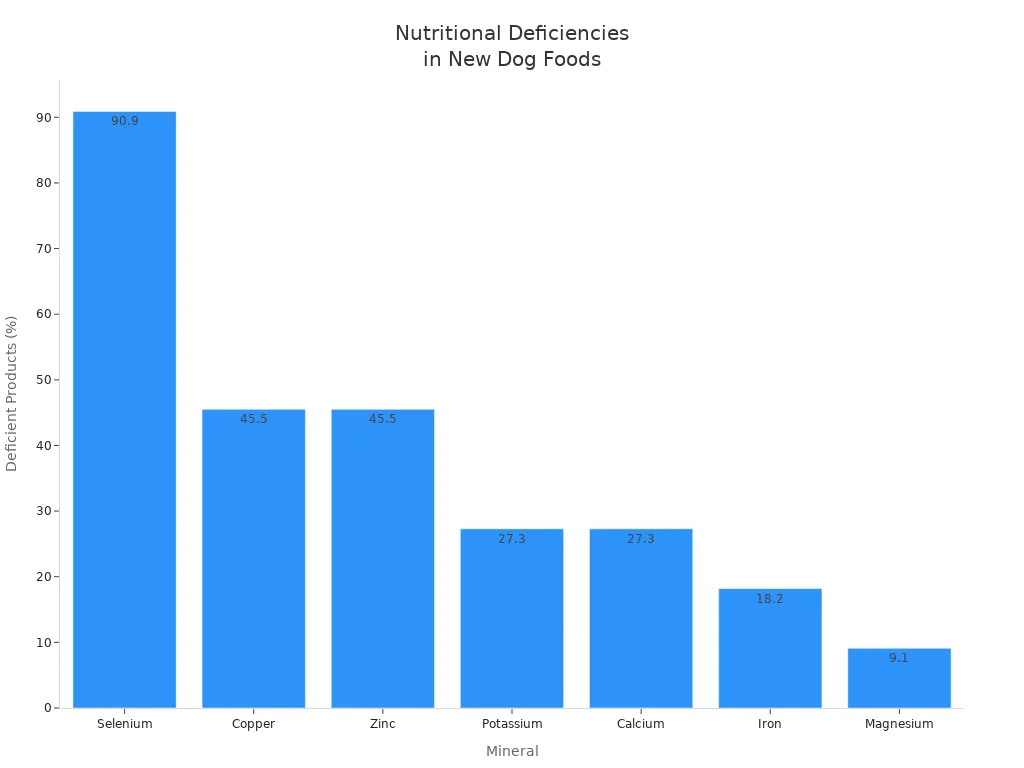
You want your dog to be healthy. Many new brands do not give enough nutrition. Some diets miss important minerals and vitamins. This can cause health problems and slow growth. Dogs may also have stomach issues. Veterinary nutritionists found many new dog foods lack minerals. The table below shows how often these minerals are missing:
Mineral | Number of Products | |
|---|---|---|
Selenium | 90.9% | 10 |
Copper | 45.5% | 5 |
Zinc | 45.5% | 5 |
Potassium | 27.3% | 3 |
Calcium | 27.3% | 3 |
Iron | 18.2% | 2 |
Magnesium | 9.1% | 1 |
Pick a diet that gives all nutrients your dog needs. Make sure there is good protein and the food fits your dog’s age. Vet-approved puppy food helps your dog grow strong. If your dog is overweight or not growing, it may need better food. A puppy nutrition guide can help you choose the right food and spot problems.
Ignoring Breed and Age Needs
Dogs need different food as they grow. Puppies need more calories and nutrients to grow. Adult dogs need food to keep their muscles strong. Senior dogs need fewer calories and special support. Many brands forget to change food for each stage. The table below shows common mistakes:
Life Stage | Common Mistakes Made by New Brands | |
|---|---|---|
Puppy | Requires higher caloric density and specific nutrients for growth. | Not addressing unique growth needs, feeding adult food too early. |
Adult | Maintenance food to support lean muscle and energy; portion control is crucial. | Continuing puppy food too long, not adjusting for activity levels. |
Senior | Adjusted calories, protein, and nutrients to support aging. | Failing to recognize when to switch to senior food based on breed size. |
Use vet-approved puppy food for young dogs. Change food as your dog gets older. Good nutrition helps with training and behavior. Homemade and commercial puppy food can affect growth. Switch your puppy’s food slowly to avoid stomach problems. Training and nutrition work together for healthy dogs.
Tip: Use a puppy nutrition guide and ask your vet for advice on the best food for each stage.
Neglecting Hydration
Dry Food Pitfalls
Many new dog food brands focus only on nutrients and forget about water. Dogs need water for every part of their body. Dry dog food, also called kibble, has very little moisture. Most kibble contains only 8-12% water. Dogs who eat only dry food may not drink enough water on their own. This can lead to dehydration, kidney problems, and urinary tract issues.
You may think your dog drinks enough from its bowl. In reality, many dogs do not drink as much as they need, especially if they eat only dry food. Signs of dehydration include dry gums, sunken eyes, and low energy. Puppies and older dogs face higher risks. You should watch for these signs and act quickly.
Tip: Always check the moisture content on your dog food label. Low moisture means you need to pay extra attention to your dog’s water intake.
Hydration Solutions
You can help your dog stay hydrated in several ways. Try these simple steps:
Add water or low-sodium broth to your dog’s dry food. This makes the food softer and increases water intake.
Offer wet dog food or mix it with dry kibble. Wet food usually contains 70-80% moisture.
Place several water bowls around your home. Clean and refill them often.
Use a pet water fountain. Flowing water can encourage dogs to drink more.
Here is a quick comparison:
Food Type | Average Moisture Content | Hydration Support |
|---|---|---|
Dry Kibble | 8-12% | Low |
Wet Food | 70-80% | High |
Freeze-Dried | 5-10% (rehydrate before serving) | Medium to High |
Remember: Hydration supports digestion, joint health, and energy. You can prevent many health problems by making sure your dog gets enough water every day.
Weak Branding
Branding shapes how people see your dog food. If you do not build a strong brand, you will struggle to stand out. Many new brands make the mistake of blending in with the crowd. You need a clear identity and a message that pet owners remember.
No Unique Value
You must show what makes your brand special. Pet owners have many choices. They look for brands that match their values and needs. A strong brand identity helps you stand out in a busy market. It builds trust and loyalty. When you tell a story that pet owners relate to, you create an emotional connection. This connection can influence their buying decisions.
You can use these strategies to set your brand apart:
Focus on a niche, like food for certain breeds or special diets.
Share your brand story. Let people know why you care about pets.
Use eco-friendly and smart packaging.
Choose high-quality ingredients that support pet health.
Pet owners want food that keeps their dogs happy and healthy. They also notice packaging and clear information. Good reviews and honest practices help you build a positive image.
Nuzoko stands out by offering science-driven nutrition and clear values. The brand uses quality ingredients and shares its story with customers. This approach helps nuzoko earn trust in many countries.
Inconsistent Messaging
You need to keep your message the same everywhere. If your website, packaging, and ads say different things, people get confused. They may not trust your brand. Clear and steady messaging helps people remember you.
Here are steps you can follow:
Use the same logo, colors, and voice in all places.
Make sure your product claims match what you deliver.
Share customer reviews and stories to build trust.
When you stay consistent, you help pet owners feel confident in your brand. You also make it easier for them to choose your products again and again.
Skipping Product Testing
Many new dog food brands rush to market without enough testing. You should never skip this step. Product testing protects dogs and builds trust with pet owners. If you do not test your food, you risk selling unsafe or incomplete products.
No Nutritional Analysis
You need to check the nutrition in your dog food. Nutritional analysis is more than just making a recipe. It means you test the finished product to see if it matches your goals. You should not guess or rely only on formulas. Testing shows if your food meets the right standards and gives dogs what they need.
You should provide recent test results from finished-product analysis, not just the recipe.
There is a big difference between planning a nutrient profile and proving it with real tests.
Regular testing is important, especially if you use ingredients that can change from batch to batch.
Nutritional analysis helps you meet standards and keeps your customers happy.
This process builds trust and shows you care about science and pet health.
Tip: Always test your final product, not just the ingredients. This helps you catch mistakes before they reach the market.
Safety Oversights
You must check for safety at every step. Skipping safety tests can lead to recalls, sick pets, and lost business. You should test for harmful bacteria, toxins, and foreign objects. You also need to check for allergens and cross-contamination.
Test every batch for safety.
Keep records of your tests.
Fix problems before you ship your product.
If you do not test, you put dogs at risk. Pet owners want to know your food is safe. Brands like nuzoko use strict testing to make sure every bag is safe and healthy. You can build a strong brand by making safety your top priority.
Ignoring Feedback
Listening to feedback helps you build a stronger dog food brand. Many new brands ignore what customers say. This mistake can lead to lost trust and missed opportunities. You need to pay attention to reviews and adapt to changes in the market.
Overlooking Reviews
Customer reviews give you important information. If you ignore them, you risk making the same mistakes again. Some dog owners share stories about their pets getting sick after eating certain brands. Others report itching or other health issues when switching to new formulas. These reviews warn you about problems that may affect your products.
Dog owners have reported their pets becoming sick after eating Taste of the Wild.
Some owners noticed itching after switching to a different variant of the same brand.
Negative reviews can cause customers to stop buying your food.
You should read reviews often. Respond to concerns and fix issues quickly. When you show that you care, you build trust with pet owners. You also learn what works and what needs improvement.
Tip: Use feedback to improve your recipes and make your products safer.
Not Adapting to Market
The dog food market changes fast. You must keep up with new trends and customer needs. In 2026, pet owners want products that match their values. They look for fresh, science-backed nutrition and brands that care about sustainability. The market now splits between premium products and affordable options. Brands that stay in the middle struggle to survive.
Pet owners choose products that support their values, like fresh ingredients and eco-friendly packaging.
Consumers either buy premium dog food or budget-friendly private-label brands.
The middle market is shrinking, so you must offer clear value.
You need to listen to what customers want. Use their input to create new products and improve old ones. Brands that adapt quickly stay ahead of the competition. You can use feedback to drive innovation and make your brand stronger.
Remember: Customer feedback is a tool for growth. Use it to shape your brand and meet the needs of pet owners.
Dog Food vs. Catfood Standards
Meeting Both Needs
You may think dog food and catfood are similar, but their nutritional needs are very different. Dogs and cats need different levels of protein, fat, and vitamins. If you try to use one formula for both, you risk missing important nutrients. The Association of American Feed Control Officials (AAFCO) sets clear standards for both. Look at the table below to see the main differences:
Nutrient Type | Dog Food (Growth/Reproduction) | Cat Food (Growth/Reproduction) | Dog Food (Adult Maintenance) | Cat Food (Adult Maintenance) |
|---|---|---|---|---|
Protein | 22.5% | 30% | 18% | 26% |
Fat | 8.5% | 9% | 5.5% | 9% |
Vitamins | Includes A, D, E, and others | Includes A, D, E, K, and others | Includes A, D, E, and others | Includes A, D, E, K, and others |
Minerals | Includes calcium, phosphorus, and others | Includes calcium, phosphorus, and others | Includes calcium, phosphorus, and others | Includes calcium, phosphorus, and others |
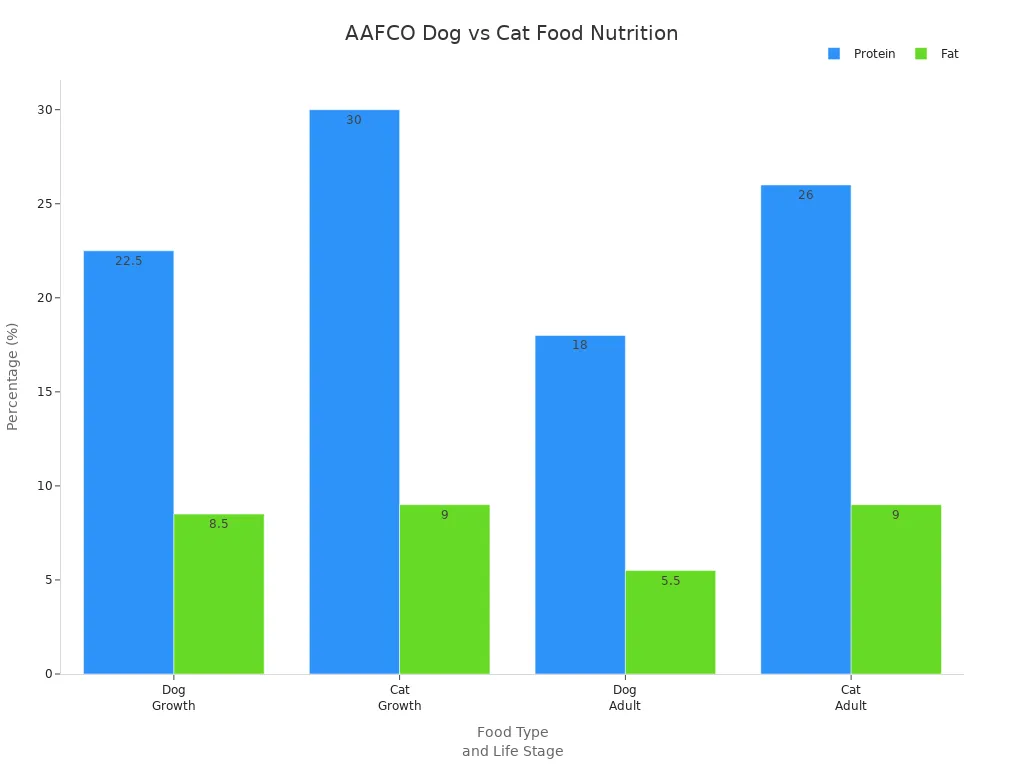
Catfood always needs more protein and fat than dog food. Cats also need vitamin K in their diet, while dogs do not. If you feed a dog catfood, it may get too much fat or protein. If you feed a cat dog food, it may not get enough nutrients and can become sick. You must check the label and make sure you meet the right standard for each pet.
Brands that try to make one product for both face many challenges. Here are some common problems:
Challenge Type | Description |
|---|---|
Co-packing Costs | Using co-packing can save money, but it makes production and quality harder to control. |
Quality Control Issues | You must keep quality high, even if you do not make the food yourself. Mistakes can happen easily. |
Compliance with Standards | Different rules for dog food and catfood make it hard to create one formula that works for both. |
Note: Always use separate recipes for dog food and catfood. This keeps your pets healthy and helps you follow the law.
Lessons from nuzoko
You can learn a lot from brands that meet both dog food and catfood standards. Nuzoko uses science to create formulas that fit each animal’s needs. The brand follows strict rules for both types of food. Nuzoko checks every batch and uses advanced testing to make sure each product is safe and balanced.
Nuzoko also works with experts to keep up with changing standards. The brand helps partners understand the difference between dog food and catfood requirements. You can see how nuzoko’s approach builds trust with pet owners and keeps pets healthy.
If you want to succeed, you should study the standards for both dog food and catfood. Use clear labels and test your products often. When you follow these steps, you protect your brand and help pets live better lives.
You can help your dog food brand last by not making these seven mistakes. Make sure your ingredients are good. Show where your ingredients come from. Be honest about how your company works. Build trust by talking to your customers and listening to what they want.
Always choose quality over just selling.
Be open about everything you do.
Talk to your customers often.
Begin now by using tools to keep track of your customers and make your service better. If you learn from mistakes, your brand will get stronger in 2026.
FAQ
What is the most important rule for new dog food brands?
You must follow all pet food regulations. These rules protect dogs and help you avoid recalls. Always check the latest standards before you sell your product.
How can you make your dog food stand out?
You can focus on high-quality ingredients and clear branding. Tell your story. Show why your food is special. Pet owners want to trust your brand.
Why does ingredient transparency matter?
Pet owners want to know what their dogs eat. You should list every ingredient and where it comes from. This builds trust and helps you avoid problems.
How do you test your dog food for safety?
You should test every batch for bacteria, toxins, and nutrients. Keep records of your tests. This keeps dogs safe and shows you care about quality.
Can you use the same food for dogs and cats?
No. Dogs and cats need different nutrients. Feeding the wrong food can make pets sick. Always use recipes made for each animal.