You want your cat to be healthy and safe. Many dry cat petfood options have fillers, fake additives, and poor ingredients. These things can upset your cat’s stomach and cause health problems later. Bad diets can make your cat miss important nutrients and get sick over time. To keep your cat safe, look at ingredient lists, watch out for tricky labels, and learn about petfood safety. Stay up to date on petfood quality so you can pick the best food for your cat.
Key Takeaways
Always read the ingredient list. Make sure real meat is first. Stay away from fillers like corn and wheat.
Check for spoilage signs. If the food smells bad, do not use it. If the color looks different, do not feed it to your cat.
Pick brands that use good manufacturing practices. Look for certifications like AAFCO for safety and quality.
Store dry cat food the right way. Use airtight containers. Keep them in a cool, dry place. This keeps the food fresh and safe.
Watch out for artificial additives. Do not pick foods with sweeteners, fake colors, or preservatives. These can hurt your cat’s health.
Why Pet Food Safety Matters
Health Risks of Poor-Quality Cat Food
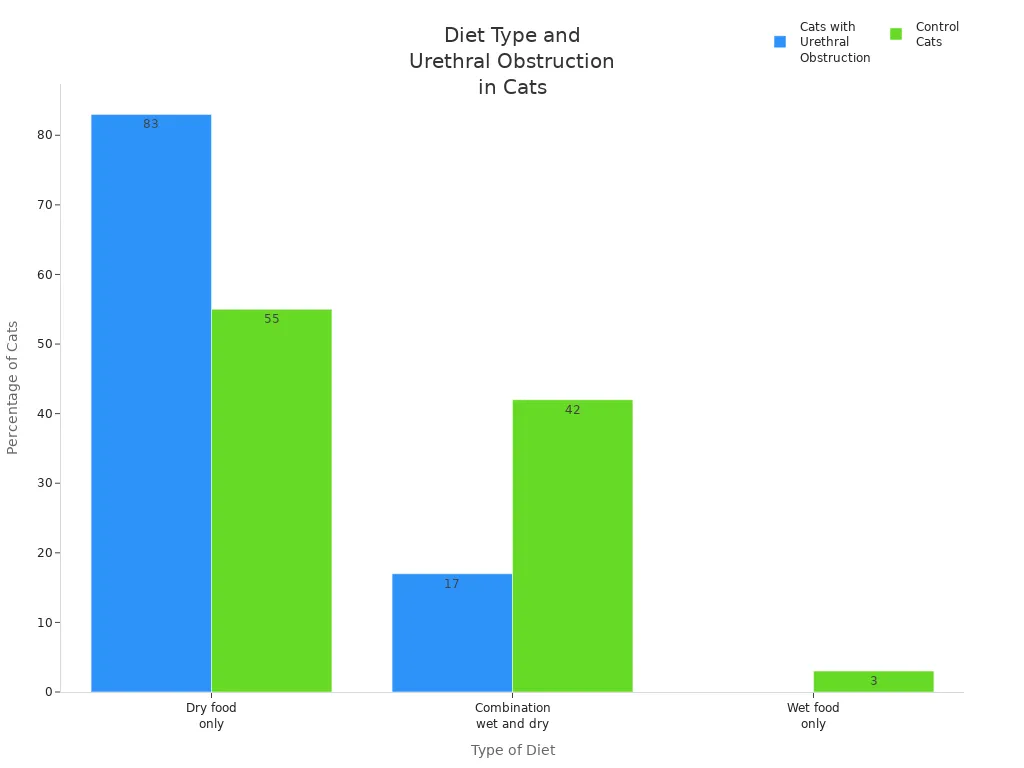
You want your cat to feel good and stay well. Bad cat food can make your pet sick. Many dry foods do not have enough water or protein. Cats need both to stay healthy. If you feed only dry food, problems may not show up fast. But after a while, your cat can get very sick. Studies show cats who eat only dry food get more urinary tract problems.
Cats must eat meat and need food with lots of water and protein. Dry food does not give them enough. This can make cats sick because they get most water from food.
A study showed 83% of cats with urethral blockage ate only dry food. Only 55% of healthy cats ate just dry food. No cats with this problem ate only wet food. This proves diet is very important for your cat.
Benefits of Safe Ingredients
Safe ingredients help your cat stay healthy. Good petfood uses real meat, healthy carbs, and natural preservatives. These foods help your cat have strong muscles and shiny fur. They also help your cat digest food well. You can find better cat food by reading the ingredient list. Pick food with real meat first. Stay away from fake colors or flavors.
High-Quality Label Example | Low-Quality Label Example | |
|---|---|---|
First Ingredient | Deboned Chicken | Corn Gluten Meal |
Protein Sources | Chicken Meal, Turkey Liver | Meat and Bone Meal, Chicken By-Product Meal |
Carbohydrates | Sweet Potatoes, Lentils (in small amounts) | Ground Wheat, Brewers Rice, Soybean Meal |
Preservatives | Mixed Tocopherols (Vitamin E) | BHA, BHT |
Additives | Dried Kelp, Taurine, Probiotics | Artificial Colors, Artificial Flavors, Salt |
When you pick food with safe, good ingredients, you help your cat stay healthy and happy.
Common Quality Issues in Dry Pet Food
Oxidation and Spoilage
You should check cat food for spoilage signs. Oxidation happens when fats touch air. This can make the food smell bad or taste weird. Spoiled food can upset your cat’s stomach. It can also make your cat sick. If you notice a bad smell or color change, the food is not safe.
Food safety reports show dry cat food can have different germs. Some samples have lots of germs. This means your cat could be at higher risk.
Sample Type | |
|---|---|
Sample A | BQL to above 3 × 10^7 |
Sample B | Above 10^4 |
Sample C | Above 10^6 |
Sample D | Below 10^4 |
Sample E | Above 10^6 |
If you see or smell anything odd, do not feed it. Always keep dry food in a cool, dry place. This helps slow down spoilage.
Mycotoxins and Mold Contamination
Mold and mycotoxins are big risks in cat food. Mycotoxins are poisons made by some molds. These molds can grow on grains and other foods. Warm, wet weather helps mold grow faster. Some mycotoxins in cat food are aflatoxins, deoxynivalenol, and fumonisin. These can make your cat sick for a long time.
Molds make mycotoxins that can get into crops.
Wet and warm places help mold grow more.
Aflatoxins, deoxynivalenol, and fumonisin are found in dry cat food.
Check for musty smells or mold in your cat’s food. If you find any, throw the food away right away.
Foreign Materials and Rendered Fats
Sometimes, foreign things get into cat food at the factory. These can be plastic, metal, or small stones. Eating these can hurt your cat or make it choke. Rendered fats are also a problem. Some companies use cheap fats to save money. These fats can spoil fast and are not healthy for your cat.
Look for food with good protein and healthy fats. Stay away from foods with words like “animal fat” or “meat by-product.” These words can hide bad ingredients.
Salmonella and Pathogen Risks
Pathogens like Salmonella can get into dry cat food. Salmonella is a germ that can make cats and people sick. Studies show Salmonella is in up to 18% of healthy cats’ poop. Your cat can look fine but still be sick. Some outbreaks in homes have come from dry cat food.
Some sickness outbreaks are linked to dry cat food.
The CDC found a Salmonella outbreak from recalled dry pet food.
Always wash your hands after touching cat food. Keep food in a sealed container to lower germ risks.
Peroxide Value and Fat Quality
Fat quality matters for your cat’s health. Bad fats can spoil and lose nutrition. Peroxide value testing checks fat quality in cat food.
Peroxide Value (PV) testing finds peroxides in the fat. Peroxides show fat is starting to spoil. High PV means the fat is going bad. This can change the food’s taste, smell, and safety.
PV testing is important because it shows if the fat is safe. Spoiled fat can hurt your cat and lower nutrition.
Pick brands that test their food for fat quality. Good companies use high-quality ingredients and follow safety rules.
Companies must pick safe ingredients for their food.
Good Manufacturing Practices (GMP) keep factories clean and lower risks.
Modern petfood safety uses machines to catch problems early. Regular germ tests and nutrition checks help keep food safe.
Routine Microbial Testing: Looks for germs like Salmonella and Listeria.
Nutritional Quality Control: Checks if food meets AAFCO rules.
By learning about these problems, you can keep your cat safe and pick better food.
Ingredient Quality in Petfood
Fillers and By-Products
It is important to know what is in your cat food. Many dry cat food brands use fillers and by-products to save money. Fillers like corn, wheat, and soy do not give cats the nutrition they need. Cats must eat meat because they are obligate carnivores. They need good protein, not cheap grains. Fillers can cause allergies and stomach problems. They can also make cats gain too much weight. Some cats can get diabetes or arthritis from eating lots of fillers. By-products like meat and bone meal are hard to track. These can come from bad sources and may have parts that do not help your cat stay healthy.
Tip: Always look at the ingredient list for things to avoid, like corn gluten meal, animal fat, and meat by-product.
Here is a table that shows common bad ingredients and their health risks:
Problematic Ingredient | Health Risks |
|---|---|
Budget-friendly fillers | Mold, diabetes, digestive issues, arthritis, allergies, kidney and liver problems |
Sweeteners | Obesity, diabetes, weight gain, hyperactivity, food addiction |
Rendered fats | Exposure to 4D meats, low-quality nutrients, possible carcinogens |
Food coloring | Hyperactivity, cancer risk, DNA damage, inflammation |
Animal and vegetable fats | Too many calories, weight gain, digestive discomfort |
Corn, wheat, soy | Allergies, digestive problems, GMO concerns |
Gums and thickeners | No nutrition, unnecessary fillers |
Artificial Additives
Artificial additives in cat food can hurt your cat’s health. Sweeteners like glucose and caramel can make cats fat and sick. Rendered fats may have bad meats and raise safety risks. Artificial colors and flavors can make cats act wild and may have chemicals that are not safe. Some additives, like propylene glycol, can hurt red blood cells. Preservatives such as BHA and BHT can cause health problems over time. You should not buy foods with these fake ingredients.
Sweeteners can make cats gain weight and want more food.
Artificial colors and flavors may cause allergies and change how cats act.
Some preservatives are linked to cancer and other health problems.
Limited Ingredient Sources
Where ingredients come from is important for your cat’s safety. Bad sources, like unnamed by-products or rendered fats, can put your cat in danger. Some pet food makers use 4D meats from dead or sick animals. These can hurt your cat’s organs and make the food worse. When you pick food with clear, named protein sources, you help your cat stay healthy. Always choose brands that say where their ingredients come from and test for safety.
Note: Good cat food uses real meat and does not have cheap fillers or fake additives. This helps your cat stay healthy and get good nutrition.
Dry Pet Food Storage and Safety
Improper Storage Risks
You must store dry cat food the right way. If you leave food open, it can spoil. Damp places make food go bad faster. Bacteria and bugs like mites and cockroaches can get in. Mold can also grow and make mycotoxins. Fats in the food can go bad and lose nutrition. Old food loses vitamins and is not safe. Always check the expiration date before feeding your cat. Dirty storage can let germs grow and hurt pets or people.
Tip: Keep food in airtight containers in a cool, dry spot. This keeps the food fresh and your cat safe.
Use airtight containers to keep air and water out.
Store food in a cool, dry place for best quality.
Always check for old food or signs of spoilage.
Use bags that keep out water and have zippers.
Pick packaging that seals tight or uses vacuum packing.
Mold, Yeast, and Pathogen Growth
Bad storage lets mold, yeast, and germs grow in food. Mold makes aflatoxins that can hurt your cat’s liver. Germs like E. Coli and Salmonella can get in during storage. Mycotoxins from mold can make your cat throw up or have stomach pain.
Description | Effects | |
|---|---|---|
Mold (Aflatoxins) | Made by aspergillus molds on grains and seeds in wet places. | Very toxic and can cause liver damage or failure. |
Pathogenic Bacteria (E. Coli, Salmonella) | Germs that get in food during making or storage. | Can make pets and people sick with food poisoning. |
Mycotoxins (Deoxynivalenol, Fumonisin) | Toxins from fusarium mold on grains. | Can cause stomach pain, vomiting, and other health problems. |
Quality Control Gaps
Some brands do not check storage or test for germs. This can put your cat in danger. Good brands use special bags to keep out air, light, and water. These bags help keep protein and nutrition safe. If you see cheap fillers or weak packaging, be careful. Always pick brands that use strong quality checks and good packaging to keep food fresh.
Cat Food Label Interpretation
Reading Ingredient Lists
You can learn a lot about cat food by reading the ingredient list. Ingredients appear in order by weight. The first ingredient makes up most of the food. Look for real meat, like chicken or salmon, at the top of the list. Avoid foods that start with corn, wheat, or soy. These do not give your cat the protein it needs.
Tip: If you see words like “meat by-product” or “animal fat,” you should choose another brand. These words can hide low-quality parts.
A good ingredient list looks simple and clear. Here is a quick guide:
Good Ingredients | Ingredients to Avoid |
|---|---|
Deboned Chicken | Corn Gluten Meal |
Salmon | Meat By-Product |
Turkey Meal | Animal Fat |
Brown Rice | Artificial Colors |
Peas | BHA, BHT (Preservatives) |
Spotting Red Flags
You should watch for warning signs on the label. Some words and phrases can trick you. Here are common red flags:
Vague terms like “animal meal” or “poultry flavor”
Long lists of artificial colors or preservatives
Sweeteners such as caramel or glucose
Unnamed fats or oils
If you see many ingredients you do not know, the food may not be safe. Brands that use clear names for meats and grains show more care for your cat’s health.
Decoding Marketing Claims
Many cat food packages use big words to get your attention. You might see “natural,” “premium,” or “made with real chicken.” Not all these claims mean the food is better. You can protect your cat by learning what these words really mean.
Understand the ingredient list to check if claims like “made with real chicken” are true.
Watch out for vague terms that do not have clear rules.
Look for brands that share where their ingredients come from and show nutrition studies.
Learn about “truth in advertising” laws. These laws help stop companies from making false claims.
Know that words like “natural” may not mean much unless there is a certification.
Check for seals or certifications on the package. These show the brand follows rules for quality and safety.
Note: You can keep your cat healthy by reading labels and not trusting every claim on the bag.
Signs of High-Quality and Safe Cat Food
Positive Ingredient Indicators
You can spot high-quality cat food by looking for certain ingredients. These signs show that the food will help your cat stay healthy:
The first ingredients are meat or fish. Cats need animal protein to build strong muscles.
The food contains taurine. Taurine is an important nutrient for your cat’s heart and eyes.
There are no added sugars. Cats do not need sugar, and it can make them gain weight.
The food has very few grains or plant ingredients. Cats do not need a lot of plants in their diet.
If you see these features on the label, you know the food is made for your cat’s needs.
Good Manufacturing Practices
You want to choose brands that use the best methods to make cat food. Good companies use high-quality ingredients and keep their factories clean. They follow strict rules for sanitation and hygiene. This helps stop germs from getting into the food.
Many factories use new technology to make food safer and better. Automation and data systems help control the process and keep the food the same every time. Some companies use high fresh meat injection technology. This keeps more nutrients and flavor in the food. Modern factories also store raw materials in climate-controlled rooms. This keeps the ingredients fresh and safe.
Tip: Brands that talk about their clean factories and new technology care about your cat’s safety.
Certifications and Testing
You should look for certifications on the cat food package. These show that the food meets high standards. Some common certifications are AAFCO (Association of American Feed Control Officials) and ISO (International Organization for Standardization). These groups check that the food is safe and has the right nutrients.
Good brands test their food often. They check for germs, toxins, and nutrition. If you see these tests and certifications, you can trust the food is safe for your cat.
You can keep your cat safe by knowing what to look for in dry cat food. Check if the food has real animal proteins and named fat sources. Try to pick foods with very few fillers. Store your cat’s food in a cool, dry place. Use sealed containers to keep it fresh. Always look for signs that the food is spoiled or dirty.
Pick foods with whole food carbohydrates and skip fake colors.
Read the ingredient list and find “no artificial colors or preservatives.”
Talk to your veterinarian to get advice for your cat’s health.
Paying attention to safety and nutrition helps your cat stay healthy.
FAQ
How can you tell if dry cat food has spoiled?
You can check for a sour or rancid smell. Look for changes in color or texture. If you see mold or bugs, do not feed it. Always check the expiration date before serving.
What ingredients should you avoid in dry cat food?
You should avoid these ingredients:
Corn gluten meal
Meat by-products
Artificial colors
BHA or BHT preservatives
Added sugars
These can lower food quality and harm your cat’s health.
Why do some cat foods use fillers?
Companies use fillers like corn or wheat to lower costs. Fillers add bulk but do not give your cat the protein or nutrients it needs. Cats need animal protein for strong muscles and good health.
What certifications show cat food is safe?
Look for these on the package:
Certification | What It Means |
|---|---|
AAFCO | Meets nutrition rules |
ISO | Follows safety steps |
USDA Organic | Uses organic sources |
These show the brand cares about safety and quality.