

You see the price of petfood and wonder what shapes it. In 2026, the main drivers of OEM dog food cost are ingredients and processing. For example, meat and bone meal costs only $0.12 per pound, which is much less than steak at $3.31 per pound. Understanding these differences helps you see why petfood prices vary. Global brands like nuzoko set high quality standards and influence how much you pay. The global OEM dog food market is expected to reach $54.45 billion, growing at a strong pace. When you know what goes into your petfood, you make better choices for your pet and your business.
Key Takeaways
Know that ingredient quality changes pet food prices a lot. Better ingredients give pets better nutrition.
Watch where ingredients come from. Prices can go up or down fast. This happens a lot with chicken.
Use good processing methods. Machines and automation can save money. They also make the food better.
Follow rules closely. Doing this keeps food safe and helps people trust the brand. Sometimes, this can make things cost more.
Pick good partners like Nuzoko. They help control costs and keep quality high. They also help with hard rules.
OEM Petfood Cost Drivers
Ingredients vs. Processing
When you see pet food, it is more than just kibble or wet food. The real cost starts with what goes inside and how it is made. Ingredients are the biggest part of the cost. Chicken is used a lot in pet food. The price of chicken can go up or down fast because of supply and demand. Companies have to keep an eye on the market for chicken, chicken meal, chicken fat, chicken liver, and chicken by-products. Each part of the chicken costs a different amount. This changes how much the pet food costs in the end.
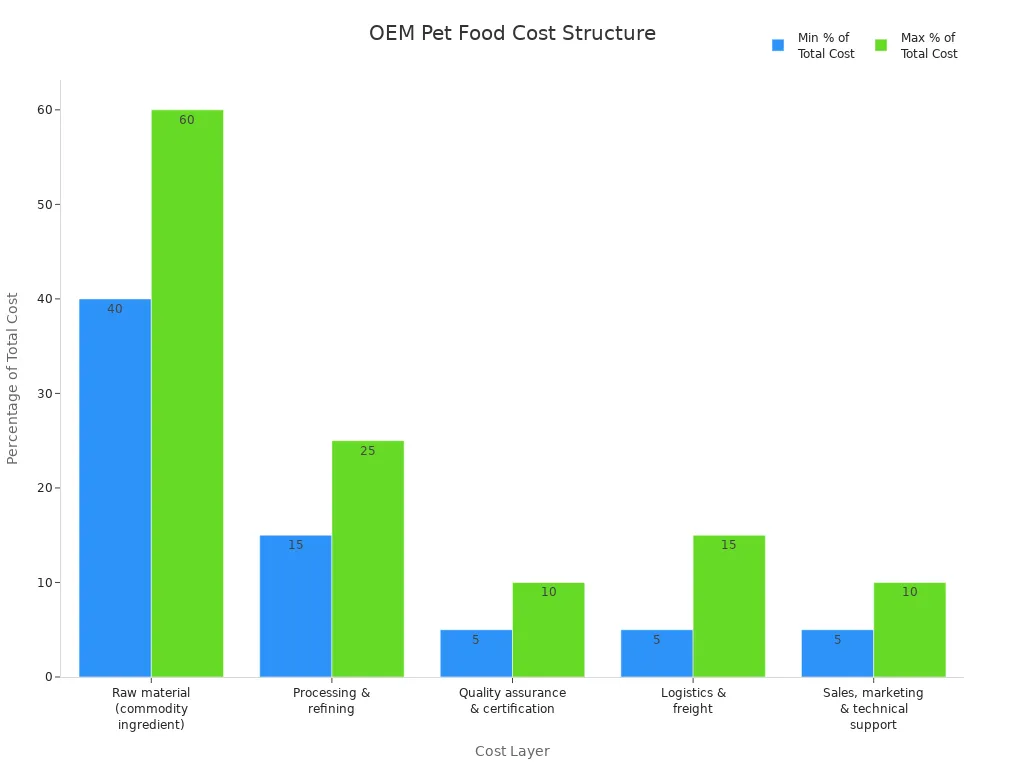
Processing is also important. Machines are needed to cook, dry, and pack the food. Freeze drying uses a lot of energy and workers. This step is needed for making chicken treats and other special foods. The table below shows how each part adds to the total cost:
Cost Layer | Percentage of Total Cost | Indicative Cost (USD/ton) |
|---|---|---|
Raw material (commodity ingredient) | 40-60% | 936 |
Processing & refining | 15-25% | 972 |
Quality assurance & certification | 5-10% | 1,008 |
Logistics & freight | 5-15% | 1,044 |
Sales, marketing & technical support | 5-10% | 1,080 |
Market Trends for 2026
In 2026, new things will happen in pet food. Private label pet food is selling faster than big brand names. Brands like nuzoko are leading by making food in many ways and checking quality closely. They use research to make better chicken recipes and other foods. You also have to think about problems in the global supply chain. If chicken or other ingredients are hard to get, prices rise. This changes how much pet food costs and how much it sells for.
Here are the main things that change OEM pet food cost:
Factor | Description |
|---|---|
Ingredient Sourcing | This is the biggest thing that can change; costs move with livestock cycles and supply problems. |
Freeze Drying Capacity | Needs a lot of money and energy; depends on electricity and workers. |
Packaging | Changes how long food lasts and looks in stores; bad packaging can make costs go up if food goes bad. |
Logistics | Changes how well shipping works; light foods can cost more to store and move. |
Nuzoko helps you with these problems by giving you good chicken and other ingredients, smart processing, and help with shipping. This makes it easier for you to give your customers great pet food.
Ingredient Costs in Pet Food
Common Ingredient Types
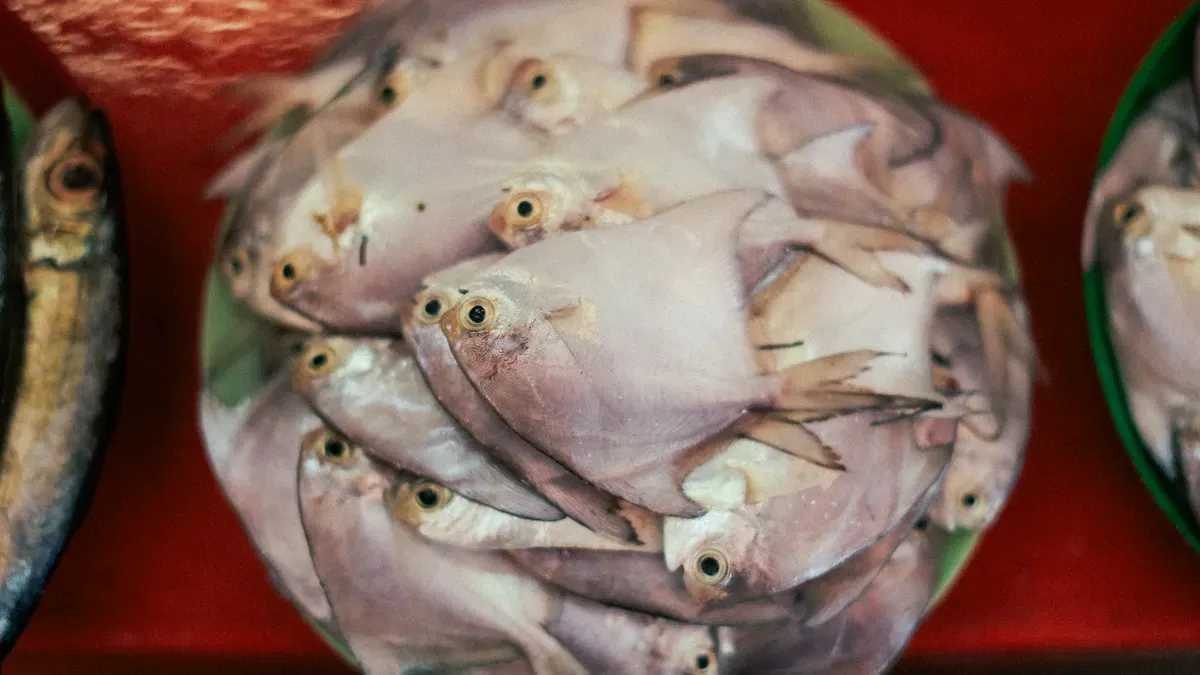
You see many types of pet food on the market, but most use a few main ingredients. Chicken is the most popular protein in dog food. You find chicken meal, chicken fat, and chicken liver in many recipes. Some brands use whole chicken, while others use by-products. Other common proteins include beef, lamb, and fish. Grains like rice, corn, and barley often appear in dry food. Sweet potatoes and peas are used in grain-free options. Fats, such as chicken fat or fish oil, help with taste and nutrition. Vitamins and minerals are added to make sure the food is complete.
Price Ranges and Sourcing
Ingredient prices change often. Chicken can cost between $0.80 and $1.50 per pound for whole cuts. Chicken meal and by-products cost less, usually $0.12 to $0.40 per pound. Fish and lamb are more expensive, sometimes reaching $2.00 per pound. Grains and vegetables cost less, but their prices can rise if there are supply problems. You see these changes in the final cost of pet food.
Sourcing practices play a big role in ingredient prices. When you look at the pet food industry, you notice that sales of dry dog food grew from $5.34 billion to $9.2 billion between 2004 and 2014. Wet dog food sales also increased, from $1.71 billion to $2.4 billion. This growth shows that how manufacturers source ingredients affects market pricing. If you choose local chicken, you may pay less for shipping. If you want organic chicken, you pay more for quality and certification. Brands like nuzoko work with trusted suppliers to get high-quality chicken and other ingredients. They check every batch for safety and nutrition.
Quality Impact on Cost
You may wonder why some pet food costs more than others. The answer often comes down to the quality of the ingredients.
The quality of ingredients in OEM dog food products significantly impacts their final cost. Higher quality ingredients, such as fresh meats, are more expensive than fillers like grains and by-products. Companies often use cheaper, less traceable ingredients to reduce costs, which can lead to lower quality products. Additionally, the necessity of fortifying lower quality foods with synthetic vitamins to meet nutritional standards can also affect pricing.
When you choose food with real chicken, you pay more, but you get better nutrition for your pet. If you pick food with chicken by-products, the price is lower, but the quality may not be as high. Nuzoko sources premium chicken and other pet food ingredients from reliable partners. They use strict quality checks to make sure every batch meets high standards. This focus on quality helps you trust what you feed your pet.
A good cost analysis looks at both ingredient prices and how they affect the final product. You see that ingredient choices, sourcing, and quality all shape the cost of pet food. When you understand these factors, you can make better decisions for your business or your pet.
Pet Food Manufacturing and Processing Costs
Equipment and Machinery
Pet food is made using special machines. These machines help decide how good and how expensive the food is. Each machine does something different. Mixers mix chicken and other things together. Twin screw extruders cook and shape the food. Dryers take out water so the food stays fresh. All these machines need power and space to work. Here is a table that lists some machines used to make pet food:
Equipment | Power (kw) | Voltage (v) | Weight (kg) | Capacity (kg/h) |
|---|---|---|---|---|
Mixer | 7.5 | 380v/50hz | 222 | 40-50kg/time |
Twin screw extruder | 35 | 1473 | 2500 | 220-300kg/h |
Dryer | 40 | 2000 | 5300 | With the host |
When you get new machines or add automation, making pet food gets easier. Better mixers help mix chicken and other things well. Automation lets you watch the process as it happens. This helps stop mistakes and keeps the food good. You also save money because there are fewer errors and less waste.
Labor and Utilities
Labor and utilities are big costs in making pet food. You need trained workers to run machines and check the food. They also pack the finished pet food. If you use more automation, you do not need as many workers for easy jobs. Your team can focus on important things like checking quality or making new recipes.
Utilities are things like electricity, water, and gas. Machines like dryers and extruders use a lot of energy. If you freeze dry chicken treats, your energy bill goes up. You have to watch these costs because they change your prices. If you pick machines that save energy, you spend less money. This helps you keep your pet food good and not too expensive.
Here are some ways that automation and better machines help with labor and utility costs:
Machines keep recipes the same, so you waste less food.
Energy-saving machines lower your bills for power.
Nuzoko’s Approach to Efficiency
Nuzoko is different because it has a big, modern factory. Everything is in one place, like research, making food, and packing. This means chicken and other things move quickly from one step to the next. You save time and make fewer mistakes.
Nuzoko uses good mixers and extruders to make sure every batch is right. Automation helps keep things running smoothly and the food always the same. You get better food and waste less. The Nuzoko team checks every step, from mixing chicken to drying and packing. They make sure the food is safe and healthy every time.
Working with Nuzoko shows you how making pet food can be cheaper and better. You get products you can trust that meet world standards, whether you want chicken recipes or something special.
Nuzoko’s way helps you control every part of making pet food. You get the best from new machines, skilled workers, and smart energy use. This makes your pet food business stronger and helps you compete with others around the world.
Regulatory Costs and Labeling
Compliance Standards for 2026
When you make pet food for other countries, you must follow strict rules. These rules keep pets safe and help people trust your brand. In 2026, there are new rules you have to know. Each place has its own rules. For example, Europe has strong laws about labels and animal care. You need to learn what each rule means for your company.
Regulation | Description |
|---|---|
Regulation (EC) No 767/2009 | Strict labeling requirements for nutritional claims |
New EU Pet Welfare Legislation (2025) | Mandatory microchipping and registration to combat illegal trade |
EU Green Claims Directive | Increased scrutiny on ‘eco-friendly’ or ‘natural’ marketing claims |
Swedish Animal Welfare Act | Higher space requirements and natural behavior opportunities for livestock |
KRAV Organic Certification | Requires 95% organic ingredients, enhanced animal welfare, and social responsibility |
You also have to follow pet food safety rules. These rules change how you pick ingredients and make labels. If you want to sell in Europe, you must show your pet food follows these laws. This can make your costs go up, but it helps you avoid trouble and fines.
Nuzoko helps you with these rules. Their team checks every label and package for you. They test all the ingredients and finished food to make sure it is safe. Nuzoko gives you advice about rules, so you can sell in new places without worry.
Packaging and Labeling Expenses
Packaging and labeling make pet food cost more. You need to design boxes and print your logo. Sometimes you add instructions or samples inside. If you sell in many countries, you print in different languages. Fancy finishes make your product look nice but cost extra.
Expense Type | Description | Impact on Cost |
|---|---|---|
Artwork Design | Costs associated with creating the visual elements of packaging. | Essential for brand identity. |
Box Materials | The type of materials used for packaging boxes. | Varies based on quality. |
Inserts | Additional items included in the packaging, such as instructions or samples. | Adds to overall packaging cost. |
Logo Printing | Printing the brand logo on packaging. | Increases brand recognition. |
Premium Finishes | Higher quality finishes for packaging. | Elevates brand perception. |
Multi-language Printing | Printing in multiple languages for wider reach. | Slightly increases costs. |
Every choice you make changes the price. Pet food makers must think about cost and quality. Good packaging keeps food fresh and safe. Clear labels help people trust your brand.
Nuzoko’s OEM/ODM process follows world rules. The company checks every label and package to make sure it is right. You get help to lower risks and sell in new places with confidence.
Tip: If you work with a company like nuzoko, you save time and money. You also make sure your pet food looks good and follows all the rules.
Cost Component Summary Table
Major Expense Breakdown
You want to know how your money is spent. Every step adds to the final price. The table below shows the main cost parts and what they cover:
Cost Component | Typical Share of Total Cost | What It Covers |
|---|---|---|
Ingredients | 40%–60% | Meat, grains, vegetables, vitamins, minerals |
Processing | 15%–25% | Mixing, cooking, drying, packaging |
Regulatory & Quality | 10%–15% | Safety checks, certifications, labeling, compliance |
Logistics & Freight | 5%–15% | Shipping, warehousing, delivery |
Marketing & Support | 5%–10% | Branding, customer service, technical help |
Ingredients are the biggest cost. High-quality meats and special recipes cost more.
Processing costs change with machines and energy. Efficient factories, like Nuzoko’s, help keep costs down.
Regulatory and quality costs pay for checks and rules. These are needed to sell in different countries.
💡 Tip: If you pick a partner like Nuzoko, you get help with every cost. Your product meets high standards and gets to the market fast.
This breakdown shows where your money goes. You can use this to make smarter choices for your business or your pet.
You can see that what goes into the food and how it is made changes OEM dog food costs in 2026. Brands such as nuzoko care about making good food and saving money. The way food is made can change how healthy it is, how safe it is, and how long it lasts. You can use these ideas to make smart choices:
Buy a lot at once to save money.
Pick brands that show where their ingredients come from.
Try new products that do more for your pet.
When you know what changes the cost, you can pick the best food for your business or your pet.
FAQ
What makes OEM dog food cost more in 2026?
You pay extra for better ingredients and new ways to make food. Strict checks also add to the price. Brands like Nuzoko use science to make recipes. Their factories work well and fast. These things cost more but make food safer and healthier.
How do ingredient choices affect the final price?
If you pick fresh meats or organic foods, prices go up. Cheaper fillers make food cost less but may not be as good. Nuzoko works with trusted suppliers. They check every batch to keep food safe and healthy.
Why does processing matter for pet food costs?
Freeze-dried and special foods need more energy and workers. Machines also cost money. Factories like Nuzoko’s use robots to save money. This helps keep food good and prices lower.
How does Nuzoko help with regulatory compliance?
Nuzoko’s team helps with labels and safety checks. They help you follow rules in other countries. This keeps you from making costly mistakes.



