

You want your cat to be healthy and safe. Picking the right catfood is important for this. Good manufacturers keep your pet safe from hidden dangers. Problems like germs, strange objects, and wrong nutrients can hurt your cat.
Recent studies show that bad manufacturing can cause recalls for these reasons:
Cause of Recall | Description |
|---|---|
Microbial Contamination | Germs like Salmonella and Listeria can make cats and people sick, so food gets recalled. |
Foreign Material Contamination | Sharp things from broken machines can choke or hurt cats, so food is recalled. |
Nutritional Imbalances | Wrong nutrient amounts can make cats very sick, so food is recalled to keep them safe. |
You should pick brands that are honest, check quality, and give good nutrition. Do not let cool ads make you forget what matters most—your cat’s health.
Key Takeaways
Pick cat food brands that own their factories. They care about quality control. This keeps your cat’s food safe and steady.
Check for AAFCO statements on cat food labels. These show the food meets important nutrition rules for your cat.
Ask makers where they get ingredients and how they test them. Good brands are open and share details with you.
Watch out for marketing claims. Pay attention to ingredient quality and certifications. Do not trust fancy words that can trick you.
Talk to your vet often about your cat’s diet. Your vet helps you pick the best food for your cat’s needs.
Why Manufacturer Reliability Matters
Health Impacts for Cats
You want your cat to be healthy. Reliable catfood makers give cats the right nutrients. If companies use bad ingredients or skip tests, your cat can get sick. Some problems from bad manufacturing are:
Using ingredients that are not good for cats
Not doing feeding trials, which can cause missing nutrients
Risk of diseases like secondary nutritional hyperparathyroidism
Picking a brand that cares about science and quality keeps your cat safe. Nuzoko makes catfood with lots of protein and little starch. This matches what cats need.
Risks of Poor Manufacturing
Unsafe manufacturing can hurt your cat. Contaminants can get into catfood if rules are not followed. Some dangers are:
Artificial preservatives like BHA, BHT, and Ethoxyquin can hurt organs and cause allergies
Low-quality fillers like corn, wheat gluten, and soy can cause bad digestion and make cats gain weight
Meat sources that are not clear, sometimes from sick animals
Artificial colors and flavors may cause allergies or make cats too active
Heavy metals like mercury and lead can build up in the body
Bacteria and viruses from raw or badly handled ingredients
Always check the label and ask how the food is made.
Signs of Trustworthy Brands
Trustworthy brands show how they make their food. They own their factories, do quality checks, and share info with customers. Nuzoko uses a modern factory and follows strict rules. Experts look for these signs when picking a good brand:
Criteria | Description |
|---|---|
Species-Appropriateness | Products respect cats as carnivores, focusing on animal ingredients and low carbs. |
Ingredient Quality | Animal protein comes first, and sourcing is clear. |
Customer Experience | Positive reviews and few complaints. |
Recall History | No recalls or strong safety record. |
Product Variety | Many options for different needs and flavors. |
Being open matters. The FDA warns companies that hide problems or do not tell customers about recalls. Brands like Nuzoko keep you updated and make safety important.
Catfood Standards and Regulations
AAFCO and Nutritional Adequacy
It is important to know if your catfood meets standards. The Association of American Feed Control Officials (AAFCO) makes rules for pet food nutrition. These rules help you make sure your cat gets what it needs. If you see an AAFCO statement on the bag, the food is complete and balanced. This means it is good for your cat’s age and health.
Nutrient Profile Standard | Description |
|---|---|
Complete and Balanced | Must meet AAFCO standards for the specific lifestage of the cat. |
AAFCO Statement | Indicates the product is formulated to meet AAFCO nutrient profiles or has passed feeding tests. |
Nuzoko follows AAFCO rules. You can trust their food to give your cat the right nutrients.
USDA, FDA, and Certifications
You want your catfood to be safe. The United States Department of Agriculture (USDA) and the Food and Drug Administration (FDA) help keep pet food safe. The FDA checks pet food factories for clean and safe work. The USDA checks ingredients and quality. Both groups help stop germs and keep your cat safe.
They look at factories to make sure rules are followed.
They focus on clean work and good ingredients.
Agency | Role in Cat Food Regulation |
|---|---|
FDA | Oversees finished pet food products and their ingredients, ensuring safety and compliance with food safety standards. |
USDA | Focuses on ingredient approval and quality control measures in pet food manufacturing. |
The FDA also tells companies to check for viruses like H5N1 in raw food. This helps keep your catfood safe from germs. Nuzoko follows these rules and uses safe ingredients.
Third-Party Quality Assurance
You can feel good when your catfood has third-party certifications. These programs check if the food is safe and high quality. Some well-known certifications are:
Safe Quality Food (SQF)
Quality checks build trust. When you see these marks, you know the brand cares about your cat. Nuzoko gets these certifications by following strict rules and using good factories.
Tip: Always look for third-party certifications on your catfood. They show the brand meets global safety standards.
Good brands like Nuzoko follow AAFCO, USDA, FDA, and third-party rules. You can trust their food to keep your cat healthy and safe.
Quality Control in Catfood Manufacturing
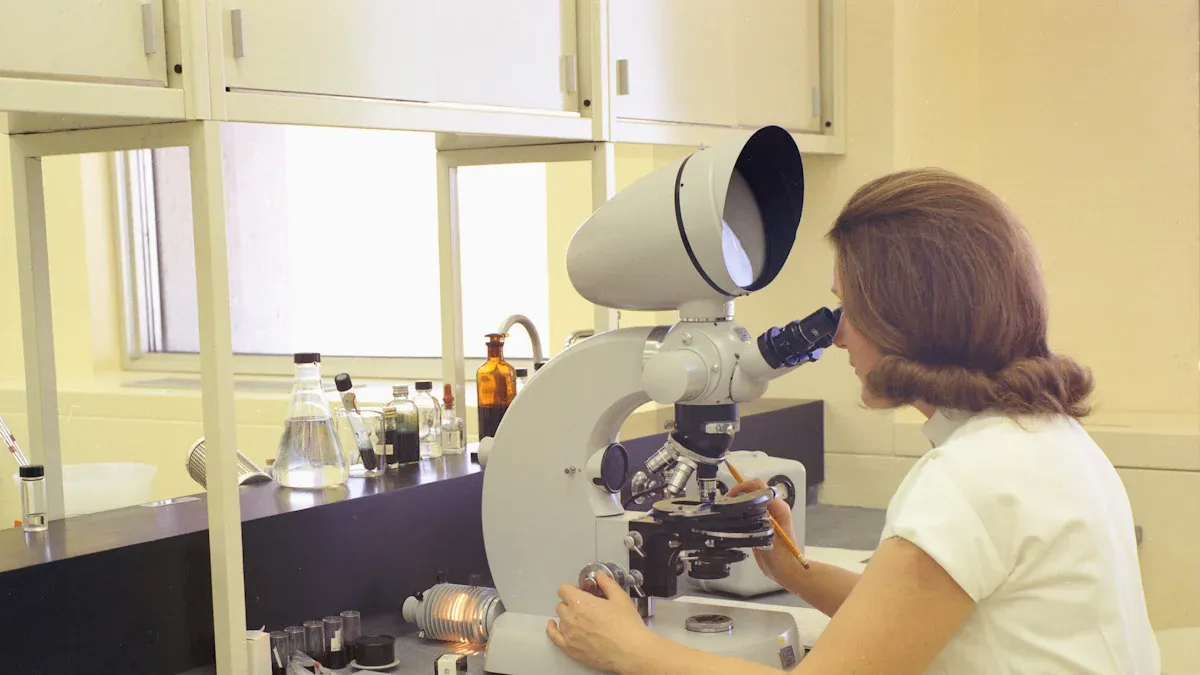
Quality control keeps your cat safe from hidden dangers. You should know how brands make food safe and healthy. Good manufacturers use strict rules, modern factories, and skilled teams to make the best food.
Ingredient Sourcing and Traceability
You want to trust every ingredient in your cat’s food. Traceability helps brands follow each ingredient from start to finish. This system stops mistakes and keeps pets safe. When picking a brand, look for these good steps:
Supplier verification checks if suppliers are safe and meet standards.
Batch tracking uses special numbers to trace raw materials easily.
Documentation keeps records of every ingredient and where it goes.
Traceability is more than just following rules. It keeps your cat safe and builds trust. A clear supply chain helps brands fix problems fast.
Top manufacturers train workers, keep factories clean, and follow strict rules for getting ingredients. You can see these steps in the table below:
Requirement | Description |
|---|---|
Employee Training | Workers learn how to handle ingredients the right way. |
Clean Facilities | Buildings stay clean so germs do not spread. |
Ingredient Receiving | Rules include keeping records and checking for traceability. |
Documentation | Detailed records track ingredients and finished food. |
Nuzoko uses a strong traceability system. Their team checks every supplier and tracks each batch. You can feel sure that Nuzoko’s catfood is safe and high quality.
Expert Formulation and Testing
You want experts to make your cat’s food. Top brands hire board-certified veterinary nutritionists and PhD animal nutritionists. These experts have lots of education and research experience. They know how to make recipes that fit what cats need.
Qualification Type | Requirements |
|---|---|
Board-Certified Veterinary Nutritionist | Bachelor’s degree, Doctor of Veterinary Medicine, residency in clinical animal nutrition, board-certifying exam |
PhD in Animal Nutrition | Bachelor’s degree, research and publication under mentorship (5 or more years) |
Nutritionists make formulas that help cats stay healthy. They test recipes to make sure they are complete and balanced. You should pick brands that use expert teams.
Testing is very important for quality control. Manufacturers do thousands of tests each week to check nutrition, toxins, and safety. The chart below shows how often good brands test their products:
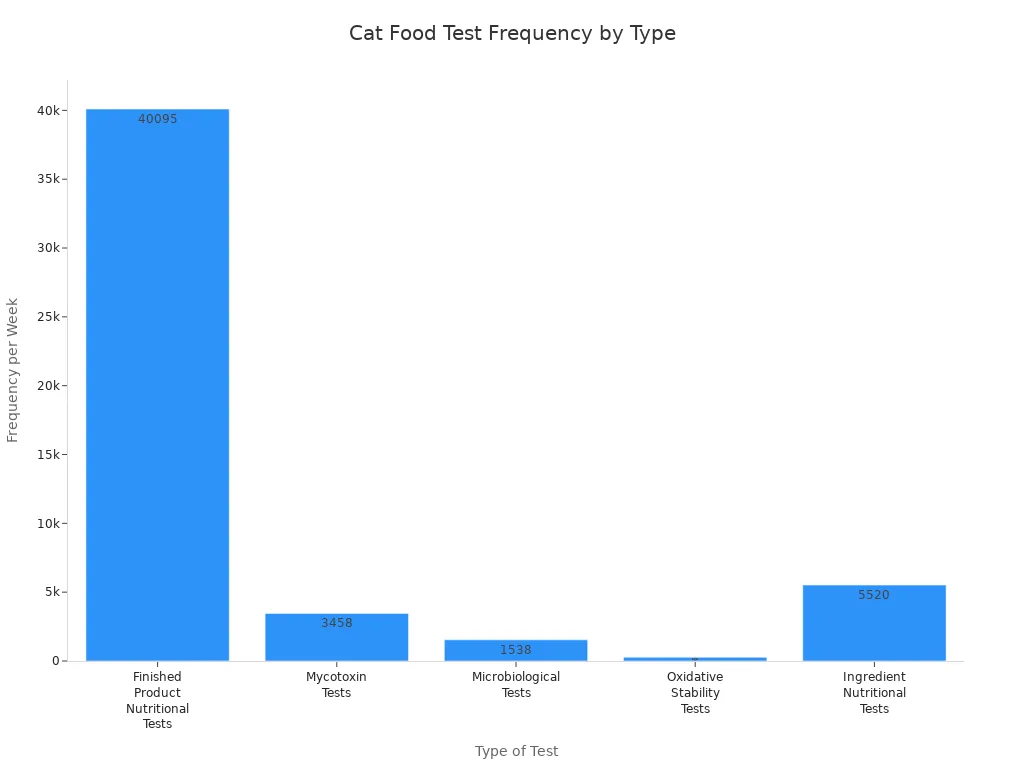
Nuzoko’s experts test often. They check finished food, ingredients, and safety. You can trust their food to give your cat good nutrition.
Tip: Always pick brands that share their testing steps. More tests mean safer food for your cat.
Facility Standards and Safety
You need to know your cat’s food comes from a safe place. Good ingredients, modern machines, and strict quality checks keep food safe. Reliable brands follow FDA and AAFCO rules. They use HACCP plans to control dangers and keep factories clean.
Good ingredients come from trusted suppliers.
Modern machines help make food the same every time.
Quality checks watch every step.
Following rules meets FDA and AAFCO standards.
HACCP plans find and control dangers.
Clean factories stop germs from spreading.
Training keeps workers up to date.
Audits check if rules are followed.
Modern factories lower the risk of contamination. Fast cooling stops germs from growing. Controlled temperature keeps meat fresh and safe. These steps protect product quality and safety.
Nuzoko uses a modern factory with strict rules. Their team follows safety plans and audits. You can trust Nuzoko to give your cat safe, high-quality food every time.
Note: Facility standards are important. Clean buildings, trained workers, and modern machines keep your cat safe.
Understanding Catfood Labels
Reading Ingredient Lists
You can learn a lot about your cat’s food by reading the ingredient list. The order of ingredients shows which ones are used most. Look for clear names like chicken or salmon meal. By-products can be healthy, so do not ignore them. Grain-free diets are not always better. Corn can give your cat important nutrients.
Ingredient quality matters. Words like “natural” and “organic” follow strict rules.
The first ingredient is the main one, but this does not always mean it is the best.
By-products may offer nutrition.
Grain-free does not mean healthier.
Check the table below to see good and bad examples:
Good Examples | Bad Examples |
|---|---|
Chicken, chicken liver, salmon meal | Corn gluten meal, meat by-products, brewers rice |
Named animal proteins lead the list | Vague descriptors in top positions |
Recognize moisture content impact |
Decoding Marketing Claims
You see many claims on catfood packages. Some sound impressive but can mislead you. “Tailor-made nutrition” and “Feline Breed Nutrition” suggest special formulas for certain breeds. All cat foods must meet the same nutrition rules. Do not let these claims trick you.
“Tailor-made nutrition” does not mean the food is unique for your cat.
“Feline Breed Nutrition” is not special. All cats need similar nutrients.
Tip: Focus on facts, not fancy words. Brands like Nuzoko use science and transparency instead of misleading claims.
Identifying Certifications
Certifications help you trust the food you buy. You can check if a brand uses real certifications. Advanced molecular testing, like NGS and PCR, can find animal species in food. Mass spectrometry checks for proteins and peptides. Third-party services, such as SGS, confirm the food meets safety rules.
NGS and PCR test for animal DNA.
Mass spectrometry finds proteins.
Third-party groups check for honesty.
Note: Look for clear certification marks. Reliable brands show proof of testing and third-party checks.
Choosing Catfood Wisely
Questions to Ask Manufacturers
You want to make sure your cat’s food is safe. Asking questions helps you pick a good brand. Here are some important questions to ask any cat food company:
Do you have a veterinary nutritionist or expert on your team?
Who makes your recipes, and what are their qualifications?
Can customers talk to these experts if they have questions?
Do you use AAFCO feeding trials or just nutrient analysis for your diets?
What steps do you take to keep your products safe and the same every time?
Where do you make and package your cat food?
Can customers visit your factory?
Will you share a full nutrient analysis, including digestibility values?
What is the calorie content in each serving?
Have you published research about your products in science journals?
You should get clear answers to these questions. Good brands, like Nuzoko, are happy to answer and share details about how they make food.
Evidence Type | Description |
|---|---|
Recall History | Few recalls mean the company cares about safety and quality. |
Customer Service Protocols | Fast replies and good help build trust with customers. |
Quality Assurance Policies | High standards for ingredients and testing show the company goes beyond the basics. |
Red Flags to Avoid
Some signs show a brand may not be trustworthy. Watch out for these warning signs:
The company says they have strong quality control but gives no proof.
They have had recalls or safety problems before.
They will not answer questions about how they make food.
They use words like “meat by-products” instead of naming the protein.
They say they do feeding trials but only test if cats like the taste.
They do not own their factories or share them with other brands.
They do not explain their quality control steps.
Acceptable Ingredients | Red Flags |
|---|---|
Deboned chicken, salmon, turkey | Meat by-products, vague terms |
Tip: If a company does not answer your questions or hides information, pick a different brand.
Consulting Your Veterinarian
Your veterinarian can help you make good choices. They can:
Tell you if a food meets your cat’s needs.
Show you how to read labels and find important facts.
Help you pick the best food for your cat’s age, health, and lifestyle.
Keep asking questions and stay alert. Work with your veterinarian to choose the best food for your cat.
You can spot a reliable cat food manufacturer by following these steps:
Look for strict quality control and certifications.
Make sure nutritionists create recipes.
Check for AAFCO feeding trials.
Find published research and detailed nutrition facts.
Ask for calorie information.
Staying informed helps you protect your cat. Use resources like recall alerts, label guides, and trusted lists. Talk to your veterinarian about your cat’s needs. When you make smart choices, you support your cat’s health and happiness. 🐾
FAQ
What makes a cat food manufacturer reliable?
You should look for brands that own their factories, use strict quality checks, and share clear information. Reliable companies, like Nuzoko, follow safety rules and use expert teams. They also welcome your questions and provide honest answers.
How can you tell if cat food meets safety standards?
Check for AAFCO statements, FDA or USDA oversight, and third-party certifications on the label. These marks show the food meets important safety and nutrition rules.
Why does ingredient traceability matter?
Ingredient traceability lets you know where every part of your cat’s food comes from. This helps brands fix problems quickly and keeps your cat safe from hidden dangers.
Should you trust all marketing claims on cat food?
No. Some claims sound impressive but do not mean better nutrition. Always read the ingredient list and look for real certifications instead of flashy words.
How often should you review your cat’s food choice?
You should check your cat’s food every year or when your cat’s health changes. Ask your veterinarian for advice if you see changes in your cat’s weight, coat, or energy.



