Making a successful multi-functional formula requires a careful balance of active ingredients. You must build a helpful nutrient matrix and use precise manufacturing controls. Creating two-in-one health formulas like joint support and gut microbiome health brings real design challenges. Active compounds often fight against other nutrients or lose strength during production. You can prevent these bad interactions by tweaking how well ingredients absorb and picking safe carrier systems. Better extrusion settings also protect delicate active ingredients from damage caused by high heat. This R&D approach helps formulators, R&D specialists, and brand managers create high-performance functional petfood. You get the best health benefits while keeping good shelf stability for every production batch.
Key Takeaways
Combine helpful ingredients like glucosamine and prebiotics to support both joint and gut health at the same time.
Use organic zinc so that extra calcium and phytate do not block your dog from absorbing minerals.
Put sensitive probiotics and vitamins on after the cooking process using liquid sprays so high heat does not ruin them.
Use tasty liver flavors or special protective coatings to hide bitter plant tastes and make the kibble taste better to dogs.
Stick to AAFCO rules and perform health tests to make sure your functional dog food stays safe and works well.
Synergistic Matrix Design in Functional Petfood
To create a functional diet, you should pair active ingredients that support two body systems at once. For instance, glucosamine for joint health works well alongside prebiotics for a healthy gut microbiome. Glucosamine helps rebuild dog joint cartilage, while prebiotics nourish beneficial intestinal bacteria. These two components work together safely without causing any harm to one another. Furthermore, complete amino acid profiles are necessary to support healthy muscle maintenance. You can choose sustainable ingredients, such as top-quality rendered by-products and novel proteins. Rendered chicken meal and novel insect proteins provide vital amino acids. These eco-friendly choices maximize protein quality while lowering environmental harm.
You can use Nuzoko‘s custom OEM/ODM R&D skills to create well-balanced recipes. Nuzoko formulates high-protein, low-starch recipes for pet brands around the world. High starch levels often trigger unwanted digestive issues or prevent nutrient absorption. Nuzoko formulators cut down on starch while increasing clean protein content. This smart design method prevents nutrients from interfering with each other. As a result, your final product delivers active compounds right to the targeted tissues.
Dual-Target Ingredient Selection
You get the best health benefits when you pair complementary active ingredients together. Glucosamine strengthens joint cartilage, whereas soluble dietary fiber helps good gut microbes grow. Even so, your formula must balance active compounds with main macronutrients. High-protein petfood recipes demand very careful ingredient choices. You need to pick protein sources that supply every essential amino acid. High-quality rendered meals offer dense protein that dogs digest easily. Novel proteins like duck or mealworm meal supply different amino acid bases. These protein sources aid in cell repair and boost immune function.
Nuzoko assists you in testing dual-action recipes inside modern research facilities. Nuzoko experts combine active joint supplements with microencapsulated prebiotics. This special method shields both active ingredients while they are mixed together. High-protein mixtures often absorb liquids differently during manufacturing. Nuzoko fixes this problem by adjusting the recipe’s starch levels. Lower starch content stops the mixture from expanding too much. This approach ensures your functional ingredients stay stable and easy to absorb throughout production.
Mitigating Negative Nutrient Antagonism
Nutrient antagonism happens when one nutrient stops the body from absorbing another one. High amounts of dietary minerals or fiber frequently cause this issue. Phytate and excess fiber trap key minerals like zinc inside the dog’s stomach. Phytate binds tightly with free zinc ions, causing dogs to pass these trapped minerals out in their waste. High calcium levels also reduce zinc absorption in complete dog foods. Common inorganic zinc sources like zinc oxide experience severe losses when mixed with high amounts of calcium.
You can stop mineral deficiencies by selecting organic or chelated mineral sources. Organic zinc sources like zinc propionate and zinc proteinate fight off calcium and phytate interference. The following table displays real research data showing how calcium levels change zinc needs in growing dogs:
Formulated Zinc Level | Formulated Calcium Level | Observed Health Effect in Dogs |
|---|---|---|
33 mg Zn/kg | 1.1% calcium | Developed zinc deficiency |
33 mg Zn/kg | 0.3% calcium | Normal health without deficiency |
20-35 mg Zn/kg | 2.64% calcium | Developed zinc deficiency |
120 mg Zn/kg | 2.64% calcium | Prevented zinc deficiency signs |
Choosing organic zinc propionate or zinc proteinate helps protect mineral absorption. Organic zinc stays easy to absorb even when functional pet foods contain extra calcium, soluble fiber, or phytate. Nuzoko uses these smart mineral methods to prevent nutrient blockage in your custom functional pet food recipes. You can make highly effective products that preserve total nutritional value.
Thermal Extrusion and Process Stability Strategies
High thermal energy degrades delicate active compounds during petfood manufacturing. You must implement advanced thermal processing controls to maintain nutrient potency in finished kibble. Careful thermal management protects expensive functional ingredients from heat destruction.
Post-Extrusion Dosing Technologies
Standard kibble manufacturing relies on high extrusion pressure and thermal conditions above 300°F. These harsh thermal environments destroy heat-sensitive vitamins, omega-3 fatty acids, and beneficial gut microbes. You protect active ingredients by separating delicate nutrients from primary thermal processing steps.
Microencapsulation technology shields vulnerable bioactives inside tiny protective barriers:
Microencapsulation mechanism | How it protects heat-sensitive vitamins/probiotics in extruded dog food |
|---|---|
Microscopic shell/matrix barrier | Encloses vitamins and probiotics in a protective shell to isolate them from heat, light, oxygen, and moisture. |
Processing resilience | Enables active ingredients to survive heat-intensive pet food manufacturing without thermal degradation. |
Stability and shelf life | Prevents breakdown of sensitive active compounds, maintaining long-term nutrient potency over shelf life. |
Controlled/targeted release | Releases nutrients only after processing during gut digestion or moisture exposure. |
You can also apply heat-sensitive ingredients after cooking. Direct inclusion of probiotics into raw dough exposes microbes to damaging pressure changes. Consider how specific probiotic strains respond to thermal processing:
The spore-forming probiotic strain Bacillus subtilis C-3102 survives heat up to 100°C.
Extreme extrusion heat combined with rapid pressure changes reduces probiotic spore viability.
Post-extrusion application of Calsporin via dry palatants, liquid coatings, fats, or oils preserves live cultures.
Vacuum coating systems offer another proven post-extrusion dosing method for active liquid ingredients:
Evidence from source | Support for query |
|---|---|
High-heat extrusion above 300°F destroys omega-3 fatty acids and vitamin E | Requires post-processing protection methods for active liquid nutrients |
Fish oil clogs extruders when added directly to raw dry food dough | Post-extrusion vacuum coating delivers high omega-3 levels without mechanical clogs |
Vacuum coating applies oils, palatants, and vitamin solutions uniformly under vacuum | Ensures complete retention and even distribution of heat-sensitive nutrients on kibble surfaces |
Cold-post-extrusion liquid application techniques apply functional lipids after kibble cooling steps. Liquid dosing pumps inject precise concentrations of active oils directly onto cooled kibble surfaces. You preserve temperature-sensitive compounds by avoiding high-temperature preconditioners completely.
Predictive Modeling for Oxidative Stability
High-fat functional diets require strict lipid management strategies over time. Adding fish oil post-extrusion boosts omega-3 levels, but unshielded fats rapidly oxidize. You use predictive shelf-life software to model lipid degradation rates before full commercial production.
Combining mixed tocopherols with rosemary extract controls fat oxidation in high-fat kibble while periodic PV/TBARS testing confirms long-term stability.
Predictive formulation software evaluates real-time oxidation rates in high-fat kibble matrices. These software systems simulate thermal degradation and oxygen exposure across target storage durations. You optimize natural antioxidant dosing based on predicted oxidation curves. This proactive design strategy maintains target bioactive potency from manufacturing day to final consumption.
Palatability Optimization in Active Formulations
Masking Bioactive Off-Flavors
Active health ingredients often introduce harsh bitterness or metallic tastes into petfood recipes. Botanical extracts, hydrolyzed proteins, and concentrated mineral salts cause strong off-flavors that turn dogs away. You can solve this palatability barrier by physically isolating active molecules from direct contact with canine taste receptors. Microencapsulation wraps bitter botanicals inside lipid shells. The protective lipid barrier stays intact inside the dog mouth. This physical barrier blocks bitter tastes while dogs chew their food.
Yeast extracts and animal digests also hide lingering off-flavors through natural taste competition. Concentrated poultry liver hydrolysates supply rich savory peptides. These umami compounds bind to dog tongue receptors faster than active botanicals. Savory palatants override background bitterness without increasing total sodium levels. You achieve high food acceptance rates while preserving full bioactive efficacy.
Surface Coating and Texture Design
Surface coating mechanics determine how dogs perceive flavor and texture during feeding. High-fat coatings carry aroma molecules directly to the dog nose. However, you must control kibble expansion and temperature deltas during liquid application steps. Highly porous kibble draws liquid palatants deep inside the internal matrix. Deep absorption reduces exterior flavor impact and exposes surface fats to rapid air oxidation.
Variable | Effect on palatant retention | Effect on oxidative stability | Operational guidance |
|---|---|---|---|
Kibble porosity | High-expansion kibble creates internal voids that can draw palatants deep into the matrix, reducing surface flavor. A surface fat layer fills these pores and acts as a sealant, keeping palatants on the exterior. | Porous kibble can absorb surface oils and promote fat migration, stripping the protective fat layer from the surface; oxidation then degrades this fat and creates off-odors. | Adjust extrusion SME/expansion to target the desired porosity and fat-holding capacity, avoiding both deep absorption and greasiness. |
Coating/fat/kibble temperature | Liquid palatants and fats applied at 70–95°F maintain proper viscosity for even spray; too-hot fat absorbs deeply, while too-cold fat causes clumpy, poor binding. Kibble above 120°F prevents the fat from setting, and kibble below 80°F creates a fat shell that flakes off. | Temperature control prevents premature crystallization and supports an intact fat capsule around palatant molecules, preserving aroma and limiting rancidity/off-odor development. | Maintain coating liquids at 70–95°F, monitor kibble exit temperature, and control the fat/kibble temperature delta in the coating zone. |
Strict temperature management prevents uneven fat binding on finished kibble surfaces. Maintaining liquid fats between 70–95°F ensures optimal spraying viscosity. Target coating temperatures allow fat layers to form an intact protective capsule around active flavor molecules. You preserve delicate aromas and prevent early rancidity throughout product storage.
Regulatory Compliance and Clinical Validation
Navigating AAFCO and FEDIAF Guidelines
You must check that your functional pet food meets official nutritional rules before selling worldwide. The Association of American Feed Control Officials (AAFCO) sets minimum nutrient amounts for growing and adult dogs. Creating a balanced recipe means carefully following these dry-matter targets:
Nutrient | Adult Maintenance | Growth & Reproduction |
|---|---|---|
Crude protein | ≥18.0% | ≥22.5% |
Crude fat | ≥5.5% | ≥8.5% |
Calcium | 0.5%–2.5% | 1.2%–1.8% |
Zinc | ≥80 mg/kg | ≥100 mg/kg |
Calcium:phosphorus ratio | 1:1–2:1 | 1:1–2:1 |
You need easy-to-absorb mineral types to hit these targets. Hard-to-absorb ingredients like iron oxide or copper oxide do not fulfill minimum nutritional standards.
Besides regular nutrient rules, health benefit claims need strong scientific proof. Quick feeding tests cannot back up real health claims.
For validating joint or gut structure/function claims, clinical research should use a study population aligned with the intended claim and a duration sufficient to show the outcome — for example, a 12-week mobility study in senior dogs rather than a 2-week trial.
Nuzoko Standards for Bioefficacy Benchmarking
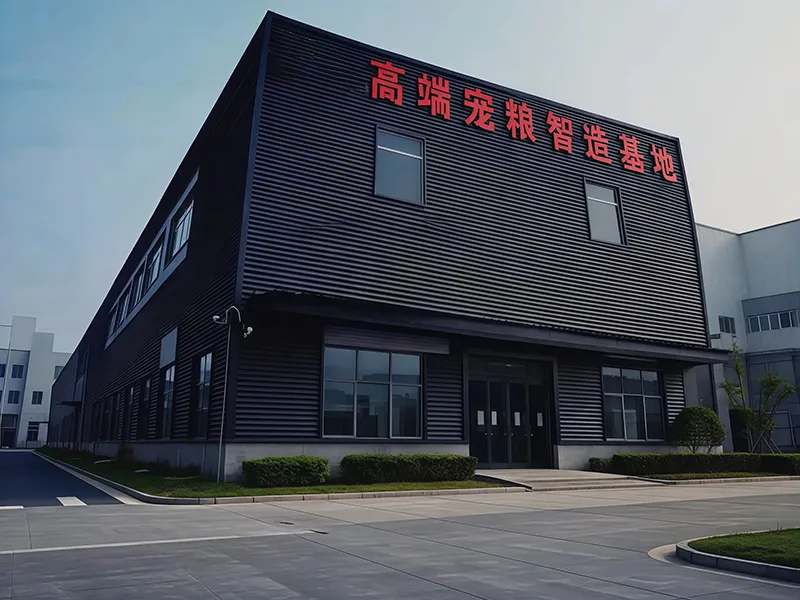
Partnering with a skilled pet food producer helps you pass all regulatory checks easily. Nuzoko runs a huge 26,000-square-meter plant that keeps supply chains simple and fast. Smart factory controls protect product quality and keep every single batch completely uniform. Nuzoko crafts custom recipes while strictly following international quality standards.
Nuzoko checks active recipes using targeted biological testing methods. Special feeding trials measure real results like joint movement and body inflammation markers. Lab tests check gut bacteria health and stool quality with official rating charts. These proven test steps ensure your dog food gives real health benefits to pet owners everywhere.
Making a great dog food with many health benefits takes four steps. You need to pick ingredients that work well together, protect nutrients from heat, make the food taste good, and run real safety tests. These smart choices keep active ingredients safe so dogs get real health perks.
Working with a big supplier like Nuzoko makes your supply chain much easier to handle. Nuzoko uses a huge plant to speed up sales and keep every batch uniform. Formulators and brand leaders should use these helpful recipe methods today. You will build unique pet foods, pass safety rules, and beat the competition.
FAQ
How do you protect heat-sensitive probiotics during extrusion?
You can wrap fragile ingredients in micro-coatings or pick tough bacterial strains like Bacillus subtilis C-3102. Adding live cultures onto cooled kibble through liquid sprays or vacuum coaters keeps them safe. This simple method shields delicate bioactives from burning heat above 300°F.
Why should you choose organic zinc over inorganic zinc sources?
Cheap inorganic zinc locks onto phytate and extra calcium in a dog’s gut. That bad reaction stops the body from using important minerals. Organic choices like zinc propionate and zinc proteinate easily bypass calcium blocks. They transport essential trace minerals right to the body parts that need them.
How do you mask bitter bioactive off-flavors in functional dog food?
Microencapsulation hides bitter plant extracts inside tiny fat shields to block taste buds. You can also mix in savory chicken liver digests or yeast flavorings. These tasty flavor boosters cover up hidden bitterness, helping dogs happily eat their healthy functional food.
How does Nuzoko support custom functional pet food manufacturing?
Nuzoko runs a large 26,000-square-meter factory that offers custom recipe and production services. Their team crafts high-protein, low-starch foods using gentle nutrient-coating methods. Smart testing steps guarantee steady batch quality, easy market approvals, and proven health perks for international brands.