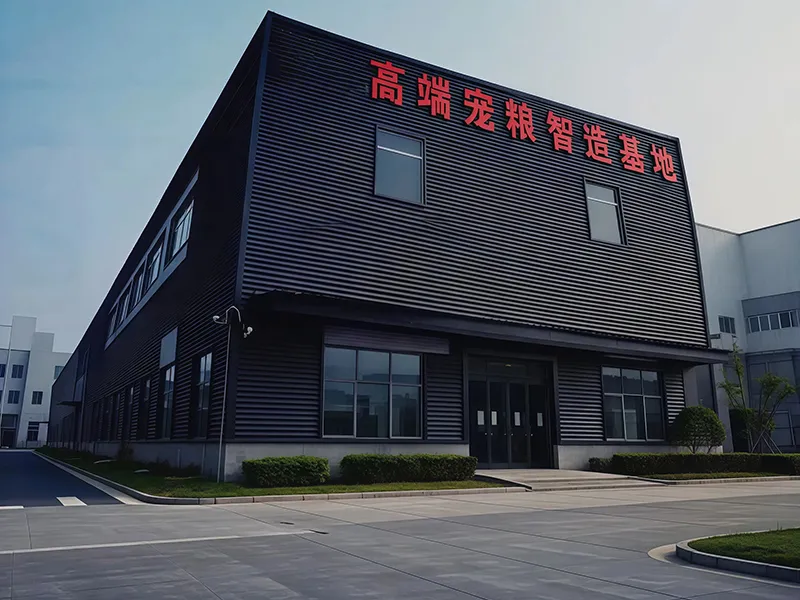
You help keep pets and their owners safe when you focus on safety and quality in making petfood. Rules for the industry have changed quickly because the market is growing and there are new safety problems. Groups like the Safe Quality Food Institute now ask for strong risk checks and lab tests. Top brands like nuzoko show what is best by following world rules and giving food based on science. When you stick to high standards, you stop dangers and make people trust petfood.
Key Takeaways
Keep your facility clean by focusing on hygiene. Clean often to stop contamination. This helps customers trust your products.
Make plans to control allergens and pathogens. These plans protect pets and people from sickness. They also stop allergic reactions.
Use new technology like real-time monitoring. Automated hygiene systems help find hazards early. These tools make cleaning faster and better.
Follow FDA and FSMA rules carefully. Following these rules keeps pet food safe. It also lowers the chance of recalls.
Train staff often about safety steps. Well-trained workers spot hazards fast. They help keep safety standards high.
Key Hazards in Pet Food Manufacturing
Biological and Chemical Risks
There are many dangers in making pet food. Biological hazards are very common and can be serious. These hazards come from bacteria and other germs. They can make pets and people sick. You need to check for these dangers every day.
Listeria monocytogenes lives in tough places. It often gets in through raw meat, seafood, or unpasteurized dairy.
Pathogenic Escherichia coli causes sickness in animals and humans.
Salmonella can get into petfood with meat or poultry. It is risky for pets and owners.
Chemical hazards also hurt safety and quality. These hazards come from molds and toxins on grains and seeds. The main chemical hazards are shown in the table below:
Mycotoxin | Source | Effects on Pets |
|---|---|---|
Aflatoxins | Aspergillus molds on grains and seeds | Very toxic, can harm the liver and cause it to fail. |
Deoxynivalenol | Fusarium graminearum on grains | Causes stomach pain and vomiting, mostly in pigs. |
Fumonisin | Fusarium molds on corn | Can cause tumors in rats and other health problems in pets. |
Ochratoxin | Penicillium and Aspergillus molds | Hurts many animals, can handle high heat. |
Zearalenone | Fusarium graminearum in humid conditions | Can affect how animals reproduce. |
Allergen and Pathogen Control
You need to control allergens and pathogens to keep pets and people safe. Allergens can cause reactions in sensitive animals. Pathogens can make pets sick and lead to recalls. There are ways to manage these dangers:
Make a strong allergen control plan.
Keep allergenic ingredients apart and use different equipment.
Clean and sanitize well after handling allergens.
Teach staff about allergens and how to handle them.
Pathogen control starts with knowing your ingredients and steps. You should make a diagram to track each step from getting raw materials to sending out finished products. Good storage and clear labels help stop contamination. You need to check your suppliers’ safety programs often.
Safe food starts with good cleaning in the facility. Strong safety and cleaning rules lower the risk of contamination, recalls, and fines.
You must follow rules from the FDA and FSMA. These rules say you must find hazards and stop them before they cause trouble. Most recalls in the last ten years happened because of biological contamination like salmonella, listeria, and E. coli.
Contamination Sources
There are many sources of contamination in pet food making. These include biological, chemical, and physical hazards. The table below gives examples:
Type of Hazard | Examples | Description |
|---|---|---|
Biological | Listeria monocytogenes, Pathogenic Escherichia coli, Salmonella | Bacteria that can cause serious health problems in pets and humans. |
Chemical | Mycotoxins, Heavy metals, Pesticides | Toxins that can be natural or added during making. |
Physical | Foreign objects (metal, plastic, glass), Dirt, Feces | Things that can cause harm or contamination. |
Physical hazards are dangerous things like dirt, feces, and bugs. These can cause choking, tooth damage, or stomach issues. You need to remove these hazards to keep petfood safe.
Wet and dry pet food have different risks. Dry pet food can have bacteria like Salmonella and foreign objects. Wet pet food can spoil fast and grow germs if not sealed or sterilized right.
You must follow strict rules for finding hazards. The FDA checks pet food making and wants you to make pet food in clean places. You must do hazard checks and follow rules for suppliers and clean transport. The FSMA says you must use good manufacturing practices and make a food safety plan.
You keep pets and owners safe when you find hazards early and follow industry rules. You build trust by focusing on safety and quality all the time.
Hygiene and Sanitation Best Practices
Facility and Equipment Cleanliness
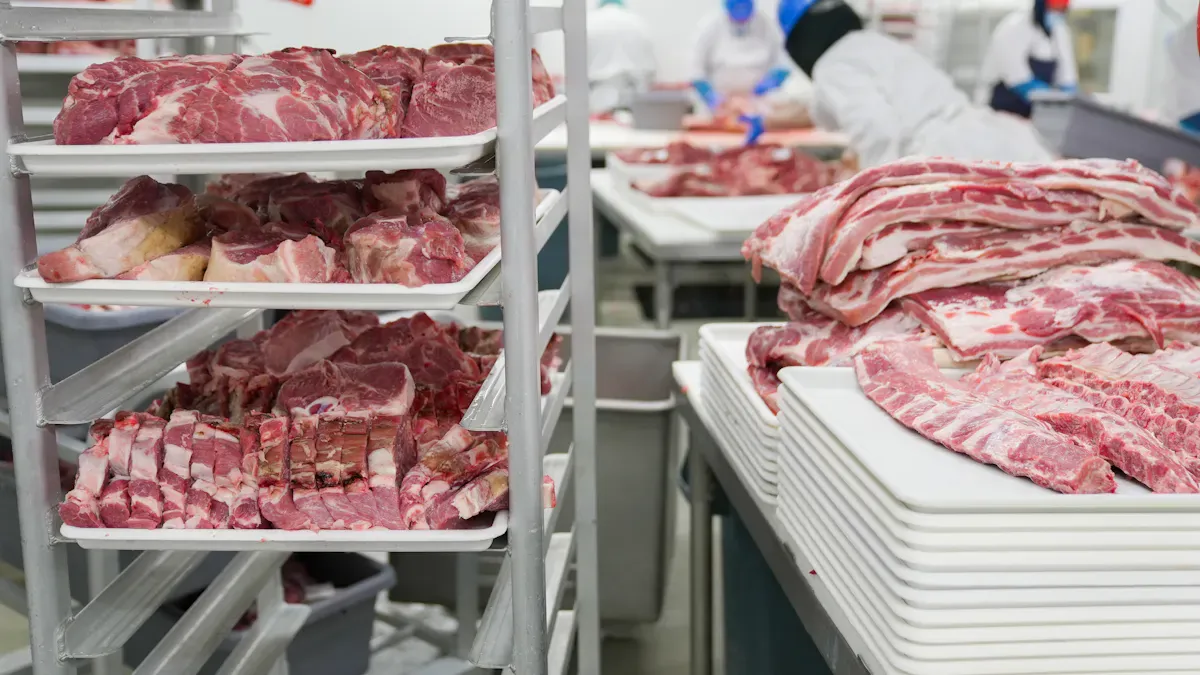
You help keep your facility clean. Clean places protect pets and people. You must follow hygiene rules every day. Make a cleaning plan and stick to it. Clean tools and containers after you use them. Check your facility often for problems. Use pest control to stop bugs and rodents. Give workers simple steps to fix safety issues. Pick equipment that is easy to clean. Sometimes you can clean surfaces without taking apart machines. Other times, you need to take machines apart to clean hidden spots. Write down your food safety steps and check them each year or when you change how you work.
Clean tools and containers after you use them
Check your facility often
Use pest control to stop pests
Give clear steps for safety issues
Pick equipment that is easy to clean
You stop accidents when you focus on safety and quality before problems happen.
Automated Hygiene Systems
You can make cleaning easier with automated hygiene systems. These systems use technology to help you follow cleaning rules. Automated systems make cleaning safer and faster. Many petfood makers use these systems to meet tough standards. You save time and make fewer mistakes.
Advantage | Description |
|---|---|
Improved efficiency | Automated systems clean faster and better than people. |
Better resource management | Technology helps you use water and cleaners smartly. |
Consistent sanitation | Machines follow routines, so cleaning is always the same. |
Nuzoko uses advanced automated hygiene systems in its facility. Technology helps them keep strict cleaning routines and high standards.
Storage and Handling Protocols
Safe storage and handling keep ingredients fresh and safe. You must write down your storage plan. Rotate stock to keep products fresh. Use sealed containers to stop spoilage and pests. Label everything clearly to follow FIFO rules. Teach your staff how to store things the right way. Different ingredients need different storage conditions. Use food-grade containers and control temperature for raw materials.
Write down your storage plan
Rotate stock to keep it fresh
Use sealed containers
Label products clearly
Teach staff safe handling
Nuzoko follows strict storage and handling rules. They use clear labels, sealed containers, and temperature controls to keep products safe. You can trust their focus on hygiene and food safety.
Advanced Technologies in Petfood Safety
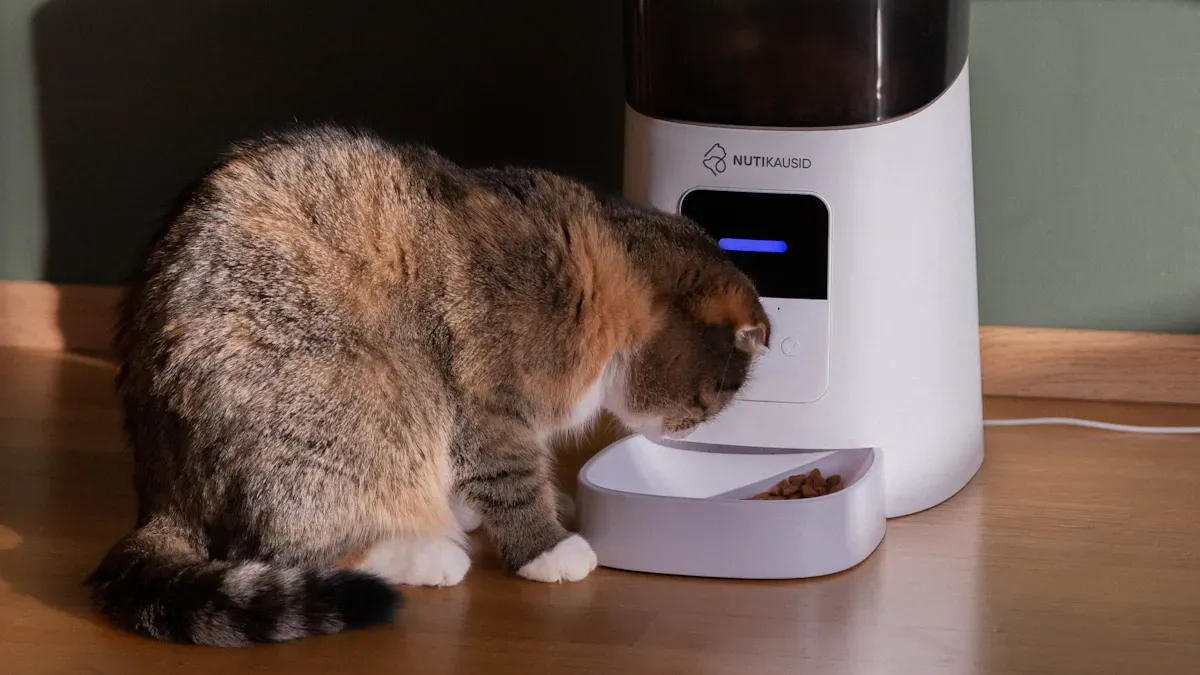
Modern technology helps keep petfood safe. You can use new systems to find hazards early. These tools make your job easier. They help you meet safety and quality rules.
Pigging and Product Recovery Systems
Pigging systems use a special plug called a “pig.” The pig moves through pipes to get leftover product. This cleans the pipes and saves ingredients. You waste less and lower cross-contamination risks. Pigging also uses less water and fewer cleaning chemicals. This helps the environment.
Benefit | Description |
|---|---|
Cost Savings | Pigging gets back lost product and lowers waste costs. |
Environmental Impact | You use less water and make less waste, so your process is greener. |
Operational Efficiency | Pigging makes cleaning better and lowers contamination risks. |
Pigging can get up to 99.5% of product left in pipes. This means you keep more product. It also lowers the chance of old food mixing with new batches.
Magnetic Separation Solutions
You can use magnetic separators to catch metal pieces. These machines sit at important spots in your process. They pull out metal fragments that could hurt pets or cause recalls.
Evidence Type | Description |
|---|---|
Compliance | Magnetic separators help you follow FDA, FSMA, and HACCP rules by removing hazards. |
Risk Reduction | They catch metal before packaging, lowering recall risks and protecting your brand. |
Continuous Improvement | Adding magnetic separators helps you handle new threats and changing recipes. |
Nuzoko uses magnetic separation to keep products safe. They meet strict global standards.
Real-Time Monitoring
Real-time monitoring lets you watch your production all the time. You can use sensors, digital checklists, and tracking software. These tools give you alerts if something goes wrong.
Real-time reports help you make quick choices.
Alerts let you fix problems fast.
You follow safety rules and keep your process safe.
Machine vision systems and automated pathogen detection tools help you spot dangers quickly. Nuzoko uses these advanced systems to track every batch. They make sure you can trace all products. Their in-house R&D and strict quality checks give you confidence in every product.
Using advanced technology protects pets and builds trust in your brand.
Quality Assurance and Crisis Management
Process Controls and Testing
You make people trust your petfood by using strong checks and tests. You pick good ingredients to make safe food. You use HACCP plans to find risks and stop them early. You keep your facility clean and check safety often. You look at your product many times while making it. You scan for metal after cooking to keep pets safe. You check package weights to follow the rules. You test finished food in the lab for nutrition and safety. You use sensory checks to see if the food looks, smells, and tastes right. You only send out batches after a final check.
Control Method | Description | Importance |
|---|---|---|
In-Process Control | Check products many times while making them. | Stops nutrient loss and keeps food safe. |
Metal Detection | Scan for metal after cooking. | Shows you care about quality. |
Weight Checks | Machines check package weight. | Makes sure all packages are the same. |
Finished Product Inspection | Test food in the lab for safety and nutrition. | Meets safety and nutrition rules. |
Sensory Checks | Check how food looks, smells, feels, and tastes. | Makes sure pets will like the food. |
Batch Release | Final check before sending out food. | Only safe, good food goes to stores. |
Supply Chain and Traceability
You keep your supply chain safe by tracking every step. You give each batch a special code. You use logs to see where products go. You get ready to act fast if you need to recall food. You keep good records to help inspectors. You use IoT sensors and digital lists to track food and check quality. Nuzoko uses strict rules for raw materials and works with trusted suppliers. They run their own factory, so they control the quality. They follow world rules and make their process clear.
Traceability Step | Purpose |
|---|---|
Batch coding | Shows where food comes from. |
Distribution logs | Tracks where food goes. |
Recall readiness | Helps you act fast. |
You protect your brand and customers when you track your supply chain and keep good records.
Recall and Crisis Protocols
You get ready for recalls by stopping problems before they start and having a crisis plan. You talk fast and clearly if something goes wrong. You use clear steps to handle the crisis. You watch social media to fix wrong information. You share what you do to fix the problem and earn trust again. You know recalls can hurt your business and reputation. Nuzoko uses strong safety rules and checks to lower risks.
Talk fast and be honest.
Make a clear recall plan.
Work to earn back trust after a problem.
You keep your customers safe and your brand strong when you act quickly and stay honest during a crisis.
You keep pets and people safe by using strong safety steps. You use new technology to help your work. You clean your facility often to stop germs. You check quality many times to make sure food is safe. You follow rules from the FDA and FSMA. You teach your team to find hazards and fix them fast. Nuzoko shows how to keep high safety and quality. You can copy their ways to build trust and keep your products safe.
Sanitation keeps your facility clean and stops contamination.
Regulatory compliance helps you follow safety rules.
Employee training teaches your team to handle hazards.
“Strong safety and cleaning rules lower the risk of contamination, recalls, and fines. They help people trust your brand and show you care about quality.” – Evan Reyes, Goodway Technologies
Keep watching for problems and make your safety steps better every day.
FAQ
What is the most common hazard in cat food manufacturing?
Biological hazards, like bacteria and mold, cause the most trouble. You need to check for these dangers every day to keep food safe.
How can you prevent cross-contamination in your facility?
Clean equipment after you use it. Put ingredients in sealed containers. Teach your staff to follow hygiene rules.
Why is traceability important in pet food production?
Traceability helps you track each batch of food. You can find problems quickly and recall food if you need to. This keeps pets safe and helps people trust your brand.
What technology helps you detect hazards quickly?
You can use real-time monitoring systems. These tools warn you about problems right away. They help you fix issues before food leaves your facility.