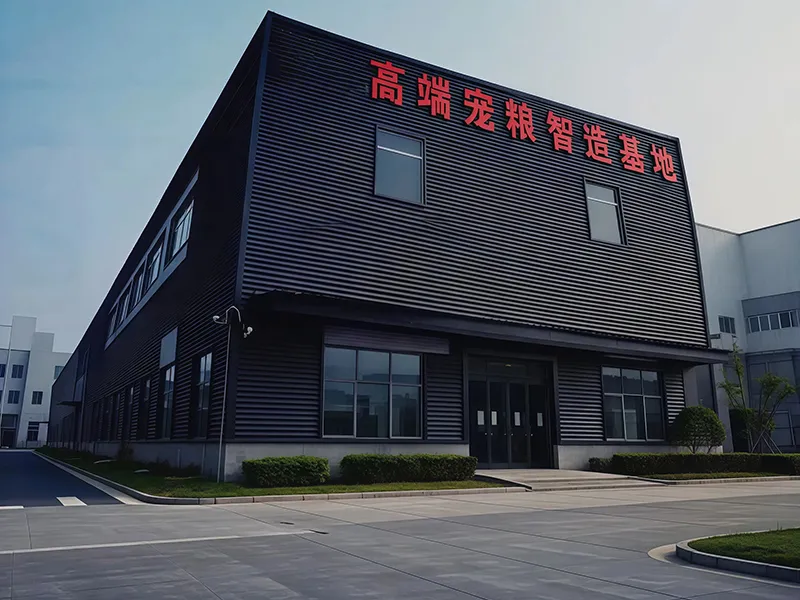
You want the best for your pet. Pet food safety matters because pets depend on you for healthy meals. In the US, the FDA sets strict rules for catfood dogfood petfood to protect your pet. Brands like nuzoko follow these standards and focus on safety. You can trust reputable OEM pet food when you see clear labels and proof of quality.
Key Takeaways
OEM pet food is made by manufacturers based on another company’s specifications, offering unique recipes and packaging.
The FDA enforces strict regulations to ensure pet food safety, covering everything from ingredient sourcing to packaging.
Common risks in pet food include contamination from bacteria and toxins, so always check for recalls and avoid affected products.
Choose reputable brands like Nuzoko that follow safety protocols and provide clear labeling and certifications.
Stay informed about pet food safety by reading labels, checking for certifications, and monitoring recall alerts.
OEM Catfood Dogfood Petfood Overview
What Is OEM Pet Food?
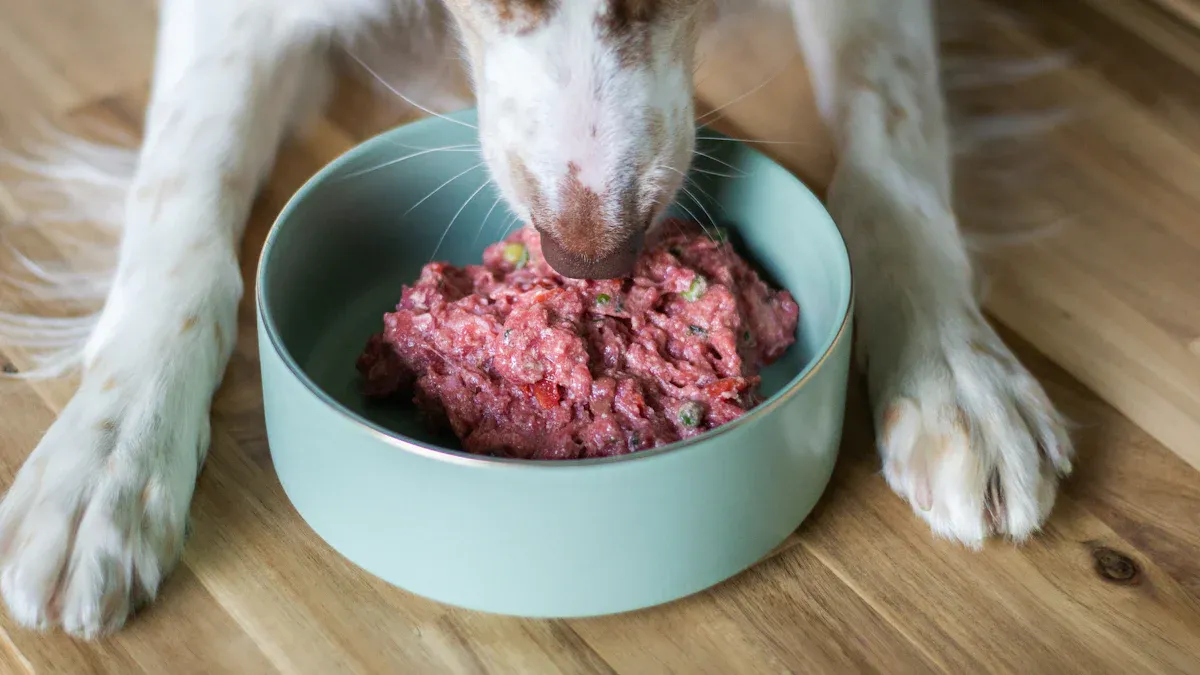
You may wonder what OEM pet food means when you shop for catfood dogfood petfood. OEM stands for Original Equipment Manufacturer. In the pet food industry, OEM pet food refers to products made by a manufacturer based on the specifications of another company. That company then sells the catfood dogfood petfood under its own brand name. This process is different from private label products, which are made by a third party and sold under a retailer’s label. OEM pet food gives you more choices and allows brands to offer unique recipes and packaging.
OEM manufacturers like Nuzoko produce a wide range of catfood dogfood petfood for the US market. You can find dry pet food, wet pet food, treats, and specialty items such as jerky or customizable blends. These options help you select the best nutrition for your pet’s needs.
Tip: OEM pet food lets brands create custom formulas, so you can find catfood dogfood petfood that fits your pet’s health goals.
How OEM Production Works
You get catfood dogfood petfood from OEM manufacturers through a process that focuses on quality and customization. OEM production starts with research and development. Nutritionists and formulation teams design recipes based on the brand’s requirements. The manufacturer then sources high-quality ingredients and follows strict safety standards.
Here’s a table that shows how OEM pet food production compares to private label manufacturing:
Aspect | OEM Pet Food Manufacturing | Private Label Manufacturing |
|---|---|---|
Manufacturing Capabilities | In-house nutritionists and formulation teams | Focus on standard recipes |
R&D | Custom protein selection and nutrient adjustment | Limited to existing formulations |
Quality Control | ISO and HACCP certifications, raw material traceability | Basic quality checks |
Market Positioning | Supports custom packaging and branding coordination | Primarily focused on presentation |
You benefit from OEM production because brands can offer catfood dogfood petfood with advanced nutrition, strict quality control, and custom packaging. This process helps you trust the safety and quality of the products you buy.
FDA Regulations & Safety Standards
FDA Rules for Pet Food
You need to know how the FDA protects your pet’s food. The FDA sets strict pet food regulations to keep your pet safe. These rules cover every step, from ingredient sourcing to packaging. The FDA checks that manufacturers follow good manufacturing practices. These practices help keep production clean and effective. The FDA also requires companies to use hazard analysis systems. These systems spot risks and help prevent problems.
Here is a table that shows the main FDA regulations for pet food:
Regulation Type | Description |
|---|---|
Good Manufacturing Practices (GMP) | Manufacturers must maintain sanitary and effective production processes. |
Hazard Analysis and Critical Control Points (HACCP) | Systems must be in place to identify potential hazards and implement controls to mitigate risks. |
Recall Procedures | Companies must have effective procedures for recalling contaminated or unsafe products. |
Ingredient Regulations | The FDA has specific regulations regarding the types of ingredients that can be used in pet food. |
Prohibited Ingredients | Certain ingredients deemed toxic or unfit for animal consumption are strictly prohibited. |
Acceptable Ingredients | Ingredients must be sourced from suppliers that comply with FDA standards. |
By-Products | By-products can be included but must be clearly defined and safe for animal consumption. |
Enforcement and Compliance | The FDA enforces regulations through inspections, sampling, and investigations. |
Warning Letters | Issued for minor violations, alerting manufacturers to compliance issues. |
Seizures | The FDA can seize products that do not meet safety standards in severe violation cases. |
Recalls | Mandatory recalls may be issued if a product poses a significant health risk. |
You see that the FDA checks everything. The FDA can inspect facilities and test products. If a company breaks the rules, the FDA can issue warning letters or even seize products. The FDA also requires truthful labeling. You can trust brands that follow these rules.
Brands like Nuzoko meet these safety standards. Nuzoko uses science-driven nutrition and follows strict quality control. The company holds certifications that show it meets international standards. You can feel confident when you choose pet food from brands that follow FDA rules.
Import Alerts & Compliance
You may wonder how imported OEM pet food meets US safety standards. The Federal Food, Drug, and Cosmetic Act covers all animal foods, including imported products. This law says pet food must be safe, produced under sanitary conditions, and contain no harmful substances. The law also requires truthful labeling. Canned pet foods must meet special rules to prevent dangerous microorganisms.
Here is a table that shows the main requirements for imported pet food:
Regulation | Description |
|---|---|
Safety | All animal foods, including pet food, must be safe to eat. |
Sanitary Conditions | Pet food must be produced under sanitary conditions. |
Harmful Substances | Pet food must contain no harmful substances. |
Truthful Labeling | Pet food must be truthfully labeled. |
Canned Food Regulations | Canned pet foods must conform to low-acid canned food regulations to ensure they are free of viable microorganisms. |
The FDA uses import alerts to protect you and your pet. If the FDA finds problems, it can stop products at the border. For example, the FDA may detain products with mycotoxins or illegal colors. Here is a table with recent FDA import alerts:
Import Alert Number | Import Alert Type | Publish Date | Import Alert Name |
|---|---|---|---|
23-14 | DWPE | 01/30/2026 | Detention Without Physical Examination of Food Products Due to the Presence of Mycotoxins |
45-02 | DWPE | 02/12/2026 | Detention Without Physical Examination and Guidance of Foods Containing Illegal and/or Undeclared Colors |
You see that the FDA takes action to keep unsafe products out of the US market. The FDA checks both domestic and imported pet food. US-made pet food must follow the Food Safety Modernization Act. This act requires good manufacturing practices and a food safety plan. Imported pet food must meet the same standards. The FDA inspects facilities and tests products to make sure they are safe.
Nuzoko follows all US pet food regulations. The company uses clean production methods and tests every batch. Nuzoko works with trusted suppliers and meets FDA requirements for ingredients and labeling. You can trust Nuzoko because it holds certifications and passes inspections. When you choose Nuzoko, you get pet food that meets strict safety standards.
Note: Always check for FDA compliance and certifications when you buy imported pet food. Look for brands that show proof of safety and quality.
Risks & Safety Management
Common Safety Risks
You want to keep your pet safe, so you need to know about the most common risks in pet food. Animal food manufacturers face several challenges that can affect the quality of catfood, dogfood, and petfood. The main risks come from contaminants that can harm your pet’s health. These contaminants include bacteria, toxins, and foreign objects.
Here is a table that shows the most frequent causes of pet food contamination leading to a recall in the US:
Cause of Contamination | Description |
|---|---|
Aflatoxin contamination | Leading cause of recalls, affecting over 60 million pounds. |
Salmonella and/or Listeria contamination | Common pathogens found in contaminated pet food. |
Elevated levels of vitamin D | Nutritional excess leading to health risks. |
Mislabeled pet foods | Incorrect labeling causing safety concerns. |
Foreign objects | Physical contaminants found in the food. |
Highly Pathogenic Avian Influenza | Specific contamination linked to poultry products. |
You should watch for these risks because they can lead to a recall or even a contaminated product reaching your home. Salmonella contamination is a major concern. Salmonella can cause illness in both pets and people. You also need to be aware of microbial contaminants like Listeria. These bacteria can survive in food and cause serious health problems.
Other risks include nutritional excesses, such as too much vitamin D, and physical contaminants like metal or plastic pieces. Sometimes, mislabeled pet foods or adulterated treats can also put your pet at risk. You need to stay alert to these dangers to protect your pet.
Tip: Always check for news about recalls and avoid feeding your pet any product that has been recalled.
Recalls & Contamination
A recall happens when a company removes a product from the market because it may be unsafe. Recalls protect you and your pet from harm. In the US, recalls often happen because of salmonella, aflatoxin, or other contaminants. You may see a recall if a product contains too much vitamin D or if it has foreign objects inside.
Here are some reasons why a recall might occur:
Salmonella contamination in dry or wet pet food.
Discovery of microbial contaminants like Listeria.
Detection of toxins such as aflatoxin.
Finding foreign objects, such as metal or plastic, in the food.
Mislabeled products that do not match the ingredient list.
Adulterated treats that contain harmful substances.
Salmonella is one of the most common causes of a recall. If your pet eats food with salmonella, it can get sick. You or your family can also get sick if you handle contaminated product. The risk of contamination increases if food safety practices are not followed during production. Animal food manufacturers must work hard to prevent these problems.
You should always check the FDA website for recall alerts. If you have a recalled product, stop using it right away. Contact the manufacturer for instructions. This helps keep your pet and your family safe.
How Brands Like Nuzoko Ensure Safety
You want to choose brands that take safety seriously. Nuzoko uses strict protocols to prevent contamination and protect your pet. The company inspects raw materials for contaminants before production begins. This step helps catch problems early.
Nuzoko controls the production process by monitoring temperature and cooking times. This kills bacteria like salmonella and preserves nutrients. The company checks moisture and consistency during production to reduce the risk of contamination. Finished products go through testing for nutritional value and microbial contaminants.
Here is a table that shows the safety protocols Nuzoko uses:
Safety Protocols | Description |
|---|---|
Raw Material Inspection | Testing ingredients for microbiological and chemical contaminants. |
Production Process Control | Monitoring temperature and time to kill pathogens like salmonella. |
Quality Control Testing | Checking for nutritional and microbiological safety before shipping. |
Employee Training | Teaching staff about food safety and sanitation practices. |
Separation of Processing Areas | Keeping raw and cooked products apart to prevent cross-contamination. |
Cleaning Protocols | Using strict cleaning schedules to lower the risk of microbial contaminants. |
Labeling Compliance | Making sure labels are accurate and follow FDA rules. |
Third-Party Certifications | Earning certifications like GMP and HACCP for extra safety assurance. |
Nuzoko also trains employees on food safety practices and uses technology like metal detectors to find physical contaminants. The company follows all FDA regulations for labeling and transparency. These steps help you trust that Nuzoko products are safe for your pet.
Note: When you choose a brand that follows strict safety protocols, you lower the risk for your pet and your family.
Quality Control in Safe Animal Foods
Manufacturing & Testing
You want your pet to eat safe animal foods. Manufacturers use strict safety measures to protect your pet. Facilities must follow the Food Safety Modernization Act. They use current good manufacturing practices to keep everything clean and safe. You see detailed food safety plans that cover ingredient traceability and recall steps. Equipment hygiene matters. Machines must be easy to clean, especially when handling raw meat. Many companies use automation and IoT to monitor safety in real time.
Here is a table showing key safety measures:
Safety Measure | Description |
|---|---|
Compliance with FSMA | Ensures safety from farm to table |
cGMPs | Maintains hygiene and safety standards |
Food Safety Plans | Outlines ingredient traceability and recall procedures |
Equipment Hygiene | Prevents contamination in processing areas |
IoT Technologies | Monitors safety and performance in real time |
You also see extra steps for air and water quality. Compressed air must be clean. Filters remove particles and moisture. Water gets pre-filtered to lower contamination risks.
Testing and certifications help you trust the quality of pet food. Companies test for bacteria, toxins, and nutritional balance. Essential certifications include FDA, GMP, and HACCP. Nuzoko holds these certifications and uses science-driven methods to ensure quality. You get pet food ingredients that meet high standards.
Traceability & Transparency
You need to know where your pet food comes from. Traceability lets you track ingredients from source to finished product. Modern brands use blockchain technology to improve traceability. You find batch or lot numbers on packaging. These codes help identify products quickly during recalls.
Transparency builds trust. Nuzoko lists all the ingredients clearly. You see named animal proteins first. The calcium to phosphorus ratio stays within safe limits for adult pets. Natural preservatives protect freshness. You avoid synthetic additives. Detailed lot numbers and facility codes appear on labels.
Here is a table showing best transparency practices:
Action | Do | Don’t |
|---|---|---|
Ingredient scrutiny | List named animal proteins first; verify calcium:phosphorus ratio | Accept vague terms like ‘meat by-products’ |
Preservative policy | Prefer natural preservatives like mixed tocopherols | Avoid synthetic preservatives like BHA/BHT |
Traceability | Look for detailed lot numbers and facility codes | Trust labels with vague ‘best by’ dates |
Nuzoko communicates quality control through ISO 9001 and BSCI certifications. You receive pre-shipment inspection reports that show quality checks. You can trust the listing of all the ingredients and the quality of Nuzoko products.
Tip: Always check the listing of all the ingredients and certifications before you buy pet food.
Choosing Safe OEM Pet Food
Reading Labels & Certifications
You want to make sure your pet food is safe and high quality. Start by reading the labeling on every package. Look for clear ingredient lists and check for important certifications. These certifications show that the pet food meets strict rules for safety and quality. Here is a table with common certifications you may see:
Certification | Description |
|---|---|
FDA (U.S.) | Code of Federal Regulations Title 21 (CFR 21) |
EN 1186 (EU) | Food contact migration limits |
EN 13432 | Compostable and food-contact safe certification |
LFGB (Germany) | Natural and plastic food contact materials |
ASTM D6400 | U.S. compostability and food contact testing |
BPI / OK Compost | Voluntary compostable product certifications |
FSSC 22000 / ISO 22000 | Food safety management systems for factories |
You should also check for batch numbers and expiration dates. These details help you trace the pet food if there is a recall. Always read the labeling to make sure the product fits your pet’s needs.
Identifying Reputable Brands Like Nuzoko
You want to choose a brand you can trust. Reputable OEM pet food brands like Nuzoko show strong market positioning and focus on science-driven nutrition. They offer custom formulas and have advanced manufacturing abilities. You should look for brands that:
Provide clear information about their manufacturing process.
Show proof of quality control and certifications.
Offer flexible packaging and support for branding.
Communicate openly and support long-term cooperation.
You can also use this checklist to find a trustworthy pet food brand:
Identify the actual manufacturer.
Confirm AAFCO compliance.
Request batch-specific test reports.
Review protein sourcing.
Check for BSE safeguards.
Verify thermal processing.
Assess recall history.
Nuzoko meets these standards and works with global partners to deliver safe pet food.
Consumer Actions
You play an important role in keeping your pet safe. You can check the authenticity of certifications by reviewing sample test reports and cross-checking the Declaration of Conformity. You can also confirm certificates with the issuing body. If you have questions about a pet food product, contact the brand or ask for more information.
Tip: Always stay informed about recalls and read the labeling before you buy new pet food. This helps you make smart choices for your pet’s health.
You want safe, high-quality pet food. OEM brands must follow strict rules and provide clear labels. Recent studies show that consumers like you value transparency and safety.
Key Takeaway | Description |
|---|---|
Compliance with Regulations | Meeting safety rules increases costs for small brands. |
Consumer Skepticism | Many people hesitate to try new or private label pet foods. |
Demand for Transparency | You expect clear information about ingredients and production. |
To choose safe products, you should:
Confirm AAFCO compliance.
Request batch test reports.
Review protein sourcing.
Look for BSE safeguards.
Verify thermal processing.
Assess recall history.
Brands like nuzoko meet these standards and hold certifications. If you have concerns, contact the FDA or a pet nutrition expert for help.
FAQ
What is an inspection in pet food manufacturing?
You see an inspection as a process where experts check every step of pet food production. They look for cleanliness, ingredient quality, and proper labeling. Inspections help you trust that your pet’s food meets safety standards.
How does food safety inspection protect your pet?
Food safety inspection checks for harmful bacteria, toxins, and foreign objects. You benefit because inspectors catch problems before products reach stores. These inspections keep your pet safe and healthy.
How often do brands like Nuzoko undergo inspection?
You find that brands like Nuzoko face regular inspection. Inspectors visit facilities, review production records, and test samples. Frequent inspections ensure that every batch meets strict safety rules.
What should you look for during an inspection of pet food labels?
You check for clear ingredient lists, batch numbers, and certifications. Inspectors verify that labels match the product inside. This inspection helps you avoid mislabeled or unsafe pet food.
Can you request inspection reports from pet food brands?
You can ask brands for inspection reports or certificates. Many companies share these documents to build trust. Reviewing inspection results gives you confidence in the pet food you choose.
Tip: Always ask for inspection details if you have concerns about pet food quality.
Inspection Checklist | What You Should Find |
|---|---|
Ingredient Quality | Clean, safe sources |
Label Accuracy | True information |
Batch Numbers | Easy to trace |
Certifications | Proof of safety |