You probably hear a lot of information about pet food, but how much of it is true? Many pet owners fall for common myths or false claims about pet food just from reading a label. You might wonder if Dog petFood DogFood CatFood really meets high standards. Reliable information and expert advice from veterinary nutrition can guide you to make smart choices. Always check the label for facts, not hype. Trust brands like Nuzoko for the best in pet nutrition.
Key Takeaways
Byproducts in pet food can provide essential nutrients. They often contain high-quality protein and vitamins, so don’t dismiss them based on misconceptions.
Always check for a nutritional adequacy statement on pet food labels. This ensures the food meets the minimum requirements for a balanced diet.
Terms like ‘natural’ and ‘holistic’ can be misleading. Understand their definitions and look for clear, factual information on labels.
Choose brands like Nuzoko that prioritize transparency and quality. They provide detailed ingredient lists and follow strict safety standards.
Consult your veterinarian for personalized dietary advice. They can help you choose the best food for your pet’s specific needs.
Ingredient Quality Myths in Pet Food
Are Byproducts Bad for Dog Petfood Dogfood Catfood?
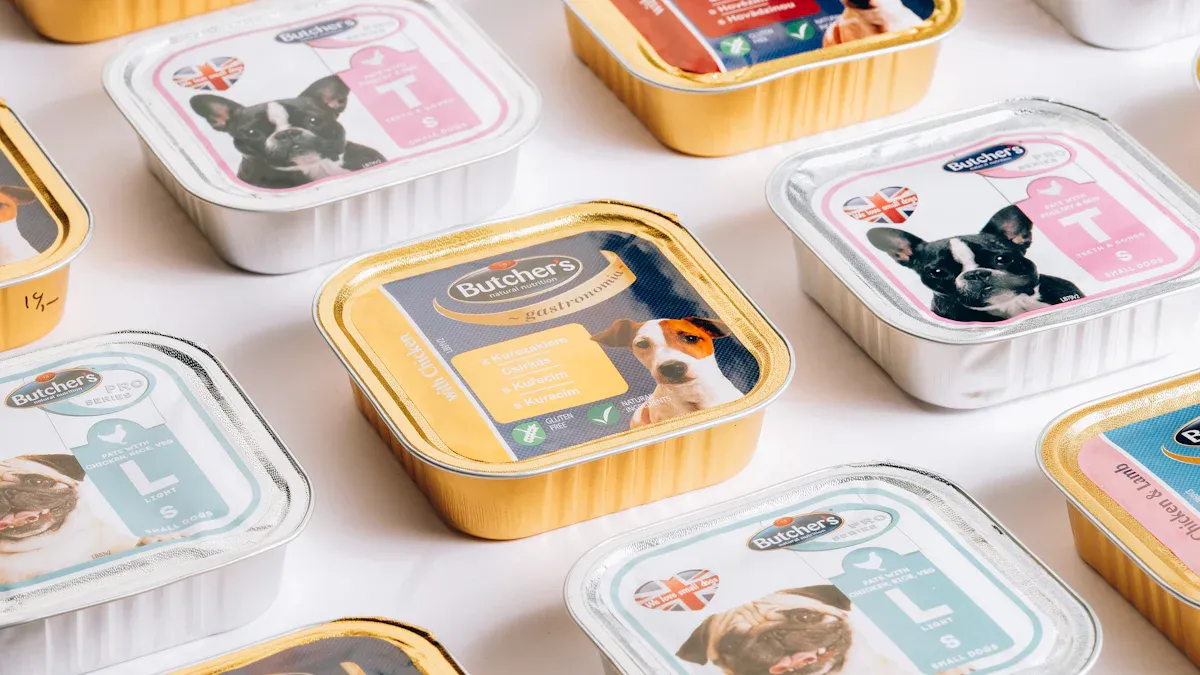
You may have heard that byproducts are bad for your pet. This idea is common, but it is not always true. Many people believe that only whole meats are good for dogs and cats. You might see byproducts on the ingredient list and worry about quality. The truth is, byproducts can be a valuable part of dog petfood dogfood catfood.
Byproducts include organ meats, bones, and other parts of animals that people do not usually eat. These parts often contain important nutrients. When you look at the ingredients list, you may notice byproducts listed along with other protein sources. Some pet owners think these ingredients are just fillers. In fact, they can provide high-quality protein and essential vitamins.
Note: The Association of American Feed Control Officials (AAFCO) sets standards for what counts as a safe and nutritious byproduct in pet food.
Scientific studies show that byproducts can be a good source of nutrition for pets. Here are some findings from research:
Poultry by-products can serve as a viable protein source in dog food. Studies with Beagle dogs found no negative effects on digestibility or fecal quality.
Meat and bone meals processed at different temperatures and pressures offer valuable nutrition for both dogs and cats.
Texturized vegetable protein and beef have similar digestibility in dogs, showing that alternative protein sources can work well.
Experts say that the overall diet matters more than focusing on one ingredient in the ingredient list.
You should not judge a pet food just by seeing byproducts on the label. The quality of the ingredients list and the balance of nutrients are more important.
Here is a simple comparison of byproducts and whole meat ingredients:
Ingredient Type | Protein Content | Nutritional Value |
|---|---|---|
Byproduct Meals | High | Concentrated source of protein, more efficient for meeting dietary needs |
Whole Meat Ingredients | Lower | Requires larger quantities to meet protein needs, less efficient |
Byproducts often have higher protein content because the cooking process removes moisture. This makes them a concentrated source of nutrition. When you check the ingredients list, you may find that byproducts can provide superior nutrition compared to muscle meat alone.
Nuzoko’s Approach to Premium Ingredients
Nuzoko believes in using only high-quality ingredients for every pet food product. You can trust that each item on the ingredients list meets strict international standards. Nuzoko’s team uses science to choose the best sources for dog petfood dogfood catfood. The brand focuses on research and development to make sure every formula supports your pet’s health.
You will find that Nuzoko’s ingredient list includes premium proteins, human-grade meats, and carefully selected byproducts. The company does not add unnecessary fillers. Every ingredient serves a purpose. Nuzoko’s experts use the latest information from nutrition science to design balanced diets for pets.
If you want to make the best choice for your pet, always read the label and look for clear information about the ingredients list. Nuzoko provides detailed information so you know exactly what goes into your pet’s food. This transparency helps you feel confident about your decision.
When you choose Nuzoko, you get more than just pet food. You get a product backed by years of experience, advanced research, and a commitment to quality. The brand’s approach ensures that your pet receives complete nutrition, whether you are buying for a cat or a dog.
Regulation and Safety Myths
Private Label Pet Food Regulation Facts
You might think private label pet food does not follow strict rules. This is not true. Every country has its own guidelines for pet food safety. In the United States, the U.S. Department of Agriculture checks the safety and label of pet food. In Europe, the European Union sets rules for how companies make and sell pet food. The EU Pet Food Industry Group also gives information and guidelines to help brands follow the law.
Here is a table that shows who checks pet food in different places:
Region | Regulatory Agency | Description |
|---|---|---|
United States | U.S. Department of Agriculture (USDA) | Oversees the safety and labeling of pet food products. |
Europe | European Union (EU) | Regulates pet food through directives and regulations that impact production and marketing stages. |
EU Pet Food Industry Group (FEDIAF) | Provides resources and guidance on EU pet food regulations. |
You should know that regulatory compliance for pet food changes by country. Safety and efficacy must be proven before a product can be sold. Sometimes, advanced scientific tests are needed for certain ingredients. The most common problems found in pet food include mislabeling, adulteration, and not following good manufacturing practices. Always look for an aafco statement on the label. This statement shows the food meets important guidelines.
Nuzoko’s Quality Assurance Standards
Nuzoko takes safety and quality very seriously. You get pet food that meets international standards every time you choose Nuzoko. The company uses strict quality control at every step. Nuzoko follows all guidelines from the USDA, EU, and other agencies. The team works with veterinary nutritionists to make sure every product is safe and healthy.
You can always find clear information on every label. Nuzoko includes an aafco statement and other important information so you know what your pet is eating. The brand also shares details about ingredients and nutrition. Veterinary nutritionists help design each formula, so you can trust the food supports your pet’s health. When you pick Nuzoko, you choose a brand that values safety, science, and transparency.
Labeling Myths: “Natural” and “Holistic” in Pet Food
Understanding Pet Food Label Claims
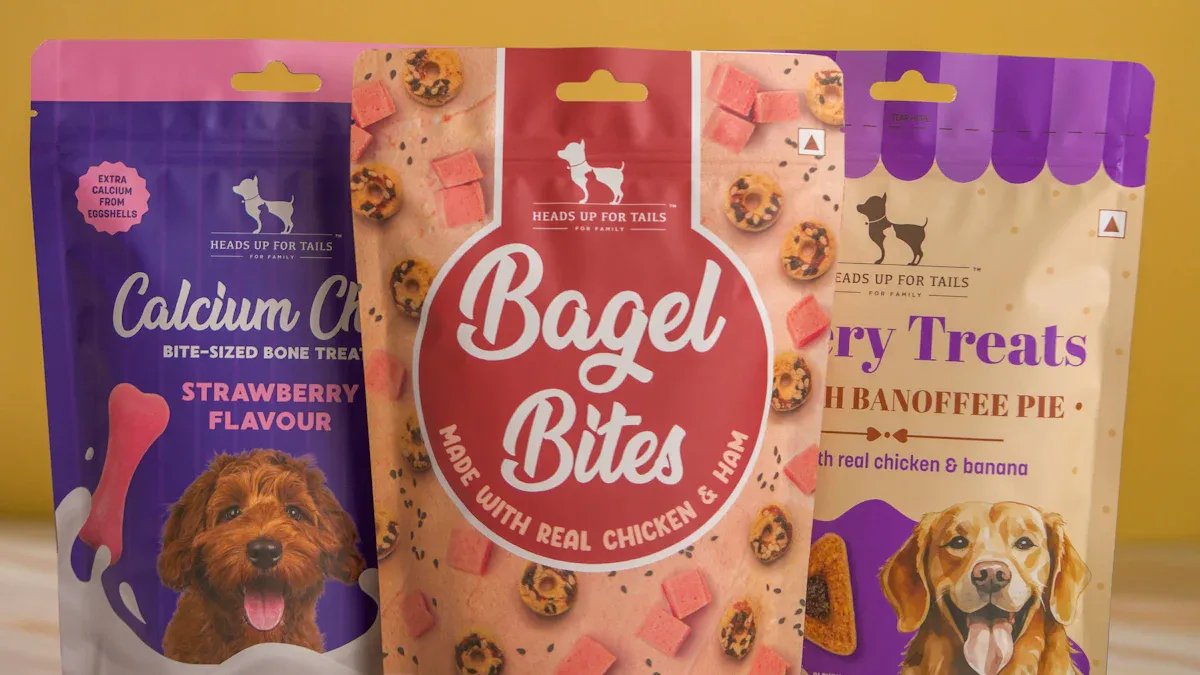
You see many words on a pet food label. Some of the most common are “natural,” “organic,” and “holistic.” These words can confuse you when you try to pick the best food for your pet. You need to know what these terms really mean before you trust the label.
Here is what each term means:
Natural: This means the pet food or ingredient comes only from plants, animals, or minerals. It does not use synthetic processes or additives. The Association of American Feed Control Officials (AAFCO) sets this rule.
Organic: This follows rules from the USDA. The ingredients must grow and process without certain drugs or chemicals. If the food meets all standards, it can show the USDA organic seal.
Holistic: This word has no legal meaning in pet food. No agency checks or controls how companies use it. Brands often use “holistic” to make the food sound healthy, but it does not guarantee any special benefits.
Many pet food products use these words on the label, but not all follow the rules. Look at this table for more information:
Term | Definition and Regulation | Implications |
|---|---|---|
Natural | Defined by AAFCO, but not always strictly enforced | Some foods may still have synthetic ingredients |
Holistic | Not legally defined or regulated | Can be misleading and does not promise health benefits |
You should always read the label for important information. Some foods called “natural” may not give your pet a balanced diet. The word “holistic” does not mean the food is better or safer. You need to check for real facts and not just trust big words.
Nuzoko’s Transparent Labeling Practices
Nuzoko gives you clear and honest information on every pet food label. You can find important information about ingredients, nutrition, and safety. The brand does not use confusing words or hide facts. You get all the details you need to make a smart choice for your pet.
Nuzoko believes you deserve to know what goes into your pet’s food. The company lists every ingredient and explains why it is there. You can trust that the label shows the real quality of the food. When you choose Nuzoko, you pick a brand that values your trust and your pet’s health.
Nutritional Adequacy Myths in Pet Nutrition
Formulation for Dog Petfood Dogfood Catfood
You want your pet to stay healthy and happy. You may wonder if private label pet food gives your pet all the nutrients it needs. Many people believe common myths about nutritional adequacy. Some think grain-free diets are always better. Others believe raw diets are more natural. Some pet owners even think homemade food is always best. These ideas can lead to confusion and poor choices.
Veterinary nutritionists say a balanced diet is key for pet health. You need to know that not all pet food meets the same standards. Some products do not provide enough nutrients for your pet. Recent studies found that only 6% of wet pet foods and 38% of dry pet foods fully meet nutritional guidelines. This means many products do not give your pet the right nutritional value.
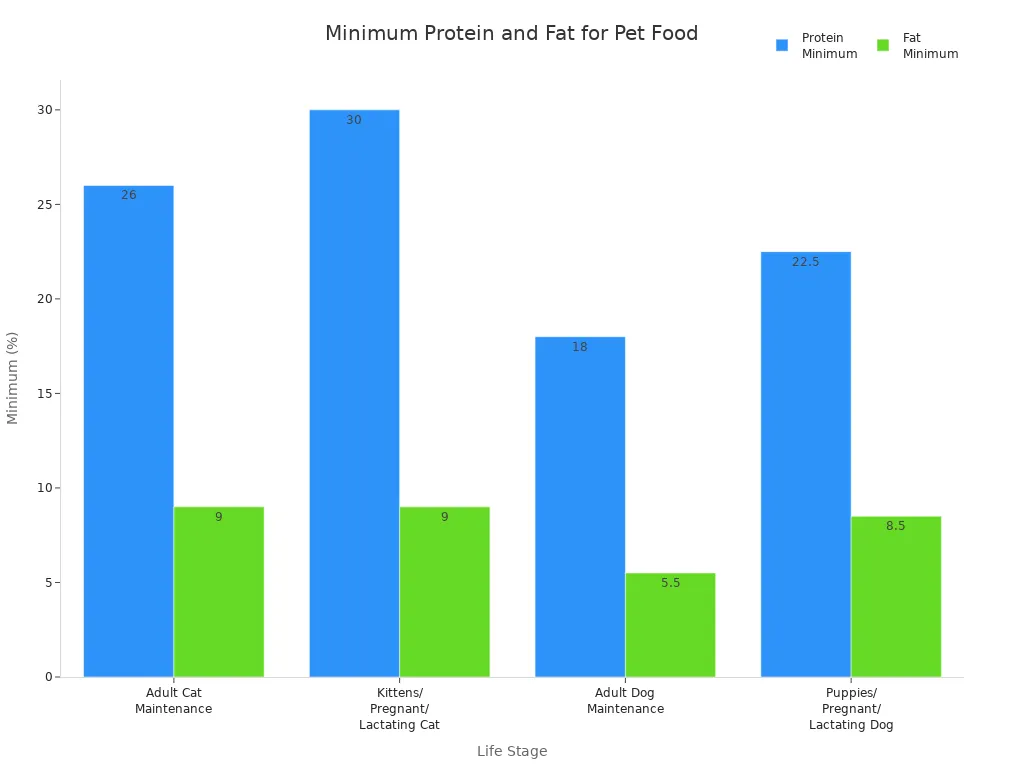
You should look for a nutritional adequacy statement on the label. This statement shows the food meets the minimum requirements for a complete and balanced diet. The Association of American Feed Control Officials (AAFCO) and the European Union set these standards. They list the minimum protein and fat levels for different life stages. Here is a table that shows these requirements:
Life Stage | Protein Minimum | Fat Minimum |
|---|---|---|
Adult Cat Maintenance | 26% | 9% |
Kittens/Pregnant/Lactating Cat | 30% | 9% |
Adult Dog Maintenance | 18% | 5.5% |
Puppies/Pregnant/Lactating Dog | 22.5% | 8.5% |
You can also see the differences in this chart:
Besides protein and fat, your pet needs many other nutrients. These include vitamins and minerals that support growth, energy, and health. Here are some important nutrients your pet needs:
Calcium
Phosphorus
Potassium
Sodium
Chloride
Magnesium
Iron
Copper
Manganese
Zinc
Iodine
Selenium
Vitamin A
Vitamin K
Thiamine (Vitamin B1)
Riboflavin (Vitamin B2)
Pantothenic Acid (Vitamin B5)
Niacin (Vitamin B3)
Pyridoxine (Vitamin B6)
Folic Acid (Vitamin B9)
Biotin
Vitamin B12
Choline
You should not trust marketing words alone. Some brands use words like “holistic” or “natural” without proof. You need to check the label for real information about nutritional value and nutrients. Ingredients are listed by weight, but this does not always show the quality or balance of the food. Marketing can make some ingredients sound better than they are.
Here are some common myths about nutritional adequacy in pet food:
Grain-free diets are always healthier, but grains can give important nutrients unless your pet has an allergy.
Raw diets are better, but they can carry harmful bacteria.
By-products are bad, but they can give vitamins and minerals.
Homemade diets are always best, but they can miss key nutrients.
Pets should eat only meat, but dogs need a mix of food groups.
Cats and dogs can live on vegan diets, but cats need nutrients from animal products.
You should always look for a nutritional adequacy statement to make sure your pet gets a complete and balanced diet.
Nuzoko’s Science-Driven Pet Nutrition
Nuzoko uses science to create pet food that meets all your pet’s needs. The team works with veterinary nutritionists to design formulas for every life stage and health condition. You can find products for puppies, kittens, adult pets, and seniors. Nuzoko also makes special diets for pets with allergies, diabetes, or other health issues.
Nuzoko’s Boost Premium Dog Food uses organic, grass-fed beef and fresh rice. This formula gives your pet the nutrients it needs without extra fat. You help your pet stay at a healthy weight. Nuzoko’s experts also create custom diets for pets with special needs. Veterinary nutritionists can design food for pets with medical problems. These diets support health and follow your vet’s advice.
You get clear information about every product. Nuzoko lists all ingredients and explains their purpose. You see the nutritional profiles and know the food supports your pet’s health. The brand follows strict international standards. Every batch goes through quality checks to make sure it meets the rules for dog petfood dogfood catfood.
When you choose Nuzoko, you give your pet food with high nutritional value. You know your pet gets all the nutrients it needs for energy, growth, and a strong immune system. You can trust Nuzoko to deliver safe, balanced, and science-based pet nutrition.
Tip: Always ask your veterinarian for advice about your pet’s diet. Look for brands that share clear information and follow strict standards.
You learned that many myths about private label pet food come from confusion and marketing. The label on your pet’s food gives you important facts. You should always check the label for a nutritional adequacy statement. Ask your veterinarian to help you understand the label and choose the best food. Trust brands like Nuzoko that provide clear label information. Stay curious, read every label, and ask questions to keep your pet healthy.
FAQ
Is private label pet food safe for my pet?
You can trust private label pet food when you choose reputable brands. Look for clear labels, quality assurance statements, and international certifications. Brands like Nuzoko follow strict safety standards and use science-based nutrition.
How do I know if my pet food meets nutritional needs?
Check the label for a nutritional adequacy statement. This shows the food meets standards for complete and balanced nutrition. You can also ask your veterinarian for advice.
Are byproducts in pet food harmful?
Byproducts can give your pet important nutrients. Organ meats and bones provide protein, vitamins, and minerals. You should focus on the overall quality of the food, not just one ingredient.
What makes Nuzoko different from other brands?
Nuzoko uses premium ingredients, advanced research, and strict quality control. You get clear information about every product. The brand works with veterinary nutritionists to create balanced diets for cats and dogs.