

You can make cat food at home. It feels good to make a fresh meal for your cat. Many people try homemade cat food. Some even try homemade raw cat food to help their cat’s health. Homemade food is often easier for cats to digest. It can also be healthier, especially for picky cats. Less than 4% of people feed only homemade meals. But more people are adding homemade food to their cat’s diet. Nuzoko cares about quality. They use science to make every recipe. This helps you know your petfood gives your cat balanced nutrition each day.
Key Takeaways
Making cat food at home lets you pick the ingredients. This helps your cat eat healthy and natural meals.
Begin with easy recipes first. Slowly add new ingredients so your cat can get used to homemade food.
Make sure your cat gets important nutrients. These include protein, taurine, and vitamins. These help your cat stay healthy.
Do not use dangerous foods like onions, garlic, or chocolate. These foods can harm your cat.
Keep homemade cat food in containers that close tightly. This keeps the food fresh and stops it from going bad.
Getting Started With Premium Petfood
Why Choose Homemade
You might wonder why so many cat owners start making cat food at home. The reasons are simple and important. Many people want to control what goes into their petfood. You can skip grains, fillers, and by-products. You get to pick every ingredient. Some owners want a high-protein diet or even try raw cat food for their cats. Others need a special recipe for health reasons that store-bought food does not cover.
Here are some common reasons people choose homemade cat food:
You want to use natural ingredients.
You care about nutritional quality and health benefits.
You want to avoid grains and other unwanted items.
You want to pamper your cat with a fresh meal.
You want your cat’s diet to match your own food philosophy, like organic or vegetarian.
You feel unsure about how commercial food is processed.
Let’s look at what motivates most owners:
Motivation Type | Percentage (%) |
|---|---|
Nutritional quality and health benefits | 55.9 |
Natural ingredients | 19.9 |
Avoiding grains and inappropriate ingredients | 6.6 |
You might also want to try homemade raw cat food or raw food for cats. Many people believe feeding raw food can help with digestion and energy. Making cat food at home gives you the power to create a recipe that fits your cat’s needs. Nuzoko believes in quality and science. Their recipes show you how to balance nutrition and taste.
Tools & Equipment
You do not need a fancy kitchen to start making cat food. You just need a few basic tools. Here’s a simple list to help you get started:
A sharp knife for cutting meat and vegetables.
A food processor or blender for mixing ingredients.
A kitchen scale for measuring portions.
Baking trays and parchment paper for drying or baking.
Airtight containers to keep food fresh.
If you want to make homemade raw cat food, you may also need a meat grinder. Always clean your tools well, especially when handling raw cat food. This keeps your recipe safe and healthy. Making cat food at home can feel rewarding. You get to see the benefits in your cat’s health and happiness. Nuzoko’s focus on quality and research can guide you as you try each new recipe.
Tip: Start with a simple cat food recipe. Watch how your cat reacts before trying more advanced recipes.
Nuzoko Petfood Ingredients & Nutrition
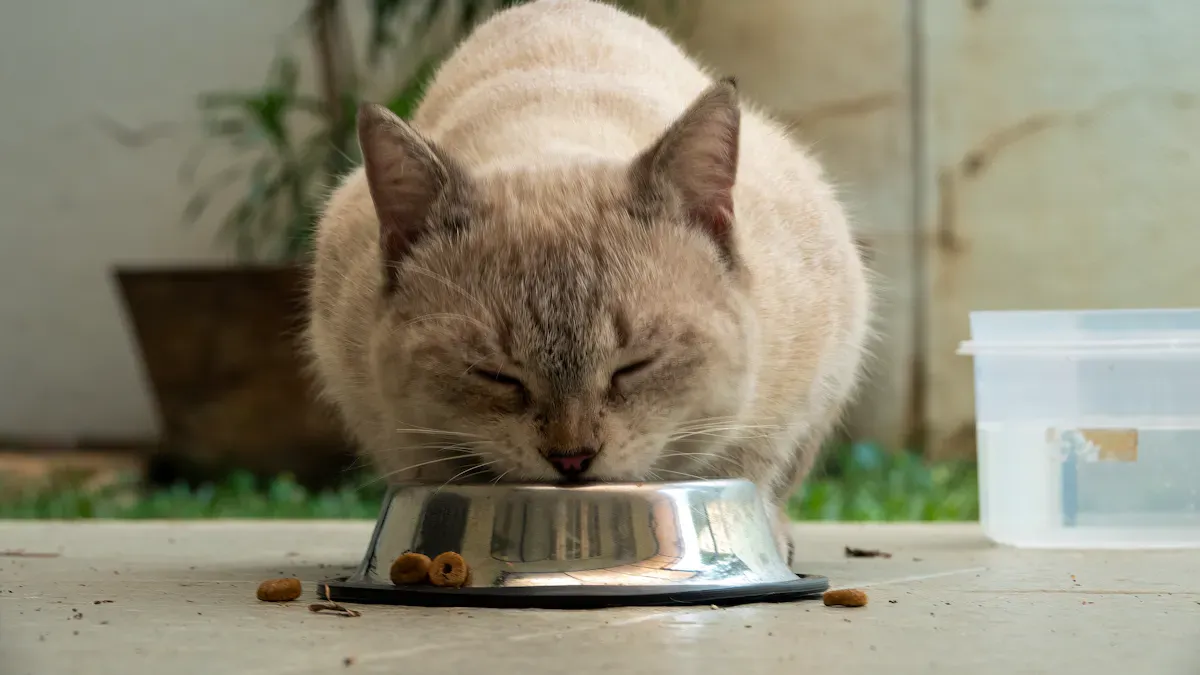
When you make dry cat food at home, you want your cat to get good nutrition. Cats need a balanced diet for their health. You cannot just give them meat and stop there. Your recipe should have protein, fats, carbohydrates, vitamins, minerals, and taurine. Nuzoko uses science to make sure every recipe helps your cat stay healthy and happy. Their team checks each ingredient for safety and quality, so you can trust what you feed your cat.
Here is a quick look at what cats need in every meal:
Nutrient | Importance |
|---|---|
Protein | Needed for growth and health. Cats need lots of protein. |
Taurine | Important for heart and eyes. Not enough can cause health problems. |
Calcium | Needed for strong bones. Must be in homemade diets. |
Vitamins | Vitamins like A, D, E, and B help with body functions and the immune system. |
Fatty Acids | Good for skin, fur, and energy. |
Water | Needed for hydration. Give enough water, especially with dry food. |
Protein Sources
Cats are obligate carnivores. This means they must eat meat to live well. You cannot use plant proteins instead of animal proteins. Meat gives cats nutrients like taurine, vitamin A, vitamin B12, and arachidonic acid. These nutrients help stop liver and heart problems, skin issues, and hearing loss. Most cats eat meat-based food. Only a few eat plant-based meals. Some people feed raw food for cats, but you must use a safe recipe to avoid health risks.
Here are some top protein sources for homemade dry cat food:
Protein Source | |
|---|---|
Beef | Has iron, phosphorus, zinc, B12, and B6. Helps muscles and the immune system. |
Chicken | Lean and easy to digest. Has omega-6, selenium, B6, and phosphorus. Good for skin, fur, bones, and liver. |
Salmon | Has omega-3 fatty acids, potassium, B-vitamins, and niacin. It is very nutritious but must be balanced to protect the kidneys. |
You can use fresh meat like chicken thighs with bone, chicken liver, and chicken heart in your recipe. These give your cat taurine, which is important for heart health. Some owners try raw cat food or feeding raw food, but you must be careful with raw meat. Always handle meat safely to keep your recipe safe. If you use pre-ground meat, check its quality before using it.
Tip: Always use a trusted recipe. This keeps your cat’s food safe and healthy.
Fats & Carbohydrates
Fats give your cat energy and help their skin and fur look nice. The best fats come from animals like chicken fat, salmon oil, or krill oil. These fats have omega-3 and omega-6 fatty acids. These help your cat’s heart and immune system. You can also use flaxseed for more omega-3s. When you make dry cat food, keep fat at about 18%. This matches what experts say is best.
Cats do not need many carbohydrates. Carbs are not as important for cats as for people. If you add carbs, use low-carb, grain-free foods like peas, chickpeas, lentils, or sweet potatoes. These help hold the food together and add fiber, but keep carbs low. A good recipe has about 6% carbohydrates. This is close to what cats would eat in the wild.
Here is a simple table to show the right balance:
Nutrient Type | Percentage |
|---|---|
Protein | 67% |
Fat | 18% |
Carbohydrates | 6% |
Vitamins, Minerals, Taurine
Vitamins and minerals are as important as protein and fat. Cats need calcium for strong bones, iron for healthy blood, and zinc for a shiny coat. You can add calcium carbonate from eggshells or limestone to your recipe. Other minerals like copper, manganese, sodium, potassium, and chloride are also important. You can find these in special pet supplements.
Mineral/Vitamin | Source/Description |
|---|---|
Calcium | Comes from ground limestone or eggshells. |
Copper | Added as copper citrate or copper gluconate. |
Iron | Given as amino acid chelates. |
Manganese | Also given as amino acid chelates. |
Sodium | Added as sodium chloride. |
Potassium | Added as potassium chloride. |
Chloride | Added as sodium chloride. |
Zinc | Added as zinc oxide. |
Vitamin E | Made with mixed tocopherols. |
Taurine is an amino acid that cats cannot make themselves. You must add it to every recipe, especially if you make raw cat food or use raw food for cats. Without enough taurine, cats can get heart problems like dilated cardiomyopathy. Many homemade recipes do not have enough taurine, so always check your ingredients and use a supplement if needed.
Note: Human supplements are not safe for cats. They often do not have taurine and can have too much vitamin D, which is bad for cats.
Nuzoko’s science team checks every batch of ingredients for safety and quality. They use advanced tests and work with suppliers around the world. This makes sure every recipe meets strict rules. Their team has over 20 years of experience in cat nutrition, so you can trust their advice when making petfood at home.
If you want your cat to be healthy, always use fresh meat, the right vitamins and minerals, and follow a proven recipe. Your cat will have a healthy heart, shiny fur, and lots of energy.
Foods to Avoid in Cat Petfood
Toxic Foods
You want your cat to be healthy. Some foods are safe for people but not for cats. You must avoid these dangerous foods when making cat food at home:
Onions
Garlic
Raw Meat
Eggs
Liver
Chocolate
Caffeine
Alcohol
Raw Dough
Milk & Dairy
Grapes & Raisins
Dog Food
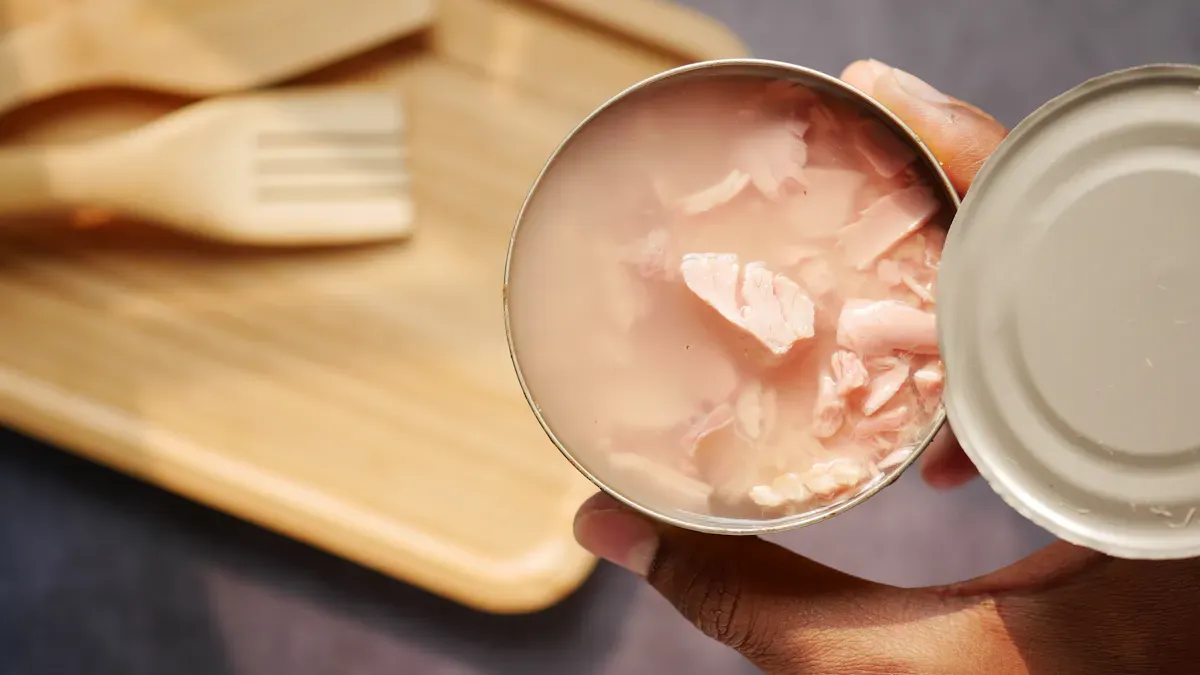
Canned Tuna
Even a tiny bit of garlic or onion can hurt your cat. About seven percent of homemade recipes use garlic, onion, or leeks. These are toxic for cats. Liver and eggs might seem good, but they can cause vitamin problems or make your cat sick. Raw cat food is popular, but you must use safe meat and skip risky foods. Always check your recipe before you start cooking. If you feed raw food for cats, follow strict safety steps.
Tip: Never add chocolate, caffeine, or alcohol to petfood. These can cause seizures or even death.
Allergens & Additives
Some cats have bad reactions to certain foods. Allergens and fake additives can cause stomach pain, skin issues, or behavior changes. When you make your own recipe, you can skip these risky things:
Corn, wheat, and soy can cause allergies and stomach pain.
Artificial colors and flavors may cause sensitivity or behavior changes.
Synthetic preservatives like BHA, BHT, and sodium nitrate can cause stomach problems and even cancer.
Carrageenan can upset your cat’s stomach.
Here’s a quick list of additives to avoid:
Artificial Preservatives
Artificial Colors
Flavor Additives
You control what goes into your recipe. This helps keep your cat safe. If you use raw cat food, do not add fillers or additives. Always read labels and pick fresh, simple foods. Your cat will feel better and have more energy.
Nuzoko Recipe Steps
Ingredient Preparation
You start making cat food by picking the right ingredients. Fresh meat is the most important part of your recipe. Cats need animal protein for strong muscles and a healthy heart. You can use chicken thighs with bone, chicken heart, beef, or salmon. Always rinse meat well before you begin. This step helps remove surface bacteria and keeps your recipe safe.
If you want to try homemade raw cat food, you must follow strict safety rules. Cook all poultry thoroughly before feeding it to your cat. Avoid using uncooked or frozen meat in your recipe. Some people partially bake poultry before grinding. This method helps kill bacteria and lets you leave the food out longer without worry. Keep toxic ingredients like onions, garlic, raisins, and grapes out of your cat food recipe. These can harm your cat’s heart and overall health.
Here’s a quick checklist for safe ingredient preparation:
Rinse meat well before cutting or grinding.
Cook poultry until it is no longer pink.
Avoid uncooked or frozen meat in homemade raw cat food.
Keep toxic foods out of your recipe.
Use fresh vegetables and supplements for balanced nutrition.
You can mix different meats for recipe variations. Try adding chicken heart or liver for extra taurine and vitamins. Always measure your ingredients with a kitchen scale. This helps you keep the right balance for cat nutrition.
Tip: If you use raw food for cats, always handle meat with clean hands and tools. Wash everything after making cat food.
Baking & Drying
Once you prepare your ingredients, you move to baking and drying. Baking is a great way to keep nutrients in your recipe. It works better than boiling because it minimizes nutrient loss. You want your cat to get all the nutrition from the meat and supplements.
Air-drying is another method you can use. This process exposes your ingredients to warm air at a controlled temperature. It removes moisture while keeping proteins and vitamins intact. Air-drying takes longer than baking, but it preserves nutrition and keeps your recipe safe from bacteria. Many people use air-drying for raw cat food and raw food for cats because it keeps the food fresh and healthy.
Here’s how you can bake and dry your homemade cat food:
Preheat your oven to 350°F.
Spread your meat and other ingredients on a baking tray lined with parchment paper.
Bake for 20-30 minutes, checking that the meat is cooked through.
Let the food cool, then cut it into small pieces.
Place the pieces in a dehydrator or leave them in the oven at a low temperature (about 150°F) for several hours.
Check that the food is dry and crunchy.
Air-drying gently removes moisture at low temperatures over a long period. This method keeps the nutrition in your recipe and makes the food safe for your cat. You can use air-drying for homemade raw cat food if you want to keep the natural taste and nutrients.
Note: Baking and air-drying both help eliminate harmful bacteria and pathogens. You keep your recipe safe and nutritious for your cat.
Storage Tips
After making cat food, you need to store it the right way. Proper storage keeps your recipe fresh and safe. You want to protect the nutrition and flavor of your homemade dry cat food.
Store your food at room temperature. Avoid humid places because moisture can cause mold. Keep your recipe in its original packaging inside an airtight container. This helps maintain freshness and keeps out pests. Always check the expiration date. Homemade dry cat food usually stays safe for 2 to 3 months if you store it in an airtight container.
Here’s a table to show how long you can store your recipe:
Storage Method | Duration |
|---|---|
Original packaging in airtight container | 2 to 3 months |
You should monitor the food for any signs of spoilage. If you see mold or smell anything strange, throw the food away. You want your cat to get the best nutrition every time you feed them.
Tip: Label your containers with the date you made the recipe. This helps you track freshness and keeps your cat’s meals safe.
Nuzoko uses advanced manufacturing and strict quality checks to make sure every batch of petfood meets high standards. You can follow these steps at home to make premium dry cat food. You control the ingredients, the recipe, and the nutrition your cat gets. Making cat food at home feels rewarding and keeps your cat’s heart healthy and strong.
Transitioning Your Cat to Homemade Petfood
Gradual Introduction
Switching your cat to homemade cat food takes patience. You want your cat to enjoy the new recipe and stay healthy. Cats can be picky, especially if they love their old food. When making cat food at home, you should introduce new ingredients slowly. This helps your cat’s stomach adjust and keeps their heart and body strong.
Here’s a simple way to start:
Mix 10% of your new recipe with 90% of your cat’s old food. Use cooked meat and safe ingredients.
After two days, increase the new recipe to 25%. Watch your cat for any changes.
By the end of the first week, you can use 50% new recipe and 50% old food if your cat feels good.
Keep adding more of your homemade recipe every few days. Make sure the texture and meat pieces are similar to what your cat likes.
After 7-10 days, your cat should eat only your homemade recipe with fresh meat and balanced ingredients.
If you want to try raw cat food, follow the same steps. Some cats need more time to get used to new meat or different ingredients. Always use a trusted recipe when making cat food, especially if you are feeding raw food.
Tip: If your cat refuses the new recipe, slow down the process. Some cats need extra time to accept new meat or flavors.
Health Monitoring
You need to watch your cat closely during the switch. Making cat food at home means you control every ingredient, but you also need to check for signs of trouble. Cats can react to new meat or a change in recipe. Look for these signs of digestive upset:
Vomiting
Diarrhea
Constipation
Bloating or gas
Decreased appetite or refusal to eat
Lethargy
Weight loss
If you see any of these, stop feeding the new recipe and go back to the old food. Try making cat food with different meat or ingredients next time. Your cat’s heart, fur, and energy will show you if the recipe is right. Always use fresh meat and safe ingredients. If you try raw cat food or feeding raw food, watch for changes in your cat’s health. Good cat nutrition starts with careful monitoring and the right recipe.
Note: If your cat has heart problems or other health issues, talk to your vet before making cat food at home.
You can make premium dry cat food at home by following a few simple steps. Here’s a quick guide:
Mix supplements with water and blend with meat, bones, skin, liver, and eggs.
Grind boneless poultry meat and skin using a food processor.
Bake chicken thighs at 350°F, leaving some meat raw, and add fat drippings.
Cook liver for 20 minutes, then cut meat into chunks for dental health.
Grind bones, non-chunked meat, skin, liver, and eggs together.
Combine the supplement mix with the meat mixture.
Portion the recipe into containers and freeze.
Always talk to your veterinarian before changing your cat’s diet. This helps keep your cat safe, especially if you want to try raw cat food or a new recipe. Watch your cat’s reaction to new meat or raw cat food and adjust the recipe if needed. Nuzoko supports you with science-driven nutrition and quality you can trust.
FAQ
Can I use any type of meat for homemade cat food?
You can use chicken, beef, or salmon. Always pick fresh meat. Avoid processed meat or anything with spices. Cats need animal meat for nutrition. Never use spoiled meat. Stick to safe meat sources for your recipe.
How do I know if my cat likes the new meat recipe?
Watch your cat eat. If your cat finishes the meat, that’s a good sign. Some cats sniff new meat first. Try different meat types. You can mix meat with old food. If your cat refuses meat, try again later.
Is raw meat safe for cats?
Raw meat can carry bacteria. You must handle meat carefully. Always wash your hands after touching meat. Some people bake meat before feeding. If you use raw meat, buy high-quality meat. Ask your vet about raw meat safety.
How much meat should I add to each meal?
Cats need lots of meat. Use a kitchen scale to measure meat portions. Most recipes use 67% meat. Too little meat can cause health problems. Too much meat can upset your cat’s stomach. Balance meat with other nutrients.
Can I freeze homemade meat cat food?
Yes, you can freeze meat cat food. Portion the meat into containers. Label each container with the date. Frozen meat stays fresh for months. Thaw meat before serving. Never refreeze meat after thawing. Freezing keeps meat safe.



