

Exporters need to know the rules before sending specialty catfood. They must have the right papers and certificates. These protect shipments from being late or getting fines. Following world rules helps companies stay out of trouble. It also makes sure safe products go to other countries.
Following the rules helps people trust exporters and their products. Good plans help exporters handle rules without worry.
Key Takeaways
Exporters need a Certificate of Exportability. This shows their cat food is safe.
Health and veterinary certificates are very important for shipping. Some countries have strict animal health rules.
A commercial invoice and packing list must match. This helps avoid customs delays. Make sure to include all needed details.
The Bill of Lading helps track shipments. All details must match other export documents.
Exporters should file FDA Prior Notice early. This helps stop shipment refusals at the U.S. border.
Keep up with international rules. Every country has its own pet food export requirements.
Regular pathogen testing is very important. It helps keep cat food safe and follows import rules.
Keeping good records and documents helps with customs. It also helps build trust with buyers.
Catfood Export Documentation
Certificate of Exportability (COE)
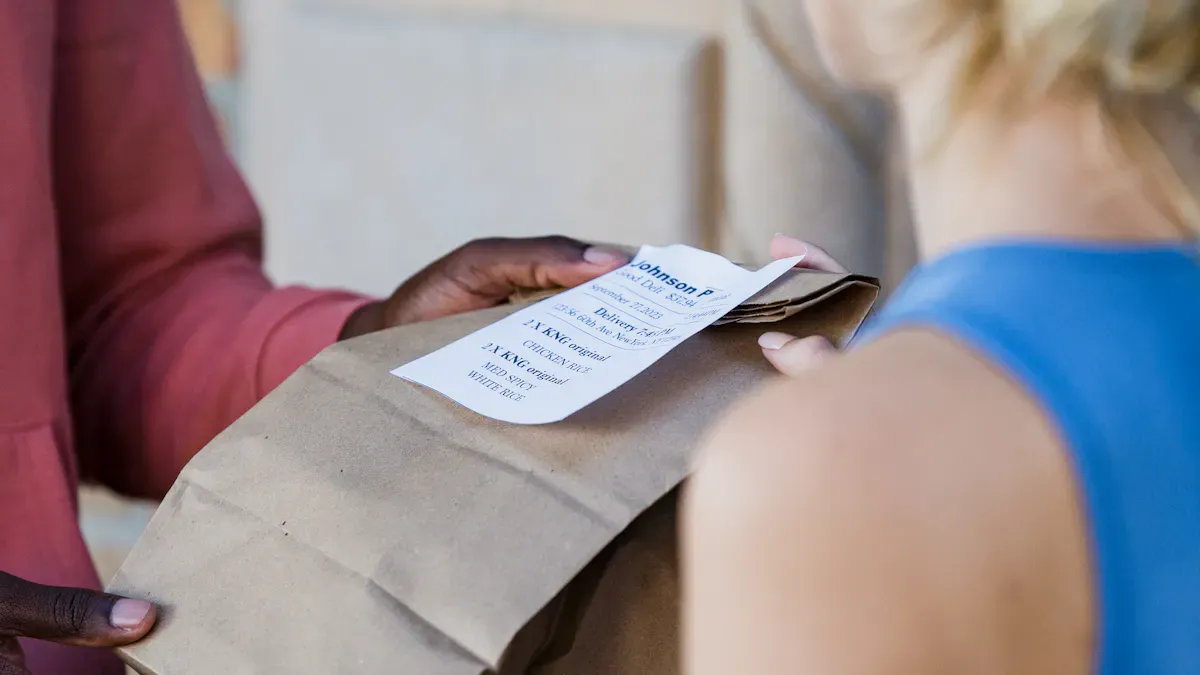
A Certificate of Exportability (COE) shows that specialty catfood follows export rules from its home country. Exporters get this paper from a government office, usually the food safety authority. The COE proves the catfood is safe for animals and follows local manufacturing laws. Many countries ask for this certificate before they let catfood shipments in. Exporters should ask for the COE early to stop shipment delays.
Health and Veterinary Certificates
Health and veterinary certificates are needed for sending catfood, especially to places with strict animal health rules. These papers show the catfood does not have dangerous germs and meets health rules in the country it is going to. The right authority in the home country gives these papers after checking the factory and looking at lab test results.
The table below shows the usual papers needed for exports to the European Union and Asia-Pacific:
Requirement Type | Description |
|---|---|
Health Certificate | An official paper from the right authority in the home country, needed for EU imports. |
Commercial Invoice | Must list the correct pet food HS code. |
Detailed Packing List | A list that shows what is in the shipment. |
Certificate of Origin | Paper that proves where the goods come from. |
Phytosanitary or Health Certificate | Needed from the right authority in the home country. |
Nutritional Analysis Report | Must come from a trusted laboratory. |
Ingredient Declaration | Must follow the labeling rules of the country it is going to. |
Label Compliance Documentation | Makes sure the product labels fit the rules of the country it is going to. |
Import Permits | Needed for customs clearance when required. |
Exporters must make sure all papers are correct and accepted worldwide. Missing or wrong papers can make customs reject or send back shipments.
Commercial Invoice and Packing List
A commercial invoice and packing list give customs officers details about the catfood shipment. These papers must match and have all needed information to stop delays at the border. Customs officers use them to check what is in the shipment, its value, and if it follows trade rules.
A full commercial invoice and packing list should have:
Importer company details
Product details (ingredient list, package pictures, label info, etc.)
Certificate of Analysis (COA)
Import license
Commercial papers set (Sales contract, Commercial Invoice, Packing List, Bill of Lading, etc.)
Correct packing lists and commercial invoices help shipments clear customs and follow trade rules. Mistakes like wrong carton numbers, weight errors, missing sizes, wrong product details, or bad package markings can cause delays and fines. If papers are missing or wrong, shipments may be checked, held up, or sent back at the port.
Tip: Exporters should check all papers before sending catfood to make customs go smoothly and avoid problems.
Bill of Lading and USDA Permit
A Bill of Lading (BOL) is a very important shipping paper for specialty cat food exports. This paper is a contract between the shipper and the carrier. It shows what kind of goods are being shipped, how much there is, and where it is going. Customs officers use the BOL to follow shipments and check who owns them while they travel. Exporters need to make sure every detail on the BOL matches other export papers. If something does not match, customs can delay or stop the shipment.
A USDA Permit is needed when cat food has animal-derived ingredients. The United States Department of Agriculture (USDA) gives this permit to show the product meets animal health and safety rules. The USDA checks how the product is made, where the ingredients come from, and if the factory is clean before saying yes. Some countries want a USDA Permit before they let pet food in. Exporters should ask for this permit early because it can take weeks to get.
Note: The Bill of Lading and USDA Permit are both very important for easy customs clearance. If papers are missing or wrong, shipments can be rejected or cost extra money to store at the port.
Key Points for Exporters:
Always check that the Bill of Lading matches the commercial invoice and packing list.
Get the USDA Permit before planning to ship overseas, especially for products with animal proteins.
Keep copies of all papers for your records and future checks.
FDA Prior Notice
The Food and Drug Administration (FDA) needs Prior Notice for all specialty cat food coming into the United States. This rule helps keep animals and people safe by letting the FDA look at shipments before they arrive. Exporters must send Prior Notice online using the FDA Prior Notice System Interface (PNSI).
The steps for sending FDA Prior Notice are:
Provide Shipment Details: Exporters collect and give shipment facts, like product details, who made it, where it will arrive, and how it will travel.
Review and Verification: FDA experts check all shipment and factory facts to make sure everything is right before sending it in.
Prior Notice Filing: The Prior Notice is sent online through the FDA PNSI, and it must be on time.
Confirmation Delivered: The exporter gets a Prior Notice number, and this number must go with the shipment to the port.
Tip: Always send FDA Prior Notice as soon as you can. If you are late or forget, your shipment can be refused or destroyed at the border.
Exporters must treat FDA Prior Notice as a must-do step in exporting. Sending it the right way helps shipments move through customs and get to their new country without problems.
Regulatory Bodies and Standards

FDA and USDA Roles
Exporters of specialty cat food in the United States must follow rules from different agencies. The Food and Drug Administration (FDA) checks if pet food is safe. It also looks at labels and what goes into the food. The United States Department of Agriculture (USDA) makes sure animal health and product safety are good. This is important for foods with animal ingredients. The U.S. Fish and Wildlife Service helps when products have wildlife or animal by-products.
Regulatory Body | Primary Responsibilities |
|---|---|
USDA | Watches over animal products like specialty cat food. APHIS and FSIS check health and safety rules. |
U.S. Fish and Wildlife Service | Makes sure rules for wildlife and wildlife products are followed. It checks businesses and people who trade animals. |
USDA uses APHIS and FSIS to check health and safety. FDA checks labels and ingredients. Exporters need to know which agency covers their product before shipping.
Tip: Exporters should talk to both FDA and USDA early. This helps avoid delays.
AAFCO Standards
The Association of American Feed Control Officials (AAFCO) sets rules for nutrients in pet food. These rules help companies make safe and healthy cat food. Most states use AAFCO rules to decide if a product can be sold.
Aspect | AAFCO Standards | International Regulations (EU) |
|---|---|---|
Legal Status | Enforced by state laws | Not enforced; follows EU feed law |
Nutritional Guidance | Uses AAFCO nutrient profiles | Uses FEDIAF guidelines |
Market Access | Not used; EU rules apply | |
Variability | Same rules across the U.S. | More changes in Canada |
Enforcement | Checked by inspection and registration | Controlled by EU feed laws |
AAFCO standards focus on nutrition and safety. Other countries, like the European Union, use different rules such as FEDIAF. Exporters must check if their product meets both AAFCO and other countries’ rules before shipping.
International Authorities
EU Regulations
The European Union has strict rules for specialty cat food. The EU uses FEDIAF guidelines for nutrition and safety. Products must have clear labels, safe ingredients, and proof of where they come from. The EU also needs health certificates and lab tests.
Asia-Pacific Rules
Countries in Asia-Pacific, like Japan and Australia, have their own pet food rules. Many ask for import permits, health certificates, and ingredient lists. Some countries want extra tests for animal diseases or banned items.
Other Major Markets
Other places, like Canada and South America, have their own rules and agencies. Canada often uses rules like the United States but may need more papers. South American countries may ask for special permits or labels in their language.
Exporters should always check the newest rules for each country. Rules can change fast, and missing a step can delay shipments.
Compliance Steps for Catfood Exporters
Product Formulation Approval
Exporters need approval for each catfood recipe before shipping. Agencies check the ingredients and nutrition in the product. They want to make sure the food is safe and healthy. In the United States, AAFCO says state feed programs should use enforcement discretion for six years when looking at pet food labels. The Pet Food Committee checks this rule every year. They look at things like testing and how packaging is designed.
Exporters do these steps to get product formulation approval:
Send ingredient lists and nutrition facts to the right authority.
Give samples for lab testing.
Wait for feedback from the Pet Food Committee or similar groups.
Make changes if the authority asks for them.
Get official approval before moving forward.
Exporters should keep all approval records. This helps them answer questions from authorities fast.
Facility Inspection
Regulatory groups need to inspect the facility to make sure it is safe. Inspectors visit the factory. They check if everything is clean and if equipment and storage are good. They also watch how workers handle catfood ingredients. If the factory passes, the exporter gets a certificate.
Steps for facility inspection are:
Set up an inspection with the local authority.
Clean and organize the whole facility.
Train workers to follow safety rules.
Let inspectors see all parts of the factory.
Fix any problems found during the inspection.
A clean and neat factory helps exporters avoid delays. Inspectors look for dirt or unsafe actions. Exporters must fix problems fast to stay in compliance.
Labeling and Packaging Rules
Exporters must follow strict rules for catfood labels and packaging. Authorities want labels that clearly show ingredients, nutrition, and where the food is made. Packaging must keep the food safe and meet safety rules.
Labeling Requirement | Description |
|---|---|
Ingredient Declaration | List all ingredients in order of weight. |
Nutritional Information | Show protein, fat, fiber, and moisture levels. |
Country of Origin | State where the catfood was made. |
Batch Number | Include for traceability. |
Expiry Date | Show shelf life and safety. |
Language and Translation
Exporters must use the official language of the country on labels. Some places want more than one language. Labels must be clear and correct. If there are mistakes, customs can reject the shipment.
Use professional translators for all label words.
Check spelling and grammar before printing.
Put all needed information in each language.
Tip: Exporters should check translation rules for each country. This helps stop mistakes and delays.
Nutritional Claims
Authorities check all nutrition claims on catfood labels. Claims must match lab results. Exporters should not make claims that are not true.
Only use claims that science supports.
Give lab reports to authorities for checking.
Take off any claims that do not follow the rules.
Exporters who follow these rules earn trust from buyers. True claims help stop legal trouble and recalls.
Documentation and Record-Keeping
Specialty cat food exporters must keep good records to follow the rules. Keeping records helps companies track shipments and answer questions from officials. It also shows that their products are safe. Exporters need to make a record for every batch of cat food they get or send out. These records should have business contact details, product descriptions, dates, lot codes, how much was shipped, packaging details, transporter names, and where ingredients came from.
Exporters write down when they get and send out animal food.
Each record lists the type, brand, and kind of cat food.
Dates help find out where shipments went.
Lot codes help track each batch easily.
Quantity and packaging details show how much and how it was packed.
Transporter names tell who moved the product.
Ingredient sources show where each part came from.
Importers must keep Foreign Supplier Verification Program (FSVP) records for two years or more. These records include emails, certificates of analysis, audit reports, and notes about fixing problems. The FDA can check these records at any time.
Tip: Exporters should use a digital system to organize records. This makes it easy to find papers during checks or audits.
Document control helps staff find the newest rules. Exporters must update food safety papers and tell workers about changes. They also need steps for handling products or ingredients that do not meet the rules. Keeping records current helps companies fix problems fast and follow the law.
Customs and Freight Coordination
Exporters must work with customs and freight teams to move specialty cat food safely. Good labels and packaging keep the food safe while it travels. Packages marked ‘Perishable’ tell handlers to be careful. Storage and handling instructions help keep the food fresh.
Exporters plan with shipping companies to set up travel times. Short trips keep the food fresh and stop it from spoiling. Picking a good shipping company with experience in perishable goods helps keep quality high and gives access to cold storage.
Use strong boxes made from thick cardboard for safety.
Pack tightly with foam peanuts, paper, or bubble wrap to stop damage.
Keep food cold with foam containers, dry ice, or gel packs.
Wrap wet food and use liners that resist water.
Seal boxes well with strong tape.
Put big shipments on pallets and use strong straps for safety.
Label boxes with product name, net weight, maker’s name and address, and ingredient list.
Talking clearly with everyone in shipping is very important. Exporters get updates and fix problems fast. Working with customs brokers helps follow the rules and avoid delays.
Note: Exporters should check each country’s customs rules before shipping. This stops problems at the border and helps shipments arrive on time.
Meeting International Requirements
Pathogen Testing
Exporters need to show their specialty catfood does not have bad bacteria or viruses. Many countries want lab tests for pathogens like Salmonella, E. coli, and Listeria. Labs use careful methods to check each batch. They take samples from finished catfood and test them for germs. If a batch does not pass, exporters cannot send it. Authorities want proof the product is safe before it enters their country.
A normal pathogen testing process includes:
Taking samples from every batch.
Sending samples to certified labs.
Checking test results for pathogens.
Saving all test reports.
Tip: Exporters should test often to avoid delays and help buyers trust them.
Nutritional Analysis
Nutritional analysis helps exporters show their catfood meets pets’ needs. Many countries ask for a report with protein, fat, fiber, and moisture levels. Labs use special tools to measure these nutrients. Exporters must send the nutritional analysis report with shipment papers.
A nutritional analysis report usually has:
Nutrient | Minimum Requirement | Typical Value |
|---|---|---|
Protein | 26% | 30% |
Fat | 9% | 12% |
Fiber | 3% | 4% |
Moisture | 10% | 12% |
Exporters must update reports if they change the recipe. Correct reports help authorities see if the catfood is safe and healthy.
Note: Authorities may reject shipments if the nutritional analysis does not match the label.
Safe Handling Proof
Safe handling proof shows exporters follow safety steps when making and shipping catfood. Authorities want records of cleaning, storage, and transport. Exporters must keep logs showing workers follow hygiene rules. They must also show the product stays at the right temperature during shipping.
Exporters can use these steps to give safe handling proof:
Keep cleaning logs for equipment and work areas.
Record storage temperatures for each batch.
Track transport conditions with shipping logs.
Train workers on hygiene and safety rules.
Authorities may ask for these records during inspections. Exporters who keep good records can answer questions fast and avoid shipment delays.
Exporters who follow safe handling rules protect their products and help buyers trust them.
Adapting to Market-Specific Rules
Exporters have many problems when sending specialty cat food to other countries. Each country has its own rules for pet food safety, labels, and ingredients. Companies must learn these rules and change their products to fit local laws. This helps shipments get through customs and reach stores without trouble.
China and the European Union (EU) have very strict rules for specialty cat food. In China, new GB standards cover labels, additives, and testing. Exporters must update labels and use only allowed additives. China uses Decree 280, which says all foreign food makers must register before exporting to China. This rule helps China know where products come from and keeps unsafe food out. The National Health Commission checks new food ingredients. If companies get approval, they can use new ingredients in specialty cat food.
The table below shows important rules for China:
Regulatory Aspect | Details |
|---|---|
New GB Standards | China has 50 new food safety rules for labels, additives, and testing. |
Import Control | Decree 280 says foreign makers must register before sending food to China. |
Novel Ingredients | The National Health Commission checks new ingredient requests for specialty products. |
These changes in China’s rules mean exporters must work harder to follow the law. They need to update labels, check ingredient lists, and keep records for every shipment. The new system-wide update in China’s food laws creates a bigger compliance burden for foreign producers. At the same time, it opens the door for new and innovative ingredients in specialty cat food.
Significance | Implications |
|---|---|
System-wide update | Big changes to China’s food rules affect labels and additives for all exporters. |
Foreign producers must spend more time and money to meet new requirements. | |
Innovation pipeline | New rules allow more novel ingredients, which helps specialty cat food stand out. |
The European Union also has high standards for pet food. The EU uses FEDIAF rules for nutrition and safety. Exporters must give clear labels, show where ingredients come from, and pass tough lab tests. The EU does not allow some additives used in other places. Exporters must check every ingredient and remove any that do not fit EU rules.
To follow these market rules, exporters should:
Learn the newest rules for each country.
Get help from local experts who know the rules.
Change product labels and ingredient lists to fit local laws.
Register with the right authorities before shipping.
Keep good records for every batch.
Exporters who change quickly to new rules can sell in more countries and earn trust from buyers. Staying up-to-date and flexible helps companies avoid delays and rejected shipments.
Certification Impact on Market Access
Gaining Market Entry
Certification helps specialty cat food exporters sell in new places. Many countries, like those in the European Union, have tough rules for pet food. Exporters must prove their products are safe and follow all local standards. The EU wants a full safety check for any new ingredient. This check can take a long time and cost a lot. Small exporters may struggle with these rules. Each EU country might have its own rules, making things harder. Exporters with the right certifications can sell their products faster and with fewer problems. Certification shows that cat food is safe and high quality.
Certification works like a passport for specialty cat food. It helps exporters cross borders and find more customers.
Building Consumer Trust
Certifications help with rules and also make buyers trust the product. Pet owners want to know their cat food is safe and made well. When companies show clear certifications, buyers feel better.
Pet food makers who share where their products come from and how they are made earn more trust.
Many buyers care about safety and good standards, so certifications help prove these points.
Pet parents often pay more for cat food with safety certifications.
If a product does not mention certifications, buyers may not trust the brand.
In the United States, many pet owners see their cats as family. They look for third-party certifications to make sure the food is safe.
Third-party certifications show a company follows strict safety rules. This helps buyers feel good about their choice.
Reducing Legal Risks
Certifications protect exporters from legal trouble. They show a company follows world food safety laws and standards. Many exporters use ISO certifications to manage risk:
ISO 22000 covers food safety management.
ISO 9001 focuses on quality assurance.
ISO 14001 deals with environmental management.
These certifications help companies avoid recalls and legal problems. They also make it easier to trace ingredients and prove label claims. When exporters follow these rules, they keep better records and support lab results.
Certification makes sure products meet world safety standards.
It helps companies avoid fines and lawsuits.
It supports strong product trust and credibility.
By earning and keeping certifications, exporters lower legal risks and protect their business everywhere.
Specialty cat food exporters can do well by taking important steps. First, they should make a full ingredient list and use clear, correct labels. Next, they need to get all needed papers and test results from trusted labs. Exporters must keep records about their factory and use good ways to make cat food. They also have to register products in every state and follow local laws.
Expert Resource | Details |
|---|---|
Regulatory Compliance | |
Quality Assurance | Use HACCP and regular lab testing. |
Staying up-to-date with rules and asking experts for help lets exporters avoid fines and earn trust in other countries.
FAQ
What documents do exporters need for specialty cat food shipments?
Exporters need a Certificate of Exportability. They also need health and veterinary certificates. A commercial invoice and packing list are required too. A Bill of Lading is needed for shipping. Sometimes, exporters must get a USDA permit. For shipments to the United States, they must file FDA Prior Notice.
How can exporters avoid customs delays?
Exporters should check every document before shipping. All details must match on invoices, packing lists, and the Bill of Lading. Working with customs brokers who know the rules helps avoid mistakes. This makes shipments clear customs faster.
Do all countries require the same certifications?
No, each country has its own rules. The European Union, China, and Australia have different requirements. Exporters must learn about each market. They need to change documents, labels, and ingredients to fit local laws.
Why is pathogen testing important for cat food exports?
Pathogen testing shows the product is safe. Many countries want lab results for bacteria like Salmonella or E. coli. Passing these tests keeps pets safe. It also helps shipments get through customs without problems.
What happens if a shipment fails inspection?
If a shipment fails inspection, customs may reject it. They might destroy or send it back. Exporters could get fines or lose the chance to sell there. Keeping good records and following safety rules helps stop these problems.
How do exporters prove safe handling during shipping?
Exporters keep cleaning logs and temperature records. They also keep transport logs. These records show workers follow hygiene rules. They prove the product stays safe from the factory to the customer.
Can exporters use any language on cat food labels?
No, exporters must use the official language of the country. Some places want more than one language. Good translation stops customs problems and helps buyers trust the product.
What certifications help build consumer trust?
Certifications like ISO 22000, AAFCO compliance, and third-party safety seals help. These marks show the product meets high standards. Pet owners feel better about buying food with these certifications.



