

You want your petfood to be safe. This is important when picking a dog food factory in China. Many buyers worry about food safety. They have seen problems like bad quality, wrong labels, and unclear ingredients. People also worry about how honest the factory is. They want to know who is responsible for health issues. If you work with a certified pet food brand like nuzoko, you can avoid these risks. This helps keep your dog healthy.
Quality gets worse over time
No one takes blame for health problems
People worry about where ingredients come from
The factory process is not always clear
Key Takeaways
Always look for certifications like ISO 22000 and HACCP. These show the factory follows safety rules.
Ask for proof of ownership. This helps you know who takes care of quality and safety in the pet food factory.
Find factories that use new technology. This stops contamination and keeps things clean.
Ask for test reports for ingredients. This proves they are safe and do not have harmful stuff.
Make good relationships with suppliers. This helps you talk and get support during the process.
How to Evaluate a Pet Food Factory
Key Evaluation Criteria
You must check a pet food factory in China before picking one. This helps you avoid problems and keeps your petfood safe. Many factories offer different services. Not all factories have high standards. Look for clear signs of good quality and trust.
Here is a table with the main things to check when you look at a pet food factory:
Criteria | Description |
|---|---|
Certifications | ISO 22000, HACCP, GMP, FDA Registration, EU Compliance |
Quality Assurance | Third-party lab testing, traceability systems, regular audits |
Production Capabilities | Equipment that matches your product type, such as extrusion for dry kibble |
Supplier Performance | Review scores, response times, on-time delivery rates |
Ask these important questions when you check a pet food factory in China:
Do you make the right type of pet food, like dry, wet, or treats?
What certifications do your factory have for my export markets?
Can you help with testing, like sample formulas or pilot plant access?
What are your minimum order sizes and production times?
Can you make custom recipes and keep my formula safe?
How many factories do you have, and where are they?
Check if the pet food factory has a good history with similar recipes and amounts. Look for strong systems to track ingredients. Some factories can make small batches first before you order more. Make sure they have clear quality checks, like nutrition tests and batch consistency. Always look at contract rules about recipe ownership and changes.
If you want extra trust, work with brands that focus on exports, like nuzoko. Nuzoko has over 20 years of experience making pet food. The brand follows strict international rules and helps you with science-based petfood solutions.
Factory Ownership and Accountability
You need to know who owns and runs the pet food factory in China. Ownership shows who is responsible for safety and quality. Some factories only act as middlemen. They do not control the factory or the process. This makes it hard to fix problems if something goes wrong.
When you check a pet food factory, ask for proof of direct ownership or long-term management. You should know who will answer your questions and handle any issues. Good factories keep clear records and offer full tracking. They show you how they get ingredients and manage production.
Nuzoko owns and runs its own facility. The brand controls every step, from research and development to manufacturing and shipping. This gives you peace of mind. You know who is responsible for your petfood at every stage.
Tip: Always pick pet food factories that show clear responsibility. This helps you build trust and keeps your pet food safe and steady.
Factory Technology and Cleanliness
Modern Equipment Standards
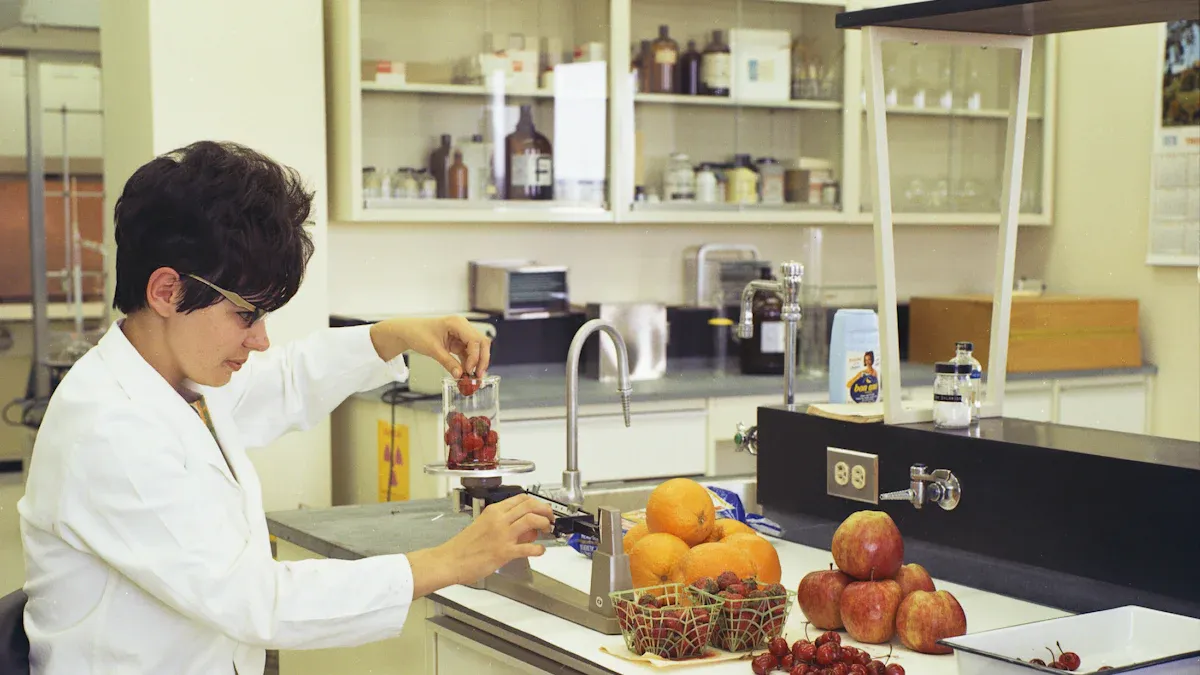
Check if the factory uses new machines. New machines help keep pet food safe. Machines should be simple to clean. This stops germs from spreading. Automatic systems help find problems fast. They keep ingredients safe. Factories with ISO and CE standards care about safety.
New machines make pet food safely and quickly.
Stainless steel surfaces are easy to clean and stop germs.
Automatic systems check for germs and keep food safe.
Factories must keep raw and finished food apart to stop germs.
Testing ingredients and checking finished food keeps pets safe.
Tip: Ask the factory to show their machines and explain how they clean them.
Hygiene and Maintenance
Factories must be very clean. Workers should follow strict hygiene rules. They must wash hands at important times. They need to wear clean uniforms and change if needed. Protective gear helps keep germs out.
Workers wash hands often, especially after using the bathroom.
Clean uniforms and extra clothes stop germs from coming in.
Cleaning schedules and pest control keep the factory safe.
Strict hygiene rules protect pet food from germs.
A clean factory shows the brand cares about your pet’s health.
Contamination Prevention
Contamination can hurt pets. Toxic metals like lead, arsenic, cadmium, and mercury are dangerous. These metals can get into food from raw materials or pollution. Top factories use new technology to stop this.
Technology | Description |
|---|---|
Real-Time PCR finds germs and lowers cross-contamination risk. | |
VIDAS® KUBE™ | Automatic system finds germs and makes work faster. |
TEMPO® | Automatic system checks food and factory for quality. |
GENE-UP® TYPER | Finds certain germs to stop future contamination. |
ENVIROMAP® | Cloud tool helps track factory cleaning and checks. |
Pick factories that use these tools and follow strict safety rules. This keeps your pet food safe and healthy.
Petfood Quality Control
You need strong quality control at every step in a pet food factory in China. This keeps petfood safe and helps buyers trust the factory. Brands like nuzoko use science and test samples often to meet safety rules. You should check if the factory tracks ingredients and keeps records. Modern factories use electronic systems with barcode scanning. These systems follow each ingredient from arrival to finished product. This helps you find problems fast.
Ingredient Testing Protocols
You must test all raw materials before using them. Pet food makers use strict rules to check for safety and quality. Here is a table showing common tests:
Test Type | Purpose |
|---|---|
Water Activity (aᵥ) | Shows free water in the product, which affects germs and shelf life. |
pH | Checks for spoilage risk and keeps formulas steady. |
Moisture | Measures water content for labeling and nutrition. |
Heavy Metals | Screens for toxic metals, important for fish-based foods. |
Mycotoxins | Finds toxic mold in grains or plant ingredients. |
Factories also test each batch for germs like Salmonella and E. coli. They check for mycotoxins, heavy metals, and pesticides. Quality checks include yeast, mold, and food integrity. Factories must verify raw materials and additives for quality assurance.
In-Process Monitoring
During production, you must watch for safety and quality rules. Pet food makers use advanced systems to catch problems early. Here are some tools:
Monitoring System | Description |
|---|---|
Automated Vision Systems | Cameras spot defects fast. |
IoT Sensors | Give real-time data on temperature and humidity. |
AI-Powered Solutions | Improve detection and inspection. |
You may also see NIR for quality checks and SPC for process control. These steps help keep quality control and consistency.
Finished Product Sampling
You need to check product samples from different zones in the pet food factory in China. This shows strong quality control and meets safety rules. Here is how factories test:
Sampling Location | Description | Testing Method |
|---|---|---|
High-risk zones (Zone 1) | Food-contact surfaces with high risk | ATP, allergen, and pathogen testing |
Medium-risk zones (Zone 2) | Near food-contact surfaces | Indicator organism testing |
Low-risk zones (Zones 3 & 4) | Floors, walls, and maintenance | Routine indicator testing |
Factories require a Certificate of Analysis for each lot. This proves the pet food is safe before shipping. You should work with pet food makers who follow these steps for petfood safety.
Certifications and Compliance
International and Chinese Certifications
You should always look at the certifications of a pet food factory in China. These certificates prove the factory follows strict safety rules. Many international certificates are famous and trusted by buyers everywhere. Here is a table with the most important certifications:
Certification | Description |
|---|---|
HACCP | Hazard Analysis and Critical Control Points, a management system addressing food safety. |
BRC | British Retail Consortium, a global standard for food safety. |
FSSC 22000 | Food Safety System Certification, a certification scheme for food safety management systems. |
Many pet food makers in China have these certificates. You can see some examples in the table below:
Manufacturer | Certifications |
|---|---|
Manufacturer 1 | FDA Compliant, ISO 9001, BRCGS, FSSC 22000 |
Manufacturer 2 | FSSC 22000, ISO 9001, National Industrial Production License |
Manufacturer 3 | ISO 9001, ISO 22000, HACCP, BRC, EU/US/Japan export registrations |
Manufacturer 4 | ISO 22000, High Technology Company, FDA, EU standards compliance |
These certificates help you trust the safety and quality of the products.
Regulatory Standards
You need to know the rules for pet food in China. The Chinese Ministry of Agriculture and Rural Affairs (MARA) makes these rules. Here is a table that shows the main standards:
Regulatory Aspect | Description |
|---|---|
Governing Authority | Chinese Ministry of Agriculture and Rural Affairs (MARA) |
Import Registration | Overseas manufacturers must obtain an import registration license from MARA to export pet foods. |
Ingredient Regulations | All ingredients and additives must have suitable regulatory status under positive lists issued by MARA. |
Labeling Regulations | Specific requirements for mandatory labeling items such as product name, net weight, and use instructions. |
China also has strict rules for things that can make pet food unsafe. These rules cover metals, toxins, and germs. The law lists 21 limits for different things. All pet food factories must follow these limits.
Nuzoko Certifications
Nuzoko meets top international and Chinese standards. The brand has certifications like ISO 22000, HACCP, and BRC. Nuzoko also follows all MARA rules for pet food safety and labeling. You can trust that Nuzoko’s products are very safe. The brand’s certificates help you feel sure when you pick Nuzoko as your partner.
Tip: Always ask your pet food factory in China for proof of certifications. This step keeps your business and your customers safe.
Supplier Reliability and Support
Supplier Evaluation
You must check if your supplier is reliable. Reliable suppliers help you avoid delays and mistakes. You can check their delivery times and how they handle complaints. You should see if they follow your product rules. Many manufacturers share their history with new customers. You can ask for references or read reviews from other buyers. A good supplier will show proof of quality and safety checks.
Tip: Always ask for a sample order first. This lets you see how the supplier works before you make a big decision.
Communication and After-Sales Service
Good communication keeps your business running well. Make sure all agreements are clear. This includes payment schedules and what materials the supplier will use. Clear communication helps you avoid confusion. Building a good relationship, called personal connections, is important in China. This means you treat your supplier like a friend. You should learn about their values and long-term goals. Working with local partners helps you build trust and makes your supplier more helpful.
Write down all agreements.
Learn about your supplier’s values and goals.
Build a friendly relationship over time.
Work with local partners for better trust.
If you have a problem after your order, good after-sales service matters. Your supplier should answer your questions and help you fix any issues fast.
Nuzoko’s Global Support
Nuzoko gives strong support from start to finish. The brand helps you with supplier checks, product design, and logistics. Nuzoko’s team speaks many languages and knows what global buyers need. You get help with sourcing, price talks, and quality checks. If you have questions, Nuzoko answers quickly and gives clear solutions. The brand’s after-sales service helps you fix problems and keeps your supply chain smooth. Many international customers trust Nuzoko for their pet food needs.
You can keep petfood safe by using a simple checklist. Always check for certifications and look at supplier records. Ask for proof that quality controls are in place. Pick trusted brands like nuzoko for more safety. Follow these steps to keep petfood safe:
Make sure the process stays the same each time.
Plan audits every year and look at the results.
Write down every step from getting ingredients to packing.
Ask for outside and official audits often.
Be ready and careful. Talk to experts and do audits often to keep your brand and customers safe.
FAQ
What certifications should I check for in a Chinese pet food factory?
You should look for ISO 22000, HACCP, and BRC. These show the factory follows strong safety rules. Ask for proof of these certificates before you order.
How can I make sure the pet food ingredients are safe?
Ask the factory for test reports on every batch. You can request a Certificate of Analysis. This report shows the food is free from harmful germs and metals.
Why is factory ownership important for pet food safety?
Direct ownership means the factory controls every step. You know who to contact if there is a problem. This helps you trust the safety and quality of your pet food.
What should I do if I find a problem with my order?
Contact your supplier right away. Good suppliers like nuzoko will help you fix the issue fast. Always keep records of your orders and any problems you find.



