

You can check cat food production standards in Chinese factories by looking at some important things. First, look for certifications like ISO 22000 or SQF. These certifications show good safety practices. Third-party testing and regular audits help keep high standards. They also make consumers feel more confident.
Registration and certification programs like AQSIQ/CNCA help keep imported petfood safe.
The FDA uses this information to make imports safer and reduce risks for buyers.
Certifications and audits show that a factory cares about quality and honesty.
Brands like nuzoko are special because they follow rules strictly and use science to guide their work.
Key Takeaways
Look for certifications like ISO 22000 and HACCP. These show the cat food is safe and good quality.
Always check factory licenses and documents. This helps you know the factory follows safety rules.
Find out if there is third-party testing and audits. This makes sure the pet food is healthy.
When you visit, check how clean the factory is. Good hygiene means the food is made safely.
Pick brands like nuzoko that are open about their process. They keep high standards in making cat food.
Certifications and Compliance for Petfood
Key Licenses and Permits
Before buying petfood, check if the factory has the right licenses. Factories in China must follow strict rules to make and export petfood. The main licenses are MARA Registration and GACC Documentation. These papers help factories pass customs and show they follow safety rules.
License/Permit | Description |
|---|---|
MARA Registration | Needed for exporting and selling petfood in China. |
GACC Documentation | Used for customs inspection and includes manuals and certificates. |
Factories must keep these documents ready:
Feed product manual
Business name certificate from the government
Production license for feed products or health inspection certificate
Feed product labels in Mandarin and English
Photos of production facilities and product packaging
All ingredients and additives must follow the positive lists from Chinese authorities. This makes sure the petfood is safe and legal.
Nuzoko is different because it has all the needed licenses and follows export rules. The brand keeps clear records and meets every regulation for global petfood markets.
International Standards (ISO, HACCP)
When you check a factory, look for international standards. These standards show the factory cares about safety and quality. The most common certifications are ISO 22000 and HACCP. These help factories manage food safety and keep products clean.
Standard | Purpose |
|---|---|
ISO 22000 | Food safety management |
HACCP | Food safety management |
ISO 9001 | Quality management systems |
BRCGS | Food safety |
GMP | Good manufacturing practices |
Factories with these certifications can sell petfood to more countries. They also build trust with buyers and investors. Here are some benefits:
Benefit | Description |
|---|---|
Meet export rules and work with big buyers. | |
Stronger consumer trust | Show customers you care about safety and quality. |
Investor confidence | Prove your processes are reliable and well-managed. |
Competitive edge | Stand out from factories without formal food safety controls. |
Nuzoko follows ISO 22000 and HACCP standards. The brand uses science-driven methods and strict quality checks. This makes nuzoko a trusted partner for petfood buyers worldwide.
Verifying Documents and Registration
You must check all documents and certificates before trusting a factory. Start by checking the business license. Look for details like the Unified Social Credit Code, company name, legal representative, and business scope. You can confirm company registration details on platforms like Qichacha. Check the company type, date of establishment, registered capital, and ownership structure.
You should also:
Review credit scores and financial data
Request bank reference letters and tax reports
Research legal history using databases like China Judgment Online
Use third-party verification services such as China Checkup or SGS
When you check certifications, look for:
Official certificate numbers and the issuing agency’s name
Access to public databases for verification
Proper Declaration of Conformity and lab test reports
Follow these steps to avoid mistakes:
Verify licenses and certifications using official tools.
Use third-party verification services for company profiles and inspections.
Check membership in trade associations and chambers of commerce.
Investigate legal compliance and litigation records.
Watch out for certificates that do not have a lab name or valid report. Avoid documents with mismatched product names or unclear terms. Stay away from reports from unaccredited or suspicious agencies.
Nuzoko gives clear certificates and registration documents. The brand welcomes third-party checks and keeps transparent records. You can trust nuzoko’s compliance and export credentials as a model for best practice in petfood sourcing.
Factory Quality Control and Capabilities
Production Equipment and Technology
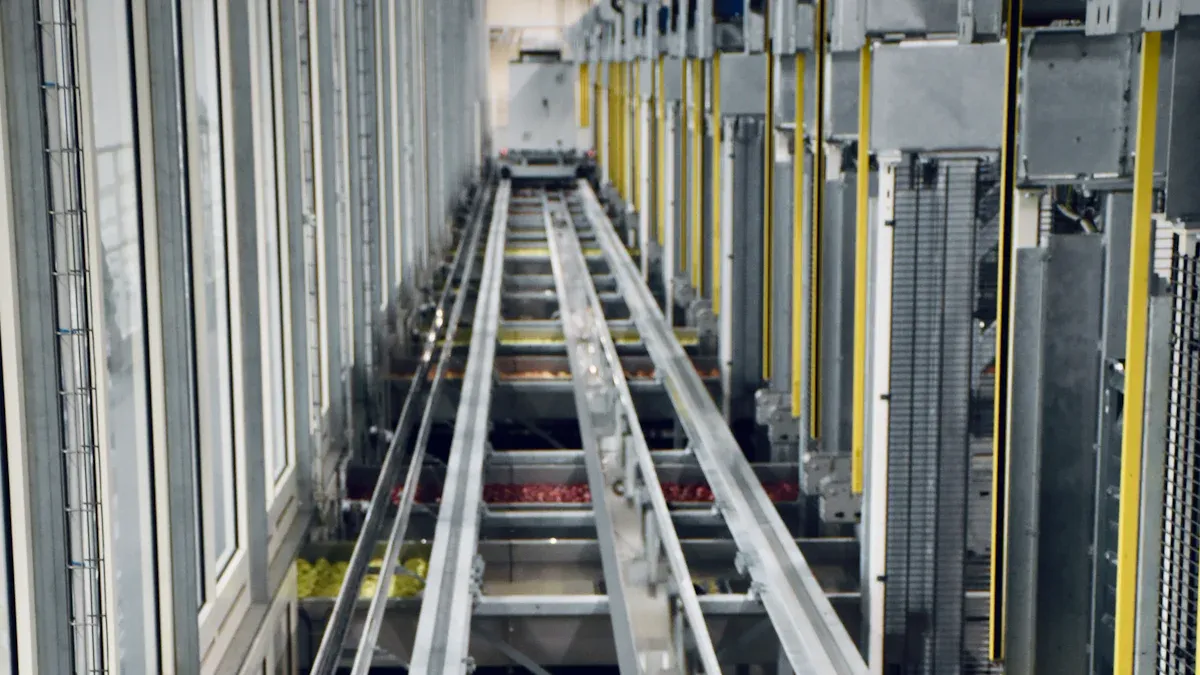
When you go to a cat food factory, look at the machines. Good factories use new machines and technology. This helps make sure each batch is safe and the same. Here is a table that shows what machines top Chinese factories use:
Production Line Type | Description |
|---|---|
Pet Food & Dog Treats Production Line | Uses foodstuff, meat powder, and beans to make petfood with high sanitation standards. |
Dry Pet Food Extrusion Line | Cooks ingredients under high heat and pressure for safety and nutrition. |
Pet Chews Extrusion Line | Shapes animal feed using animal skin and starch for special nutrition needs. |
Pet Food Cold Extrusion Line | Offers high output and strong durability for efficient production. |
Baked Pet Food Production Line | Uses low-temperature baking to keep ingredients fresh and full of nutrients. |
You should see machines that mix, shape, cook, cool, and pack food. These machines help keep petfood clean and safe. The best factories spend money on research and new machines. This helps them make better food and keep safety high.
Ingredient Sourcing and Traceability
Getting good ingredients is very important for petfood. The best factories have strict ways to track every ingredient. Some even use blockchain technology, like VeChain, to follow each ingredient from the supplier to the finished food. This makes it easy to check where each ingredient came from and if it is good. You should ask the factory how they track their ingredients and if they can prove where they come from. Factories with good tracking systems make you feel safer about their products.
Quality Assurance Processes at nuzoko
Nuzoko is a great example of quality control. The brand has a big 26,000-square-meter building for research, making, and packing petfood. Nuzoko uses advanced extrusion and freeze-drying technology to keep petfood safe and healthy. The team checks every batch for quality and safety. Nuzoko’s science-based way means you get the same high-quality petfood every time. The brand’s clear records and open ingredient sourcing make it a trusted partner for buyers all over the world.
On-Site Evaluation Steps
Hygiene and Cleanliness
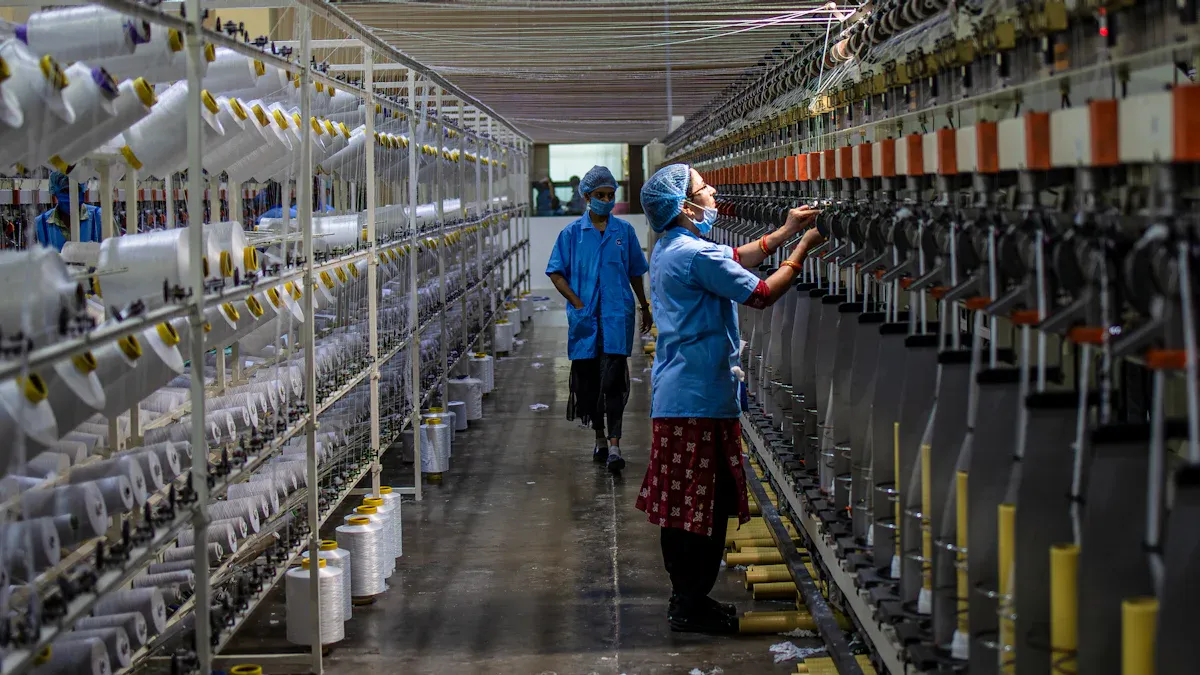
When you visit a cat food factory, look for cleanliness. Clean factories keep pets and people safe. Here are some things to check:
The factory has a license to make food. Inspectors check the building and air flow before giving approval.
Rules for cleaning are posted and followed. Workers wash their hands and wear clean clothes.
There are logs that show machines are checked. Machines must work right to keep food safe.
The factory keeps records of staff hygiene training. Everyone should know how to stop germs from spreading.
Cleanliness and safety rules match what other countries use.
Nuzoko’s factory is special because it follows strict cleaning rules. The team keeps everything very clean and always meets world hygiene standards.
Staff Training and Safety
Ask about how workers are trained and kept safe. Safe workers make safe food for pets. The best factories do these things:
Worker safety is very important. Employees work in safe places.
Training and certificates help workers follow health rules.
Workers learn about cleaning, stopping germs, handling allergies, and using safety gear.
Factories keep records of tests and checks to show they follow rules.
Checks and reviews help factories find and fix problems early.
Nuzoko spends money on teaching and safety for workers. The team goes to training often and follows safety rules. This helps every batch of food meet high standards.
Batch Traceability and Record Keeping
Check how factories track batches and keep records. Good tracking keeps pets safe and builds trust. Here is a table with best ways to track:
Traceability Practice | Description |
|---|---|
Batch coding | Shows where the product came from and who made it. |
Distribution logs | Follows where the product goes in the supply chain. |
Recall readiness | Helps the factory act fast if there is a problem. |
Factories also keep logs of checks, test results, machine reports, and records of fixes. Special batch codes link food to ingredients and dates. This helps factories remove unsafe food quickly if needed.
Nuzoko uses smart tracking systems. The brand gives batch codes and keeps good records, so recalls are fast and easy. You can trust nuzoko’s record-keeping as a good example for others.
Third-Party Testing and Audits
Independent Audits for Petfood
It is important to use independent audits when checking a Chinese petfood factory. Audits help you know if the factory follows rules and keeps good standards. There are different audits that look at different parts of the factory:
Manufacturing Audit: Checks how the factory makes petfood and its quality systems.
Ethical Audit: Looks at how workers are treated and their rights.
Structural Audit: Reviews if the building is safe and strong.
Environmental Audit: Checks how the factory deals with waste and protects nature.
C-TPAT Audit: Focuses on keeping the supply chain safe.
You can ask for these audits before placing a big order. Many buyers trust factories that allow outside checks. Nuzoko is special because it welcomes audits and works with clients worldwide. This open way helps you feel sure about the petfood you buy.
Sample Testing and Lab Analysis
You should also get sample testing and lab analysis done. This step proves the petfood is safe and meets quality standards. Trusted labs test samples using methods that match FDA rules. Labs check for nutrition, safety, and harmful things.
Getting a lab report from a good lab is important. It shows customs, customers, and suppliers your petfood is safe. You can use these reports to prove your products follow all rules. Many buyers use lab reports from groups like AQF to show their petfood is ready for sale.
Tip: Always keep copies of lab reports and audit results. These papers help you answer questions from partners or officials fast.
Nuzoko makes things easy by sharing lab results and audit records with clients. The brand’s partners trust nuzoko because it works in a clear and open way.
Red Flags and Pitfalls
Warning Signs During Evaluation
You should look for warning signs when you visit a factory. These signs help you find problems early. Check the table below to know what to watch for:
Description | |
|---|---|
Lack of formalized incoming quality control procedures | The factory does not check materials or suppliers well. This can cause hygiene issues. |
Lack of documentation and records | Missing records show weak quality management. |
Inadequate training for factory workers | Workers may not follow hygiene rules. This affects product safety. |
If you notice any of these, ask questions right away. Clean factories with trained workers and good records make safer cat food.
Issues with Documentation
You need to look at documents very carefully. Some factories hide problems or use fake papers. Here are some common issues:
Animal feed ingredients may not be tested enough or are not described right.
Processed imports often have unclear supply chains and fake labels.
The USDA found fake organic food from China. This shows how easy it is to make false records.
The USDA does not check much in China, so organic labels are less trusted.
There have been many cases of fraud in Chinese business and organic food sales.
Tip: Always ask for original certificates and check them with official agencies. If papers look strange or do not match the products, be careful.
Common Quality Risks
You should know about quality risks when buying cat food. Some risks have caused big problems before:
In 2007, bad vegetable proteins from China caused a huge pet food recall. Many pets died or got sick.
The FDA has gotten many reports about pets getting sick from imported jerky treats.
Many brands use premixes from China, which can have unsafe things inside.
Heavy metals like lead, mercury, and arsenic have been found in imported cat food. Small pets can get sick from these toxins.
You can lower risks by doing these things:
Talk clearly and confirm all details.
Set up inspections before shipping to find problems early.
Smart buyers check everything before they buy. This helps keep pets safe and builds trust with suppliers.
You can check cat food production standards in China by doing a few things. Look for certifications that show the factory follows safety rules. Visit the factory to see how they work and keep things clean. Ask for third-party tests to make sure the food is safe. Nuzoko is a good example because it keeps clear records and has high standards. Always use documents, factory visits, and lab tests together for the best results.
Tip: If you need more help, find trusted partners or go to nuzoko.com to learn about safe pet food options.
FAQ
How do you check if a Chinese cat food factory is certified?
You can ask the factory for their certificates. These might be ISO 22000 or HACCP certificates. Always check if the certificates are real with the agency that gave them. Good brands like nuzoko give you clear and real certificates.
What should you look for during a factory visit?
Check if the work areas are clean and neat. Make sure workers wear safety gear and know what to do. Look for batch codes on the products. You should see hygiene rules on the walls. These things mean the factory has good standards.
Why is third-party testing important for cat food?
Labs that are not part of the factory test the food. They check if the food is safe and healthy. These tests help you trust the food. You can ask for lab reports before buying. Good brands show these results to everyone.
What are common red flags when sourcing cat food from China?
Be careful if documents are missing or not clear. Watch out if you do not know where ingredients come from. Dirty machines are also a bad sign. If a factory will not let you see records or skips audits, this is a warning. These things mean the quality may be poor.



