Private label pet food manufacturing means you can buy catfood dogfood made by one company but sold under another brand’s name, often at your favorite store. You get more choices and sometimes better prices. Many pet owners now trust these products as much as big-name brands. Over the past five years, private label pet food sales have climbed sharply. In 2023, they made up $1.7 billion in the U.S., and in Europe, private labels hold about 34% of the market. You see more options on shelves because people like you want both value and quality.
Key Takeaways
Private label pet food offers more choices and often better prices, allowing pet owners to find quality products that fit their budget.
Retailers gain control over ingredients and recipes, enabling them to respond quickly to market trends and customer demands.
Private label products can match or exceed the quality of branded options, making them a trustworthy choice for pet nutrition.
Look for clear labels and certifications to ensure the safety and quality of private label pet food.
Customization in private label manufacturing allows for unique recipes that cater to specific dietary needs and preferences.
Private Label Pet Food Defined
What It Means for Brands and Retailers
Private label pet food manufacturing means one company produces catfood dogfood, but another company sells it under its own brand. You see these products at stores where the retailer controls the packaging and marketing. Industry standards define private label pet foods as products made by one company and sold under another brand’s name. This gives retailers more control over what goes into the food and how it looks on the shelf.
Retailers benefit because they can choose the ingredients and decide on the formula. You get more options, and retailers can offer unique recipes that fit their customers’ needs. They avoid high costs linked to branded products, which helps them improve profit margins. Retailers can set their own prices and reduce expenses. Some stores even produce about 40% of their private label products in their own facilities, which helps them keep quality high.
You see private label catfood dogfood everywhere because retailers want to meet your demand for value and quality. They can respond quickly to trends, like requests for grain-free or high-protein formulas. This flexibility helps them stand out and offer products that match what you want for your pets.
Tip: Private label pet food gives you more choices and often better prices, while retailers gain control and higher profits.
Private Label vs. Branded Pet Food
You might wonder how private label catfood dogfood compares to branded products. The main differences come from production and ownership. Private label products are made for retailers, who pick the ingredients and control the recipe. Branded products come from companies that focus on their brand identity and marketing.
Private label products let retailers own the formula and decide what goes into the food.
Branded products rely on brand recognition and often stick to set recipes.
Private label goods can be made by large manufacturers using extra capacity.
Some retailers produce their own private label foods to ensure quality.
Exclusive manufacturers of private label foods keep standards high, just like branded producers.
Retailers gain a competitive edge with private label pet food. They can offer unique products and respond to trends faster. You see more eco-friendly and sustainable options because pet owners care about the environment. The table below shows some trends shaping private label pet food manufacturing:
Trend | Description |
|---|---|
Sustainability and Ethical Sourcing | Pet owners want eco-friendly products and care about environmental impact. |
Value Hacking and Private Labels | Inflation pushes shoppers to seek value, boosting private label sales. |
Rise of Private Label | Companies offer cost-effective private label options and promotions. |
Sustainability Concerns | Brands that prove their sustainability claims attract more buyers. |
When you compare private label catfood dogfood to branded alternatives, you should look at nutritional value. Compare dry matter values, not just as-fed values, because moisture can change the numbers. Make sure the food meets AAFCO standards for complete and balanced nutrition. Look for real meat, whole vegetables, and avoid fillers or preservatives.
Private label pet food gives you more choices, better value, and the chance to pick products that match your pet’s needs. Retailers gain flexibility and higher profits, while you get quality catfood dogfood that meets your standards.
How It Works
The Manufacturing Process
When you choose private label pet food, you start a journey that brings your ideas to life. The process begins when you share your vision and project details with the manufacturer. You receive a clear quote based on your needs. Once you agree, the manufacturer starts making your catfood dogfood and keeps you updated at every step.
Step | Description |
|---|---|
1 | Understand the client’s vision and gather project details. |
2 | Provide a comprehensive quote based on the project specifications. |
3 | Begin manufacturing while maintaining open communication throughout the process. |
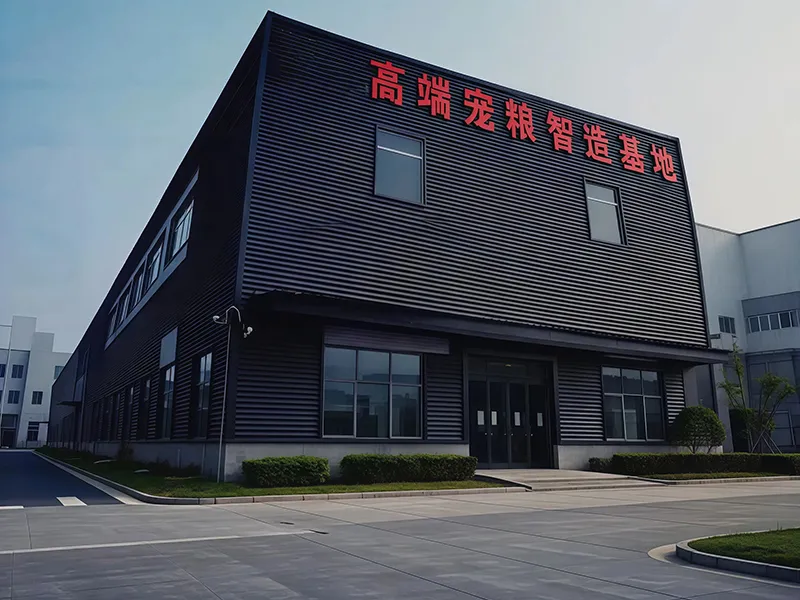
Nuzoko stands out as an experienced OEM/ODM manufacturer. You benefit from their 26,000-square-meter integrated facility, which covers research, development, production, and logistics. Their global partnerships help you reach markets worldwide.
Note: An integrated facility like nuzoko gives you better quality control, pricing flexibility, and supply chain management.
Role of Co-Packers
Co-packers play a big part in private label pet food manufacturing. They help you with packaging, production, and even market research. You get flexible packaging options, efficient production, and help with rules and regulations.
Role of Co-Packers in Private Label Pet Food Manufacturing | Description |
|---|---|
Flexible Packaging Solutions | Co-packers provide adaptable packaging options that cater to various product needs. |
Production Efficiency Management | They optimize production processes to enhance output and reduce costs. |
Compliance Assurance | Co-packers ensure that all operational requirements and regulations are met. |
Project Planning and Equipment Selection | They assist brands in selecting the right equipment and planning projects effectively. |
Understanding Market Needs | Co-packers have insights into the specific demands of the pet food market, which aids in product development. |
You can trust co-packers to help you plan your project and choose the right equipment. They know what pet owners want and help you create products that fit the market.
Customization and Market Demands
Private label manufacturing lets you customize products to match what pet owners want. You can ask for freeze-dried treats, functional chews, or allergy-friendly biscuits. Manufacturers use advanced technology and automation to make these changes quickly.
Evidence Type | Description |
|---|---|
Technological Innovation | Manufacturers invest in automation and advanced formulation techniques to create differentiated products. |
Automation Technologies | The use of robotic filling lines and AI-driven quality control enhances manufacturing efficiency. |
Adaptive Systems | These systems enable quick modifications in formulations and packaging in response to market changes. |
You can target special diets, new flavors, or unique packaging. Nuzoko helps you stand out with unique product lines and fast responses to trends. This approach gives you more choices and helps retailers keep up with what pet owners want.
Private Label Catfood Dogfood Options
Product Types and Formats
You have many choices when you look at private label catfood dogfood. Companies like nuzoko offer a wide range of products for both cats and dogs. You can find freeze-dried meals, high-protein recipes, and even single-ingredient treats. These options help you meet your pet’s unique needs.
Here is a table showing common types of private label catfood dogfood you might see:
Product Type | Description |
|---|---|
Freeze-dried products | Safe, convenient, and nutritious options |
Single ingredient treats | Beef, Chicken, Salmon |
Limited ingredient treats and toppers | Specialized for dietary needs |
Complete and balanced diets | Beef, Chicken for adult pets |
100% Meat Varieties | For supplemental feeding |
Complete Super-Premium Dinners | High-quality meals for pets |
Exotic Meats | Unique protein sources for pet diets |
Extruded kibble | Variety of formulations for dogs and cats |
You can also find raw, freeze-dried, and high-protein options. These formats are popular because they keep nutrients fresh and support special diets. Many pet owners now choose novel proteins, insect-based diets, and plant-based meals. These trends show that you want more choices for your pets.
Tip: Freeze-dried and high-protein private label products are especially popular in North America, Europe, and Asia Pacific.
Who Produces Them
Many companies produce private label catfood dogfood. Nuzoko stands out as a trusted partner with over 20 years of experience. You benefit from their integrated facility, which handles everything from research to global shipping. Nuzoko creates premium cat and dog food, treats, and functional formulas for brands around the world.
Other leading producers include:
Company Name | Description | Specialization |
|---|---|---|
PLB International | Manufacturer of premium cat and dog food with a commitment to quality. | Private label manufacturer |
OmniPet Canada | Canada’s largest private label pet food specialist with SQF Level 3 certification. | Private label dry pet foods |
Simmons Pet Food | Leading North American private-label manufacturer of wet pet food. | Private label and contract manufacturing |
You can trust these companies to deliver safe, high-quality products. Nuzoko works with pet stores, supermarkets, and online shops to bring you the best options for your pets.
Quality and Safety
Standards and Regulations
You want to know that your pet’s food is safe and nutritious. In the United States, the FDA and AAFCO set rules for pet food labeling and safety. These rules make sure you get accurate information and that the food meets quality standards. Pet food must be made in clean factories to prevent contamination. Only safe ingredients like meat, grains, vitamins, and minerals are allowed. Labels must list all ingredients, starting with the one used most. Packaging must protect food from moisture and germs.
Aspect | Description |
|---|---|
Manufacturing Conditions | Pet food must be processed under sanitary conditions to prevent contamination and hazards. |
Ingredients | Must not contain harmful additives; safe ingredients include meat, poultry, grains, vitamins, and minerals. |
Labeling | Ingredients must be transparently listed, starting with the highest quantity, as per the FD&C Act. |
Packaging | Paper bags must be coated in food-safe plastic or polymer to protect the food from moisture and contaminants. |
Europe has even stricter rules. Labels must show all ingredients and allergens. New ingredients go through long approval processes. You see more details about where ingredients come from and if they are non-GMO.
Transparency for Consumers
You deserve to know what goes into your pet’s food. Manufacturers now share more information to help you make smart choices. Labels show the product name, the type of pet it is for, and the manufacturer’s contact details. You see a full list of ingredients and a guaranteed analysis of nutrients. Safety warnings help you avoid allergens.
You get clear product identification.
You see who made the food and how to contact them.
You find a complete ingredient list.
You check the guaranteed analysis for protein, fat, and other nutrients.
You read safety warnings to protect your pet.
Many brands also tell you where ingredients come from. Some use mobile apps so you can trace the food’s origin. You may even see lab test results for each batch.
Nuzoko’s Quality Assurance
Nuzoko puts your pet’s safety first. The brand follows strict international standards and holds certifications that show its commitment to quality. Nuzoko’s integrated facility uses advanced technology to keep products safe and consistent. The company works with trusted suppliers and tests every batch for safety and nutrition.
Nuzoko believes in open communication. You get full ingredient lists, sourcing details, and clear labeling. The brand partners with global clients who demand high standards. You can trust nuzoko to deliver safe, high-quality pet food that meets your expectations.
Tip: Always check for clear labels and quality certifications when choosing private label pet food for your pet.
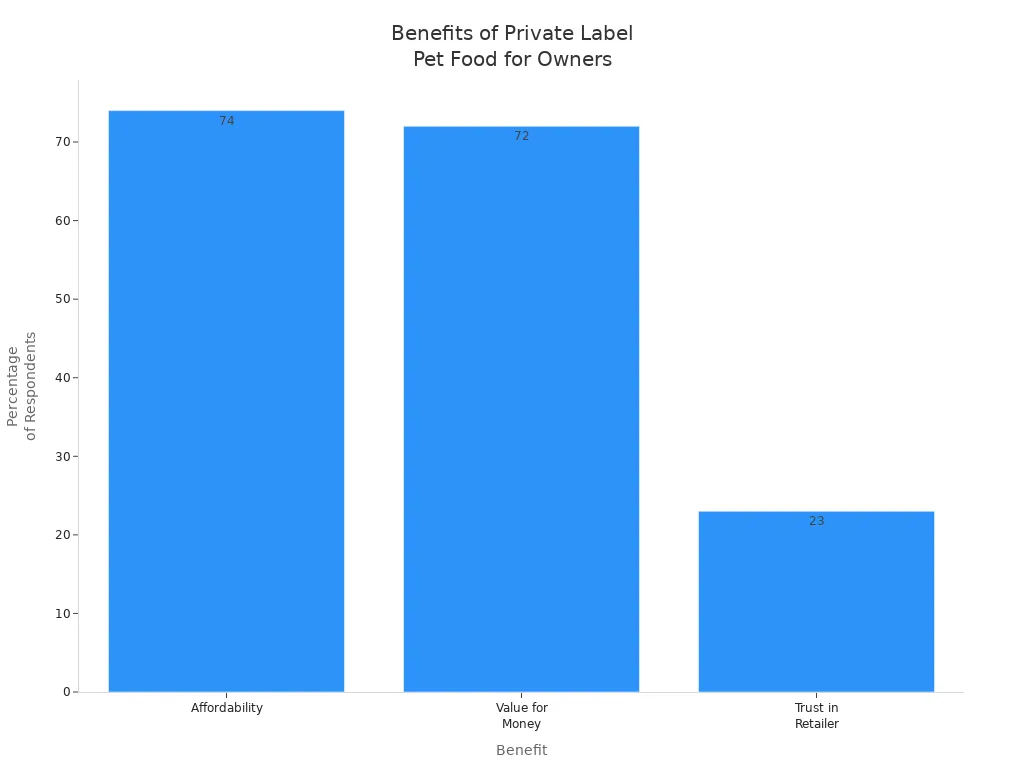
You have many reasons to choose private label pet food. Most pet owners value affordability, quality, and trust in their retailer. See the table below for the main benefits:
Benefit | Percentage | Description |
|---|---|---|
Affordability | 74% | Private label pet food helps you save money. |
Value for Money | 72% | You get good nutrition for a fair price. |
Trust in Retailer | 23% | Many pet parents trust their favorite stores for safe products. |
You can feel confident when you pick a reputable partner like nuzoko. Nuzoko’s certified facility and clear labels help you make smart choices for your pet’s health and happiness.
FAQ
What is the main benefit of private label pet food?
You get more choices and better prices. Retailers can offer unique recipes that fit your pet’s needs.
Tip: Private label options often match or exceed the quality of big-name brands.
How do I know if private label pet food is safe?
You should check for clear labels and certifications. Look for information about where the food is made.
Certified facilities like nuzoko follow strict safety rules.
Labels must list all ingredients.
Can I trust the nutrition in private label pet food?
Yes, you can. Many private label foods meet AAFCO or international standards.
Always read the guaranteed analysis on the package to see protein, fat, and other nutrients.
Who makes private label pet food?
Trusted manufacturers like nuzoko produce private label pet food for stores and brands worldwide.
These companies use advanced technology and strict quality checks.
You get safe, nutritious options for your pet.