The global functional pet food market offers huge financial rewards for clever brand leaders. Experts predict the market value will grow from $3.3 billion in 2026 to $6.33 billion by 2034. This fast growth means a steady annual increase of 8.5%. Modern pet owners treat their pets just like real human family members. This pet humanization trend speeds up the demand for science-backed functional PETFOOD formulas. Owners now focus on preventive care, targeting areas like digestion and joint movement. Companies that offer special health foods earn bigger profits and build long-term success. Smart investments in top-quality functional products will give top manufacturers a major advantage through 2034.
Key Takeaways
The global functional pet food market will be worth 6.33 billion dollars by 2034.
Pet owners see their pets as family members and happily purchase healthy, specialized foods.
Healthy pet foods are very profitable, bringing in margins between 35 percent and 50 percent.
Well-known pet foods use helpful bacteria and healthy fats to support digestion and joint care.
Freeze-dried foods and meal toppers give pets healthier ingredients and a tastier flavor.
Functional PETFOOD Market Outlook Through 2034
Global Valuation and Projected CAGR
The global functional PETFOOD market offers strong financial potential for smart companies through 2034. Industry experts project total market value will grow from $3.3 billion in 2026 to $6.33 billion by 2034. This fast increase reflects a steady annual growth rate of 8.5%. Brands earn larger profits because pet owners now prefer specialized nutrition over standard options.
Growth across North America, Europe, and Asia-Pacific fuels this steady financial rise. North American shoppers lead the market thanks to higher income levels and established pet care routines. European buyers want eco-friendly ingredients that offer clear health advantages. Meanwhile, city households in Asia-Pacific spend more on pet care as their income increases. Companies win bigger market shares when they adapt products to match these local needs.
Key Growth Drivers and Consumer Shifts
Multiple key factors speed up the global shift toward health-focused pet foods:
Pet humanization: Most owners view pets as real family members, which inspires them to spend more money on daily care.
Rising purchasing power: Higher income in growing countries helps families buy special health foods for their pets.
Health consciousness: Owners choose preventive foods that fight long-term health problems instead of buying cheap, simple options.
E-commerce convenience: Online stores give pet owners quick access to many different science-backed health products.
This ongoing humanization transforms how shoppers select daily meals. Consumer segments evaluate products based on health outcomes rather than baseline price points.
Consumer behavior shift | Functional ingredients in demand | Relevance to query |
|---|---|---|
Immunity support for senior and breed-sensitive pets | Probiotics, vitamin C, beta-glucans, antioxidants | Explains rising demand for probiotics and immune-boosting functional ingredients. |
Joint and mobility support for aging animals and large-breed dogs | Glucosamine, chondroitin, MSM, omega-3 fatty acids | Directly supports demand for glucosamine and omega-3 fatty acids. |
Digestive health focus for pets fed processed or carbohydrate-heavy diets | Prebiotics, probiotics, enzymes | Shows why probiotic-supplemented pet food is expanding. |
Cognitive and mood support for anxious or aging pets | DHA/omega-3, L-carnitine, ginseng, ashwagandha | Adds another omega-3-driven behavior shift beyond physical health. |
Shopper groups display distinct spending patterns based on how they view their animals:
Pet Owner Segment | View of Pet | Key Food Choice Priorities | Price Sensitivity | Willingness to Pay Premium |
|---|---|---|---|---|
Dog People | Human companions | Health, nutrition, quality, freshness, taste, dietary variety | Low | High |
Dog Parents | Family members (like children) | Health, nutrition, quality, freshness | Moderate | Moderate to High |
Dog Owners | Pets with basic needs | Price, store type | High | Low |
Caring pet owners consistently favor daily health benefits over cheap prices. They manage joint movement, belly digestion, and skin health using targeted food choices. This changing behavior helps top food companies keep loyal customers for a long time. Brands that create scientifically tested PETFOOD products will earn strong customer trust through 2034.
Primary Health Categories Driving Brand Growth

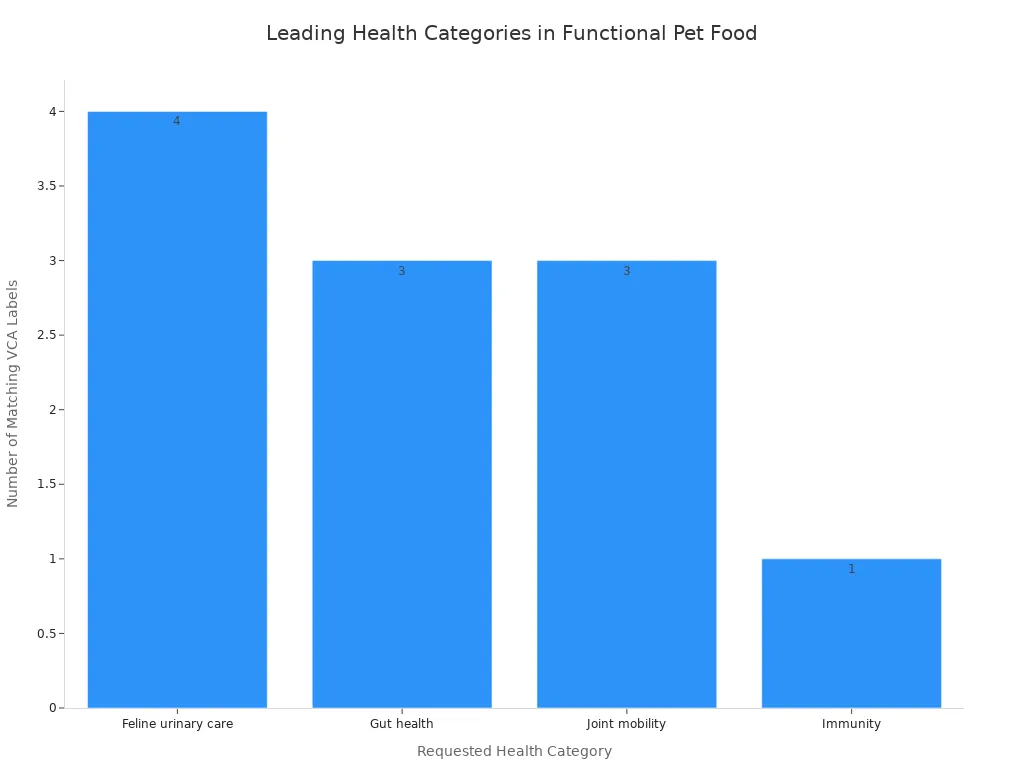
Preventive daily care changes how companies make functional pet food. Owners look for specific foods to help with belly digestion, immune strength, moving joints, and cat urinary health.
Microbiome and Gut Health Innovations
Getting older changes gut microbes and weakens intestinal walls in pets. This natural shift hurts daily digestion and lowers disease resistance. Special PETFOOD recipes add prebiotics like fructooligosaccharides and mannanoligosaccharides to feed helpful gut bacteria. Good bacteria like Enterococcus faecium SF68 boost immune defense in young dogs. Healthy strains like Lactobacillus rhamnosus protect the gut lining and speed up healing during bad stomach troubles.
Targeted health recipes bring higher profits for growing pet food companies. Special health diets earn big profit margins between 35% and 50%. Regular dry kibble earns lower margins of 10% to 20%, while wet food makes 15% to 25%. Health-boosting ingredients help items stand out on crowded store shelves. Owners value clear health gains and reliably rebuy special functional meals instead of basic food options.
Targeted Feline and Canine Nutrition
Cat health products require special ingredient mixes for specific illnesses. Vet health diets treat long-term kidney problems through careful nutrition tweaks. Makers lower food phosphorus to slow down kidney damage over time. Companies gently reduce protein to ease body waste buildup without losing healthy muscle. Wet canned foods encourage pets to drink more needed water. Lower salt levels balance internal fluids, while extra omega-3 fats and potassium help kidney health.
Dog food focuses heavily on easy movement and protecting joint cartilage. Special recipes mix glucosamine, chondroitin, and omega-3 fatty acids to fight joint wear and walking problems. Targeted health foods show real physical improvements for older pets. High-quality ingredients give brands steady repeat sales from happy customers. Owners stick with daily preventive feeding plans for many years. Online recurring shipments help keep loyal shoppers buying these special food lines.
Product Formats and Functional Enhancements
Rise of Meal Toppers and Functional Mixers
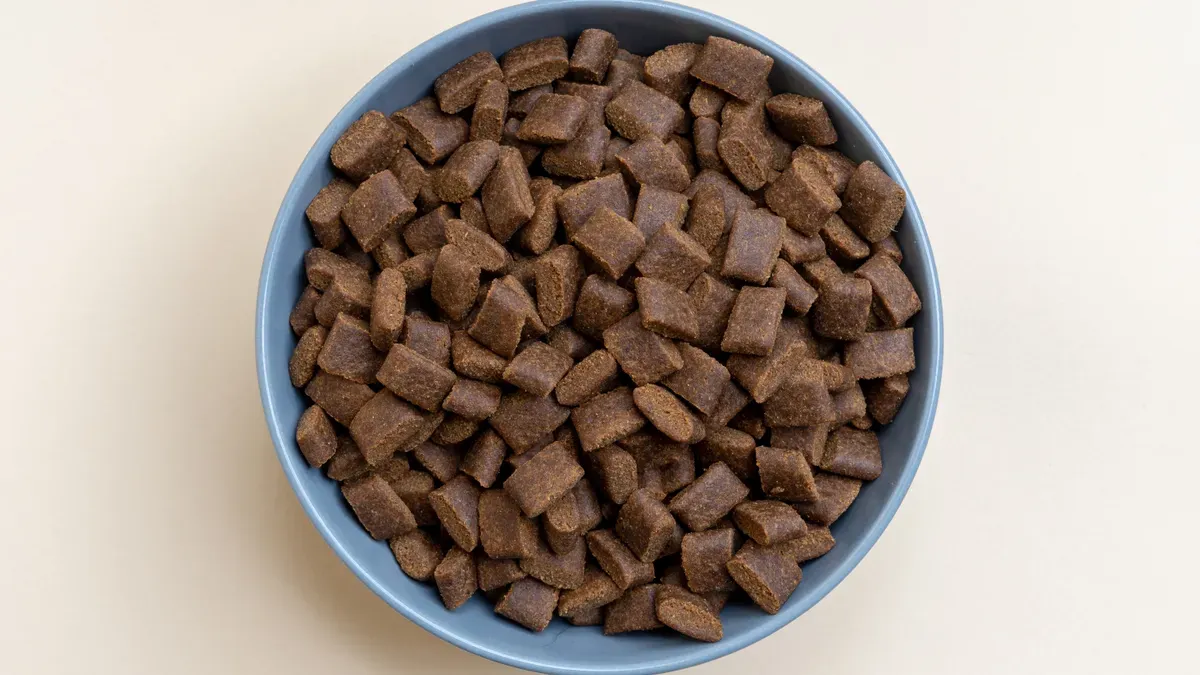
Pet owners increasingly enhance daily feeding routines using functional meal toppers and mixers. These popular products add rich moisture, active nutrients, and direct hydration to simple kibble diets without high costs. Dog food toppers volume grew 129% since 2018, while cat food topper equivalents expanded 138%. Young consumers reliance on digital platforms drives this rapid product shift. In 2024, 19% of cat owners and 16% of dog owners purchased meal toppers for daily feedings.
Pet Food Segment | Volume Growth Since 2018 | 2024 Consumer Usage |
|---|---|---|
Dog Food Mixers and Toppers | +129% | 16% of dog owners |
Cat Food Mixers and Toppers | +138% | 19% of cat owners |
Functional mixers supply focused health remedies directly to daily animal diets. Makers pack these special recipes with good gut bacteria, healthy fats, and protective vitamins. Caring owners mix in these healthy treats to fix stiff joints, calm upset bellies, and make fur shine. These special liquids, powders, and gravies also make meals taste much better for picky pets. Food brands build strong customer trust because owners see quick physical improvements in their animals.
High-Protein and Freeze-Dried Formulations
High-protein and low-starch diets drive new product choices across world markets. Shoppers check pet food labels carefully and demand clean recipes made with real meat as the main ingredient. Food makers swap out cheap fillers for sweet potatoes, brown rice, blueberries, and healthy seeds. Companies pick unique meats like duck, rabbit, lamb, and venison to stop painful food allergies. Protein-packed dog foods grow quickly because owners want strong muscles, easy movement, and healthy immune systems.
high-protein functional demand = novel proteins + low-starch carbs + targeted active supplements
Freeze-dried meals keep delicate nutrients safe far better than hot kibble baking. Extreme heat during factory cooking destroys delicate enzymes, vital vitamins, and good proteins in basic dry foods. By contrast, freeze-drying locks in natural flavor, raw texture, and key daily nutrients. Global freeze-dried PETFOOD earnings will jump from $8.91 billion in 2026 to $18.42 billion by 2034, growing 9.5% each year. Food companies mix healthy prebiotics into freeze-dried foods so pets absorb useful nutrients much faster.
Strategic OEM Manufacturing with Nuzoko
Science-Driven Custom Formulations
Nuzoko works as the export brand for Yantai Purepet Foods Limited. The business offers over 20 years of real industry skill to buyers worldwide. Its expert research team creates advanced health foods for dogs and cats. The lead scientist works as a visiting professor at KU Leuven. Smart factory partners help pet companies launch profitable health items fast.
Custom food services let companies change recipes for local shoppers. Business partners pick special active ingredients to treat specific animal health problems. The firm makes targeted foods for gut health, joint movement, and urinary care. Companies easily alter food mixes for different age groups or strict ingredient needs.
Capability Area | Evidence from Source |
|---|---|
Manufacturing Control | Operates its own independent manufacturing facility with full process control for consistent quality and reliable delivery. |
R&D Expertise | In-house R&D team with 20+ years of hands-on experience; Chief Scientist is a visiting professor at KU Leuven with two decades of practical experience. |
Custom Formulation | High formulation flexibility for life-stage nutrition, functional positioning, ingredient preferences, and regional market requirements. |
Product Formats | Baked and extruded dry food, stuffed/filled kibble, wet food, and functional treats and snacks. |
Compliance & Export | OEM/ODM processes designed to meet international quality and regulatory expectations, reducing market-entry risks. |
Scalable Supply Chains and Quality Standards
Nuzoko runs a large 26,000-square-meter combined factory. This plant manages raw ingredients, recipe testing, food making, and global delivery under one roof. Single-location production simplifies tricky global shipping for growing pet brands. Direct plant control cuts managing costs and speeds up shipping times.
Rigid safety rules protect food quality throughout the whole making process. The main plant meets international safety and legal requirements. Custom making options lower business risks for global pet companies. Smooth supply chains help functional PETFOOD brands grow production without losing product quality. Reliable factory output ensures lasting sales growth across many different store channels.
Regional Dynamics and Strategic Takeaways
Geographic Market Distribution Analysis
Local government rules shape how health-focused pet food companies enter global markets. Official agencies in North America and Europe enforce clear safety and label laws. Companies must adjust food recipes to meet local laws and satisfy pet owner demands.
Region | Regulatory body / instrument | Key requirement for pet food (including functional pet food) |
|---|---|---|
North America | FDA, FD&C Act, state authorities, AAFCO model regulations | Ingredients must be safe/GRAS; labels must include brand, species, quantity, guaranteed analysis, ingredient list, nutritional adequacy statement, feeding directions, and manufacturer contact; marketing/health claims must be truthful and substantiated. |
Europe | EU feed additive controls, Directive 2002/32/EC | Feed additives and ingredients must meet maximum allowable levels for heavy metals/toxins; detoxification processes are enforceable; pet food must comply with established EU safety standards. |
North American leaders are currently updating product labels for shoppers. AAFCO created the Pet Food Label Modernization project to design a simple “Pet Nutrition Facts” box. This box uses clear lines on plain backgrounds to look just like human food labels. European officials strictly enforce the Novel Food Regulation and Animal By-Products Directive. These rules control functional additives, safety standards, and green labeling practices across European markets.
Actionable Insights for Brand Expansion
Smart factory partnerships help pet food brands enter the functional market very quickly. Building new factories requires large amounts of money and creates serious financial risks. Supply partners manage ingredient lists, special food coatings, and nutritional guidelines. Factory experts handle tricky cooking steps while brand owners focus on sales and marketing.
Successful business growth depends on smart supplier choices and exact recipe plans:
Pick primary ingredients including real meat options and grain-free recipe choices.
Choose specific health goals like moving joints, skin care, or belly digestion.
Pick a factory partner with certified food safety approvals like SQF programs.
Run tiny test batches to check custom health recipes before making larger amounts.
Partner factories offer steady supply lines, low minimum order amounts, and careful product testing. Expert teams like Nuzoko offer custom factory services that lower legal risks and speed up global sales.
Creative healthy pet foods build strong customer trust and keep buyers coming back through 2034. Surveys show that seven out of ten pet parents happily pay more for meals with real health benefits. Companies that deliver proven physical results create strong, lasting value for their buyers. These dependable health gains protect brands from losing profits during tough price wars.
Picking smart factory partners helps new items secure prime shelf space in busy stores. Real scientific studies back up food claims while lowering tricky legal risks. Special vet-recommended diets earn high 35% to 50% profit margins thanks to solid medical proof. Quick updates to match changing shopping trends help businesses capture dynamic sales shares. Modern pet companies easily turn new wellness choices into long-term market success.
FAQ
What is the projected market size for functional pet food by 2034?
Experts predict the global functional pet food market will hit $6.33 billion by 2034. This growth shows a steady annual increase of 8.5% starting from 2026. Higher shopper demand for daily preventive health care fuels this strong financial rise.
Why do functional pet food products yield higher profit margins for brands?
Pet owners actively search for daily health perks like easy digestion and joint support. Special health recipes earn high profit margins between 35% and 50%. These focused health foods create stronger customer loyalty and better repeat sales than basic kibble.
How does Nuzoko support global pet food brands with OEM manufacturing?
Nuzoko runs an approved 26,000-square-meter plant offering science-backed factory services. The business makes custom food recipes, flexible product styles, and high-protein choices. Nuzoko simplifies global shipping networks while meeting strict international safety and export standards.
What are the main health categories driving growth in functional pet food?
Gut health and targeted joint care stay major growth drivers in the health market. Food mixes with prebiotics, probiotics, glucosamine, and omega-3 fatty acids expand quickly. Special cat urinary care and high-protein, low-starch diets also attract huge buyer interest worldwide.