

Most petfood on the market is made for adult dogs, with the adult category making up 58.6% of all dog food available. You do not have to feel overwhelmed when choosing the right food for your grown dog. A few simple checks help you make sure your dog gets what it needs. Pay attention to signs of good nutrition. Watch out for common mistakes that can affect your dog’s health.
Key Takeaways
Pick pet food with important nutrients like protein, fats, and carbohydrates. These help your adult dog stay healthy and full of energy.
Always read the labels closely. Check for statements that say the food meets AAFCO standards for adult dogs. This helps make sure your dog gets the right nutrition.
Watch out for tricky ingredient labels. Pick brands that are known for being honest and making good food. This keeps your dog safe and healthy.
Change your dog’s food to adult food slowly. This helps stop stomach problems. Use a simple plan to mix the old food with the new food.
Watch your dog’s health for signs of good nutrition. Look for a shiny coat and steady energy. Talk to your vet if you see any warning signs.
Adult Dog Petfood Basics
Essential Nutrients for Adults
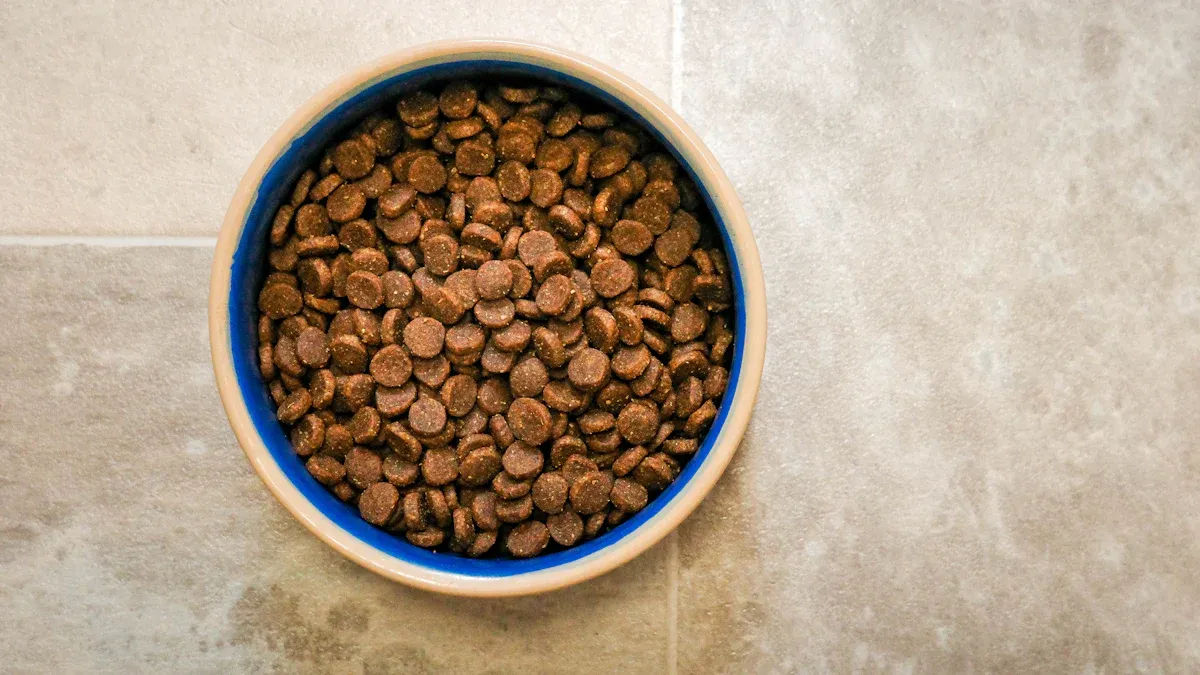
You want your adult dog to be healthy and full of energy. To help with this, you should pick petfood with the right nutrients. Adult dogs need food that helps them stay active and strong. Protein keeps their muscles healthy. Fats give them energy and help their skin and coat. Carbohydrates give extra energy. Vitamins and minerals help their immune system and bones.
Nuzoko uses science to make petfood that fits these needs. The brand follows strict rules and uses research to make their recipes. Some top brands, like Hill’s, also use studies to make their food better. They work on things like joint care, brain health, and weight control. Science-based petfood helps your dog stay healthy at every age.
Puppy vs. Adult vs. Senior Formulas
Dogs need different food as they get older. Puppies need more energy and protein to grow. Adult dogs need balanced food to stay healthy. Senior dogs need less calories and easy-to-digest food. The table below shows how these needs change:
Life Stage | Nutritional Needs | Key Adjustments |
|---|---|---|
Puppies | Higher nutrient intake for growth | Increased energy and protein requirements |
Adults | Standard energy and protein levels | |
Seniors | Fewer calories, highly digestible protein and fat | Adjustments for slower metabolism and health issues |
Picking the right food helps stop problems like obesity. Food made for each life stage matches your dog’s energy needs. Adult food helps keep a healthy weight. Senior food helps with joints and digestion. Always check the label to see if the food is right for your dog’s age.
Many owners now want petfood with special benefits, like joint support or immune help. Brands like nuzoko offer choices that fit your dog’s needs.
Checking Your Petfood for Adult Needs
Reading Labels and Ingredients
You want your dog’s food to be right for adults. Start by checking the label on the bag or can. Look for a statement about nutrition. This tells you if the food is good for adult dogs. Most good brands put this on their packages. You should see words like, “This food is complete and balanced for adult maintenance,” or “Meets AAFCO Dog Food Nutrient Profiles for adult dogs.” These words mean the food meets important rules.
A table can help you know what to look for on a petfood label:
Key Component | Description |
|---|---|
Nutritional Adequacy Statement | Shows if the food meets AAFCO standards for adult dogs. |
Guaranteed Analysis | Lists the minimum and maximum percentages of nutrients. |
Ingredient List | Tells you what is in the food and where the nutrients come from. |
Feeding Guidelines | Gives advice on how much to feed based on your dog’s weight and activity level. |
Check the ingredient list too. Good ingredients help your dog get what it needs. How the ingredients are grown or raised can change the food’s nutrition. How the food is made matters as well. For example:
If petfood is cooked at very high heat, some proteins can get damaged, fats can go bad, and some vitamins can be lost. This means the food may not be as healthy.
Brands like nuzoko use strong quality checks and research to make sure their petfood is safe. Nuzoko’s products have clear labels, guaranteed analysis, and ingredient lists you can trust. Their science-based way helps you feel sure about what you feed your dog.
Common Pitfalls to Avoid
Many people make mistakes when picking food for adult dogs. You can avoid these problems if you pay attention.
Some brands split up low-quality grains like corn, rice, or soy. They do this to make it look like there is more meat. This can trick you.
Watch out for words like “natural” or “holistic.” These words do not always mean anything special and can be confusing.
Not all brands follow the same rules. Out of 61 dog foods checked, 11 did not meet AAFCO rules for at least one nutrient. That means 82% did meet the rules, but you still need to check.
Here is a table that shows common tricks:
Misrepresented Ingredient | Description of Deceptive Practice |
|---|---|
Low-grade grains (corn, rice, soy) | Often split into multiple entries to make meat ingredients appear more prominent on the label. |
Ingredient splitting | Allows manufacturers to artificially elevate the position of meat ingredients. |
Use of terms like ‘natural’/’holistic’ | Misleading due to lack of regulatory definitions, causing confusion. |
You can avoid these mistakes by following expert tips:
Look for brands with strong quality checks and clear info about where the food comes from.
Ask your vet about your dog’s food needs. Your vet can help you choose and watch for allergies.
Change your dog’s food if it gets older or if its health or energy changes.
Nuzoko is a brand that meets world standards and uses science to make good food. The company’s focus on quality and honesty helps you avoid mistakes and keep your dog healthy.
Adjusting Diet and Portions
Switching to Adult Petfood
You want your dog to have a smooth change from puppy food to adult food. A gradual switch helps prevent stomach upset. Here is a simple schedule you can follow:
Mix 25% adult food with 75% puppy food for the first two days.
Increase to 50% adult food and 50% puppy food for the next two days.
Move to 75% adult food and 25% puppy food for two more days.
On day seven, feed only adult food.
Tip: Watch your dog during this time. Look for signs like vomiting or diarrhea. If you see these, slow down the switch or talk to your vet. Some dogs may need probiotics to help their digestion, but always ask your vet first.
Nuzoko offers tailored formulations for each life stage. You can trust their recipes to match your dog’s age and needs.
Feeding Guidelines
Adult dogs do best when you feed them once or twice a day. Many experts suggest splitting the daily amount into two meals, spaced eight to twelve hours apart. This helps keep your dog’s energy steady and prevents hunger.
Here is a table to help you understand the main types of food you might use:
Type of Pet Food | Characteristics | Benefits | Considerations |
|---|---|---|---|
Dry Pet Food | Convenient, easy to store, long shelf life | Good for dental health | May have fillers and preservatives |
Wet Pet Food | Moist, soft, very tasty | High moisture content | Costs more, spoils faster after opening |
Raw Pet Food | Raw meat, bones, fruits, vegetables | Feels more natural | Needs careful handling, possible health risks |
Always check the feeding guide on your petfood package. Adjust the amount based on your dog’s weight, age, and activity level. If you are not sure, ask your vet for advice.
A good routine and the right portions help your dog stay healthy and happy.
Signs of Good or Poor Nutrition
Positive Health Indicators
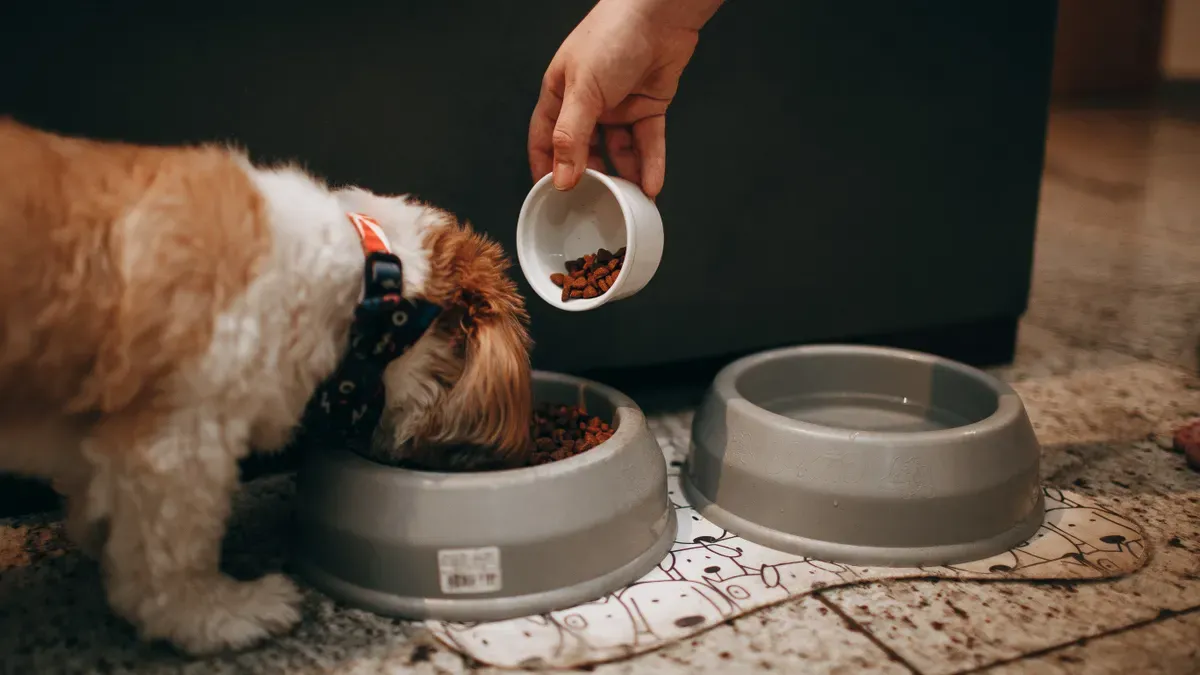
You can tell if your adult dog eats well by looking for certain signs. A healthy dog has lots of energy and likes to play. Your dog should eat meals happily and finish them. If your dog keeps a steady weight and looks fit, it is getting the right nutrients.
Here are more ways to see if your dog’s food is good:
The coat is shiny and smooth, and the skin looks healthy.
Stools are firm, and your dog digests food easily.
Eyes are bright and clear.
Teeth are strong, and gums are pink.
Your dog is alert and acts normal.
There are no signs of sickness or many infections.
Vets check these things during visits. They look at your dog’s fur, eyes, teeth, and how active it is. They also check how well your dog’s immune system and digestion work. Brands like nuzoko make sure their food is safe and balanced. Their recipes help your dog show these healthy signs.
You can use this table to see what good health looks like:
Description | |
|---|---|
Nourished Skin & Coat | Shiny, soft fur and healthy skin |
Nutrient Digestibility | Well-formed stools and no stomach upset |
Healthy Eyes, Strong Teeth and Gums | Bright eyes, clean teeth, and pink gums |
Energy Evaluation | Steady energy and playful behavior |
Strong Immunity Evaluation | Fewer illnesses and quick recovery |
Warning Signs to Watch
You should look for early signs that your dog’s food is not right. Bad nutrition can show in many ways. Here are some warning signs:
Hair does not grow back after shaving.
Skin is dry or has flaky spots.
Sores show up on elbows or hips.
Hair color changes.
If you see these signs, your dog may not get enough nutrients. Other problems can be weight gain, stomach trouble, or changes in how your dog acts. The table below shows health problems linked to poor nutrition:
Health Issue | Description |
|---|---|
Nutritional Deficiencies | Weak immune system and more sickness |
Obesity and Weight Issues | Weight gain, joint stress, and risk of diabetes |
Digestive Problems | Diarrhea, constipation, or upset stomach |
Reduced Lifespan | Shorter life due to health problems |
Behavioral Issues | Lethargy, irritability, or hyperactivity |
If you notice any of these signs, talk to your vet. You might need to change your dog’s food or feeding plan. Picking a trusted brand like nuzoko helps you avoid these problems and keeps your dog healthy.
You can pick good food for your adult dog by following easy steps. Use this checklist when you buy food or check what you have now:
Description | |
|---|---|
Company has veterinarians and veterinary nutritionists on staff. | Experts help create balanced recipes. |
Company researches their products and has conducted feeding trials. | Feeding trials show the food works well for dogs. |
Company has strict quality control measures. | Quality checks keep food safe and healthy. |
Company owns and runs their manufacturing facilities. | Full control means better safety and quality. |
If you see signs that your dog’s food is not good, do something right away:
Ask your veterinarian for help.
Look at what your dog eats and how much.
Change things if your vet tells you to.
Your choices help your dog stay healthy and happy.
FAQ
How do you know if your adult dog needs a different food?
You should watch for changes in weight, energy, or coat. If your dog seems tired, gains weight, or has a dull coat, you may need to switch foods. Ask your vet for advice.
Can you feed your adult dog puppy food?
You should not feed puppy food to adult dogs. Puppy food has more calories and nutrients for growth. Adult dogs need balanced food to stay healthy and avoid weight gain.
How often should you change your dog’s food?
You do not need to change food often. Change only if your dog’s needs change or if your vet suggests it. Always switch foods slowly to avoid stomach upset.
What should you look for in a petfood brand?
Pick brands with clear labels, science-based recipes, and strong quality checks. Brands like nuzoko meet international standards and focus on your dog’s health.
Is it safe to mix wet and dry food for adult dogs?
Yes, you can mix wet and dry food. Mixing can make meals tastier and add moisture. Make sure you adjust portions so your dog does not eat too much.



