You want your pet to be safe. Make sure dry dog food is fresh. Many pet owners worry about petfood recalls. More than half will not buy a brand again after a recall. You can check if petfood is fresh with your senses. Use a simple routine to help. Government rules help keep petfood safe.
Mechanism | Description |
|---|---|
The FDA reviews ingredients. AAFCO defines what they are. | |
Inspections | The FDA and state partners inspect manufacturers for safety. |
Compliance with Standards | AAFCO’s Model Feed Safety Program gives best practices. It helps with quality assurance. |
Trust your senses every day. Look for signs to keep your pet safe.
Key Takeaways
Check the appearance of dry dog food. Look for even color and shape. Discard food with white spots, yellow patches, or any visible mold.
Use your sense of smell. Fresh food has a mild scent. If it smells sour or rancid, do not feed it to your dog.
Always check the expiration date. Do not use food past this date, even if it looks and smells fine.
Store dog food properly. Keep it in its original bag inside an airtight container in a cool, dry place to maintain freshness.
Make daily checks a habit. Inspect the food’s color, smell, and texture to ensure your dog eats safe and healthy food.
Check Dry Dog Food Freshness
Visual Signs
You can spot problems with dry dog food by looking closely. Start by pouring a small amount into a clean bowl. Good food should look even in color and shape. If you see white or translucent spots, this may be fat bloom. Fat bloom does not always mean the food is unsafe, but it can show changes in storage. Yellow or brown patches can signal spoilage or oxidation. These changes often mean the food is no longer safe for your pet.
Here is a table to help you compare what you see:
Characteristic | Fat Bloom | Spoilage/Oxidation |
|---|---|---|
Color | White or translucent | Yellow or brown |
Smell | Neutral or mild | Sour, rancid, or off |
Texture | Waxy, oily | Sticky, degraded |
If you notice bugs, webbing, or mold, you should not feed this food to your dog. Always check the bag for holes or tears. Damaged packaging can let in air and moisture, which can spoil the food.
Tip: Always store dog food in a cool, dry place. Use airtight containers to keep out pests and moisture.
Smell Test
Your nose can help you decide if dry dog food is still good. Fresh food has a mild, neutral smell. If you notice a sour, rancid, or strange odor, the food may have gone bad. Dogs have sensitive noses, so if you find the smell unpleasant, your dog might refuse to eat it. Always smell the food before serving it. This quick step can protect your pet from eating spoiled food.
Expiration Date
Every bag of dry dog food has an expiration date printed on it. You should always check this date before feeding your pet. The expiration date tells you how long the food will stay safe and nutritious. Even if the food looks and smells fine, you should not use it past this date. Manufacturers test their products to make sure they stay fresh until the expiration date. After this date, the food may lose nutrients or become unsafe.
Note: When you store dog food properly, you help it last until the expiration date. Keep the original packaging inside a sealed container for best results.
Dry Dog Food Spoilage Signs
Odor Changes
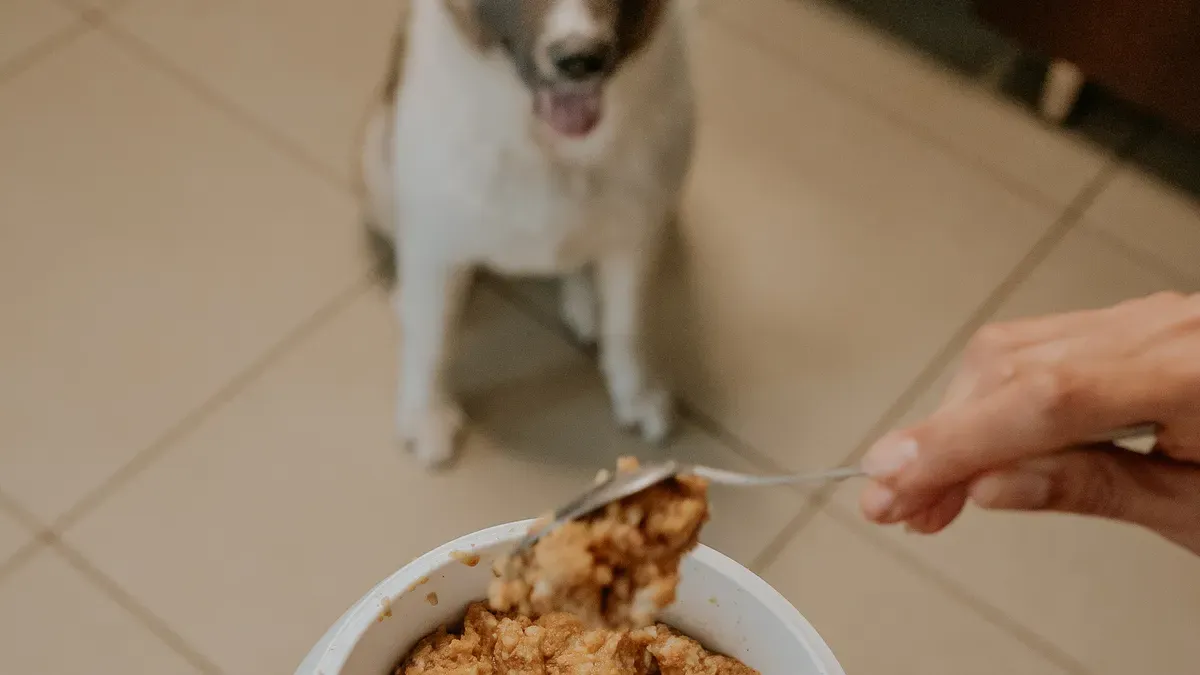
You can often spot spoiled food by using your nose. When you open a bag of dry dog food, take a moment to smell it. Fresh food has a mild scent. If you notice a sour, rancid, or moldy odor, this is a warning sign.
“Usually the first indication you have a problem is the smell.”
A strong or strange smell can mean the food has started to spoil. Harmful bacteria or mold often cause these changes. If you detect an off odor, do not feed the food to your dog.
“The color and smell test are the most available tools for a pet parent to check for rancidity, or a form of spoilage that causes unpleasant smells and flavors due to a chemical change in the food.”
Mold or Bugs
You should always look for visible signs of spoilage. Mold can appear as blue, green, or white spots on the kibble. Bugs or webbing inside the bag also signal contamination. These signs mean the food is unsafe for your pet.
Here are the most common spoilage signs veterinarians report:
Visual signs of mold or mildew, including blue, green, or white material growing on the food
Discoloration, such as dark spots
Warped or damaged food containers
If you see any of these, discard the food right away.
Texture Issues
Texture changes can also help you spot spoiled food. Fresh kibble feels dry and firm. Spoiled food may feel damp, sticky, or crumbly. Sometimes, pieces become hard or break apart easily.
Change in color, indicating the kibble looks different from when purchased
Alteration in texture, showing dampness or crumbling
If the texture seems off, trust your senses. Do not risk your dog’s health by feeding questionable food.
Storage & Shelf Life
Proper Storage Tips
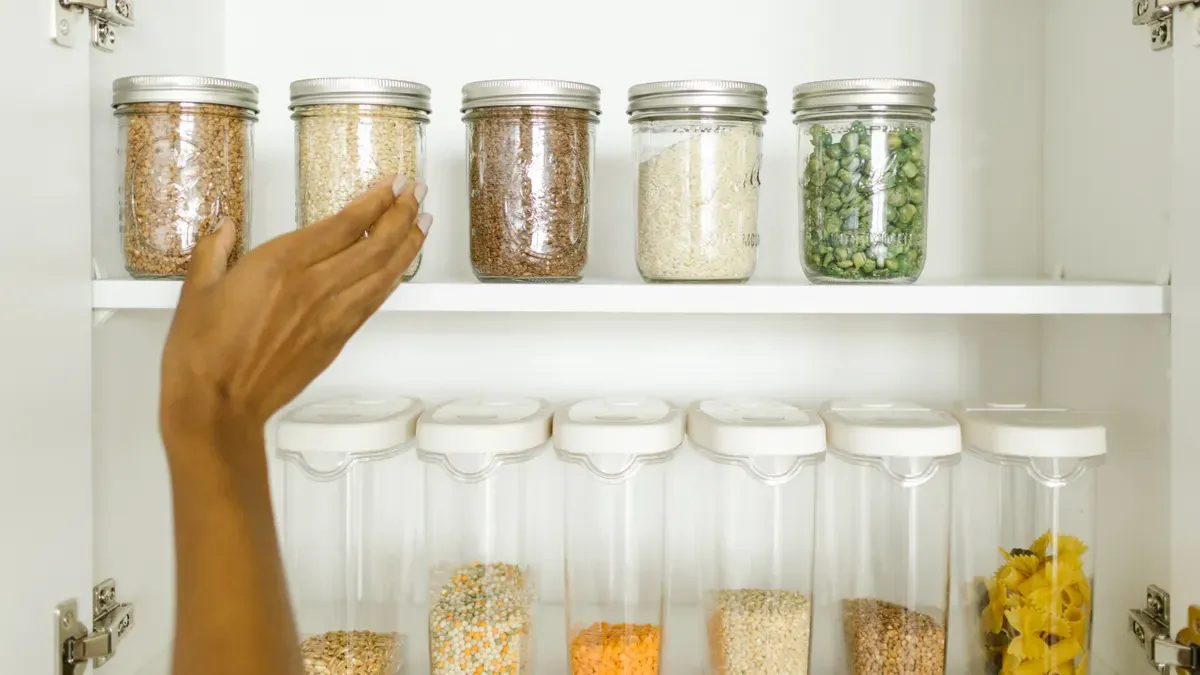
You can keep your dog’s food safe by storing it the right way. Leave the kibble in its original bag. These bags help keep nutrients in and pests out. Put the bag inside a clean, airtight container for more safety. Store this container in a cool, dry, and dark spot. Do not put it in sunlight. Keep the temperature under 80˚F. Heat and humidity can ruin nutrients and cause mold. Change out old food every few months so your dog gets fresh food.
Tip: Airtight containers stop air and moisture from getting in. This keeps the food from spoiling and losing nutrients.
Shelf Life After Opening
Check the expiration date before you open a new bag. The shelf-life changes once you open it. Most dry dog food stays good for four to six weeks if you store it right. Unopened bags can last 12 to 18 months. Always close the bag tightly after using it. If you see changes in smell, color, or texture, do not feed it to your pet.
Keep food in the original bag inside an airtight container.
Store it in a cool, dry place away from sunlight.
Use the food within four to six weeks for best results.
Nuzoko Petfood Quality
Nuzoko uses science and strict checks to make sure every batch is safe. You can trust Nuzoko’s nutrition because they follow world rules for storage and handling. Their modern facility uses special packaging to keep food fresh and last longer. Nuzoko cares about quality, so your pet gets safe and healthy food every time.
For more about Nuzoko’s promise, visit nuzoko.com.
Feeding Checklist
Daily Checks
You want to make sure your dog eats safe and healthy food every day. A quick daily routine helps you spot problems before they affect your pet. Follow these steps each time you feed your dog:
Look at the kibble. Check for any changes in color, shape, or texture. Fresh food should look even and dry.
Smell the food. Good dry dog food smells mild and pleasant. If you notice a sour or strange odor, do not serve it.
Check the ingredients. Look for Omega-3 fatty acids on the label. These support your dog’s skin and coat health. Avoid foods with empty fillers like corn, wheat, or soy. Choose foods with added fruits, vegetables, or supplements such as glucosamine and probiotics.
Inspect the bag and container. Make sure there are no holes, tears, or signs of pests.
Check the expiration date. Make sure the food is still within the safe period.
Tip: Make these checks part of your daily routine. It only takes a minute and keeps your pet safe.
When to Discard
You should throw away dry dog food if you notice any of these signs:
The food smells sour, rancid, or moldy.
You see mold, bugs, or webbing in the bag.
The kibble feels damp, sticky, or crumbly.
The food is past its expiration date.
Your dog refuses to eat the food or shows signs of stomach upset after eating.
⚠️ Alert: Never feed your dog food that looks or smells wrong. When in doubt, it is safer to discard the food and open a new bag.
A simple checklist helps you protect your dog’s health. Trust your senses and stay alert for changes. Safe food means a happy, healthy pet.
You protect your dog by checking dry dog food freshness every day. Look for changes in color, odor, and texture. Clean bowls and storage containers after each use. Store petfood in its original bag in a cool, dry place to keep shelf life long. Use airtight containers and follow storage instructions.
Regular checks and proper storage help prevent mold and bacteria. You reduce the risk of illness and keep shelf life strong.
Make these steps a daily habit. You support your dog’s health and keep dog food fresh. Veterinarians say quality matters at every stage. Attention to shelf life and food quality gives your pet the best chance for a happy life.
FAQ
How long does unopened dried dog food stay fresh?
You can keep unopened dried dog food fresh for 12 to 18 months. Store it in a cool, dry place. Always check the expiration date before feeding your dog.
Can unopened kibble spoil before the expiration date?
You may find unopened kibble spoils if stored in heat or humidity. Always keep it away from sunlight and moisture. Check for damage to the packaging.
What should you do if your dog refuses to eat dry food?
You should check the food for changes in smell, color, or texture. If you notice anything unusual, discard the food. Try offering a new bag to see if your dog eats.
Is it safe to mix old and new dry dog food?
You should avoid mixing old and new dry dog food. Old food may spoil and affect the freshness of the new batch. Serve only fresh food to your dog.
How can you keep dry dog food fresh after opening?
You can keep dry dog food fresh by storing it in its original bag inside an airtight container. Place the container in a cool, dry spot. Use the food within four to six weeks.