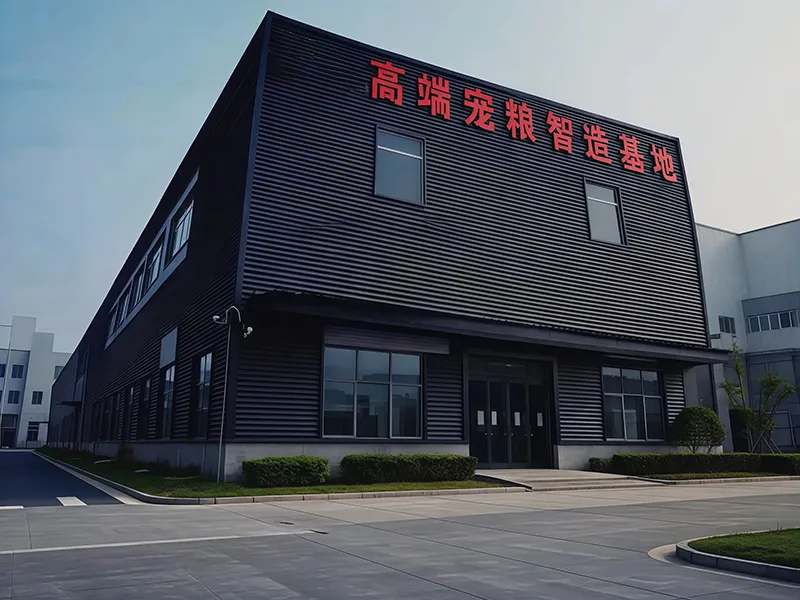
You must follow strict rules to export catfood to other countries. Every country has its own rules for ingredients, labels, and safety. You need clear papers and correct labels to stop delays. Nuzoko has more than 20 years of experience with these problems. The brand works hard to give quality and follow the rules. With good steps and strong partners, you can grow your business with confidence.
Key Takeaways
Learn the export rules for each country. Following local rules is very important to stop delays.
Get all needed export papers, like health certificates and ingredient lists. If you forget papers, your shipment may have problems.
Put clear and correct labels on your cat food. Good labels help customers trust you and stop rule issues.
Keep up with new rules. Check often for changes so your exports follow the law.
Use traceability systems to track your products. This helps safety, quality checks, and makes customers feel safe.
Compliance Requirements for Catfood
Regulatory Bodies Overview
You need to know the main groups that control catfood exports. Every country has its own rules for pet food safety and quality. Here are the main things you must do:
CFIA (Canada)
You have to give an official certificate if your product has meat. The certificate must show the product name and packaging type. It also needs the Safe Food for Canadians license holder’s details. You must list the manufacturer’s name and address. You also need the exporter’s legal information. If your catfood has poultry, you must add a note about heat treatment.FDA & APHIS (United States)
The FDA checks for banned residues in animal materials. APHIS looks after animal health and import permits. You must follow FDA rules for safe ingredients and labels. The USDA does not need ante-mortem inspection for pet food. You must not use restricted substances.UK Authorities
You must meet UK rules for pet food safety and labels. The UK wants clear ingredient lists and proof of nutrition. You must follow local rules for animal origin materials.Chinese Authorities
You must sign up with the GACC approved importers list. You need a third-party certificate to show your catfood meets Chinese rules. China checks for correct labels and safety papers.
Tip: Always check the newest rules from each country before you ship. Rules can change fast.
Functional Ingredient Rules
You must follow strict rules for functional ingredients in catfood. Every country has its own rules for what you can add and how to prove safety.
You must show you follow the importing country’s rules.
You need an export certificate signed by a CFIA vet for each shipment from Canada.
The FDA bans some residues in animal materials for pet food.
The USDA and FDA do not need ante-mortem inspection for pet food.
The Importer’s Statement of Compliance will not be needed for some pet food sent to the USA after January 21, 2025.
Rules on small ruminant material in pet food imports were removed in 2022.
You must check ingredient rules for each market. Some countries want proof that functional ingredients are safe and work well. You must not use banned substances and must follow local rules for ingredient names.
Nuzoko’s Compliance Strategy
Nuzoko uses a strong plan to meet global compliance rules. You get help from their experience and good systems.
Aspect | Description |
|---|---|
Nutritional Adequacy Statement | Nuzoko gives clear statements showing if the catfood is complete and balanced for long-term use. |
Ingredient Naming | Nuzoko uses AAFCO words for ingredient names to keep things clear and the same. |
Substantiation of Claims | Nuzoko uses science to back up functional claims, not just marketing. |
Nuzoko makes sure products meet AAFCO nutrient profiles or pass feeding trials for science reasons. |
Nuzoko works with clients around the world to meet each country’s rules. You get help with papers, labels, and ingredient rules. Nuzoko’s team checks for new rules and changes fast. You can trust Nuzoko to help you avoid mistakes and delays when exporting catfood.
Catfood Export Documents
When you send catfood to another country, you need special papers. These papers show your catfood follows the rules in each place. If you forget a paper, your shipment might be late or sent back.
Export Permits & Health Certificates
You must get the right permits and health certificates before you ship. These papers prove your catfood is safe and meets the country’s rules.
Check all the rules for the country you are sending to.
A trained person must write an exporter’s declaration.
Every shipment from Canada needs a certificate signed by a CFIA vet.
You might need lab test results and sanitary certificates for some ingredients.
Traceability Certificates are needed for raw materials from some places.
Keep extra papers like test reports for checks.
Tip: Save copies of your papers for two years. This helps if someone checks your records.
Here is a short list of the main papers you might need:
Document Type | Description |
|---|---|
Show your catfood meets health rules for export. | |
FDA Export Certificates | Prove your catfood follows U.S. laws if you ship to the United States. |
Compliance Documentation | Show your catfood follows the rules in the country you are sending to. |
Ingredient Declarations
You must tell what is in your catfood. This helps customs and health workers check for safety and quality.
Requirement | Description |
|---|---|
Exporter’s Declaration | Must be the real one and have a date. It covers shipments to the same place on the same day. |
Traceability Certificate | Needed for raw materials from some places. Signed by a vet or inspector. |
Includes test reports and sanitary certificates. Keep these for two years. | |
Audits | Some countries may check your papers. CFIA checks if you follow import rules. |
Certificates of Analysis
You must give Certificates of Analysis for every batch. These papers show lab test results for nutrients, water, and safety. They help prove your catfood is safe and good quality. Keep these papers ready for customs or if a customer asks.
Labeling Rules for Catfood
International Labeling Standards
You have to follow different labeling rules in each country. Good labels help you avoid problems and make customers trust you. The table below shows the main label rules for catfood in the EU, US, and China:
Region | Regulatory Body | Key Requirements |
|---|---|---|
EU | EU feed legislation (Regulation (EC) No 767/2009) | Follow FEDIAF guidelines and say if there are GMO ingredients. |
US | AAFCO | Meet AAFCO rules to sell your product. |
China | MARA and GACC | Check for bad things, list all ingredients, and do not hide ruminant material. |
Nuzoko checks every label to make sure it follows these rules. You get help for each country, so your products follow the law everywhere.
Functional Claims & Benefits
You must use simple and true claims on your labels. In the United States, the FDA controls pet food labels. You can only say health claims if you have proof from science. For example, you can say a product “reduces urine pH to help urinary tract health” if you have studies to show it.
In the European Union, you must use claims that are true and based on facts. You cannot say your catfood treats or stops diseases unless you have special approval. Here are some rules to remember:
The EU does not let you say your catfood treats or stops diseases unless it is medicated feed.
The US lets you say health claims if you have science to back it up.
Nuzoko uses research to support every claim. You get labels that are honest and follow the rules in each country.
Language & Translation
You must translate your labels for each country. In China and other places that do not use English, you need to follow local rules. Here is what you should do:
Translate all label information into the local language.
Make sure the label fits the culture and rules, not just the words.
For China:
Show where the product comes from.
List the distributor’s name and address.
Include net weight, ingredients, production date, and expiry date.
Use packaging that is safe and can be recycled.
Nuzoko checks translations and local rules carefully. You get labels that pass checks and help your products enter new countries easily.
Safety & Quality Assurance
Testing Protocols
You have to follow strict testing steps before you export functional catfood. Inspection and quarantine are very important for safety. Here are the main things you must do:
The UK Department for Environment, Food and Rural Affairs checks and holds pet food.
You must give a health certificate in Chinese or English for each shipment. You need one original and two copies.
Importing companies must get an Import Quarantine Permit for Animals and Plants.
Authorities check the health certificate and where the product comes from.
Chinese Customs checks and holds imported pet food. Only goods that follow the rules can enter China.
Goods that do not follow the rules may be sent back or destroyed.
Tip: Always check your papers and certificates before you ship. This helps you avoid problems and delays at customs.
Traceability Systems
Traceability systems help you track every step in the supply chain. These systems follow local laws and new research. Traceability helps you make better products, control quality, and keep food safe. When you use traceability, customers trust you more. You also make sure your products are real and safe.
Traceability systems help agribusinesses make better products.
They give better control over food quality and safety.
Being open in the food supply chain helps customers trust you.
Recall Procedures
You need a clear recall plan if there is a safety problem. Recalls keep people safe and protect your good name. The FDA has three types of recalls:
Recall Class | Description | FDA Involvement |
|---|---|---|
Class I | Dangerous products that could cause serious health problems or death. | Many checks and public warnings. |
Class II | Products that could cause short-term health problems or a small risk. | Some checks. |
Class III | Products not likely to cause harm but break rules. | Few checks. |
Note: You must act fast if you find a problem. Quick recalls stop harm and show you care about safety.
Nuzoko Catfood Quality
Nuzoko uses advanced testing and traceability to make sure of quality. You get products that meet world standards. Nuzoko checks every batch for nutrients, water, and safety. The brand uses open steps and keeps records for every shipment. You can trust Nuzoko to send safe, high-quality catfood to many countries.
Customs & Logistics
Customs Clearance Steps
You need to follow steps to get your functional cat food through customs. Each step helps you stop delays and keeps your shipment safe. Here is an easy process you can use:
Prepare Full Documents and Arrange Overseas Shipment
Collect all the needed papers. You need nine main documents, and some countries want extra ones.Chinese Label Review
Check your labels to make sure they follow local rules. This helps you avoid trouble at customs.Submit Full Documents and Declare to Customs
Upload every paper to the customs system. Make sure all the details match.Customs Inspection and Release
Customs officers will look at your shipment. They check for cleanliness and safety before letting your goods in.
Tip: Always check your papers and labels before you send your shipment. This helps you avoid expensive mistakes.
Tariffs & Duties
You need to know about tariffs and duties before you export. Every country has its own fees for imported cat food. These costs can change by product type, ingredients, and where it comes from. You should look up the newest rates for your market. Some countries have lower tariffs because of trade deals. You can ask a freight forwarder or customs broker for help with these fees. Paying the right duties keeps your shipment moving and stops fines.
Shipping Best Practices
You can keep your cat food safe and follow rules by using smart shipping steps:
Visibility: Track your shipment at every step. Know where your product is and its condition, like temperature.
Authentication: Make sure your product is real and comes from your factory. Check this at important points during shipping.
Traceability: Keep records from making the product to delivery. This helps you fix problems quickly.
Work with trading companies that know export rules.
Get the right shipping licenses, like an ocean freight forwarder license, to follow the law.
Note: Good planning and strong partners help you deliver safe, legal cat food to your customers.
Avoiding Pitfalls in Catfood Export
Paperwork Errors
You need to check every paper before you export. If you miss a paper or make a mistake, your shipment can get stuck. Customs officers might hold your goods or send them back. Make a checklist for each shipment to help you remember everything. This list helps you keep track of export permits, health certificates, and ingredient lists. You can also use a table to keep your papers organized:
Document Type | Checked (✔/✘) | Notes |
|---|---|---|
Export Permit | ||
Health Certificate | ||
Ingredient List | ||
Certificate of Analysis |
Tip: Always check your list before you ship. This step helps you stop expensive mistakes.
Mislabeling Risks
You have to look closely at your labels. If you put the wrong label on your catfood, you can have big problems. Wrong labels can cause recalls, fines, and hurt your brand’s name. Many countries have tough rules for labels. They want clear ingredient lists, true claims, and good translations. Always check your labels for each country. Honest and correct labels help your business and make customers trust you.
Regulatory Updates
You need to know about new rules all the time. Countries change their import laws and safety rules often. If you do not know the new rules, your shipment might not be allowed in. You can sign up for alerts from rule-making groups. You can also work with partners who watch for changes. Nuzoko’s team checks for new rules and helps you change fast. Staying up to date keeps your exports safe and easy.
You can follow simple steps to export functional cat food. First, get your export certificates and health papers early. Next, check ingredient safety and labels with groups like the FDA. Be ready for special rules in each market and change your recipe if needed. Put all your papers together before you ship. Listen to customs and give yourself time for registration.
Nuzoko helps you with good quality and the newest rules. Watch for new rules to keep your business safe. For more help, look at these resources:
FAQ
What documents do you need to export functional cat food?
You need export permits and health certificates. You also need ingredient lists and certificates of analysis. Always check the rules for the country you want to ship to. If you forget a document, your shipment can be delayed.
How do you make sure your cat food labels are correct?
You must follow the label rules for each country. Translate your labels into the language people use there. List every ingredient and only make true claims. Nuzoko checks all labels to make sure they are right.
Why is traceability important for cat food exports?
Traceability helps you track your product from the factory to the customer. You can find problems quickly and show buyers your food is safe. This helps people trust you and makes sure you follow the law.
What happens if you use banned ingredients?
Customs can stop your shipment if you use banned ingredients. You might get a fine or have to recall your product. Always check the ingredient rules for each country before you export.