

You face many problems when making wet cat food. Ingredient sourcing, food safety, and recipe consistency are hard. Strict rules, high costs, and limits in making food are also tough. Packaging and more customer needs add more problems. The world wet cat food market will be $8.6 billion in 2025. It will grow fast. Raw material prices change a lot. Rules are not always clear. People worry about the environment. There is a lot of competition. These things make wet and canned cat food harder to make. More people own cats now. You must know these problems to make good petfood for cats and owners.
Key Takeaways
Get good ingredients so cat food is safe and healthy.
Use strong safety steps to stop contamination and keep cats and people safe.
Make recipes the same to keep taste and nutrition steady in every batch.
Learn about rules often to follow them and not make expensive errors.
Use smart packaging to keep cat food fresh and help the planet.
Sourcing Cat Food Ingredients
Ingredient Quality Standards
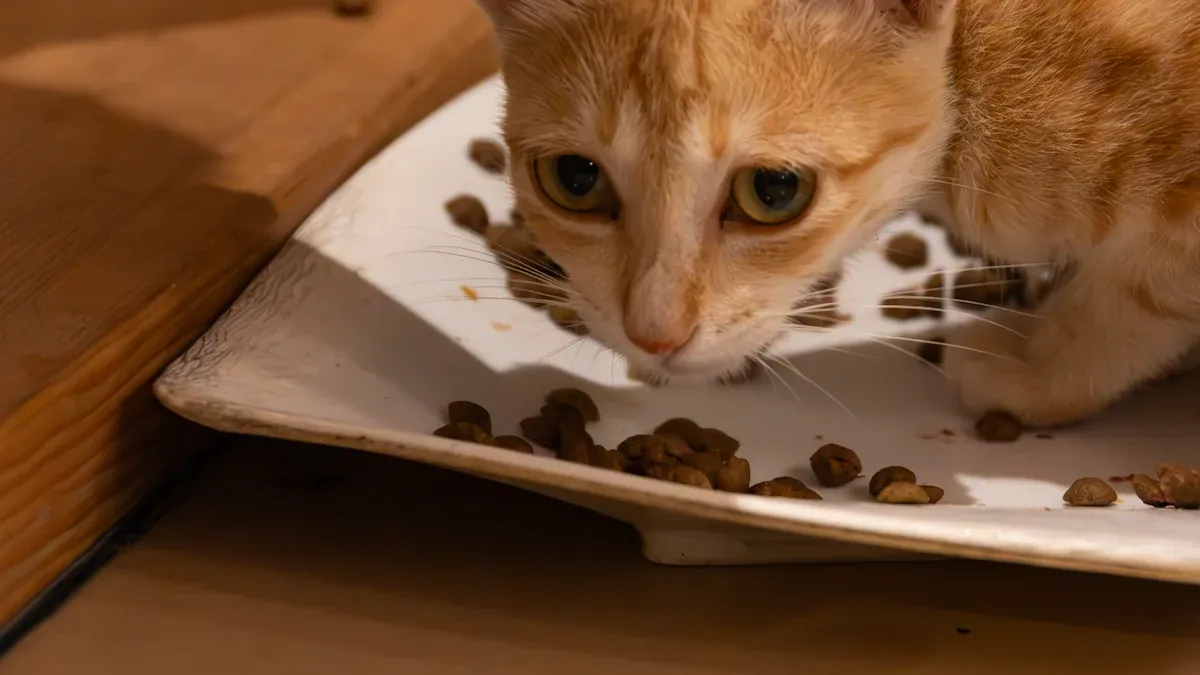
You want cats to eat food that is safe and healthy. Picking good cat food ingredients is very important. You should not use bad cat food ingredients. Focus on getting the best quality. Many producers have trouble finding top cat food ingredients. It is important to look for natural ingredients. Stay away from ingredients that might be harmful. Some cat food ingredients must be organic or from trusted places. You also need to check for things like additives and natural preservatives.
You can use different tests to make sure your cat food ingredients are good:
Testing Method | Purpose |
|---|---|
Water Activity (aᵥ) | Tells how much free water is in the food. This can change how long the food lasts. |
pH | Checks if the food might spoil and keeps the recipe the same. |
Moisture | Measures water in the food for nutrition and stability. |
Heavy Metals | Finds bad metals, especially in fish-based cat food ingredients. |
Mycotoxins | Looks for toxins from mold in grains or plant-based ingredients. |
Shelf-Life Studies | Tests how long the cat food stays good and safe. |
Challenge Studies | Checks if germs can grow in the recipe. |
Environmental Monitoring | Looks for germs in the place where food is made. |
Ingredient Identity Testing | Makes sure the meat is the right kind and not fake. |
Supplier Reliability
You need good suppliers to get the best cat food ingredients. You want meat, grains, vitamins, and fats to come fresh or frozen. Good suppliers help keep your cat food safe and the same every time. Pick suppliers close to your factory to save on transport costs. Think about risks in the supply chain and about being eco-friendly. Long-term deals can help keep prices steady and make sure you always have cat food ingredients.
Tip: Always check if your suppliers follow strict rules and codes for cat food.
Nuzoko’s Approach to Ingredient Sourcing
Nuzoko helps you find the best cat food ingredients for your brand. You get a network of trusted suppliers who avoid bad cat food ingredients. Nuzoko checks every batch of meat and other ingredients for safety and freshness. The team uses science to make sure each recipe is right for cats. Nuzoko also helps you get cat food ingredients that meet world standards. You can trust Nuzoko to help you avoid additives that should not be in cat food. The brand helps you find natural preservatives and the right mix of ingredients for every cat. With Nuzoko, you can meet the needs of cats and their owners everywhere.
Food Safety in Petfood Manufacturing
Contamination Prevention
You need to keep cats safe from harmful bacteria in petfood. Contamination can happen at any time. Pathogens like Salmonella, E. coli, and Campylobacter can get into cat food. These germs can hurt both cats and people. You should use good ingredients and the right preservatives to keep cat food safe. If you do not stop contamination, bacteria can spread to kitchen tools and surfaces. Cats may carry bacteria on their fur and mouths. This can make your family sick.
Here are some ways to prevent contamination in petfood manufacturing:
Best Practice | Description |
|---|---|
Helps keep cats healthy and lowers contamination risk. | |
Create and Implement HACCP Plans | Finds and controls food safety dangers in cat food making. |
Maintain Clean Facilities | Keeps the place clean for cat food safety. |
Continuous Training | Teaches workers how to keep cat food safe. |
Regular Audits | Checks if your facility follows safety rules and quality standards. |
Sanitation Protocols
You must keep your petfood factory clean to protect cats. Clean tools and surfaces stop bacteria from growing in cat food. Wet cat food should not sit out for more than four hours. If it stays out longer, bacteria can grow and harm your cat. Put leftover wet cat food in airtight containers in the fridge. This keeps the food safe and fresh. Use the right preservatives to help keep cat food safe for longer.
Tip: Teach your workers to follow strict cleaning rules. This helps keep every batch of cat food safe and builds your brand’s good reputation.
Regulatory Compliance
You must follow strict rules to make safe petfood for cats. International standards, like those from AAFCO, set rules for cat food safety, nutrition, and labels. You need to make a food safety plan and use good manufacturing practices. Federal laws say you must list all ingredients, including preservatives, and show the net amount on the label. You also need a crisis plan and regular checks to protect cat health.
Nuzoko follows international quality standards and has certifications that show strong care for cat food safety. The brand uses science to make sure every batch of petfood meets high health and safety standards. You can trust Nuzoko to help you give safe, healthy, and high-quality cat food to the market.
Recipe Consistency and Batch Quality
Standardizing Formulations
You want each can of cat food to look and taste the same. Standardizing formulation helps keep recipes consistent. You must follow rules from groups like AAFCO. These rules make sure your cat food meets nutrition and label needs. You use meat, poultry, seafood, grains, and vitamins as main ingredients. Complete and balanced cat food gives cats all the nutrients they need. You check every batch to make sure the recipe stays the same. If you change the recipe, your cat may notice and stop eating.
Wet food buyers care a lot about quality and speak up.
Pets will eat the same recipe if you keep it consistent.
You must keep important nutrients and proteins safe during processing.
Ingredient changes can affect batch quality.
Texture and Appearance Control
You need to control texture and appearance so cats enjoy their food. You mix ingredients and cook them in sealed containers. This keeps the food clean and safe. You pick ingredients that meet nutrition needs and help make the right texture, like chunks in gravy or mousse. You use batch control systems to manage recipe changes and keep things uniform. You add thickening agents and flavors to get the texture cats like. You must watch every step to keep quality high.
Nuzoko’s Quality Assurance
Nuzoko gives you high-quality cat food by using advanced research and strict checks. The team tests every batch of ingredients to make sure they meet high standards. Nuzoko uses modern technology to keep nutrients and proteins stable. You get the same texture and appearance in every can. Nuzoko’s facility uses fast heating methods to cut waste and keep production efficient. You can trust Nuzoko to deliver quality cat food with reliable recipes and batch quality. The brand helps you meet the needs of loyal cat owners who want premium quality every time.
Regulatory Challenges for Cat Food
Import and Export Laws
You face many rules when you want to sell cat food in different countries. Each country has its own laws for cat food imports and exports. Some countries require special documents for every cat food shipment. Others want proof that your cat food meets their safety standards. You must check if your cat food uses approved ingredients. Some places ban certain meats or animal by-products in cat food. You also need to follow rules about how you process and store cat food before shipping. Nuzoko has experience with these international rules. The team helps you avoid delays and problems at borders. You can trust Nuzoko to guide you through the complex world of cat food trade.
Note: Always check the latest import and export rules before shipping cat food to a new country.
Labeling Requirements
Labeling is a big challenge for cat food producers. You must follow strict rules about what you put on your cat food labels. These rules help cat owners know what is in the food. In the United States, you must follow the 95% Rule, 25% Rule, 3% Rule, and Flavor Rule. These rules tell you how much of each ingredient must be in the cat food if you name it on the label.
Rule Type | Description |
|---|---|
95% Rule | Cat food must have at least 95% of the named ingredient on a dry matter basis or 70% with water. |
25% Rule | Cat food must have at least 25% of the named ingredient, with a term like ‘Dinner’ on the label. |
3% Rule | Cat food must have at least 3% of a minor ingredient to highlight it, like ‘Dinner with Cheese’. |
Flavor Rule | Cat food must have enough of the flavor to be detected by trained animals, but no set percentage. |
You must also list all cat food ingredients and show the net weight. Labels must not mislead cat owners. If you make a mistake, you may face fines or have to recall your cat food.
Adapting to Global Standards
Cat food producers must keep up with changing global standards. You need to follow rules from groups like the FDA and AAFCO in the United States, and the EU Feed Additive Regulations in Europe. These rules cover cat food ingredients, safety, and labeling. You must also control for things like heavy metals and pesticides in cat food. Many countries want you to use HACCP programs to keep cat food safe. You must avoid making false claims about your cat food. This means you need good records and testing for every batch of cat food.
Regulatory Challenge | Description |
|---|---|
Ingredient Sourcing | You must follow rules for where you get cat food ingredients. |
Processing Standards | You must meet safety and quality rules for making cat food. |
You must label cat food clearly and honestly. | |
Consumer Safety Concerns | You must keep cat food safe for cats and people. |
Sustainability Pressures | You must think about the environment when making cat food. |
DCM Investigation | You must watch for new rules about cat food recipes and health. |
Nuzoko helps you meet these global cat food standards. The team knows the rules in many countries. You can rely on Nuzoko to keep your cat food legal and safe everywhere you sell it.
Managing Production Costs
Balancing Quality and Expense
You need to make wet cat food that is good and not too expensive. High quality means the food is safe and healthy for cats. You want to use the best ingredients, but you also have to watch your spending. Many producers care about ingredient stability, texture, packaging, and following rules. These things help keep the food good and the price low. You must find ways to save money so your cat food is not too costly. Wet cat food is popular because cats like how it tastes and keeps them hydrated. People often buy from brands that always give good quality. The table below shows the main things to think about:
Factor | Description |
|---|---|
Ingredient Stability | Keeps quality high for your cat throughout shelf life. |
Consistency in Texture | Helps your cat enjoy the food and builds trust in quality. |
Packaging Efficiency | Lowers costs and keeps cat food fresh. |
Regulatory Compliance | Ensures quality and safety for your cat, but can raise costs. |
Cost Optimization | Balances quality and expense so your cat food stays competitive. |
Cost Control Strategies
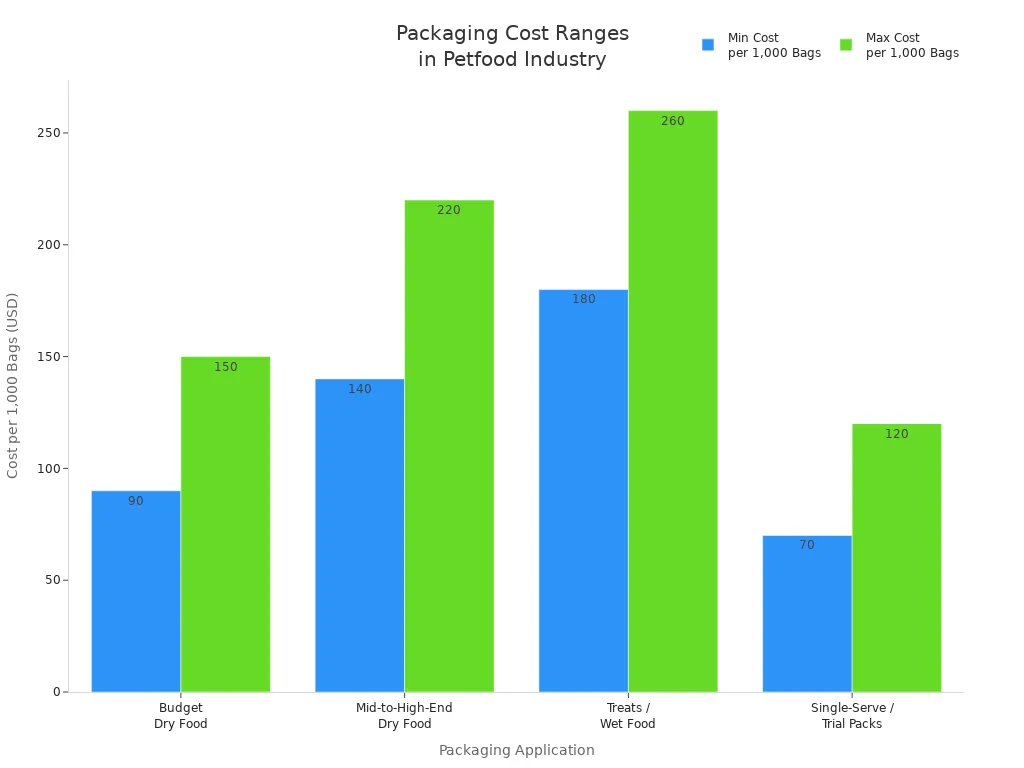
There are many ways to save money when making cat food. Picking the right packaging can help you spend less and keep the food fresh. Wet cat food needs strong packaging to keep out water and air. You can use metalized PET instead of aluminum foil to save about 15% and still keep the food good. Changing from digital printing to rotogravure can make big batches cheaper. You can also talk to suppliers to get better deals, like free plates or faster shipping. Nuzoko helps you save money and keep quality high by making the supply chain work better. The chart below shows how much packaging costs for different types of cat food:
Tip: Always check your packaging and supplier deals. This helps you keep your cat food good and not too expensive.
Market Competition
There are many other brands selling cat food. Big companies like Nestle Purina, Mars Petcare, Blue Buffalo, and J.M. Smucker use different ways to keep their prices low. These companies spend money to make their cat food better and sell more kinds. You need to make good cat food to stand out. Nuzoko helps you by making the supply chain better and helping you save money. You can sell good cat food at a fair price, which makes cat owners trust your brand. Competition makes you work harder to make better food and find ways to spend less.
You need to focus on quality to keep your brand strong.
Good supply chains help you save money and keep quality high.
Top brands spend money to make their cat food better and try new ideas.
Manufacturing Throughput and Productivity
Workflow Optimization
You need to keep your cat food factory running smoothly. Good workflow helps you make more cat food with less waste. You can use special techniques to improve your process. The table below shows some ways to make your cat food production better:
Technique | Description |
|---|---|
Plant Layout Optimization | You set up your factory so raw cat food materials, production, and finished goods stay separate. This keeps cat food safe and makes work faster. |
Equipment Selection | You pick machines that work well with cat food, like mixers and grinders. These machines must be strong and safe for cat food. |
Quality Assurance Systems | You check cat food at every step. You use tools to test cat food and keep records for safety. |
You can make your cat food factory ready for more growth by planning space for new machines.
Automation Solutions
Automation helps you make cat food faster and safer. Machines can mix, cook, and pack cat food without mistakes. You can use automation to:
Lower the energy you use.
Keep workers safe by letting machines do hard jobs.
Meet more cat food orders as demand grows.
Automation also helps you keep every can of cat food the same. You can trust machines to follow recipes and keep cat food fresh. This makes your cat food brand strong and trusted by cat owners.
Aspect | Description |
|---|---|
Efficiency | You make cat food faster and with fewer mistakes. |
Scalability | You can make more cat food when more people want it. |
Safety | You keep workers safe and lower costs. |
Overall Impact | You boost your cat food factory’s output. |
Nuzoko uses advanced machines and smart systems to help you make cat food quickly and safely. The team helps you keep up with the fast cat food market.
Labor and Inflation Challenges
Labor shortages and rising prices make cat food production harder. When you cannot find enough workers, your cat food may take longer to make. Prices for cat food materials and cans go up because of inflation. This makes it harder for small cat food makers to keep up. Some cat owners buy extra cat food, which can cause shortages and higher prices.
You need to plan for these problems. You can use more machines to help when you do not have enough workers. You can also look for new ways to save money on cat food materials. Nuzoko’s large, modern facility helps you handle these challenges. The team uses smart planning and automation to keep your cat food production steady, even when times are tough.
Packaging for Cat Food
Material Selection
You must pick the right packaging for cat food. This helps keep cats healthy and happy. The material you choose keeps the food fresh. It also makes it easy for cat owners to use. Good packaging stops air, light, and water from getting in. You want packaging that is strong but not heavy. Easy-to-use designs help owners open and close the cat food. This makes feeding cats simple and clean.
Here is a table to compare packaging materials for cat food:
Material Type | Properties | Advantages | Disadvantages |
|---|---|---|---|
Plastic | Lightweight, moisture-resistant, recyclable | Good barrier, easy to use | Less durable than metal |
Paper/Cardboard | Cost-efficient, customizable | Good for outer packaging | Less protection |
Metal | Blocks light and oxygen, keeps food fresh | Best barrier, long shelf life | Heavy, can corrode |
Barrier properties are very important for wet cat food. You should check how much air and water can get through. These numbers show how well the packaging keeps cat food fresh.
Shelf Life and Freshness
You want cat food to stay fresh for a long time. Packaging is a big part of this. New materials and smart technology help keep cat food safe and tasty. These new ideas make strong barriers that stop air and water. This helps cats eat fresh food without extra preservatives.
Some packages use oxygen scavenger technology. This takes out oxygen from inside the package. It stops the food from going bad and keeps it safe for cats. Active and smart packaging can also fight off water and other things that spoil food. When you use the right packaging, cats get the best taste and nutrition.
Nuzoko uses advanced packaging to protect cat food. The team works with new materials and smart designs. This keeps cat food fresh for cats all over the world.
Eco-Friendly Options
You can help the planet by picking eco-friendly packaging for cat food. Many cat owners want brands to use less plastic and more green materials. Green packaging helps your cat food stand out. It also meets new rules in many places.
Here are some eco-friendly packaging choices for cat food:
Biodegradable plastics made from plants like cornstarch or sugarcane
Recycled materials that use less energy and save resources
Compostable packaging that breaks down in compost piles
Minimal material designs that use less plastic or paper
Recyclable plastics like HDPE, PP, and PET
Bio-based plastics from renewable sources
Compostable materials such as PCL, PHA, and PBAT
Advanced barrier films that work with recyclable or compostable layers
Big brands now use recyclable and compostable packaging for cat food. Some use simple designs and water-based inks to lower their impact. Lightweight packaging also helps cut shipping costs and pollution.
Nuzoko leads in new packaging for cat food. The team tests new green materials and designs. This helps you meet the needs of cat owners and protect the earth.
Meeting Nutrition and Consumer Expectations
Palatability and Hydration
You want your cat to like its food. Wet cat food gives more water than dry food. This helps your cat stay healthy. It also helps the kidneys work well. Many cats do not drink enough water. Wet food can help with this problem. You should pick food with lots of protein and balanced nutrition. Cats need protein to build muscles and have energy. Kittens need even more protein to grow strong. Wet food is good for digestion. It is gentle on sensitive stomachs. It helps keep the digestive system healthy. You will notice your cat’s coat and energy improve with good nutrition.
Benefit | Why It Matters for Cats |
|---|---|
Hydration | Supports kidney and urinary health |
Protein | Builds muscle and supports growth |
Digestive support | Helps with sensitive stomach |
Palatability | Encourages picky cats to eat |
Responding to Trends
More people are buying premium wet cat food. The market grows as families get more cats. Owners want food with good nutrition and health benefits. They look for diets with human-grade protein and natural ingredients. Many want organic or special foods for digestion. There is a trend for recipes that help sensitive stomachs and overall health. Premium cat food uses science to meet these needs. Nuzoko uses research to make diets for kittens, adults, and seniors. You can trust each recipe to help your cat’s digestion and give the right nutrition.
More people want premium nutrition and health products.
Natural and organic diets are becoming popular fast.
High-quality, tasty, and special wet food is a top choice.
Customer Feedback
You help shape the future of cat nutrition. When you share your thoughts, brands like Nuzoko listen. Your feedback helps improve protein, taste, and digestion. If your cat has a sensitive stomach, you can find food made for that. Nuzoko uses your feedback to make better food for kittens, adults, and seniors. The team checks every recipe for nutrition and health benefits. You help start new trends by asking for better protein and digestion. Your voice matters in making sure every cat gets the best diet.
Tip: Always check the label for protein, nutrition, and digestive support. This helps you give your cat the best diet.
You face eight big challenges when you make wet cat food. Ingredient sourcing, safety, recipe consistency, regulations, costs, manufacturing, packaging, and meeting cat owner needs all matter. Each cat needs safe, tasty, and healthy food. You must check every cat food batch for quality. Nuzoko helps you solve cat food problems with science and teamwork. You can trust Nuzoko to keep your cat happy. The cat food market changes fast. You must adapt to give every cat the best.
FAQ
What makes wet cat food harder to produce than dry food?
Wet cat food needs strict safety checks. You must control moisture and bacteria. You also need special packaging. Dry food is easier to store and ship. Wet food needs more care at every step.
How does Nuzoko ensure ingredient quality?
Nuzoko tests every batch. The team checks for freshness, safety, and nutrition. You get trusted suppliers and science-backed recipes.
Tip: Always ask for quality certificates from your supplier.
Why is packaging so important for wet cat food?
Packaging keeps food fresh and safe. It blocks air, light, and water. Good packaging also makes feeding easy for you.
Benefit | Result |
|---|---|
Freshness | Longer shelf life |
Safety | Fewer recalls |
How can you tell if wet cat food meets nutrition needs?
Check the label for protein, vitamins, and minerals. Look for AAFCO or FEDIAF statements.
Choose food with real meat as the first ingredient.
Avoid fillers and artificial colors.
What should you do if your cat refuses new wet food?
Try mixing the new food with the old one. Offer small amounts at first. Warm the food to boost aroma.
Note: Cats need time to adjust to new tastes.



