

You can create premium wet catfood recipes at home with simple steps and fresh ingredients. Most cat owners stick to commercial foods, but making homemade cat food gives you control over what your pet eats. Only 2.7% of cat owners choose non-commercial diets, so you stand out by offering your cat a fresh meal. You boost your cat’s health and build a stronger bond. Nuzoko’s dedication to science-driven pet nutrition inspires you to make every meal count.
Less than 4% of cat owners feed exclusively homemade diets.
Only 2.7% of cat owners offer a non-commercial diet.
Key Takeaways
Making cat food at home lets you choose what your cat eats. This helps your cat stay healthy and makes you closer to your pet.
Pick good animal proteins, healthy fats, and safe vegetables. These help you make meals that are good for your cat.
Always look for bad ingredients like onions and chocolate. This keeps your cat safe from getting sick.
Change recipes for your cat’s age and health. This makes sure your cat gets the right food.
Write down what your cat eats and how they act. This helps you see if your cat has allergies or sensitivities.
Premium Catfood Ingredients
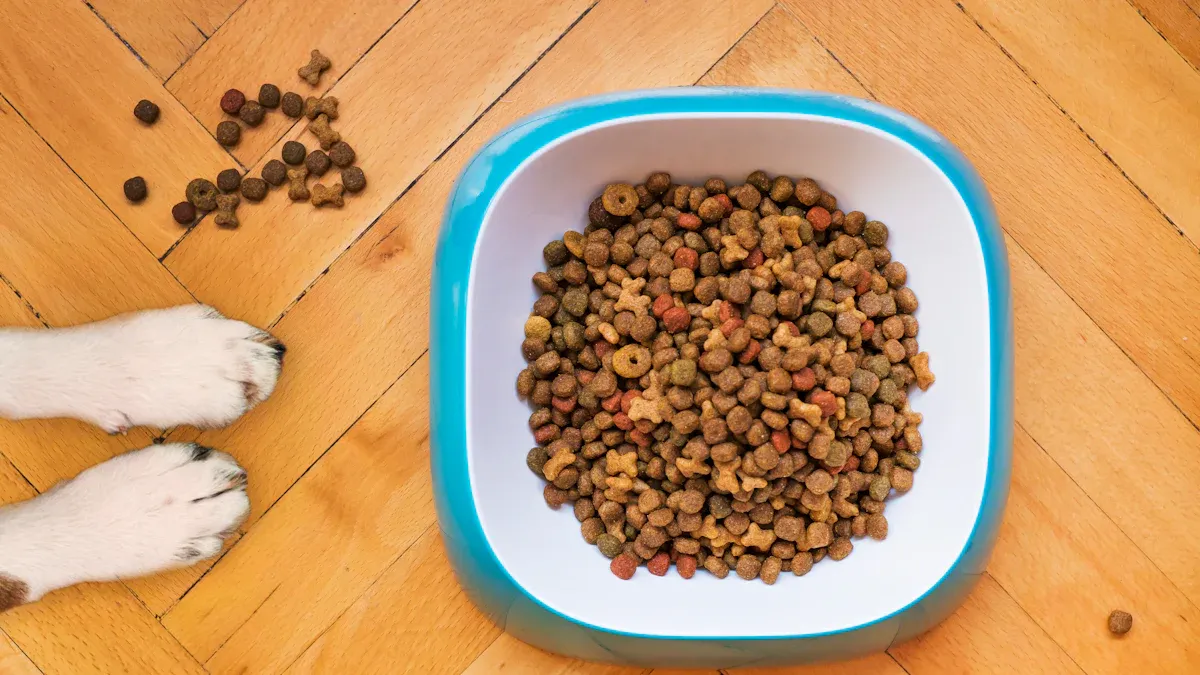
Picking good ingredients makes your cat’s wet meals better. You should use high-quality meats, healthy fats, and a few safe vegetables. This mix helps you give your cat balanced nutrition at home. Nuzoko’s team uses science to choose their ingredients. You can do this in your own kitchen too.
Best Protein Sources
Protein is the most important part of homemade cat food. Cats need animal protein to stay strong and healthy. You can pick chicken, turkey, rabbit, beef, or fish for your recipes. These meats give cats all the amino acids they need.
Animal proteins have all the amino acids cats need.
Cats digest animal proteins better than plant proteins.
High-protein diets help cats keep lean muscles and stay healthy.
Here’s why protein is so important:
Cats need amino acids like taurine and arginine. These are mostly in animal tissues.
Without enough protein, cats can lose muscle and get sick.
High-protein meals help cats stay active and keep a healthy weight.
Cats are obligate carnivores. Their bodies need animal protein for muscles and health. Always start with fresh, lean meat as your main protein.
Healthy Fats For Cats
Fats are just as important as protein for cats. Fats give cats energy and help them use vitamins. The AAFCO says cat food should have at least 9% fat. If your cat is very active or needs to gain weight, you can add a little more fat.
You can use chicken fat, fish oil, or a small bit of coconut oil. These fats help keep your cat’s coat shiny and skin healthy. Always measure fats carefully. Too much fat can make your cat gain weight.
Vegetables And Supplements
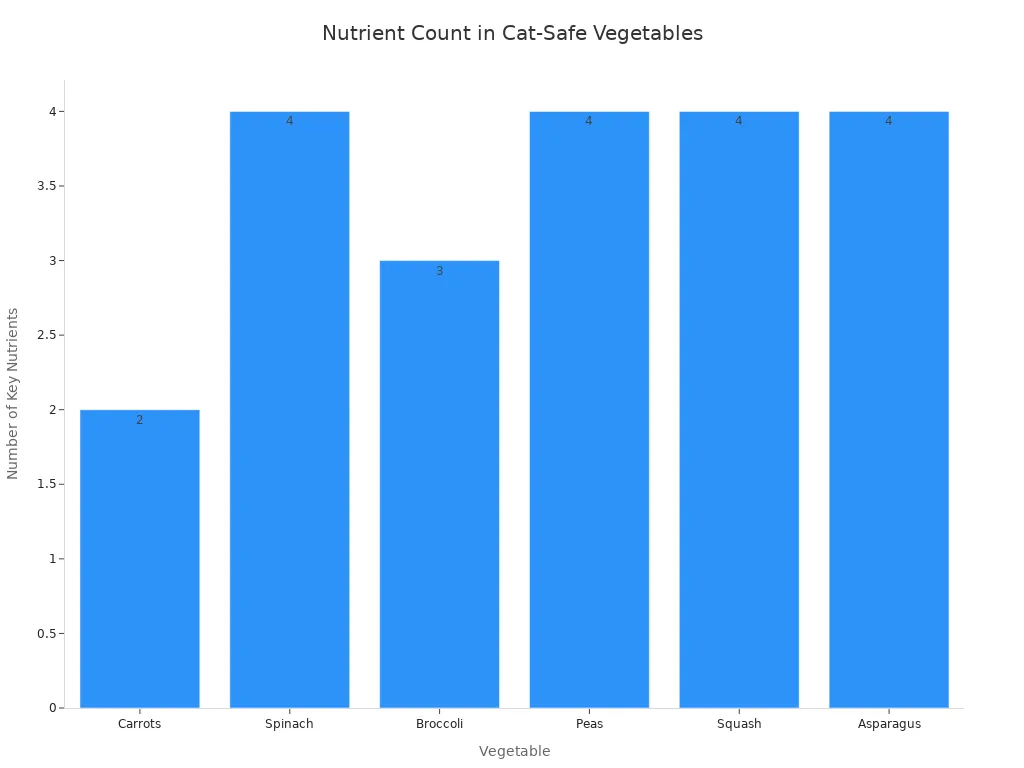
Some vegetables are safe and good for cats. They add fiber, vitamins, and minerals to homemade cat food. Only use a small amount of vegetables. Cats do not need as many vegetables as people do. Here is a quick guide to safe vegetables and what they give:
Vegetable | Nutrient(s) | Benefits |
|---|---|---|
Carrots | Vitamin A, Fiber | Helps vision, immune system, and digestion. |
Spinach | Vitamins A, K, Folate, Iron | Boosts immunity, supports blood, and gives minerals. |
Broccoli | Vitamins K, C, Fiber | Helps blood clotting, immunity, and gives antioxidants. |
Peas | Potassium, Fiber, Vitamins A, C, K | Supports heart, muscles, and digestion. |
Squash | Potassium, Vitamins A, C, Fiber | Helps heart health and keeps fluids balanced. |
Asparagus | Folate, Vitamins A, C, K | Supports cell growth and gives vitamins. |
Supplements can help fill any missing nutrients in your recipes. Many pet owners use taurine powder, fish oil, or vitamin E. If you want to make sure your meals are complete, you can use balanceit.com. This website helps you build balanced recipes and avoid missing nutrients. Experts say even vet recipes can miss key nutrients. Using a trusted tool or talking to a vet nutritionist is smart.
Tip: Always check your ingredients for freshness and quality. Nuzoko’s experts use strict rules for every ingredient. You can do the same at home.
By picking the right protein, healthy fats, and safe vegetables, you give your cat great nutrition. You also make every meal special.
Cat Food Recipes Development
Balancing Nutrition
You want your cat to be healthy and happy. To do this, you need to balance nutrition in your cat food recipes. Cats need the right mix of protein, fats, vitamins, minerals, and water. When you make cat food at home, pay close attention to each part. Cats use animal protein for strong muscles and energy. Fats help cats use vitamins and keep their skin nice. Vitamins and minerals help with body functions and fighting sickness. Water is very important because cats do not drink much.
Here is a table to help you remember what to include in homemade cat food:
Importance | |
|---|---|
Vitamins | Needed for body functions and health. Includes vitamins A, D, E, K, and B vitamins. |
Minerals | Big minerals like calcium and phosphorus are important. Small minerals like iron and zinc matter too. The right balance is needed. |
Water | Needed for hydration. Cats get most water from food. |
Amino Acids | Some amino acids like taurine and arginine are very important. Taurine must be in the diet. |
Proteins and Fats | Good animal proteins and fats are needed for a healthy diet. |
Toxic Ingredients | Some foods like onions, garlic, and chocolate are dangerous for cats. |
When you make cat food, always check that your recipe has all these things. Nuzoko’s team uses science to make balanced recipes. You can do this at home by using trusted websites and checking your recipe with tools like balanceit.com. If you want your cat to have a full diet, you must add all the key nutrients. You can use supplements like taurine or fish oil if your recipe needs more.
Flavor And Texture Tips
Cats like food that tastes good. You want your cat food recipes to be tasty. Studies show cats like flavors with lots of protein and fat. They enjoy fish, liver, and meat. Many cats also like sour or tangy flavors, yeast, and dairy. Oil-based flavors, like chicken or fish oil, are favorites. You can use these flavors to make your recipes better.
Texture is important too. Some cats like chunky meat, while others like smooth or shredded food. Try different textures to see what your cat likes. Here are some ways to make your recipes tastier:
Use bone broth or tuna water to make food smell good.
Warm up the food to make it smell stronger.
Try new flavors and textures.
Change feeding times to make meals exciting.
Make mealtime fun with puzzle feeders or hand-feeding.
Offer cooked chicken or meat baby food for new textures.
Sprinkle parmesan cheese for extra taste.
Use products like FortiFlora to make food taste better.
If you want to try new things, use pumpkin or coconut oil. Pumpkin gives fiber and moisture. Coconut oil adds healthy fat and a smooth feel. Nuzoko’s recipes focus on quality and taste. You can do the same by trying new ingredients in your recipes.
Sample Recipe Template
You can start making cat food at home with a simple plan. This helps you make a full meal and change it for your cat’s needs. Here is a basic recipe you can use:
Sample Homemade Cat Food Recipe
- 100g cooked chicken breast (animal protein)
- 30g cooked pumpkin (fiber and moisture)
- 10g coconut oil (healthy fat)
- 1/4 teaspoon taurine powder (essential amino acid)
- 1/4 teaspoon calcium supplement (minerals)
- 1/4 cup bone broth (hydration and flavor)
- Optional: sprinkle of parmesan cheese (flavor enhancer)
Steps:
Cook the chicken and pumpkin until soft.
Mix everything in a bowl.
Add bone broth and coconut oil.
Stir in taurine and calcium.
Sprinkle parmesan cheese if your cat likes it.
Serve the food warm for a better smell.
You can change this recipe for your cat’s needs. If you want to swap ingredients, think about what they do in the recipe. For example, cheese adds taste and texture, but also helps hold food together. Changing things without knowing their job can change the food’s taste and feel. Always think about taste, moisture, texture, weight, and how ingredients work before swapping.
Making cat food at home lets you pick every ingredient. You can make recipes that fit your cat’s likes and health needs. Nuzoko’s team checks every recipe for safety and nutrition. You can do this too by checking your recipe and watching how your cat reacts.
Tip: Keep a notebook of your recipes and your cat’s favorite flavors. This helps you remember what your cat likes and make healthy meals.
You can make catfood that is special. Try new recipes, test new ingredients, and focus on balanced nutrition. Your homemade cat food will help your cat live a better, happier life.
Safety And Storage For Homemade Cat Food

Food Safety Practices
You want your cat to be safe and healthy. Always wash your hands before and after making catfood. Check the expiration dates on all ingredients. Do not use anything with broken or damaged packaging. Buy raw meats from stores you trust. Keep raw meat frozen until you need it. Thaw meat in the fridge, not on the counter. Use different cutting boards and knives for raw foods. Clean all kitchen surfaces when you finish. Feed raw food right away. Throw away leftovers after thirty minutes. Keep your cat’s bowls and eating area clean. Take away any wet food your cat does not eat. This stops bacteria from growing.
Tip: Safe habits help stop germs and spoilage. You keep your cat safe by following these steps.
Storage And Freezing Tips
Storing homemade cat food the right way keeps it safe. Put wet food in the fridge for up to three days. Use containers that hold enough for one day, about 4 to 6 ounces. Freeze food in ice cube trays to make small portions. Move the frozen cubes to ziplock bags for storage. Thaw only what you need in the fridge. Use thawed food within two or three days. You can freeze food for up to a year, but four months is best to keep nutrients strong.
Storage Method | Duration |
|---|---|
Refrigerator | 48 – 72 hours |
Freezer | Up to 4 months (ideally) or up to 1 year (with nutrient loss) |
Harmful Ingredients To Avoid
Some foods are very bad for cats. Never use onions, garlic, chives, leeks, grapes, raisins, chocolate, caffeine, alcohol, nutmeg, or xylitol. These can make your cat vomit or have diarrhea. They can also cause drooling, weakness, seizures, or even collapse. If your cat eats something bad, you may see changes in how they pee or if they stop eating.
Callout: Always check your recipe before you feed your cat. Keeping bad ingredients out of homemade cat food keeps your cat healthy.
Customizing Recipes For Your Cat
Age And Health Needs
You want your cat to get the best diet for every stage of life. Making cat food for kittens, adults, and seniors means you need to adjust your recipes. Kittens need more protein and special nutrients like taurine and DHA. These help them grow strong bones and boost their immune system. Adult cats need a diet that keeps their weight steady and muscles lean. Senior cats often need extra calories and protein to fight muscle loss. Sometimes older cats need less protein if they have kidney issues. You can use different ingredients to match your cat’s age and health.
Here’s a quick guide:
Kittens: More protein, taurine, DHA, and calories for growth.
Adults: Balanced protein and fat to keep weight healthy.
Seniors: Higher protein and calories, but adjust for health conditions.
Nuzoko believes in science-driven nutrition. You can follow this idea by making cat food that fits your cat’s needs.
Allergies And Sensitivities
Cats can have allergies just like people. Common triggers include beef, chicken, eggs, pork, fish, and dairy. If your cat shows signs like itching, rashes, vomiting, or diarrhea, you may need to change the diet. Try switching to new proteins or hypoallergenic ingredients. Always check with your vet before making big changes. Making cat food at home lets you avoid problem ingredients and control what goes into each meal.
Tip: Keep a food diary. Write down what ingredients you use and how your cat reacts. This helps you spot allergies fast.
Palatability And Transitioning
Cats can be picky about new recipes. You need patience when making cat food changes. Start slow. Offer small amounts of new diet at each meal. Use toppers your cat loves if they hesitate. Warm wet food to just above room temperature. Feed smaller, frequent meals. Try puzzle feeders to make eating fun. Keep food away from litter boxes. Watch for signs like steady energy, good appetite, and healthy stools. Go at your cat’s pace and adjust as needed.
Nuzoko supports tailored nutrition solutions. You can make every meal special by focusing on your cat’s preferences and comfort.
You now know how to choose the best ingredients. You also learned how to balance nutrition and keep your cat’s food safe. Some homemade recipes do not have enough vitamin D, calcium, or omega-3s. Always check your recipes to make sure nothing is missing. Here are some common problems you might face:
Challenge | Description |
|---|---|
Cats need certain nutrients that come from proteins. | |
Food Safety Concerns | Raw diets might have bad bacteria that can hurt your cat. |
Cost and Time Commitment | Making homemade meals can take more time and cost more money. |
Try out new recipes and see how your cat acts. Share your ideas with other pet owners. Nuzoko is here to help you give your cat balanced meals.
FAQ
How do you know if your homemade cat food is balanced?
You can use tools like balanceit.com or ask your vet. Check your recipe for protein, fat, vitamins, and minerals. Watch your cat’s weight, energy, and coat. If your cat looks healthy and happy, you’re on the right track.
Can you feed your cat only homemade wet food?
Yes, you can. You need to make sure the food has all the nutrients your cat needs. Use supplements if needed. Talk to your vet before switching to a full homemade diet.
What should you do if your cat refuses homemade food?
Try warming the food. Mix in a favorite topper or treat. Offer small amounts at first. Some cats need time to adjust. Stay patient and keep meals positive.
How long can you store homemade wet cat food?
Store fresh food in the fridge for up to three days. Freeze extra portions for up to four months. Always thaw food in the fridge. Throw away leftovers after two days.



