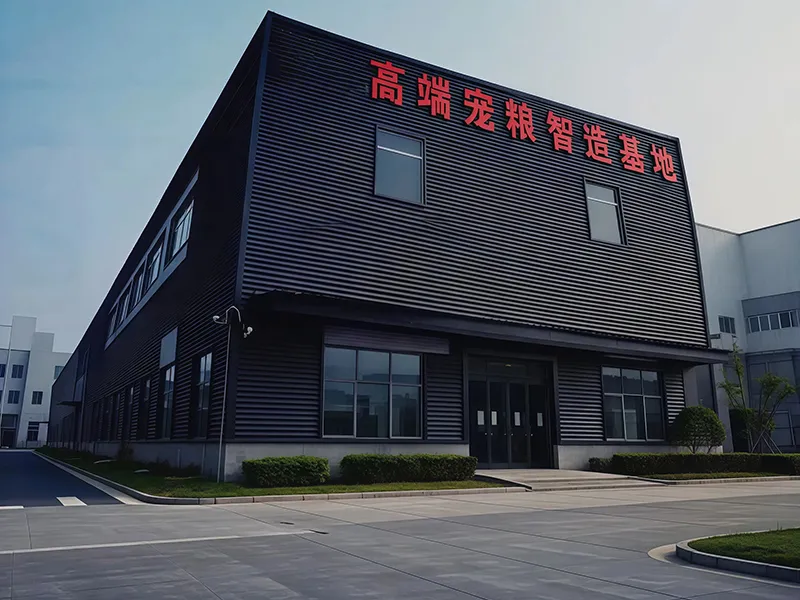
Petfood industry workers need to see wet cat food OEM costs clearly. Brands like nuzoko help companies spend less money and make supply chains easier. They use new manufacturing and good sourcing to make pet food oem work better. Picking good ingredients and using fast processes change the final pet food price. Knowing each part of the cost helps leaders control production and meet their goals.
Key Takeaways
Knowing wet cat food OEM costs helps brands manage making and selling. Ingredient costs are the biggest part of wet cat food spending. Picking good ingredients is very important. Using new machines in making food can cut costs and make work faster. Good packaging choices can save money and bring in more buyers. Working well with suppliers can give better prices and steady quality.
Wet Cat Food OEM Cost Structure
Wet cat food OEM costs are split into three groups. These groups are ingredients, processing, and packaging. Each group helps decide how much pet food costs. Brands like nuzoko try to make these costs lower. This helps petfood companies stay strong in the market.
Ingredient Costs Breakdown
Ingredient costs are the biggest part of wet pet food OEM costs. Good proteins, fresh meats, and important nutrients make ingredient costs higher. This is true for premium pet food. Where ingredients come from changes the nutrition and price of pet food. Nuzoko uses science to pick fresh ingredients that meet world standards. They work with trusted suppliers to keep pet food safe and healthy.
Making recipes also changes ingredient costs. Brands need to balance nutrition, taste, and cost when making new recipes. Nuzoko’s research team helps clients make recipes with fresh meats and useful ingredients. They also help keep costs low. This way, pet food can be good and not too expensive.
The table below shows how ingredient, processing, and packaging costs compare in wet cat food OEM:
Expense Category | |
|---|---|
Ingredients | 40-50% |
Processing | 30-40% |
Packaging | 10-15% |
Processing Expenses in OEM Manufacturing
Processing costs cover everything needed to turn raw materials into pet food. These costs include labor, machine checks, and worker training for safety. Companies must follow rules like FSMA to keep pet food safe.
Labor costs go up when workers need special safety training.
Machine checks and maintenance add to costs.
Worker training makes sure everyone follows safety rules.
New technology can help lower processing costs and make things faster. For example, liquid coating systems stop clogging, and micro ingredient automation cuts waste. Nuzoko uses modern machines and skilled workers to keep costs low. Their team uses smart systems to watch every step of making pet food. This helps stop mistakes and saves money.
Packaging and Logistics Overview
Packaging and logistics are the last part of wet cat food OEM costs. Packaging keeps pet food safe and helps brands look good in stores. Choices like cans, pouches, or trays change cost and freshness. Nuzoko gives many packaging choices for different pet food types and customer needs.
Logistics costs depend on a few things:
Transportation: The way pet food is moved changes costs by volume, weight, and value.
Inventory Level: Having too much or too little stock can make costs higher.
Product Characteristics: Value, density, and how easy it is to damage a product all change logistics costs.
Nuzoko handles global shipping with a strong logistics network. They balance inventory to stop shortages and high storage costs. Their team watches product characteristics to keep pet food fresh while shipping. This careful planning helps brands send good pet food to markets everywhere.
Note: Brands that know each cost group can make better choices. They can pick the best ingredients, improve processing, and choose smart packaging. Nuzoko helps petfood companies with expert advice and good solutions for every step of pet food oem manufacturing.
Ingredient Sourcing for Petfood OEM
Quality and Selection
Getting ingredients is very important in pet food oem. Brands pick fresh meats and real proteins for healthy cat food. Good ingredients help cats grow and stay healthy. Making recipes needs careful picking of ingredients for taste and nutrition. The table below lists the main things to look for when choosing ingredients in wet cat food:
Criteria | Description |
|---|---|
Ingredient Quality | Good choices use real meat first, which helps kittens grow. |
Nutritional Content | Food should have nutrients, vitamins, and minerals for balance. |
Digestibility | Animal proteins are easier to digest and help cats grow strong. |
Protein Content | Lots of protein helps muscles and keeps cats healthy. |
Avoid Fillers and Additives | Use whole meats and skip fillers or fake additives to keep cats safe. |
Brands check costs to compare different ingredients. They do not use fillers or fake additives to keep food safe and fresh. Picking ingredients changes the price and how good the pet food is.
Supplier Partnerships with nuzoko
Working with suppliers is a big part of oem. Nuzoko makes strong partnerships with trusted suppliers. These partnerships help brands get fresh ingredients and keep quality high. The table below shows why working with nuzoko is good:
Benefit | Description |
|---|---|
Quality Control | Brands can control quality, work faster, and get food on time with their own factories. |
Flexible Formulation | Brands can change recipes to fit different needs and markets. |
Long-Term Partnership Potential | Nuzoko is a partner that helps brands grow for a long time. |
Science-Based R&D Support | Their team checks nutrition and makes sure food works well from start to finish. |
Ingredient Quality & Traceability | They use strict rules and tests to make sure ingredients are good and can be tracked. |
Export-Ready & Compliance-Oriented | Their process meets world rules and keeps risks low. |
Multiple Product Formats | They can make many types of products to help brands grow. |
Nuzoko’s supplier group helps brands make new recipes and sell in other countries. Their science team makes sure every cat gets the right nutrition.
Impact on Cost Structure
Getting ingredients changes how much wet cat food costs. Better ingredients make the cost go up. Using human food grade standards makes the final price higher. Good supplier relationships can change ingredient prices. Strong partnerships can give better prices and deals. Some suppliers give lower prices if you buy more, others have one price for all. These ways of pricing help brands plan and check costs for pet food oem.
Tip: Brands that pick fresh ingredients and check quality can spend less on oem. Nuzoko helps brands work with suppliers and keep pet food standards high.
OEM Manufacturing Process Costs
Labor and Technology
Labor and technology change how much pet food oem costs. Workers do many jobs, like making recipes and designing packages. Skilled workers cut fresh meats and watch machines. New technology helps keep costs low. Automated machines mix ingredients and fill cans or pouches. These machines help stop mistakes and save time. Technology checks quality so every batch meets high standards. When brands use new machines, they make more pet food with less waste. This keeps prices steady for customers.
Compliance and Safety
Petfood brands must follow strict rules to keep cat food safe. These rules protect pets and people. Manufacturers must meet standards like the Pet Food Safety Law in Japan and IS 11968:2019. They also need to:
Register with the Ministry of Agriculture, Forestry, and Fisheries (MAFF)
Use only approved preservatives and colorants
Label products in Japanese with calories, ingredients, and origin
Test ingredients for traceability and safety
Check PFAS levels in all pet food
Meeting these rules makes oem manufacturing cost more. Small manufacturers pay about $40,700 per employee for environmental rules. Bigger companies spend around $12,500 per employee. Labor and safety rules add about $1,000 per employee each year. Many companies hire outside advisers to help with rules. This focus on safety and quality keeps wet cat food safe and fresh for cats.
Efficiency Strategies by nuzoko
Nuzoko uses smart ways to lower costs and make quality better. Their team buys advanced machines and trains workers to use them. They check every step, from handling fresh ingredients to packaging design. Nuzoko’s experts help brands with cost checks and recipe making. They manage packaging costs by picking the best materials. Their global network helps brands ship pet food fast and safely. By using these methods, nuzoko keeps pet food oem efficient and reliable.
Tip: Brands that use technology, safety, and smart ways can control costs and give high-quality cat food to the market.
Packaging and Logistics in Pet Food OEM
Material Choices
Material choices change how wet pet food looks and stays safe. Brands pick cans, pouches, or trays to keep food fresh. Each material changes the cost and how easy it is to check quality. Cans are strong and keep food good for a long time. Pouches use less stuff and make less trash. Trays help cat owners serve food easily. Nuzoko helps brands choose the best materials for making pet food. They test each one to make sure food stays fresh and safe.
Tip: Picking the right material helps brands save money and meet what buyers want.
Design and Branding
Design and branding are important in pet food oem. Pet owners like packages that show care for cats and the earth. Brands use new designs to get more buyers and show they care about the planet. This can cost more but may help sell more pet food. Small packages cost more to make but are easy to use. Eco-friendly packages cost more at first but attract people who want healthy food.
Aspect of Packaging Design | Influence on Cost |
|---|---|
Smaller food packages | Higher production costs |
Innovative one-piece design | Lower waste, better shelf life |
Convenience features | Higher costs, better sales |
Sustainability | Higher initial costs, better market pricing |
Nuzoko gives brands special packaging ideas. Their team helps make designs that show good nutrition and follow world rules.
Global Distribution with nuzoko
Global distribution sends wet pet food to many countries. Brands face problems like needing to order a lot and not knowing export rules. Shipping fresh food far away costs more money. Some distributors do not help after the first delivery. Nuzoko fixes these problems with a strong shipping network and expert help. They help brands keep the right amount of stock, follow export laws, and keep food fresh while moving.
Challenge/Cost | Description |
|---|---|
Distributors face significant barriers due to the large quantities required for orders. | |
Unclear Export Requirements | There is confusion regarding the regulations and requirements for exporting products. |
Lack of OEM Support | After the initial shipment, ongoing support from OEMs is often insufficient. |
Nuzoko’s global team helps brands send good pet food everywhere. Their help keeps wet cat food safe and healthy for cats in all markets.
Additional Influences on Petfood OEM Expenses
Supply Chain Stability
Supply chain stability affects how much pet food oem costs. If a factory has a flood or gets inspected, production can stop. Brands use different ways to keep wet cat food moving. They make pet food in more than one factory. This lowers the chance of delays. Companies book production times early for busy seasons. Regional warehouses keep cat food close to stores. This helps meet demand and stops shortages. Brands follow rules like HACCP and ISO 22000 to show they care about safety. On-site checks and ingredient tracking keep products safe. Careful batch control stops recalls and keeps trust in the brand.
Strategy | Description |
|---|---|
Multi-factory strategies | Make pet food in many factories to lower risks. |
Stable production capacity | Book production times early to fill orders during busy times. |
Warehousing and global logistics | Use warehouses near markets to keep pet food close to buyers. |
International certifications | |
On-site inspections | Check where ingredients come from for safety. |
Batch control | Watch batches closely to stop recalls and protect the brand. |
Nuzoko uses these ways to keep petfood supply chains strong and steady.
Product Differentiation
Product differentiation helps brands be different in the pet food market. Companies make special recipes for cats, like grain-free or high-protein. Unique packages and flavors bring in more buyers. These changes can cost more, but they help brands find new customers. Nuzoko helps brands with custom recipes and package designs. This helps brands meet what cat owners want for their pets’ health.
Regulatory Requirements
Regulatory requirements change every step of pet food oem. Each country has its own rules for pet food safety, labels, and ingredients. Brands must follow these rules to sell in different places. Meeting these rules can cost more, but it keeps cats safe and builds trust. Nuzoko knows about world rules and export laws. Their team helps brands with papers, product tests, and safety checks. This makes it easier for brands to sell in new places and keep pet food safe for all cats.
Note: Market trends, supply chain risks, and rules all change the cost of wet cat food. Brands that work with experts like nuzoko can handle these problems and give safe, healthy pet food everywhere.
Wet cat food OEM prices are set by ingredient, processing, and packaging costs. These costs affect what brands pay each day and each year. Companies can use smart ways to spend less money. The table below lists ideas to help lower costs and keep cat food healthy.
Strategy | Description |
|---|---|
Personalized Rations | Packs that can be closed again stop waste and help feed cats well. |
Efficient Machinery | Good machines use fewer ingredients and make production cheaper. |
Continuous Improvement | Making products and processes better saves money and makes quality higher. |
Smart systems check for mistakes and help keep food safe. |
Nuzoko gives petfood brands advice and strong supply chains. Their team helps companies send safe pet food to markets all over the world.
FAQ
What does OEM mean in pet food manufacturing?
OEM stands for Original Equipment Manufacturer. In pet food, it means a company makes products for other brands to sell under their own names. Brands like nuzoko help with this process.
Why do ingredient costs matter so much?
Ingredient costs make up the largest part of wet cat food expenses. High-quality meats and nutrients raise the price. Brands choose ingredients to balance nutrition, taste, and cost.
How does nuzoko help brands lower OEM expenses?
Nuzoko uses advanced machines and strong supplier partnerships. Their team checks every step, from sourcing to shipping. This helps brands save money and keep quality high.
What packaging options do brands have for wet cat food?
Brands can pick cans, pouches, or trays. Each type affects cost, freshness, and how easy it is to use. Nuzoko helps brands choose the best option for their needs.
How do global rules affect pet food OEM costs?
Different countries have their own safety and labeling rules. Brands must follow these to sell products worldwide. Nuzoko guides brands through these rules to avoid delays and extra costs.