Are you ready to turn your passion for pets into a standout brand? The premium pet food industry keeps booming, with a market size set to hit $49.5 billion in 2025 and $126.4 billion by 2035.
Year | Market Size (USD Billion) | Projected Growth Rate (CAGR) |
|---|---|---|
2025 | 49.5 | 10% |
2035 | 126.4 |
You want your brand to shine, not blend in. OEM manufacturing gives your brand full customization, unique branding, better profit margins, and control over quality.
Advantage | Description |
|---|---|
Full customization | Products tailored to your brand’s requirements. |
Unique branding | Exclusive items boost your brand’s identity. |
Better profit margins | Higher value means smarter pricing for your brand. |
Control over supply chain | You stay on top of your brand’s quality and processes. |
Nuzoko stands out as a trusted OEM partner. You’ll find practical steps here to help your brand succeed.
Key Takeaways
OEM manufacturing lets you fully change pet food products. You can pick the recipes, ingredients, and packaging.
Picking the right OEM partner, like Nuzoko, is very important. This helps make sure your brand is safe, high quality, and gets good support.
Knowing your target market helps you make a special value. This value should connect with pet owners and make your brand different.
Good branding and packaging are needed to get customers. Use eco-friendly materials and share an interesting brand story.
After you launch, always listen to what customers say. Change your products to keep growing and stay important in the pet food market.
OEM Manufacturing for Premium Pet Food
What Is OEM in Pet Food?
You may wonder what OEM means for pet food. OEM stands for Original Equipment Manufacturer. In this setup, you work with a special company to make your own pet food. You get to pick the recipes, the ingredients, and the packaging. The manufacturer takes care of making the food and checking the quality. Sometimes, they also help with shipping.
Here’s how OEM works for premium pet food:
You come up with recipes and ideas for your market.
The OEM partner uses their factory to make your products.
You spend time on your brand and selling, while the OEM does the hard work.
You can change your products fast if customers want something new.
Working well with your OEM partner is important. You share your plans, and the manufacturer uses their skills to make safe, good food. This teamwork helps your brand get noticed in the pet food world.
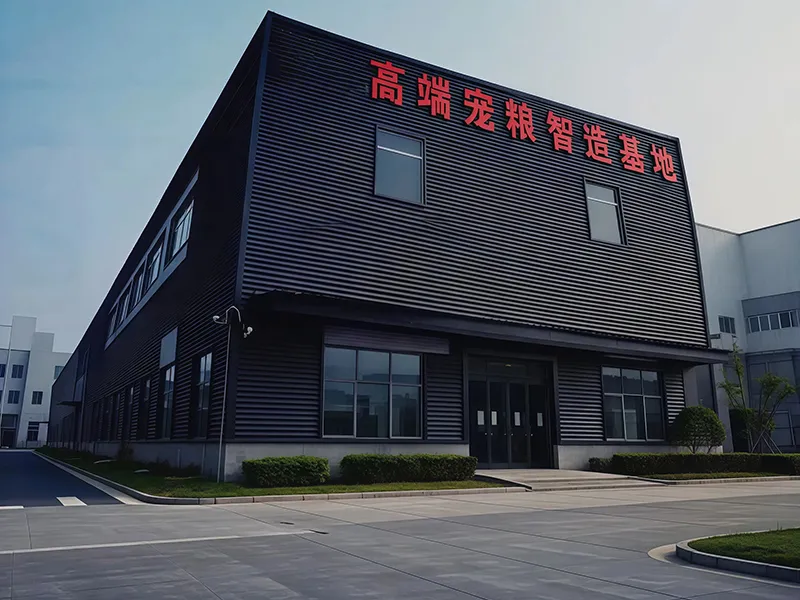
Nuzoko is a strong example of an OEM partner. Nuzoko has over 20 years of experience. They help brands with science-based nutrition, strict quality checks, and rules for many countries. You can count on them to help you build a great OEM pet brand.
OEM vs. Private-Labeling Pet Food
You might have heard about private-labeling pet food. It sounds like OEM, but there are big differences. Let’s look at them:
Feature | Private-Labeling | OEM Manufacturing |
|---|---|---|
Customization Level | Moderate; you can tweak packaging and formulas | High; you control every detail, from recipe to packaging |
Control Over Branding | Full control over branding and packaging | You design the branding and packaging |
Production Responsibility | Third party handles production | You provide the specs; OEM brings your vision to life |
With private-labeling, you choose from products that already exist. You put your brand name on them. You do not get much say in the recipe or features. If you want a private label pet brand, it can be hard to stand out.
OEM lets you make something special. You can create products that fit your brand and your customers. You pick the nutrition, the taste, and the packaging. That is why many brands pick OEM instead of private-labeling.
Why Choose OEM for Brand Differentiation?
You want your brand to stand out in pet food. OEM helps you do that. Here’s why:
OEM lets you make special products for your brand. You can offer diets, grain-free foods, or green recipes.
You can change your products fast if trends change. If pet owners want natural food, you can switch quickly.
OEM factories use new tools and strong safety rules. Many are as safe as human food plants. This means better and safer food for pets.
You can focus on new ideas. OEM partners like nuzoko help you test and sell new products faster.
When you pick OEM, you get more than just food. You get a partner who helps you build a top pet food brand. Nuzoko’s skills, technology, and care for quality make them a great choice for any OEM pet brand.
Tip: If you want loyal customers, make custom products and keep high standards. OEM gives you what you need to do both.
OEM manufacturing is a smart way to lead in pet food. You get to be flexible, have control, and build a brand pet owners trust.
Defining Your Brand and Product Niche
Identifying Your Target Market
You want your brand to connect with the right people. The pet product market keeps changing, so you need to know who buys premium pet food. Take a look at these trends:
Trend Description | Implication |
|---|---|
People treat pets like family and spend more on premium products. | |
Urban millennials and Gen X | These groups invest in high-quality pet food and care about brand building. |
Values-based purchasing | Buyers pay more for products that match their values, like health or green. |
Health and wellness focus | Many pet owners want organic and holistic food for their pets’ wellbeing. |
Ask yourself: Who do you want to serve? Are you aiming for young city dwellers, families, or health-conscious pet owners? When you know your target market, you can shape your brand to fit their needs.
Crafting a Unique Value Proposition
You need to stand out in the crowd. Brand building starts with a clear value proposition. What makes your brand special? Maybe you offer science-driven nutrition, or you focus on sustainability. Use market research to learn what pet owners want most.
Understand how buyers behave and what they care about.
Find out what keeps them from buying certain products.
Use these insights to build your brand story and connect with your audience.
Tip: Your value proposition should answer, “Why should pet owners choose your brand?”
Selecting Product Focus and Formulas
Now, decide what products you want to offer. Premium pet food means high standards. You should pick formulas that match your brand vision and meet the needs of your target market.
Choose high-quality ingredients for better nutrition.
Think about the trend of pet humanization. Pet owners want products that feel special.
Offer specialized nutrition for pets with unique health needs.
You can check Petfoodology for science-based advice. Many veterinarians trust it for information on pet nutrition. When you use scientific research, your brand gains trust and stands out.
Note: Market research and scientific formulation help you create products that pet owners love and trust.
Choosing an OEM Partner Like nuzoko
Key Criteria for OEM Selection
You want your oem pet brand to stand out. Picking the right oem partner is a big step. Not all oem companies are the same. Some focus on private-labeling, while others offer full custom solutions. You need an oem pet brand that gives you more than just a logo on a bag.
Here are some things to look for when choosing a custom pet manufacturing partner:
Experience with oem pet brand projects.
Ability to create custom recipes and packaging.
Strong track record in private-labeling and oem.
Support for brand building and product launches.
Fast response to changes in the market.
Nuzoko checks all these boxes. You get a team that knows oem pet brand manufacturing inside and out. They help you move from private-labeling to full custom products. You can trust them to help your brand grow.
Tip: Ask your oem partner about their experience with custom pet manufacturing. Make sure they understand your brand vision and can deliver what you need.
Evaluating OEM Capabilities and Certifications
You want your oem pet brand to meet high standards. Not every private-label partner has the right certifications. You need an oem that follows strict rules for safety and quality. This is where nuzoko shines.
Check out this table to see what top oem pet brand manufacturers should have:
Product Type | Essential Certifications |
|---|---|
Pet Food & Supplements | FDA (US food safety), GMP (Good Manufacturing Practice), HACCP (hazard analysis & control) |
Nuzoko holds these certifications. They follow global rules for oem pet brand production. You get peace of mind knowing your custom pet manufacturing partner meets all requirements. This helps your brand enter new markets and build trust with buyers.
Note: Always ask your oem partner for proof of certifications. A strong oem pet brand needs a partner who takes quality seriously.
Building a Collaborative OEM Relationship
You want your oem pet brand to grow. Working with a custom pet manufacturing partner is more than just signing a contract. You need a team that listens, supports, and helps your brand shine.
Here are some best practices for building a strong oem relationship:
Early Collaboration: Start working with your oem partner early. This helps your brand and products fit together.
Clear Communication: Share your goals and plans. Make sure your oem pet brand and custom pet manufacturing partner are on the same page.
Testing and Support: Use your oem partner’s testing labs. This keeps your brand ready for new products and avoids delays.
Value Creation: Pick an oem that gives you advice, technical help, and clear supply chain updates.
Nuzoko does all this. You get a private-label partner that cares about your brand. They help you move from private-labeling to full oem pet brand solutions. You can count on them for custom recipes, packaging, and support.
Callout: A good oem pet brand relationship means your brand grows faster and stays ahead of trends. Choose a custom pet manufacturing partner that works with you, not just for you.
Product Development for High-Quality Pet Food
Custom Formulation and Ingredient Selection
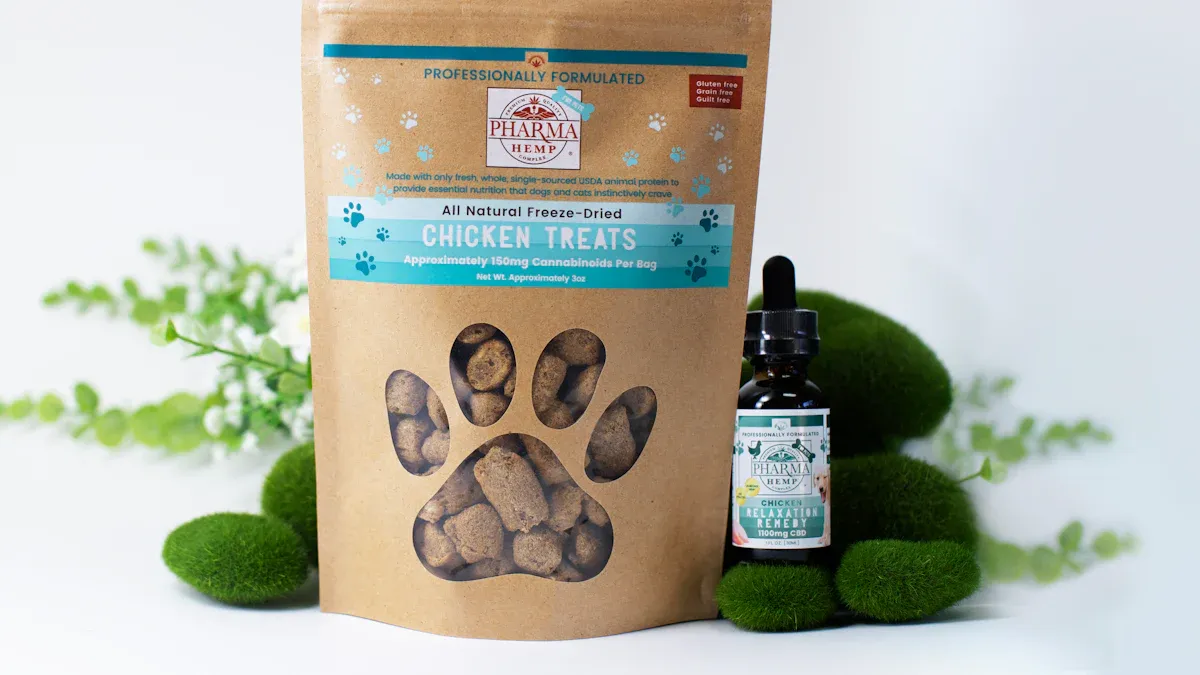
You want your oem pet brand to be the best. Custom recipes help your brand stand out from others. When you work with an oem partner, you pick the ingredients. These choices should match your brand’s goals. Pet owners want food that is healthy and tastes good. You need to make sure your food does both things. A dog food factory uses science to keep food safe and healthy. You can pick organic or premium organic dog food. This helps people who care about health. Custom formulation lets you make special private label dog products. These products show what your brand stands for.
Tip: A PhD nutritionist knows how nutrients help dogs. This expert can help you make recipes that keep dogs healthy.
Working with Pet Nutritionists
You want your oem pet brand to have great products. Pet nutritionists are important in making private label dog products. They use science and their skills to help your brand. This makes sure your dog food factory makes safe and good food every time. Nutritionists help you make recipes that meet health rules. Your oem partner, like nuzoko, brings teams together to improve recipes and make them more popular.
Contribution Type | Description |
|---|---|
Nutritionists use science and skills to keep food safe, high-quality, and the same every time. | |
Customized Product Formulation | They help brands make special recipes that follow health rules and standards. |
R&D Integration | Teams work together with new tools to make recipes better and more liked by buyers. |
Sampling and Product Testing
You want your oem pet brand to make private label dog products that people trust. Sampling and testing are very important steps. Your oem partner will send you samples from the dog food factory. You can check how the food tastes, feels, and if it is healthy. Testing helps you find problems before you sell the food. Nuzoko helps with sampling and testing, so your brand always has good pet food. You can pick organic or custom blends to fit your brand’s needs.
Note: Sampling lets you see how your private label dog products do. Testing makes sure your oem pet brand is always high quality.
Compliance and Quality Assurance
Meeting Pet Food Regulations
You want your brand to sell to pet owners everywhere. To do this, you must follow pet food rules in each country. These rules keep pets safe and show buyers you care about safety. Different places have their own rules for pet food:
Region | Regulatory Body | |
|---|---|---|
USA | FDA, AAFCO, USDA | Safe ingredients, labeling rules, factory checks |
EU | European Commission, National Authorities | Hygiene laws, factory registration, labeling rules |
China | Multiple agencies (CFDA, Ministry of Agriculture) | Fewer rules, not strict, simple labeling needs |
Always check the newest rules before you start selling in a new place. Nuzoko helps you stay updated and makes sure your products are safe everywhere.
Ensuring Consistent Quality Standards
Your brand’s good name depends on quality and safety. You want every bag of food to be safe and healthy. Top factories use these steps to keep food safe and high quality:
Process Category | Specific Quality Assurance Process |
|---|---|
Equipment Maintenance | Check machines often, clean them, and fix tools. |
Personnel Training | Teach workers and set hygiene rules. |
Pest Control | Use pest control plans and keep records. |
Raw Material Management | Store ingredients right and check dates. |
Good Manufacturing Practices | Follow labeling and packaging rules. |
Nuzoko uses these steps to make sure your food is always safe and good. You can trust your products are checked every time.
Documentation and Certifications
You need the right papers to ship your food and show you care about safety. Here is what you should have:
Certificates of origin
Health certificates
Quality test reports
Ingredient lists
Records to track ingredients
You also want strong certifications for your brand. These show buyers and partners that you care about safety and quality:
HACCP: Hazard Analysis and Critical Control Points
ISO 22000: Food Safety Management Systems
GMP: Good Manufacturing Practices
FSSAI: Food Safety and Standards Authority of India
ISO 9001: Quality Management Systems
Nuzoko helps you get all the papers and certifications you need. This makes it easier to sell in new places and helps pet owners trust your brand.
Branding and Packaging for Premium Pet Food
Designing Premium Packaging
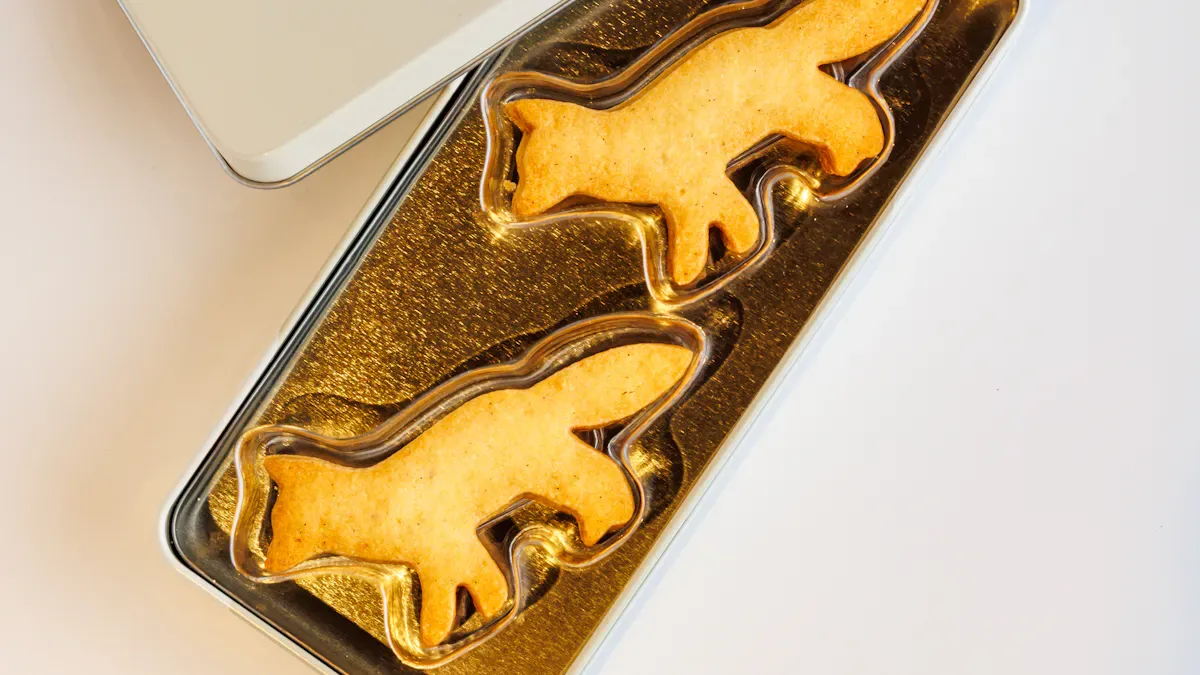
You want your brand to look and feel special. Premium packaging does more than just hold pet food. It shows pet owners that your brand cares about quality. Sturdy and well-designed packaging makes a strong first impression. You can use custom designs, playful patterns, or even eco-friendly materials to stand out. Many shoppers notice packaging first. In fact, about 70% of U.S. online shoppers prefer brands that use eco-friendly packaging. Over a third of buyers say sustainable packaging is very important to them. If you want your brand to shine, think about using materials that are good for the planet. Nuzoko can help you create packaging that matches your brand’s style and meets these needs.
Sturdy, attractive packaging signals quality.
Custom designs and eco-friendly materials help your brand stand out.
Sustainable packaging attracts more buyers.
Creating a Compelling Brand Story
A strong brand story helps you connect with pet owners. You want people to remember your brand and trust it. Start by building a brand identity that stands out. Share stories that match the lives and beliefs of your customers. Show them that your brand is a partner in caring for their pets. When you tell your story, you build an emotional bond. Pet owners feel closer to your brand and want to stay loyal. Be open about where your ingredients come from and how you make your food. This honesty builds trust and makes your brand even stronger.
Build a brand identity that is easy to recognize.
Tell stories that fit your customers’ lives.
Show your brand as a caring partner in pet care.
Labeling and Compliance Best Practices
You need to make sure your brand’s packaging follows all the rules. Clear and honest labels keep pet owners safe and happy. Here are some best practices for pet food labeling:
Requirement | Description |
|---|---|
Clearly state what the product is. | |
Net Quantity Statement | Show the weight or volume of the food. |
Manufacturer Information | List the name and address of the maker or distributor. |
Ingredients List | List all ingredients in order by weight. |
Nutritional Information | Give a guaranteed analysis of nutrients. |
Feeding Instructions | Include clear feeding guidelines. |
Expiration Date | Show the “best by” or expiration date. |
Nuzoko supports your brand by helping with packaging design and making sure your labels meet all the rules. This way, you can focus on growing your brand and building trust with pet owners.
Go-to-Market and Distribution Strategy
Choosing Sales Channels
You want your brand to reach pet owners everywhere. The pet food industry changes often, so you must pick the best sales channels. You can sell online, in pet stores, supermarkets, or through distributors. Online platforms help you connect with dog owners who shop at home. Pet stores attract Millennial buyers who care about quality. Supermarkets let you reach families who buy pet food with groceries. Working with distributors helps your brand reach more people and find new customers.
Online platforms
Pet stores
Supermarkets
Distributors
Using more than one channel helps your brand grow. You can reach new groups, build loyalty, and earn more money. Many brands do well by mixing online and store sales. Specialty stores fit Millennial pet owners, so you can target your marketing to them. More people shop online now, so easy shopping is important.
Pricing for Premium Positioning
You want your brand to stand out in pet food. Pricing is important when you sell premium dog food. Show clear benefits in your product descriptions, like “shinier coat in 30 days.” Use premium packaging to build loyalty and show quality. Explain your brand’s ideas about pet health and wellness. Pet parents want to know about your premium ingredients and recipes.
Show benefits in product descriptions
Use premium packaging
Share your brand’s health ideas
Offer bundles like “Senior Dog Mobility” or “Kitten Starter Kits”
Launch Marketing Tactics
You want your brand to get noticed when you launch. Digital marketing works well in pet food. Use social media and influencer partnerships to connect with dog owners. Build online groups and share helpful content about your products. This helps you build loyalty and get seen.
Create a clear brand identity
Teach buyers about product benefits and ethical sourcing
Use quizzes and product finder tools to help buyers pick the right dog food
Tip: Be open and focus on quality. Teach pet owners and build trust every time you connect.
Common Pitfalls in OEM Manufacturing
Starting a new dog food brand is exciting. But you can have problems if you skip important steps. Many brands make mistakes with oem partners, private-labeling, and checking quality. Let’s see what the most common problems are and how to avoid them.
Mistakes in OEM Selection
Picking the wrong oem partner can slow your brand down. Some companies only do private-labeling, not real oem work. Your dog food might look just like other brands. Always check if your oem partner can make custom recipes, not just private-labeling. Ask about their experience in pet food and how they keep dog food safe. If you skip this, your brand may not stand out.
Tip: Try to visit the oem factory if you can. Meet the workers and watch how they make dog food. This helps you find problems early.
Branding and Positioning Errors
Branding mistakes can hurt your dog food business. Many brands do not know what buyers want or forget their own values. Here’s a table showing common branding mistakes:
Branding Error | Example Brand | Impact on Success |
|---|---|---|
Misunderstanding consumer needs | Aunt Jemima to Pearl Milling | New name did not feel real, so buyers did not like it. |
Ignoring core brand values | Tropicana’s 2009 redesign | Loyal buyers felt left out, so they stopped trusting the brand. |
Inconsistent execution across channels | Coca-Cola Life | The product did not match health claims, so buyers got confused and lost trust. |
Loss of brand equity | General repositioning failures | Mixed messages made buyers unsure about the brand, so sales went down. |
Increased competition | General repositioning failures | |
Customer attrition | General repositioning failures | Loyal buyers felt left out, so they stopped buying and the brand lost success. |
If you use private-labeling without a clear message, buyers may get confused. Stay true to your brand’s story and values. Make sure your dog food stands out everywhere you sell it.
Regulatory and Quality Oversights
Missing safety rules can cause big trouble in pet food. The FDA checks dog food factories to keep pets safe. If your oem or private-labeling partner skips steps, you could have recalls. Recalls can hurt your brand and scare buyers. Here are the recall classes:
The FDA checks pet food factories for safety.
Recalls are sorted by health risk, so people know what to do.
Companies must fix problems after a recall to keep buyers safe.
Always check that your oem or private-labeling partner follows every rule. This keeps your dog food safe and helps buyers trust your brand.
Final Checklist and Next Steps
Pre-Launch Readiness
You want your new pet food brand to start strong. Before you launch, check off these important steps. This list helps you avoid common mistakes with oem and private-labeling. It also keeps your team on track.
Study the market and your competitors. Know what makes your brand different from others using private-labeling or oem.
Build a unique value proposition. Make sure your messaging stands out, even if other brands use private-labeling.
Create a content calendar. Plan your launch posts, emails, and social media updates.
Set up guest posting and outreach. Connect with pet bloggers and influencers who talk about private-labeling and oem.
Run an SEO audit. Optimize your website for search engines so pet owners can find your brand.
Test your products. Double-check quality with your oem partner. Make sure your private-labeling recipes meet your standards.
Finalize pricing, packaging, and your monetization plan. Show why your brand is worth the premium price, even compared to private-labeling options.
Set up email and CRM tools. Keep in touch with customers and track their feedback.
Assign team roles and build a launch timeline. Everyone should know their job, especially when working with oem or private-labeling partners.
Configure tracking and analytics. Watch your brand’s growth from day one.
Tip: A detailed checklist helps you spot gaps before launch. You want your brand to shine, not stumble.
Post-Launch Growth Tips
After you launch, keep your momentum going. Many brands using oem or private-labeling lose steam if they stop improving. Here are some ways to grow:
Listen to customer feedback. Update your oem or private-labeling products based on what pet owners want.
Keep your brand story fresh. Share new updates about your oem process or private-labeling wins.
Watch your analytics. See which channels bring the most sales for your brand.
Try new marketing ideas. Run contests or partner with influencers who love private-labeling and oem brands.
Expand your product line. Use oem to test new recipes or formats that set your brand apart from other private-labeling brands.
Remember: Growth never stops. Stay curious, keep learning, and let your brand lead the way in premium pet food.
You now know how to launch a premium pet food brand using OEM. You saw why private-labeling does not give you the same control or quality. You learned each step, from picking your brand’s focus to working with a partner like nuzoko. Private-labeling can look easy, but it will not help your brand stand out in premium pet food. If you want your brand to grow, skip private-labeling and choose OEM. Take action today and build a brand pet owners trust. Private-labeling is not the answer for premium pet food. Your brand deserves more than private-labeling. Private-labeling limits your brand. Private-labeling does not fit premium pet food. Private-labeling is not the best path for your brand. Private-labeling holds your brand back.
FAQ
What is the difference between OEM and private-label pet food?
OEM lets you make your own recipes and packaging. You get to pick every detail. Private-label uses products that already exist. You just put your brand name on them. You do not get much control or many choices.
How long does it take to launch my pet food brand with OEM?
Most brands start selling in 3 to 6 months. The time depends on what products you pick, how you design packaging, and testing. If you work with a partner like nuzoko, things can go faster.
Do I need special certifications to sell pet food internationally?
Yes, you need papers like HACCP, GMP, or ISO. These show your food is safe and good quality. Nuzoko helps you get the right papers for each country.
Can I create unique formulas for my pet food brand?
Yes! OEM partners like nuzoko help you make special recipes. You can pick the ingredients, flavors, and nutrition that fit your brand.
What support does nuzoko offer during product development?
Nuzoko helps you at every step. They help with making recipes, designing packaging, following rules, and shipping. Their team makes starting your brand easier and faster.