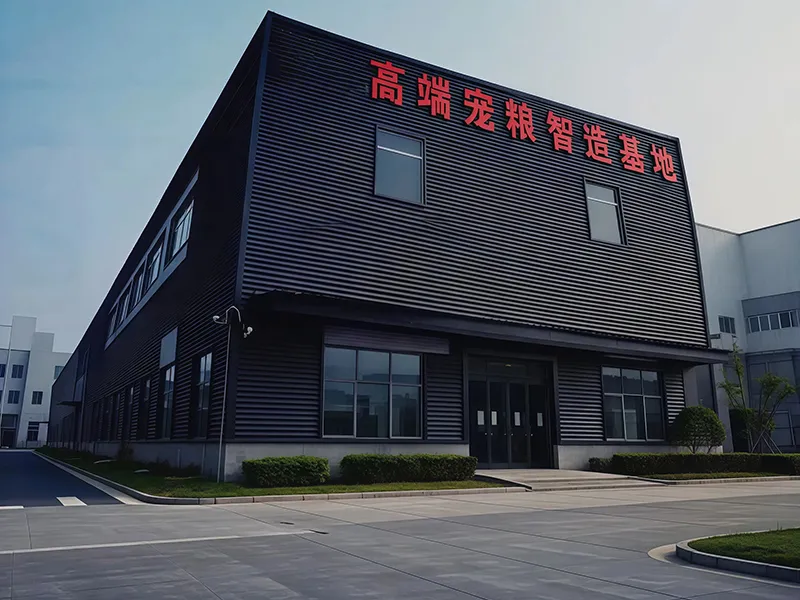
You have real problems when you work with an oem partner in petfood. If your partner does not do well, you might have late shipments. You could also worry about product quality or lose money. The worldwide supply chain brings more risks. These include knowing where ingredients come from and following different rules in each area. You can make oem risk lower by guessing how much you will need, knowing how long things take, and having clear contracts. Doing these things helps keep your brand safe and your business strong.
Key Takeaways
Know that supply chain problems can happen. Ask your vendor about backup plans to stop delays.
Make sure quality and compliance are clear in your contract. Check your vendor’s work often to keep products safe.
Watch your vendor’s finances. Always check if they can fill your orders. Do not pay all the money at once.
Read contracts closely to spot hidden costs and unclear terms. Find parts that protect you and help you stay in control.
Talk often with your vendor. Share your goals and give feedback. This helps build a good partnership.
Key OEM Risks for Petfood Brands
Supply Chain Disruption
You face many challenges when you work with an OEM partner. Supply chain disruption can happen quickly. You might see delays if your vendor cannot ship on time. Sometimes, you must order large amounts because of high minimum order quantities. This can make it hard to manage your stock. You may also find that export requirements are not clear. If you do not understand these rules, your shipments can get stuck at customs. Many vendors stop supporting you after the first shipment. This leaves you with problems if something goes wrong later.
Common supply chain risks include:
High minimum order quantities
Unclear export requirements
Lack of OEM support after the first shipment
You need to check every step in your supply chain. You should ask your vendor about their backup plans. You must know how they handle delays or shortages. Good communication with your vendor helps you avoid big problems.
Quality and Compliance Issues
Quality and compliance matter a lot in petfood. You must trust your vendor to follow your standards. If your vendor does not meet your quality needs, your brand can lose trust. You also face risks if your vendor does not follow safety rules. Many countries have strict laws for petfood. You must make sure your vendor understands these laws. You need to set clear rules in your contract. You should check your vendor’s factory and test the products. You must keep control over the process. If you do not, you may face recalls or fines.
You should use a contract that lists all your quality needs. You must include steps for checking and testing. You need to control every batch. You should ask for reports from your vendor. You must keep records to show you meet all obligations.
Financial and Vendor Risk
You must watch for financial and vendor risk in every OEM partnership. If your vendor has money problems, they may stop production. You could lose your products and your money. You need to check your vendor’s background before you sign a contract. You should ask for proof that they can meet your orders. You must control payments and set clear terms in your contract. You should never pay everything up front. You need to use a contract that protects you if your vendor fails.
Vendor risk also means you must check if your vendor can keep up with your growth. You should ask if they have enough workers and machines. You must control the process from start to finish. You need to review your vendor’s performance often. You should use a contract that lets you end the deal if your vendor does not meet your needs.
Tip: Always keep a backup vendor. This helps you stay safe if your main vendor has problems.
You must control your OEM agreement. You need to check every contract for clear rules and penalties. You should make sure your vendor knows all their obligations. Good control and strong contracts help you lower oem risk.
Common OEM Pitfalls in Petfood Partnerships
Contract and Agreement Traps
There are many contract problems when you work with an OEM partner. Some contracts hide extra costs or use confusing words. These problems can hurt your business. You need to read every contract very carefully. Look for hidden fees and unclear rules. Watch out for parts that take away your control. Many brands lose control if they trust only one vendor. This can cause late orders and missed deadlines.
Here is a table that shows common contract problems and how you can avoid them:
Contract Pitfall | Description | Mitigation Strategies |
|---|---|---|
Quality Control Failures | Depending on another company’s QA can cause bad products. | Add strong quality promises, do checks, and ask for test reports. |
Loss of Control & Dependence | Using just one manufacturer can cause planning problems. | Work with more than one manufacturer and keep your plans flexible. |
IP Theft or Leakage | Sharing secret recipes can lead to copying or selling. | Use strong contracts with punishments and share less secret info. |
Supply-Chain Complexity | Longer supply chains mean more things can go wrong. | Track your supply chain, use tech to watch it, and check deliveries. |
Communication Barriers | Language or culture differences can cause confusion. | Hire someone to help, use clear steps, and visit in person if you can. |
Hidden Costs & Contractual Uncertainties | Some deals hide fees or have bad rules. | Check contracts for costs, set limits, and add rules to change deals if needed. |
You need to keep control of your contract and make clear rules for your vendor. Always ask questions and make deals that keep you safe.
Quality Control Failures
Quality control problems can hurt your brand and cost you money. Do not trust only your vendor’s quality checks. Set your own checks and look at every batch. Some brands had recalls because vendors made mistakes. Use sampling to find problems early. Sampling saves money and helps customers trust you.
Ask your vendor for test reports on each batch. Visit the factory and watch how things are made. If you see a problem, fix it fast. Good checks keep your products safe and your brand strong.
Regulatory and Legal Challenges
You must follow many rules in the petfood business. Each place has its own laws and safety rules. For example, the United States wants clear ingredients and safety warnings. The European Union needs eco-labels and tracking. Canada asks for labels in two languages and safety tests. Australia and New Zealand have tough import rules.
You need to make sure your vendor follows these rules. Teach your vendor about food safety steps. Keep good records to show you follow all rules. If you do not, you could get fined or lose trust.
Note: Honest talks with your vendor and rule makers help you avoid legal trouble. Ask for smart rules and keep your partnership open.
Check your contract often and change it when laws change. Good control and clear deals help lower oem risk and vendor risk.
Managing OEM Risk with Nuzoko
Strong Agreements and Audits
You need strong contracts to lower vendor risk in every oem partnership. Nuzoko helps you make clear rules and set what you expect. You should write down every contract detail, like your quality needs and what the vendor must do. Nuzoko checks vendors often to see if they follow the contract. This lets you control the process and find problems early. Here is how Nuzoko keeps petfood quality high:
Aspect | Description |
|---|---|
Scientific Formulation | Uses science to make recipes that meet nutrition standards. |
Premium Ingredients | Picks high-quality materials for safety and nutrition. |
Reliable Manufacturing | Runs its own factory to control quality and speed. |
Quality Management Systems | Uses strict systems to check and manage quality at every step. |
Collaboration with Suppliers | Works with trusted suppliers for safe and steady materials. |
Compliance-Oriented | Designs steps to meet global quality and legal standards. |
Proactive Vendor Risk Assessment
You must check your vendor before you sign a contract. Nuzoko helps you lower vendor risk by looking at each vendor’s background and if they can meet your needs. You should ask for proof that your vendor can deliver on time and follow all rules. Always control payments and set clear contract terms. Nuzoko works with vendors who can keep up with your growth and meet your oem agreement. You should also ask for compliance papers and test reports. This keeps your brand safe from vendor risk and oem risk.
Building Resilient OEM Partnerships
You can build a strong partnership by setting clear roles and what you expect. Nuzoko helps you control every step and avoid confusion. Here are best ways to work with oem partners:
Work together but do not have too many meetings.
Write down every contract and agreement.
You should also check packaging rules, work with trusted vendors, and ask about sustainability. Always control your contract and keep records. This helps you manage vendor risk and keep your business strong.
Long-Term Success in Petfood OEM Partnerships
Communication and Performance Reviews
You make a strong team when you work with your vendor. You tell your vendor about your business goals and product plans. This helps your vendor get ready and plan their work. You give feedback on samples and pay on time. You act honestly and build trust. You talk openly and share updates. You ask your vendor for audits or videos to check quality. You explain your target market and what you want before you start. You check if your vendor can make products well and do research. You look at their quality checks and certifications. You keep trust by checking how your vendor does their job often.
Here are some tips for long-term success:
Tell your vendor your goals and plans.
Ask for audits to check quality.
Give feedback fast.
Pay on time.
Talk clearly and often.
Tip: You build trust when you treat your vendor as a partner, not just a supplier.
Contingency Planning and Support
You need a backup plan to keep your petfood business safe. You ask your vendor how they manage inventory and store raw materials. You check their shipping and warehouse choices. You make sure they can handle problems like ingredient shortages or broken machines. You look at contracts for hidden costs and rules about renewals. You talk about payment terms and intellectual property rights. You ask for batch-specific Certificates of Analysis to check quality. You stay up to date on rules in your target markets.
Strategy | Description |
|---|---|
Quality Assurance | Make sure your vendor can make food for all pets. |
Customization | Check if they support special diets and new proteins. |
Scalability | See if they can make enough and deliver on time. |
Supplier Reliability | Look at how they store and manage supplies. |
Logistics | Make sure they have good shipping and storage. |
Supply Chain Disruptions | Ask about plans for ingredient or machine problems. |
Cost Transparency | Get clear quotes and check order minimums. |
Contract Review | Check contracts for hidden costs and renewal rules. |
Negotiation | Talk about payment and intellectual property rights. |
Relationship Building | Work together and build a good partnership. |
Quality Verification | Ask for batch-specific Certificates of Analysis. |
Regulatory Compliance | Stay updated on petfood rules. |
Sustainability | Pick vendors who use eco-friendly packaging and good sources. |
Product Lifecycle | Plan for new recipes and more products. |
You ask your vendor to help you find new trends and what customers want. You ask about using automation and AI to make production better. You work with local suppliers to make your supply chain stronger. You keep control of your duties and check your vendor’s work often. You get ready for changes and keep your business strong.
You can face big problems when you pick an OEM partner for your petfood brand. Some common problems are not knowing what is happening, long supply chains, and big companies pushing prices down.
Most pet owners want to know where the ingredients come from, but not many brands share this information.
Delays in shipments from other countries can hurt your business.
Check this table to help you look at your OEM partner:
Criteria | Key Question | Risk if Ignored |
|---|---|---|
Safety & Compliance | Do they have up-to-date certifications? | Recalls or legal trouble |
Customization | Can they make special recipes for your market? | Bad fit or lost sales |
Look over your agreements, make clear rules, and work with trusted partners like Nuzoko. Start now to keep your brand safe and help it grow.
FAQ
What should you include in an OEM contract for petfood?
You should list your quality standards, delivery times, and payment terms. Make sure you protect your rights. Add clear steps for termination. This helps you avoid confusion and keeps your business safe.
How do you build a successful OEM partnership?
You set clear goals and talk often with your partner. You check quality and share feedback. You respect each other’s rights. This leads to partnership success and strong results for your brand.
What is the best way to handle quality issues with your OEM partner?
You act fast when you see a problem. You ask for test reports and visit the factory. You use your contract to protect your rights. You can use termination if your partner does not fix the issue.
How can you measure partnership success with your OEM vendor?
You look at on-time deliveries, product quality, and customer feedback. You review your goals together. You talk about what works and what needs to change. This helps you keep a successful oem partnership.
When should you consider termination of an OEM agreement?
You should consider termination if your partner breaks the contract, fails quality checks, or cannot deliver on time. You must protect your rights and keep your business safe.