You want to be sure about your pet’s food. Petfood certifications help you feel safe. They set rules for safety and quality. Many pet owners think labels are confusing. They do not always trust claims like “grain-free.” They also question “sustainably sourced.” Certifications about animal welfare help build trust. Certifications about the environment also help. Manufacturers use third-party certifications to show quality. They want to earn your trust.
Key Takeaways
Pet food certifications make sure food is safe and good. This helps you trust what your pets eat. OEM certification means a brand creates the recipe. They also check the quality. This makes sure the food is safe and healthy. Look for marks like AAFCO and USDA Organic on labels. These marks show the food meets safety rules. Ask suppliers about their certifications and safety steps. This helps you choose the best food. Certified pet food can cost more money. But it gives better safety and helps you worry less.
Petfood Certifications Explained
What Is OEM Certification?
You might notice the word OEM on pet food labels. OEM means Original Equipment Manufacturer. In pet food, OEM certification shows a brand makes the recipe and checks quality. But a certified company actually makes the food. This way, you can buy special products that are still safe and healthy.
Manufacturers must follow tough rules to get OEM certification. These rules are about food safety, quality, and tracking where things come from. Here is a table that lists the main rules for pet food and supplements:
Product Type | |
|---|---|
Pet Food & Supplements | FDA (US food safety), GMP (Good Manufacturing Practice), HACCP (hazard analysis & control) |
OEM certification is not the same as other quality certifications. Here are some main ways they are different:
OEM certification lets brands make their own rules for feed and nutrition.
Other certifications use set rules and more outside checks.
The quality of OEM products depends on how much a brand wants to be open and responsible.
Why Certifications Matter
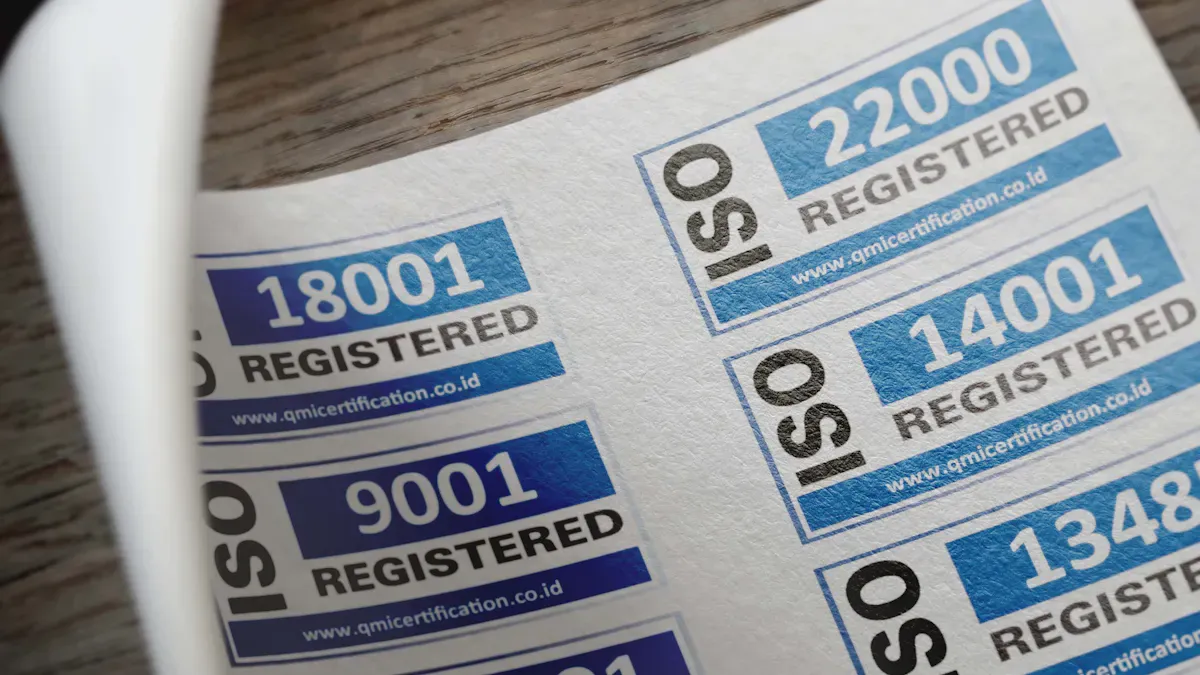
Certifications are very important in pet food. They help you feel good about what you give your pets. Certifications like ISO 22000 and other food safety rules show a company follows world safety and quality rules. These certifications also help brands sell food in many places.
Here is a table of common certifications you might see on pet food:
Certification Type | Description |
|---|---|
Organic | Focuses on earth-friendly farming, no GMOs, and good animal care. |
Marine Stewardship Council (MSC) | Supports safe fishing, with checks by outside groups for the whole supply chain. |
Vegan | Shows there are no animal products, no animal testing, and ingredients are kept apart. |
Certifications do more than keep your pet safe. They help you and rule-makers trust the food. ISO certifications, for example, show a company meets strict safety and quality rules. They also prove a brand uses a food safety system. When you see these marks, you know the brand cares about your pet’s health and every meal’s quality.
Types of Quality Certifications in Petfood
Food Safety Management System Standards
You want your pet food to be safe. Food safety management system standards help you trust brands. These rules guide how pet food is made. They make sure every step follows strict safety rules. You can see how the standards compare in this table:
Standard Name | Description |
|---|---|
FSSC 22000 | Recognized by the Global Food Safety Initiative (GFSI), based on ISO 22000 and ISO/TS 22002-1 standards. |
BRCGS | A GFSI-recognized certification scheme used by food manufacturers to demonstrate commitment to food safety. |
SQF | A GFSI-benchmarked certification platform widely used by food manufacturers to ensure and showcase commitment to food safety. |
When you see these certifications, you know the company follows strong rules. ISO 22000 helps companies manage food safety before problems happen. It helps control ingredients, how food is made, and how it is shipped. This lowers risks for your pet and makes meals safer.
ISO 22000 uses the ISO 9001 system and HACCP ideas. It covers all steps, from farms to stores. This means you get safe food at every stage. ISO 22000 also needs programs to lower dangers in food making. It controls risks from germs, chemicals, and other things. You can feel sure your pet’s food meets high standards.
Regulatory and International Certifications
You need to know pet food follows rules in every country. Regulatory and international certifications make sure products are safe everywhere. In the US, companies must follow the FDA’s Prior Notice and Foreign Supplier Verification Program. If you send pet food to China, the Chinese exporter must follow local rules.
For the European Union, you must do these steps:
Get animal by-products from safe places with no disease.
Pack products in new, sealed containers to stop germs.
Follow EU rules for animal by-products, including special labels.
Make sure products for the EU meet human food standards.
You may also see special EU certificates, like the Chapter 3(F) certificate for animal by-products or the Chapter 8 certificate for trade samples. These certifications show your feed meets all safety and quality rules. Some places also want AAFCO certification, which sets nutrition rules for pet food in the US.
When you pick certified products, you keep your pets safe and help make pet food safer around the world.
Certification Benefits for Brands and Consumers
Safety and Consistency
You want your pet’s food to be safe every day. Certifications help make sure of this. If you pick certified pet food, you lower the chance of recalls. Recalls often happen because of germs. About 63% of recalls are caused by things like bacteria. Brands that use strong safety steps, like E-Beam sterilization, can stop many problems. You can trust that certified brands care about safety and your pet’s health.
Certifications also help keep the food the same in every bag. You do not want your pet’s food to change each time you buy it. Programs like ISO 22000 and Safe Quality Food (SQF) make sure companies follow high rules every time. Here is a table that shows how these certifications work:
Certification Type | Purpose | Impact on Quality Control |
|---|---|---|
ISO 22000 | Ensures food safety management systems are in place | Demonstrates commitment to high standards |
Safe Quality Food (SQF) | Validates safety and quality practices | Ensures consistency across production batches |
When you see these marks, you know the company checks every step. You get safe and healthy food every time.
Building Trust and Market Access
You want to trust the brands you pick. Certifications help you do this. They show that brands follow strict safety and quality rules. This makes you feel good about what you feed your pet. Certifications also help brands sell food in more places. Many countries want proof that pet food meets their rules before they let it in.
Brands with certifications can sell in more markets. They can join campaigns that show they use good ingredients. More people now care about where ingredients come from and how food is made. Good certification programs and clear messages help brands earn trust and grow.
Here are some ways certifications help brands:
Brands can join campaigns that show safe, high-quality food.
People look for proof of good ingredients and clear steps.
Certifications and open talk build trust and help brands enter new markets.
You can see that certifications do more than keep pets safe. They help brands and buyers connect through trust.
Nuzoko’s Certification Achievements
Nuzoko is a certified petfood OEM. You can see this in their awards and strong partners. Nuzoko follows rules like ISO 22000, HACCP, and AAFCO certification. These programs help Nuzoko give safe, steady, and high-quality food to clients in Europe, North America, Japan, and other places.
Nuzoko’s certifications help keep every batch safe and good. The brand uses strong safety systems to stop problems before they start. Nuzoko works with trusted suppliers and checks every step, from getting animal ingredients to packing the food. This helps you trust that every product is made right.
Nuzoko’s clients are pet stores, supermarkets, vet hospitals, and animal rescue groups. These partners pick Nuzoko because they want safe, steady food for their animals. Nuzoko’s focus on certifications means you get products you can trust, no matter where you live.
Here is a table that shows how certifications help you and other buyers:
Benefit | Description |
|---|---|
Quality Assurance | Ensures pet food meets specific nutritional requirements for different life stages. |
Safety | Helps prevent harmful ingredients or contaminants in pet food. |
Consistency | Maintains a consistent level of quality and nutritional value in products. |
Consumer Confidence | Provides peace of mind to pet parents regarding the safety and nutrition of the food. |
When you choose Nuzoko, you pick a partner that cares about safety, quality, and trust. You help make the whole petfood industry better.
Identifying Certified Petfood Products
Reading Labels and Documentation
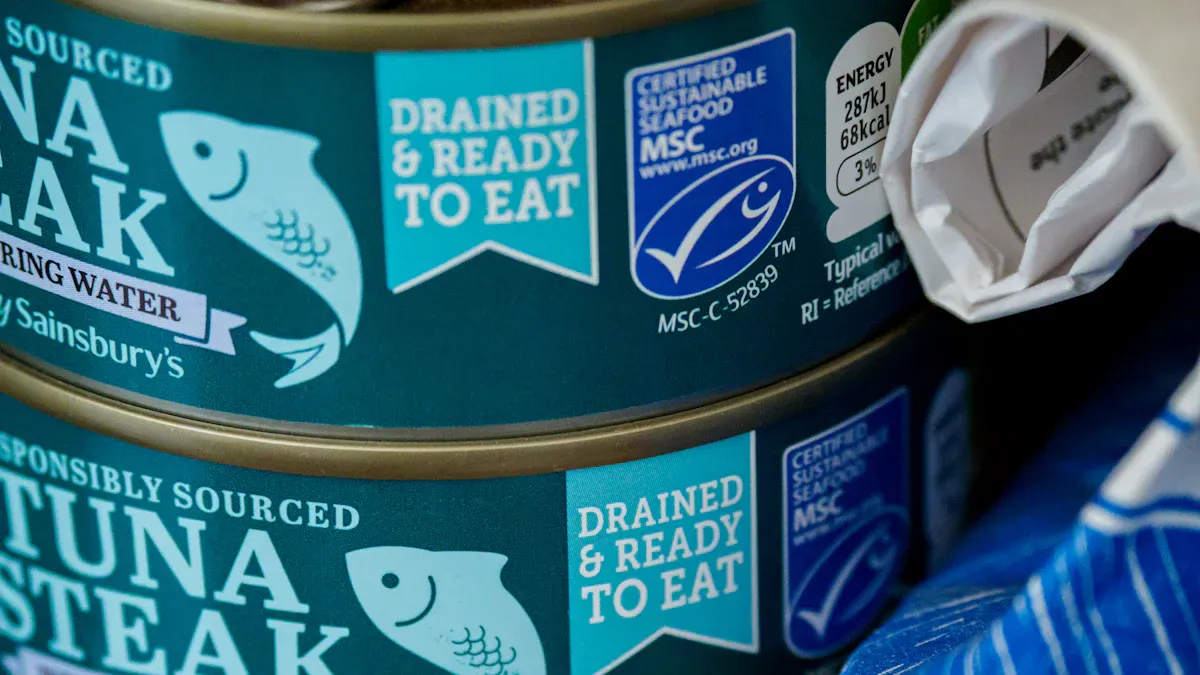
You want your pet food to be safe and good. Start by looking at the label for special marks. These marks show the food follows strong safety and quality rules. Look for symbols like AAFCO certification, USDA Organic, Non-GMO, Halal, and Kosher. Each symbol tells you something about how the food was made.
Certification Mark | Description |
|---|---|
AAFCO | Standards set by the Association of American Feed Control Officials for pet food labeling. |
USDA Organic | Indicates that the product is produced through approved organic methods, adhering to federal guidelines. |
Non-GMO | Certifies that the product does not contain genetically modified organisms. |
Halal | Indicates compliance with Islamic dietary laws, requiring certification from a Halal agency. |
Kosher | Certifies that the product meets Jewish dietary laws, requiring certification from a Kosher authority. |
You should also look at the paperwork from the company. Companies have a list of approved suppliers. This list shows when each supplier was checked and what rules they follow. Supplier forms and reports help you see if they follow food safety rules. Proof files show why the company can make claims on the package. These files have facts from suppliers and certifications. You can ask for these papers to make sure the food is safe.
Tip: Always ask for papers before you buy. This helps you trust the food and keeps your pet safe.
Questions for Suppliers
You need to ask good questions when you talk to suppliers. This helps you know if they are certified and if they follow iso 22000 and other rules. Here are some questions you can use:
Question to Ask | Explanation |
|---|---|
What is your certification status? | Confirm if the supplier has a valid certification for pet food manufacturing. |
How do you handle changes in ownership? | Understand the process for retaining certification after ownership changes. |
What is your protocol for recalls? | Ensure the supplier has a clear plan for notifying relevant bodies in case of a food safety event. |
You should also compare certified food to non-certified food. Certified food usually costs more. It gives you more value and proof of good nutrition. Non-certified food is cheaper but may not have science to back it up. You make better choices when you ask questions and check papers. This keeps your pet safe and helps make pet food better for everyone.
You can see how petfood certifications change the industry. They help make rules higher and help people trust brands. Brands like nuzoko give safe and steady products. Certifications help everyone see how food is made and make companies act right. Government groups check if companies follow rules by sending warning letters, recalling products, or taking them away.
Certifications keep pets and owners safe.
Better labels and new ways to make food help with safety and quality.
Experts say we should use world rules and always test pet food.
AAFCO Responsibilities | Description |
|---|---|
Provide Information | Shares helpful info with pet owners. |
Establish Regulations |
Pick certified partners if you want safety and success for a long time.
FAQ
What does OEM certification mean for pet food?
OEM certification means a factory makes pet food for different brands. You can trust that the food meets strict safety and quality rules. This helps you feel confident about what you feed your pet.
How can you check if a pet food brand is certified?
You can look for certification marks on the package. Ask the supplier for proof, like certificates or test reports. Certified brands will share this information with you.
Why do certifications matter for international pet food brands?
Certifications show that brands follow world safety and quality standards. You can trust these brands to meet rules in many countries. This helps you buy safe products, no matter where you live.
Does certified pet food cost more?
Certified pet food may cost a little more. You pay for better safety, quality, and peace of mind. Many pet owners think this extra value is worth the price.