

If you want your private label petfood catfood to be special, ask your supplier, “How do you make sure the ingredients are good and safe?” This question helps you learn about their process. When you ask clear questions, you find out what is in your product. You also learn how your supplier keeps your brand safe. Use the questions below as your checklist. They help you compare suppliers and find the best one for your business.
Key Takeaways
Ask suppliers where they get their ingredients. This helps make sure the meats and by-products in your cat food are good quality.
Look for human-grade, organic, or local ingredients. These can make your pet food safer and better.
Make sure your supplier follows strict safety rules and has certifications. This keeps your brand and customers safe.
Ask for detailed safety reports and test results. This helps you stay open and honest with your customers.
Pick a supplier who knows the newest rules. This makes sure your pet food is always safe.
Ingredient Quality in Petfood Catfood
Sourcing Whole Meats and By-Products
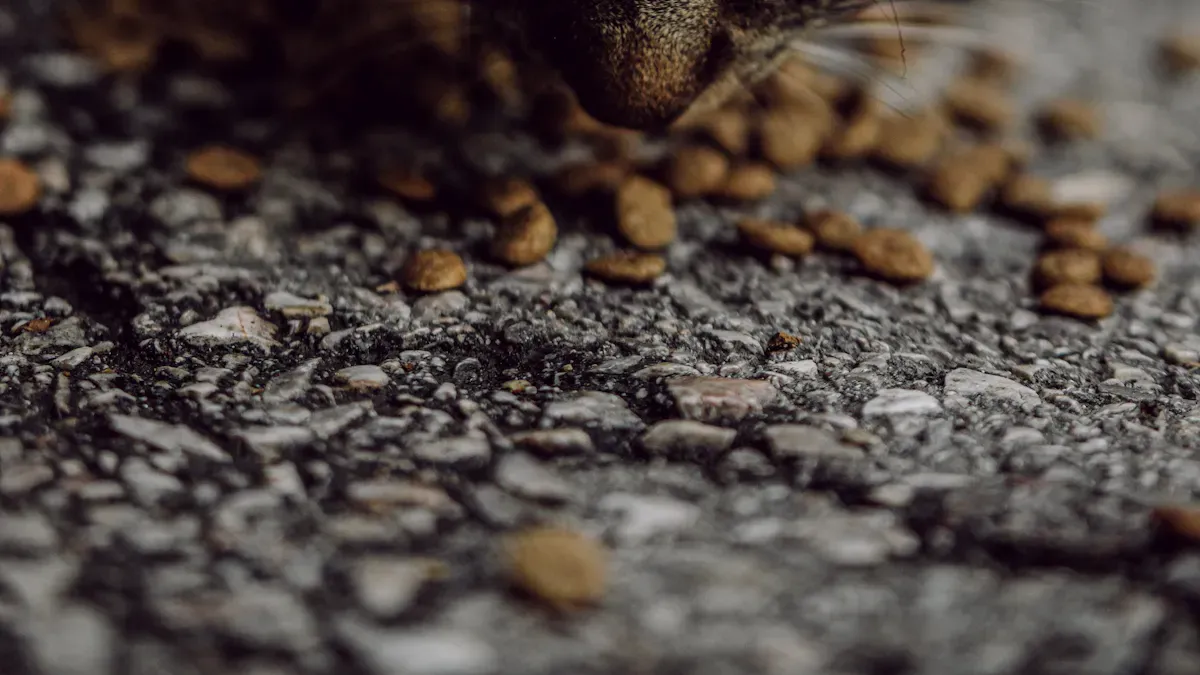
You want your petfood catfood to have the best ingredients. Ask your supplier, “Where do you get your meats and by-products?” Whole meats like chicken or fish give cats real protein and nutrients. By-products can be organ meats. These are good in small amounts but can be bad if there is too much. Some suppliers mix meats, grains, vitamins, and minerals. They turn these into things like chicken meal. This makes recipes easier and keeps protein levels steady. You should check if your supplier follows strict rules for getting ingredients. If they do, your petfood catfood will have balanced nutrition and fewer problems.
Tip: Always ask for proof of where ingredients come from. This helps you avoid hidden problems like dirty or low-quality meats.
Here are some common problems you might find in petfood catfood ingredients:
Bad things like fake colors and flavors.
Not enough or too much nutrition from organ meats.
Dangers like mycotoxins or meats from sick animals.
Nuzoko is special because it uses science to pick the best meats and by-products. You can trust your petfood catfood will be safe and healthy.
Human-Grade, Organic, and Local Ingredients
You care about what goes into your petfood catfood. Many brands now use human-grade, organic, or local ingredients. These labels mean the food is made with care and follows strict rules. When you ask your supplier, “Do you use human-grade or organic ingredients?” you learn how much they care about quality. Some companies, like Nuzoko, use meats and vegetables safe for people to eat. This helps you feel good about your choice.
Mamavation checked over 195 cat food products to see if they were labeled organic or natural.
More brands now show they use real meat and vegetables and do not use fake preservatives.
If your supplier uses local ingredients, you know where your petfood catfood comes from. This helps you build trust with your customers. Nuzoko’s focus on good ingredients means your brand can stand out.
Ingredient Traceability and Transparency
You want to know what is in your petfood catfood and where it comes from. Suppliers must follow strict rules from groups like the FDA and USDA. These rules make sure every ingredient can be tracked back to its source. Good suppliers use computers and records to track every step. They also check for dangers to stop problems before they start.
Note: Some brands use smart tools like QR codes. You can scan the package and see where each ingredient came from. Others use blockchain to keep records safe and easy to check.
People now want clear information about where ingredients come from. They want to see things like “real meat & vegetables” and “no fake preservatives.” Nuzoko uses advanced tracking and shares ingredient details with clients. This makes your petfood catfood safer and more honest.
If you ask these questions and want clear answers, you will protect your brand and your customers. Ingredient quality is the base of great petfood catfood. Nuzoko’s focus on science and honesty helps you give products you can be proud of.
Manufacturing & Quality Control with Nuzoko
Facility Certifications and Standards
You want your petfood catfood made in a place that follows strict rules. Certifications show the manufacturer cares about safety and quality. Nuzoko’s facility meets top standards. You can see proof in their certifications.
Certification | Description |
|---|---|
BRC Global Standard for Food Safety | Important certification for making high-quality pet food, including cat food. |
Shows they follow Good Manufacturing Practices (GMP) and care about food safety and quality. |
These certifications mean the facility uses safe methods and keeps things clean. You can trust that Nuzoko’s plant follows rules from the EU, FDA, and CFIA. The building is made to be easy to clean and lowers the chance of germs. You can feel good knowing your product comes from a safe place.
Tip: Always ask your supplier for a list of certifications. This helps you check if they follow world rules.
Quality Control Measures and Batch Consistency
You want every batch of your petfood catfood to be the same. Quality control makes this happen. Nuzoko uses many steps to keep products safe and steady.
Quality Control Measure | Description |
|---|---|
Ingredient Analysis | Tests for nutrients, germs, heavy metals, and mycotoxins. |
Manufacturing Quality Control | Uses HACCP to find and control dangers. |
In-Process Testing | Uses NIR and SPC to check quality during making. |
Packaging Integrity Checks | Looks at packaging to stop contamination. |
Storage and Shelf Life Monitoring | Keeps products safe by watching storage and dates. |
You see quality control at every step. Nuzoko checks protein, fat, vitamins, and minerals. They test for bad germs like Salmonella and E. coli. They also check if cats like the food and if it is easy to digest. You get a product that meets high standards each time.
Nutrient Testing keeps protein and vitamins at the right amount.
Microbiological Testing finds bad germs.
Palatability Testing checks if cats like the food.
Digestibility Testing looks at how well cats use the nutrients.
Quality control helps you avoid recalls and keeps your brand strong. You can ask Nuzoko for details about their testing and batch tracking.
Preventing Cross-Contamination
You want your petfood catfood free from unwanted things. Cross-contamination can cause recalls and hurt your brand. Nuzoko uses strict rules to stop this.
They check allergen status of feed materials with PCR before unloading.
They add risk checks and cleaning to production steps.
They label products clearly if there is a cross-contamination risk.
Nuzoko has a strict shoe policy to stop germs from spreading. Staff wash hands often and use equipment that is easy to clean. Special containers move animal proteins and get cleaned after each use. The facility keeps diets separate and uses special cleaning for equipment.
Note: Good Manufacturing Practices (GMP) help keep everything clean and safe. Routine germ testing finds problems early. Nutritional quality control keeps formulas balanced. Metal detectors and screens stop foreign things from getting in. Supplier checks and ingredient testing make sure raw materials are safe. Good labels and allergen management prevent mistakes.
You can trust Nuzoko to protect your product. Their quality control systems lower the risk of recalls and keep your customers happy.
Product Safety and Testing Protocols
Food Safety Programs and Pathogen Testing
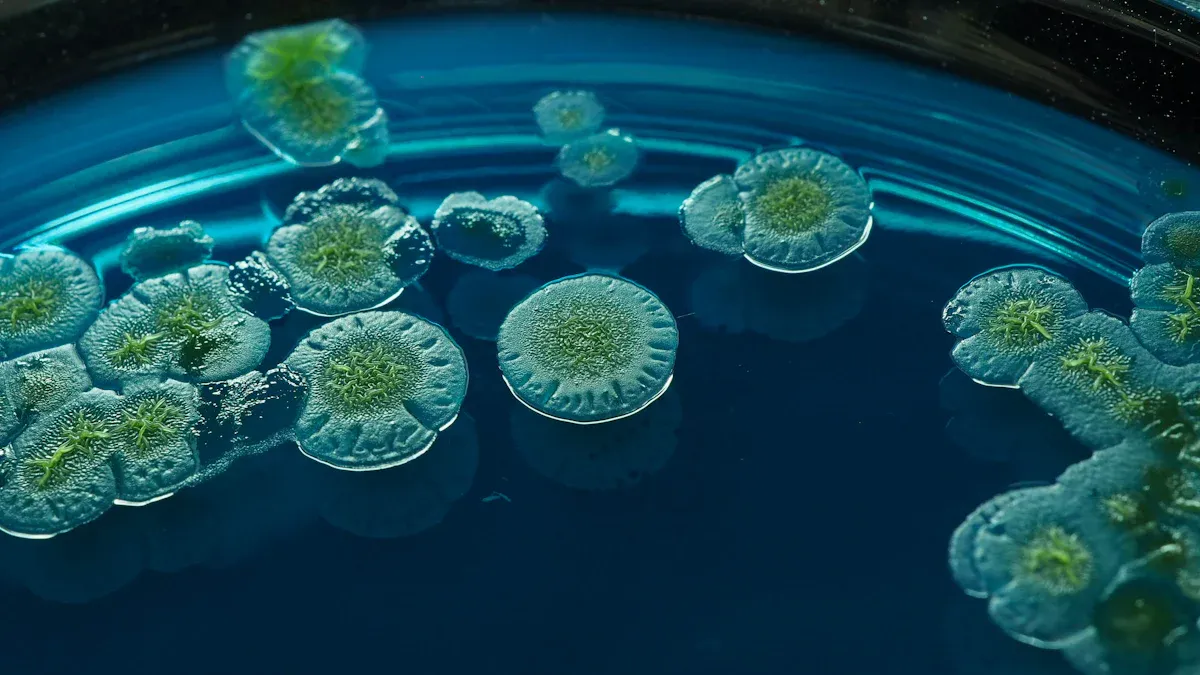
You want your petfood catfood to be safe every time. Food safety programs help stop risks and keep your brand strong. Nuzoko uses strict steps to protect your product. Here are things you should look for:
They check ingredient purity to lower sickness risk.
They use process controls, hygiene checks, and watch temperatures.
They follow Hazard Analysis and Critical Control Points (HACCP) rules.
They test for bacteria and toxins often.
They meet rules and keep things very clean.
They join third-party audit programs like BRC or GFSI.
Certified experts do regular audits.
They use Good Manufacturing Practices (GMP).
They do routine microbe tests and check ingredients.
They manage allergens and label products the right way.
Pathogen testing is a big part of safety. You can ask your supplier how often they test and what ways they use. Here is what you should expect:
Requirement | Description |
|---|---|
Product Testing | They must test for pathogens or indicator organisms. |
Scientific Validity | Their ways must be proven by science. |
Identification | Suppliers must say which germs or analytes they test for. |
Sample Procedures | They must show how they pick samples and link them to lots. |
Sampling Frequency | Suppliers must say how often and how many samples they take. |
Analytical Methods | Suppliers must list the tests and methods they use. |
Laboratory | Suppliers must name the lab that does the testing. |
Corrective Actions | They must have steps to fix problems if they find any. |
Nutritional Analysis and GMO-Free Assurance
You want your petfood catfood to give cats the right nutrition and be free from GMOs. Nuzoko uses advanced ways to check every batch. Here are some ways suppliers make sure your product is safe and healthy:
ELISA checks allergen levels and species.
PCR uses DNA to find certain species.
NGS and DNA barcoding show what is in the food.
Mass spectrometry finds and measures proteins inside.
Tip: Ask your supplier for details about their nutrition checks. You can see if they use these tools to keep your product honest.
Sharing Test Results and Safety Reports
You should get clear information about your petfood catfood. Some suppliers only share basic details, but Nuzoko believes in full honesty. You can ask for safety reports and test results for each batch. This helps you know what is in your product and how safe it is.
The FDA’s Data Dashboard gives some information, but it is not always clear.
Many people find inspection results confusing because they are not explained well.
Sometimes, reports miss important things like temperature control problems.
Note: Pick a supplier who shares full safety reports and explains them. This builds trust with your customers and keeps your brand strong.
Certifications and Regulatory Compliance
Meeting AAFCO, FDA, and International Standards
You want your petfood catfood to be safe and high quality. When you talk to a supplier, ask what certifications they have. These certifications show the company follows important rules for pet food. Here is a table that explains what each group checks:
Regulatory Body | Requirements |
|---|---|
AAFCO | Sets rules for ingredients, nutrition, and labels. Makes sure food is safe and healthy for pets. |
FDA | Checks if ingredients are safe. Makes sure labels are right and list everything inside. |
State Regulations | Many states use AAFCO’s rules for safety and labels. |
If your supplier follows these rules, your petfood catfood is safe for cats. It is also ready to sell in many places. Nuzoko always follows these rules, so you can trust their products.
Tip: Ask your supplier to show proof of their certifications. This helps you feel sure your brand is safe.
Staying Updated on Pet Food Regulations
Pet food rules can change quickly. You need a supplier who knows the newest laws and trends. Nuzoko keeps up by following the latest updates and making sure every product meets the rules. Here is how good suppliers stay updated:
They use Good Manufacturing Practices (GMP) at every step.
They have regular checks to see if they follow the law.
They watch ingredient safety and change labels when needed.
They learn about new trends, like using more natural or organic ingredients.
When you pick a supplier who stays updated, you protect your brand and your customers. You also make sure your petfood catfood always follows the newest rules. Nuzoko’s team checks for changes and updates their process, so you do not have to worry about missing anything.
Pet Food Company Reputation & Recall History
Nuzoko’s Track Record and Client References
You want to pick a pet food company you can trust. Nuzoko is known for working with good partners around the world. You can check their history by looking at client references and who they work with. Here are some things that make a pet food company respected: People like food that comes from safe places. They want to know where the food comes from. When a company explains how they make food, people trust them more. If you ask Nuzoko, they will tell you about each step. Companies that follow rules show they care about safety. Easy-to-use packaging makes customers happy.
Nuzoko sells to pet stores, supermarkets, animal hospitals, and rescue groups. You can ask for real customer references. This helps you feel sure about your choice. When a company shares its story and partners, you know they care about honesty and quality.
Recall History and Response Procedures
Sometimes, companies have to recall products. You want a pet food company that acts fast and tells you what is happening. Here is something important to know:
Senator Durbin said Menu Foods saw a problem on February 20, 2007. They noticed test animals were getting sick and not eating. The company waited almost three and a half weeks to tell the FDA.
In March 2007, Menu Foods recalled over sixty million cans of pet food. The problem was melamine in ingredients from China. Many pets got sick, and people wanted better safety rules. Congress talked about the problem, and the FDA tried to make new rules. Pet food companies learned from this event. Now, they act quickly and share news with customers.
Nuzoko takes recalls very seriously. They have clear steps to fix problems and keep you updated. You can ask about their recall history and how they protect your brand. When you choose a company that cares about safety and honesty, your customers will trust you.
Research, Development & Custom Solutions
Veterinary Nutritionist Involvement
If you want the best cat food, you need experts. A pet nutritionist helps make sure recipes are safe and healthy. At Nuzoko, these experts help with every step. They choose good ingredients and make recipes for all cat ages. They also test the food for taste and safety. They check that your product follows all the rules.
Here’s what veterinary nutritionists do during development:
Stage of Development | Role of Veterinary Nutritionists |
|---|---|
Ingredient Selection | Make sure ingredients are safe and healthy |
Recipe Formulation | Create recipes for kittens, adults, and seniors |
Testing | Check taste, digestibility, and safety |
Compliance | Follow all pet food regulations |
You also get help picking clean-label and earth-friendly ingredients. These experts look at what pet owners want and what other brands do. They help your cat food stand out from others.
Custom Formulations and Product Innovation
You want your brand to be different. Nuzoko makes special recipes and new ideas just for you. You can pick high-protein, grain-free, or freeze-dried foods. You can even ask for special treats or foods with extra health benefits. Nuzoko’s team works with you to make the right recipe and packaging.
Other companies offer things like:
Ready-to-sell private label products and co-packing services
Freeze-dried foods that last long and taste good
Custom recipes with no fake additives
Nuzoko does more by using science and quality checks at every step. You get a product that fits your ideas and meets world standards.
Production Capacity and Lead Times
You need a partner who delivers on time. Nuzoko has a big, modern factory for large and small orders. Their team handles everything from getting ingredients to shipping. You get clear updates and know when your product will be ready.
Tip: Ask about the smallest order size and how fast they make new products. This helps you plan and keep your customers happy.
Nuzoko’s strong research and flexible production help you launch new products or grow your brand fast.
When you ask smart questions, you make sure your private label petfood catfood is safe and top quality. Use a simple checklist to compare suppliers and spot the best fit. Careful vetting protects your brand and keeps pets healthy. Check out how supplier choices matter:
What Matters Most | Why It’s Important |
|---|---|
Pet owners want safe, high-quality food. | |
Brand reputation | Good brands earn trust and boost sales. |
Pet attachment | People care more when they love their pets. |
Stay curious and keep your standards high!
FAQ
How can you check if your supplier uses safe ingredients?
Ask your supplier for certificates and test results. Make sure they show where the ingredients come from. You can ask for details about each batch. Companies like Nuzoko give you full lists of ingredients and safety facts.
What certifications should your petfood catfood supplier have?
Look for BRC, GMP, FDA, and AAFCO certifications. These mean the supplier follows important safety and quality rules. Always ask to see proof of these certifications.
How does Nuzoko handle recalls or safety issues?
Nuzoko acts quickly if there is a problem. They tell you what is happening right away. They follow clear steps to fix things. You get honest updates and help. This keeps your brand and customers safe.
Can you customize your cat food formula with Nuzoko?
Yes, you can make your own recipe with Nuzoko. You can pick how much protein, what flavors, and special ingredients. Their team helps you make products that match your brand.
What makes Nuzoko different from other pet food companies?
Nuzoko uses science to make healthy food. They check quality at every step. They are open about what they do and offer custom choices. You get good products and support from their team.



