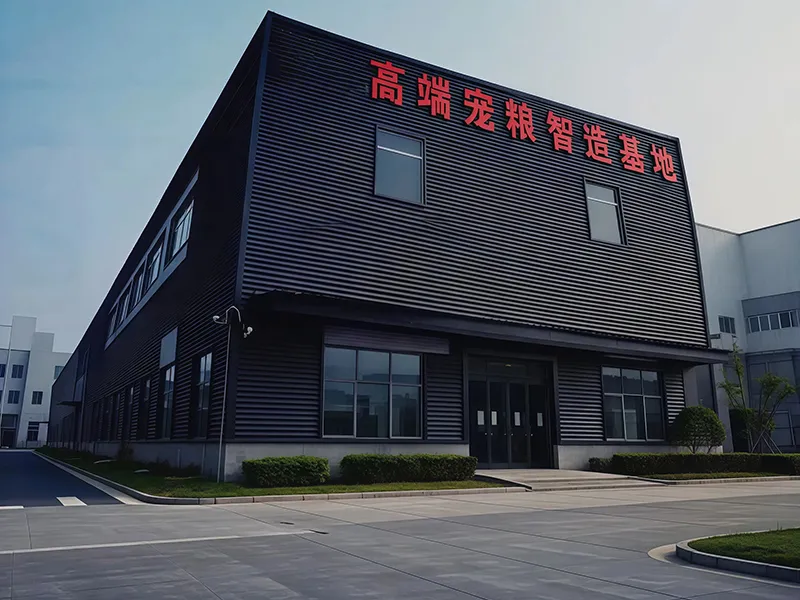
You might feel unsure when you check petfood factory quality. Many buyers feel the same way as you. Surveys show that 63.02% of buyers think pet food labels are confusing. Most pet owners want simple facts about where ingredients come from. Safety problems like oxidation, mycotoxins, and contamination can hurt your pet’s health. Nuzoko is different because it shares information and uses science for nutrition. You get clear answers and good quality from a trusted company.
Key Takeaways
Know that pet food labels can sometimes trick you. Pick brands that tell you what is in their food and how they make it.
Ask questions when you pick pet food. Find out where the ingredients come from. Ask about safety checks and the company’s past to make sure it is good.
Watch out for words like ‘premium’ on packages. These words do not always mean better food. Always check if the claims are true.
Look for certifications that show a factory is safe. Certifications like ISO 22000 and AAFCO mean the company cares about quality.
Learn about warning signs in pet food. Stay away from brands that use bad preservatives or cheap fillers. This helps keep your pet safe.
Why Buyers Misjudge Petfood Factory Quality
Lack of Transparency
Petfood packages often have big claims. Many brands use marketing tricks. This makes it hard to know what is true. You want to trust your pet’s food. But you need clear facts about where ingredients come from and how food is made. When companies hide details, you feel confused. You might pick food because of a flashy label, not real quality.
Pet owners see lots of bold claims and hype. This makes it hard to choose the right food.
Being open about ingredients and how food is made builds trust.
Customers want honesty and responsibility. They support brands that share their practices.
Nuzoko gives you clear facts. The brand tells you about its factory and science-based nutrition. You can learn how ingredients are picked and how food is made. This helps you make good choices and trust the brand.
Petfood brands should be honest with you. When you get clear facts, you feel sure about your choices.
Industry Complexity
The petfood industry is hard to understand. You might think reading ingredient lists is enough. But this is not always true. Ingredient splitting and “fairy dust” ingredients can trick you. Companies sometimes list similar things separately to make them look important. They may add tiny amounts of popular ingredients just for show.
Ingredient splitting lets companies change how ingredients look on labels.
‘Fairy dust’ ingredients are added in small amounts to make products seem better, but this can trick buyers.
Veterinary nutritionists say ingredient lists are not enough. You need to know the rules for petfood labels. Many buyers do not know that packaging keeps food fresh. New packaging like multi-layer films and MAP helps food last longer. You should also know the difference between moisture content and water activity. This helps you understand spoilage risk.
Packaging keeps out things like moisture and air that spoil food.
New packaging, like multi-layer films and MAP, helps food stay fresh longer.
Knowing the difference between moisture content and water activity helps you guess how fast food will spoil.
Nuzoko uses new packaging and follows strict rules. The brand makes food for different pets and ages. You get food that fits your pet, not just what looks good.
To really understand ingredient lists, you need to know the rules for pet food labels.
Outdated Information
You might use old facts when picking petfood. In 2007, a big contamination problem caused recalls and lost trust. Many buyers still worry about grains or wheat, but these can be healthy. Some people believe myths about rendered pets in food, but this is not true.
The 2007 pet food problem made over 5,300 products get recalled. This hurt trust in pet food.
About 2,200 dogs and 1,950 cats died from the contamination. This still worries pet owners.
Learning about product risks helps you make smart choices, especially after past problems.
Many buyers think grains are bad for pets, but corn and wheat can be good.
People worry about wheat because of old problems, but wheat is usually safe.
Some think pet food has rendered pets, but this is not true or possible.
Nuzoko uses science and safe practices. The brand teaches you about real risks and quality. You learn to look past old fears and focus on facts.
Reality | |
|---|---|
Natural additives are always safer than synthetic ones. | Safety depends on where they come from, how they are made, and testing. Both types need careful checking. |
All additives work the same for every pet. | Additives work differently for each animal and situation. |
Regulatory approval means a product is always safe. | Approval is just a start. Brands must keep checking quality and safety. |
You can trust brands that share facts and use science. Nuzoko stands out by being open and focusing on real quality.
Misconceptions About Petfood Factory Standards
Brand Reputation vs. Actual Quality
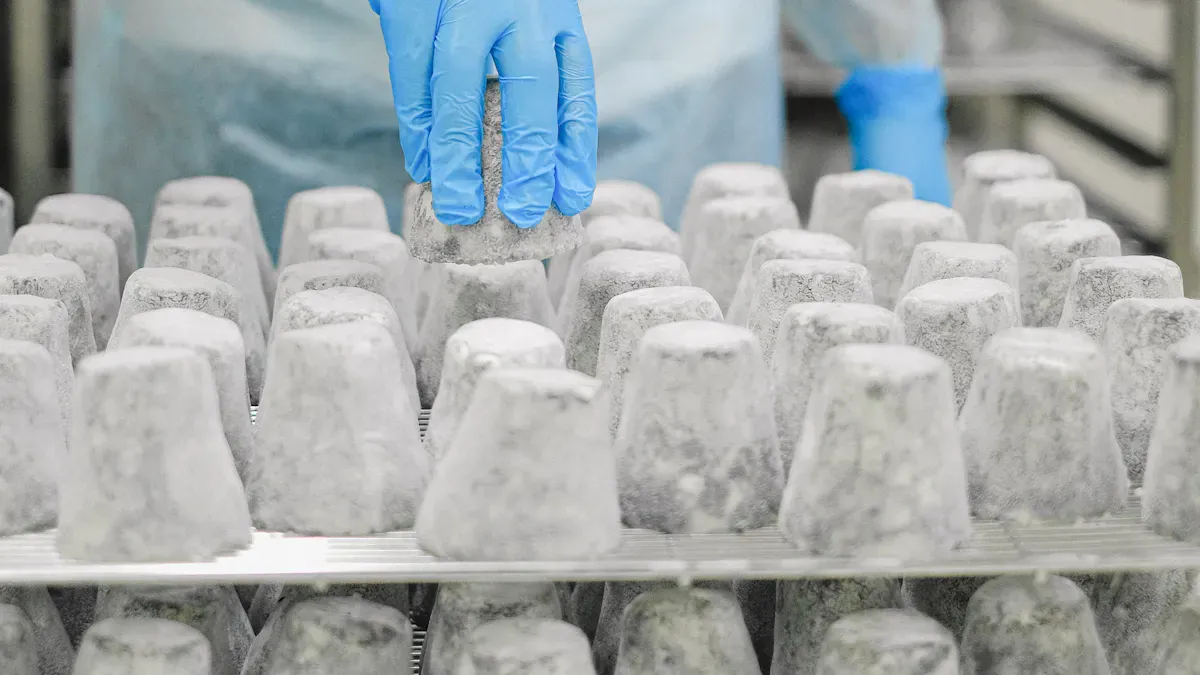
You might think a brand is good because it is famous. Many people believe popular brands always have high quality. This is not always right. Sometimes, brands make mistakes or hide problems from buyers. You should look past the brand name and check how the factory works.
Nutro’s press release says different things about a safety problem. This makes people confused about if their products are safe. They said they stopped making food when they found a problem. But later, they said they acted only after learning about it. This makes people wonder if Nutro is honest and if their food is really safe.
You should ask for clear facts about how petfood is made. Nuzoko tells you about its factory and follows world standards. You get real facts, not just promises.
Misleading “Premium” Labels
Many petfood brands use words like “premium” or “gourmet.” These words can trick you into thinking the food is better. They sound nice, but they do not always mean higher quality. The FDA says “premium” or “gourmet” foods do not need better ingredients. They do not have to meet higher nutrition rules than other foods.
Many buyers want to avoid bad ingredients or factory farming. Labels can make it hard to know what you are buying. These words often do not have official meanings. You might think you are getting better food, but the label does not prove it.
You should check the facts behind the label. Nuzoko uses science to make food and shares real ingredient facts. You can trust what you see.
Factory Ownership and Control
You may not know who owns the factory that makes your petfood. Some brands let other companies make their food. This can mean less control and lower quality. Integrated facilities, like Nuzoko’s, have many good points.
Benefit | Description |
|---|---|
Cost Savings | Integrated factories save money on things like workers and repairs. |
Speed to Market | Products come out faster because recipes and steps are ready. |
Access to Expertise | Shared experts in research and safety help make better food. |
You get safer food and new products faster when the brand controls everything. Nuzoko’s factory does research, makes food, and checks quality. You can feel sure about what your pet eats.
Industry Practices and Marketing Confusion
Contract Manufacturing and Outsourcing
Many petfood brands do not own their factories. They let other companies make their food. This is called contract manufacturing or outsourcing. The brand does not always watch every step. So, the food can be different each time. You might think the brand checks everything, but that is not true. When brands do not control the process, quality can change.
Nuzoko does things in a special way. The brand has OEM and ODM services. This means you get custom petfood made in one place. One team handles research, making food, and checking quality. This helps keep the food safe and good every time. You can trust the food because the same people check every step.
Ingredient Sourcing Transparency
You want to know where the ingredients come from. When brands share this, you trust them more. Brands that show ingredient lists and certifications care about your pet. This makes you feel good about your choice. You may buy from them again.
If a brand hides where ingredients come from, you might worry. You may think the food is not safe or good. Some websites even stop selling brands that do not share this. Good brands work with honest suppliers. They show how they get their ingredients. They use clear labels and give proof of quality.
Tip: Pick brands that tell you where ingredients come from and show proof.
Marketing Buzzwords
You see words like “human grade” and “natural” on packages. These words sound nice, but they can trick you. There is no law for “human grade” in petfood. For food to be human edible, all parts must be safe for people. If one part is not, the claim is not true.
Term | What It Means | Why It Can Mislead You |
|---|---|---|
Human Grade | Makes you think it is better, but it may not be. | |
Natural | Used without strict rules. | Sounds safe, but does not mean better ingredients. |
The FDA checks petfood for safety and labels. But brands still use buzzwords to make food look better. You should look at the facts, not just the words on the package.
How to Check Petfood Factory Quality
You want your pet’s food to be safe. It should come from a factory you can trust. Many buyers do not know what to check. There are some easy steps you can follow. These steps help you see if a company has good standards. This part will show you what to ask, what certifications mean, and what warning signs to notice.
Questions for Manufacturers
When you talk to a pet food maker, ask simple questions. These questions help you learn about their safety and how they work. Here are some good questions you can use:
Who made the recipe for your pet food?
Who makes the food for pets?
Where do you get all your ingredients?
What checks do you do before using ingredients?
Is your food human-edible, human-grade, or feed-grade?
What tests do you do on the finished food?
Do you use “test and hold” to check for bad things?
Have you done research or feeding trials on your food?
Has your company had a recall? What did you change after?
How long have you made pet food?
Ask if the food is complete and balanced for your pet’s age. Ask if a nutritionist works at the company. Find out if the company shares nutrition facts. Nuzoko gives clear answers and shows its research and safety steps.
Tip: Good companies will answer your questions and show proof of their safety steps.
Certifications and Being Open
Certifications show a factory follows strict safety rules. You should look for these when picking pet food. Here is a table of important certifications and what they mean:
Certification | Purpose |
|---|---|
ISO 22000 | Shows the factory follows high food safety standards |
Safe Quality Food (SQF) | Proves dedication to safety and quality |
Organic Certification | Ensures sustainable farming and animal welfare |
Marine Stewardship Council (MSC) | Confirms sustainable seafood sourcing |
AAFCO Compliance | Sets nutrition standards for pet food |
FDA Compliance | Enforces safety standards for pet food |
Some certifications, like BRCGS, SQF, and FSSC 22000, need yearly checks by outside experts. These checks make sure the factory follows world rules. Nuzoko’s factory meets these rules and passes tough checks. This helps you feel sure about the food’s safety and quality.
Check if the company shares where ingredients come from and test results. Brands that show their certifications and checks are easier to trust.
Warning Signs to Notice
You need to watch for signs that a factory is not safe. Some ingredients and ways of making food can hurt your pet. Here are some common warning signs:
BHA and ethoxyquin: These are preservatives that can be risky.
Meat by-products: These might be low-quality and not healthy.
Corn and soy: These are cheap fillers and can cause allergies.
Corn syrup: This adds sugar and can cause health problems.
Propylene glycol: This is a preservative that can be harmful.
Artificial colors and flavors: These can cause cancer or behavior problems.
Other warning signs are low protein, too many additives, or reports of bad food. If a company does not share facts or avoids your questions, be careful. Factories without certifications or that fail checks may not be safe.
Note: Always pick brands that show their safety steps and ingredient sources. Nuzoko’s open way and world certifications help you avoid these risks.
You can use these steps to check any pet food factory. Ask questions, look for certifications, and watch for warning signs. This helps you keep your pet safe and feel calm.
You might get confused by pet food labels. Marketing tricks can hide the real facts. It is important to know what is in your pet’s food. You should look for brands that share clear information. Science-driven nutrition helps keep your pet healthy. Nuzoko follows strict rules and shares details with you. The table below shows what you should care about most when picking pet food:
What Matters Most | Why It Matters |
|---|---|
Helps you make smart choices | |
Quality and Health | Keeps your pet safe and strong |
Clean Label Positioning | Stops fillers and fake additives |
You can choose better pet food by asking questions. Look for brands that are honest and open about their ingredients.
FAQ
What makes a petfood factory high quality?
You should find factories that use strong safety checks. Good factories use new machines and tools. They follow world rules for making food. They test all ingredients and the finished food. This keeps your pet safe.
How can you tell if a petfood brand is transparent?
Check if the brand tells you where ingredients come from. See if they show test results and answer your questions. Honest brands share their certifications. They do not hide how they make petfood.
Why do some petfood labels seem confusing?
Many labels use tricky words or terms that are not clear. You might see “premium” or “natural” on the package. These words do not always have strict rules. Always look for real facts behind the label.
Should you trust all petfood certifications?
Not every certification means the same thing. Some show real safety and quality. Others do not need strong checks. You should learn what each one means before you trust it.
How does nuzoko ensure petfood safety?
Nuzoko uses one big factory and follows world rules. The team checks all ingredients and finished food. You get petfood made with science and care.