

You can expect strong profitability from private label pet food in 2026. Market value is set to rise sharply, with financial projections showing the global private label pet food market could double in size by 2030. This forecast outlook attracts many business owners. You see more demand for private label products as consumers look for specialized dog cat dogfood catfood and care about eco-friendly choices. Leading OEM/ODM brands like nuzoko drive innovation and transparency, helping you meet changing needs in the private label space.
Key Takeaways
Expect strong growth in the private label pet food market, projected to reach $58.7 billion by 2032.
Focus on premium and functional products to meet rising consumer demand for quality pet nutrition.
Utilize e-commerce strategies like subscription models to enhance customer loyalty and boost sales.
Partner with experienced OEM/ODM brands like nuzoko to streamline production and reduce costs.
Stay informed about market trends and consumer preferences to adapt your product offerings effectively.
Private Label Pet Food Market Outlook 2026
Market Size and Growth Trends
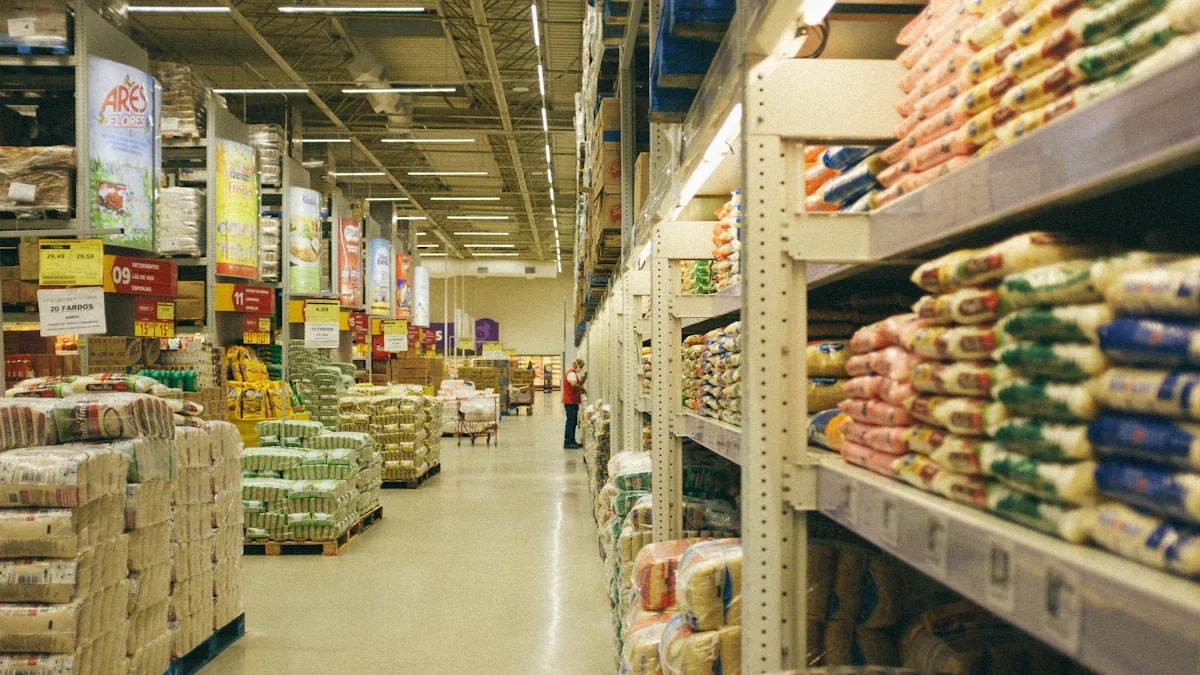
You will see the private label pet food market continue to expand in 2026. The market size and share have grown quickly over the past few years. In 2024, the global private label pet food market reached about $35.8 billion. By 2032, experts expect it to hit $58.7 billion. This shows a strong compound annual growth rate of 6.5% from 2026 to 2032.
You notice several market trends driving this growth. Many shoppers want high-quality products for their pets but also want to save money. This demand pushes private label categories to offer more premium options. Retailers like Walmart and Dollar General have seen private label sales rise, showing that more people trust these brands. You can see private label share now makes up about 35% of all retail pet food sales. This means private label market options are no longer just for budget buyers. They now attract pet owners who want both value and quality.
You will find that private label market growth comes from innovation and premiumization. Brands add new recipes, better ingredients, and science-backed nutrition. These changes help private label market products compete with national brands. You can expect private label market expansion to continue as more retailers and manufacturers invest in research and development.
Tip: Watch for new premium and functional products in the private label pet food market. These often drive the fastest private label growth.
Key Segments: Dog Cat Dogfood Catfood
You will see the private label pet food market divided into several key segments. The most important are dog cat dogfood catfood. Each segment shows unique market growth and opportunities.
Pet Food Segment | Projected Growth Rate |
|---|---|
Fresh Pet Food | From $1-$2 billion in 2022 to $3-$5 billion by 2027 |
Super-Premium Pet Food | Expected innovation and growth opportunities |
Premium Cat Food | Projected to grow at a 7% CAGR, reaching $6 billion by 2028 |
Dog cat dogfood catfood segments lead private label market expansion. Premium cat food stands out with a projected 7% annual growth rate. By 2028, this segment could reach $6 billion. Fresh pet food also grows quickly, moving from $1-$2 billion in 2022 to $3-$5 billion by 2027. Super-premium options for both dogs and cats show strong innovation and attract more buyers.
You will notice that private label market share for dog cat dogfood catfood continues to rise. Private label sales in these segments reflect changing consumer habits. Pet owners want better nutrition, more variety, and products that match their pets’ needs. You can see private label market leaders responding with new flavors, functional benefits, and clear labeling.
You should pay attention to how private label market trends shape each segment. Premiumization, health claims, and fresh ingredients drive private label market share higher. As a result, you can expect private label sales to keep growing in both dog and cat food categories.
Profitability Drivers in the Pet Food Industry
Consumer Trends and Premiumization
You see pet owners changing how they shop in the private label pet food market. Many people now treat their pets like family. They want premium nutrition and look for products that match their own health routines. You notice that shoppers read labels closely and pay attention to ingredients. They want foods that feel purposeful and safe.
They’re reading labels more closely, paying attention to ingredients, and gravitating toward foods that feel purposeful.
Gen Z customers lead the shift to higher-end nutrition. They care more about quality than price. You find that pet owners search for the highest-quality products but also want the best value. This crossroads of quality and price pushes brands to offer premium positioning in the private label market.
The shift to higher-end nutrition for valued family pets has been a key driver of growth, particularly among Gen Z customers who prioritize quality over price.
You see pet owners mirror their own wellness routines in how they care for their animals. This trend reflects a broader move toward preventive health in the pet food industry.
Pet owners increasingly mirror their own wellness routines in how they care for their animals, reflecting a broader cultural shift toward preventive health.
You notice that many pet owners are willing to pay more for premium or functional pet food products. They believe these products offer superior quality and align with their values. This willingness to invest more in premium nutrition drives profitability in the private label pet food market.
Today’s pet parents are at a crossroads of quality and price, searching for the highest-quality products while also seeking the best value.
You see brands like nuzoko respond to consumer demand with science-driven, premium offerings. These products use high-quality ingredients and advanced formulations. Premium positioning helps brands stand out and increases pet food sales. You find that the U.S. premium cat food market is projected to reach $6 billion by 2028. This shows strong growth potential for premium nutrition in the private label market.
E-Commerce and Private Label Market Expansion
You notice e-commerce platforms changing how people buy pet food. The rise of online shopping makes pet food products more accessible. You can compare prices and product details easily. This accessibility helps private label pet food brands enter the market and boosts pet food sales.
You see that e-commerce strategies help brands grow their share in the private label market. Subscription models and loyalty programs make shopping easier and keep customers coming back. Data-driven marketing and personalization use customer information to offer tailored recommendations. Customer reviews and testimonials build trust and credibility. Developing a unique value proposition helps brands stand out. Content marketing and influencer partnerships drive organic traffic and reach new audiences.
Strategy | Description |
|---|---|
Subscription Models and Loyalty Programs | Subscription services provide convenience for pet owners by ensuring regular delivery of essential products, while loyalty programs incentivize repeat purchases, enhancing customer retention. |
Data-Driven Marketing and Personalization | Utilizing customer data allows brands to tailor marketing efforts, enhancing engagement through personalized recommendations and retargeting ads, which can significantly boost conversion rates. |
Customer Reviews and Testimonials | Positive customer feedback builds trust and credibility, essential for influencing new customers’ purchasing decisions. Encouraging reviews and showcasing user-generated content can enhance brand authenticity and conversion rates. |
Developing a Unique Value Proposition (UVP) | A well-defined UVP differentiates a brand in a competitive market, addressing consumer needs and preferences, such as product quality and sustainability, which can foster customer loyalty. |
Content Marketing | Engaging content, such as blogs and videos, can establish brands as authorities in pet care, driving organic traffic and customer loyalty through valuable information and emotional connections. |
Leveraging Influencer Marketing | Collaborating with pet influencers can enhance brand credibility and reach niche audiences, effectively promoting products through trusted recommendations. |
You see nuzoko use e-commerce to reach global customers. The brand offers premium positioning and science-driven pet nutrition. This approach increases profitability and expands pet food sales in the private label pet food market.
Functional and Gourmet Product Demand
You notice a strong demand for functional and gourmet pet food products in the private label market. Pet owners want products that support health, wellness, and special needs. The pet humanization trend drives the market for premium, human-grade food. You see the global animal pet food flavors market growing quickly. It is expected to expand from $2,592.18 million in 2021 to $5,292.06 million by 2033.
The global animal pet food flavors market is expected to grow significantly, driven by the pet humanization trend.
This trend leads to increased demand for premium, human-grade food, which is projected to expand from $2,592.18 million in 2021 to $5,292.06 million by 2033, indicating a strong market growth.
You see brands like nuzoko offer functional formulas and gourmet treats. These products use human-grade meats and advanced nutrition. Science-driven, premium offerings drive profitability through innovation and premium positioning. You find that brands focusing on health-specific diets meet consumer preferences and increase pet food sales in the private label pet food market.
You notice that premium positioning, functional benefits, and gourmet options help brands stand out. These features attract pet owners who want the best for their animals. You see profitability rise as brands meet consumer preferences and deliver premium nutrition in the private label market.
Challenges in Pet Food Manufacturing
Supply Chain and Ingredient Costs
You face many challenges in pet food manufacturing, especially in the private label pet food market. Ingredient costs can change quickly. You must watch for supply chain issues that affect the cost of goods sold. Many factors can slow down your production or raise your expenses. Look at the table below to see some common supply chain challenges:
Challenge | Description |
|---|---|
Regulatory Fragmentation | Different rules in each country can cause delays and extra costs. |
Inconsistencies in CoAs | Certificates of Analysis may not match, leading to customs checks and shipment delays. |
Documentation and Customs Barriers | Small mistakes in paperwork can stop your ingredients at the border. |
Logistical Hurdles | Shipping problems, like temperature control, can make it hard to get fresh ingredients. |
You can lower the cost of goods sold by using smart strategies. For example, you can reduce ingredient costs, cut waste, and improve packaging yield. If you manage costs well, you can keep prices steady for your customers, even when raw material prices go up. You should also segment ingredients by risk, build flexible recipes, and treat your suppliers as partners. Nuzoko helps you with efficient sourcing and supply chain management, making it easier to control costs in the private label pet food market.
Regulatory and Compliance Factors
You must follow strict rules in pet food manufacturing. The private label pet food market has many regulations in each country. In the United States, you follow FDA and AAFCO guidelines. In Europe, you must meet EU standards. The table below shows some key differences:
Aspect | EU | U.S. (FDA) |
|---|---|---|
Ingredient regulation | Positive list of allowed ingredients | GRAS and additive petition system |
Labelling control | Regulated at the EU level | AAFCO and FDA guidance |
Manufacturing | HACCP required | GMP and FSMA controls |
Claims | Strict evidence needed | Some oversight by FDA/FTC |
You may face delays from documentation, testing, and different state rules. These can slow your speed to market. Nuzoko supports you with quality assurance and compliance, helping you meet all standards in the private label pet food market.
Competition in the Private Label Market
You see strong competition in the private label pet food market. Many brands want to grow in the pet food sector. Private label products often give you higher profit margins than national brands because you spend less on marketing and distribution. About 82% of pet owners think store-brand products work as well as name brands. Private label sales now make up 17% of the pet food market. Sales grew 3.9% in 2024, faster than national brands.
You need to focus on quality assurance, pet nutrition, and cost of goods sold to stay ahead. Nuzoko helps you with innovation, quality assurance, and efficient pet food manufacturing. This support lets you compete and grow in the private label pet food market.
Regional Insights: Global Private Label Market

North America and Europe Trends
You see the private label pet food market grow quickly in North America and Europe. In Europe, retailers and contract manufacturers work together to offer competitive prices. Private-label products now capture 25-30% of pet food sales, up from 15-20% in 2020. Premiumization and pet humanization shape consumer choices. You notice that European retailers promote private label brands more actively than North American retailers. European consumers show less brand loyalty and try new products more often. In North America, private label pet food market share stands at 38% in volume and 17% in value. High pet ownership rates and strong consumer spending drive demand for premium products. You see pet food manufacturing focus on natural and organic offerings, meeting strict regulations and consumer awareness.
European retailers promote private label brands more actively.
European consumers try new products and show less brand loyalty.
North American consumers prefer premium products and spend more on pet nutrition.
Asia-Pacific and Emerging Markets
You see the Asia-Pacific region become the fastest-growing area in the private label pet food market. The pet care market reached $29 billion in 2024. Sales are expected to grow by 4% over the next five years. Urbanization, rising incomes, and expanding pet populations drive growth. Countries like China, India, and Japan adopt Western pet care practices. You notice pet food manufacturing expand rapidly to meet new demand. The market is projected to grow from USD 34.78 billion in 2025 to USD 37.23 billion in 2026. By 2031, it may reach USD 52.32 billion, with a CAGR of 7.04%.
Year | Market Size (USD Billion) |
|---|---|
2025 | 34.78 |
2026 | 37.23 |
2031 | 52.32 |
Asia-Pacific shows the fastest adoption rates for private label pet food products.
Rising incomes and pet ownership rates support market expansion.
Regional Profitability Comparison
You compare profitability in the private label pet food market across regions. North America benefits from high pet ownership and strong spending. Europe focuses on natural and organic products, driven by strict rules and consumer awareness. Asia-Pacific grows fast due to urbanization and rising incomes. You see pet food manufacturing adapt to local needs and regulations. Latin America and the Middle East show new opportunities as pet adoption increases.
Region | Key Factors |
|---|---|
North America | High pet ownership, strong spending, premium product preference |
Europe | Natural and organic focus, strict regulations, consumer awareness |
Asia-Pacific | Urbanization, rising incomes, expanding pet populations |
Latin America | Evolving attitudes, increasing pet adoption |
Middle East | Growth opportunities, changing behaviors, rising pet ownership |
You see retailer partnerships and global brands like nuzoko help you access new markets. Nuzoko’s global reach supports pet food manufacturing and pet nutrition solutions for diverse regions. You can grow your business by understanding local trends and adapting your products.
Maximizing Profitability with Nuzoko
Strategic OEM/ODM Partnerships
You can boost your business plan by forming strategic partnerships in the private label pet food market. Working with an experienced OEM/ODM partner like nuzoko gives you many advantages. You do not need to build your own pet food manufacturing facility. This saves you money and helps you enter the private label pet food market faster. You can also customize your products to fit your brand. As your business grows, you can scale production without large investments.
Benefit | Description |
|---|---|
Reduces initial capital outlay by eliminating the need for own manufacturing facilities. | |
Faster Time to Market | Enables quicker product launches, essential in a rapidly changing industry. |
Customization and Branding | Offers various customization options to align products with brand identity, including formulation and packaging. |
Scalability | Facilitates easy scaling of production as the business grows without significant infrastructure investment. |
Nuzoko brings deep experience to the private label pet food market. You get access to advanced pet food manufacturing, strong quality control, and support for your business plan.
Innovation in Pet Food Manufacturing
You need innovation to stand out in the private label pet food market. Nuzoko leads with new ideas in pet food manufacturing. You see the use of sustainable ingredients, such as insect-based proteins, which attract eco-conscious buyers. Automation and technology make pet food manufacturing more efficient. You can meet rising demand for premium products with scalable systems. Many consumers pay more for high-quality, eco-friendly pet food. Nuzoko helps you add these innovations to your business plan and grow your share in the private label pet food market.
Sustainable ingredients like insect proteins support eco-friendly business plans.
Automation and technology improve pet food manufacturing efficiency.
Scalable production meets demand in the private label pet food market.
Alternative proteins give your business plan a competitive edge.
Streamlining Supply Chains
You can improve your business plan by streamlining supply chains in the private label pet food market. Nuzoko helps you plan with suppliers, optimize logistics, and use technology for better inventory management. You can consolidate suppliers to get volume discounts and simplify logistics. Negotiating better terms with suppliers reduces costs. Exploring new sourcing options can make your pet food manufacturing more cost-effective. These steps help you control expenses and keep your business plan strong in the private label pet food market.
Tip: Streamlined supply chains help you respond quickly to changes in the private label pet food market and keep your pet food manufacturing costs low.
You can expect strong profits in the private label pet food market in 2026. Growth in North America comes from more pet ownership and a move toward premium nutrition. The private label pet food market rewards brands that focus on innovation, flexible manufacturing, and robust supply chains. You should invest in traceability and create unique products to stand out. By working with OEM/ODM partners like nuzoko, you gain an edge in the private label pet food market. Now is the time to enter or expand in this dynamic private label pet food market.
FAQ
What makes private label pet food profitable in 2026?
You see strong profits because of rising demand, premiumization, and efficient supply chains. Brands like nuzoko help you lower costs and offer high-quality products. You can reach more customers by focusing on innovation and unique formulas.
How do you start a private label pet food brand?
You choose a reliable OEM/ODM partner, like nuzoko. You select your product type, customize formulas, and design packaging. Your partner handles manufacturing, quality control, and logistics. You focus on branding and sales.
Tip: Start with a clear business plan and market research.
What are the main challenges in private label pet food manufacturing?
You face supply chain issues, ingredient costs, and strict regulations. Competition is strong. You need to manage quality and compliance. Working with experienced partners helps you solve these problems quickly.
Why should you choose nuzoko as your OEM/ODM partner?
You benefit from nuzoko’s 20+ years of experience, global reach, and science-driven nutrition. The brand offers custom solutions, advanced manufacturing, and strong support. You save time and money while ensuring top product quality.



