

Choosing the right oem partner for your petfood brand is important. You get more than a company that makes your products. You also get a strong base for growth and good quality. You need an oem supplier with a good reputation. They should know what you want and care about the same things. Working together for a long time helps your products get noticed. It is hard to stand out in a busy market. Trust is important. Talking openly is important too. Check the table below to see what problems most brands have when picking a partner:
Challenge | Impact |
|---|---|
Similar products in the market | |
Generic OEM solutions | Hard to get known and keep your profits |
Late compliance planning | You might miss certifications and market chances |
Key Takeaways
Know what your brand wants and needs first. This helps you pick the right OEM partner. Clear goals make it easier to find a good match.
Look for certifications like AAFCO and ISO 22000. These show your partner follows safety and quality rules.
Check how much experience the OEM has. Also, see if people trust them in pet food. A good partner helps your brand grow. They help you avoid mistakes.
Make sure your OEM talks to you often. Fast replies help build trust. They also help fix problems quickly.
Go see the factory where they make the food. Check if it is clean and has good equipment. A clean factory makes safe and high-quality products.
Clarify petFood Brand Needs
Before picking an OEM partner, you should know your brand’s goals. Clear goals help you find a partner who fits your plans. This helps your brand grow.
Define Product and Quality Goals
Think about what kind of petfood you want to sell. Is it dry food, wet food, freeze-dried treats, or something else? Decide what makes your food special. Some brands want high protein. Others want grain-free recipes. Some want food that helps pets stay healthy.
Set clear quality goals for your products. Many top brands want factories with AAFCO or FEDIAF certifications. These show the food is safe and healthy. Check if the OEM can make custom formulas. See if they help with packaging design. This helps your brand stand out.
Here is a table to help you plan your product and quality goals:
Aspect | Details |
|---|---|
OEM Service Definition | Full-process customized production service from formula R&D to packaging design |
Product Types | Dry food, wet food, freeze-dried treats, baked food |
Quality Assurance | AAFCO/FEDIAF certifications, strong quality control systems |
Market Trends | Flexible production, new ingredients, cross-border compliance |
Target Clients | Start-ups, e-commerce, traditional brands |
Set Compliance and Volume Expectations
You need to know the rules for selling petfood in your markets. Many places want AAFCO, ISO 22000, or SQF certifications. These show your food is safe and meets high standards. Good Manufacturing Practices and lab testing are important for safety and trust.
Volume is important too. Estimate how much food you will need each month. Some OEMs have minimum order sizes. Others can make more as you grow. Make sure your partner can handle your needs now and later.
Here is a table of common industry standards:
Standard/Practice | Description |
|---|---|
Meets nutritional standards for petfood | |
ISO 22000 | Food safety management system |
Safe Quality Food (SQF) | Shows commitment to food safety and quality |
GMPs | Ensures consistent quality in manufacturing |
Third-party lab testing | Checks for safety and nutrient levels |
Ingredient traceability | Tracks ingredients from source to final product |
Tip: Write down your product goals, quality needs, and compliance rules before you talk to OEM partners. This will save time and help you find the best match.
Research OEM Experience
Check Industry Track Record
You want an OEM partner who has done well in the industry. This means they can make safe and good pet food. When you look for a partner, see if they have important certifications. These are things like BRC, IFS, and SQF. These show the company cares about quality. You can trust a partner who follows strict rules and uses outside labs. This helps your products meet safety rules and keeps customers happy.
People want safe products and clear information about where things come from.
Certifications like BRC, IFS, and SQF mean the company cares about quality.
Good partners use outside labs to check nutrition and safety.
Strong inspection systems help keep your products safe and good.
You should always ask about the company’s skills in making pet food. A partner with lots of experience can help you avoid mistakes. They know how to fix problems and keep things running well.
Review nuzoko’s Global Reach
You need a partner who knows about markets in other countries. Nuzoko is special because it works with many places and follows different rules. The company uses only trusted suppliers and checks every step. This helps you get safe and good products for your brand.
Evidence Type | Description |
|---|---|
Uses human-grade or food-grade ingredients with full traceability. | |
Certified Supplier Partnerships | Works with suppliers who meet ISO 22000 and BRCGS standards. |
In-House Quality Control | Tests products often to make sure they are safe and meet standards. |
Production Audits & HACCP Plans | Uses HACCP systems to find and fix risks in manufacturing. |
Third-Party Lab Testing | Hires outside labs to check nutrition and safety, building trust with you and your customers. |
When you pick a partner with global reach, you can sell in new places. You also get help with rules and shipping, which saves you time and money.
Tip: Ask for proof of certifications and export records before you make your final choice.
Assess Quality and Certifications
Inspect Food Safety Standards
You need to check if your OEM partner follows good food safety rules. These rules keep pets safe and help your customers trust your brand. Look for partners with important certifications. Some of the best ones are:
ISO and BSCI show the company cares about safety and fair work.
The SQF Food Safety Program helps keep pet food safe when it is made.
The Food Safety Modernization Act (FSMA) is also important. This law lets the FDA make sure all pet food is safe and clean. If your OEM partner follows FSMA rules, you know they care about safety.
Use this table to compare different partners:
Certification/Standard | What It Means for Your Brand |
|---|---|
ISO/BSCI | Global safety and ethical standards |
SQF | Focus on food safety in pet food factories |
FSMA | Follows strict U.S. food safety laws |
Tip: Always ask to see proof of certifications before you choose a partner.
Evaluate Quality Control Processes
You want your products to be safe and the same every time. Good OEM partners use strong quality checks. They look at ingredients, test products, and follow strict rules. Many top factories use machines to stop mistakes and keep recipes the same. This helps your brand give the same quality in every batch.
They test ingredients and finished products to meet safety rules.
They check for chemicals and make sure products pass tests before shipping.
They run tests to see if the food works as promised.
They check reliability to make sure the food matches the label.
Ask about the quality steps your partner uses. These steps show they care about your brand and your customers’ pets.
Remember: Strong quality checks protect your brand and help you stand out in the market.
Evaluate Financial Stability
Analyze Financial Health
You should check if your OEM partner is stable with money. A company with good finances can help your brand for a long time. You can ask them for simple money papers. These are things like yearly reports, balance sheets, and profit papers. Look for steady growth and not much debt. If the company has strong money, they can buy new machines and keep up with changes.
You can use a table to compare how healthy their money is:
Factor | What to Look For |
|---|---|
Annual Revenue | Numbers that stay the same or grow |
Debt Ratio | Not much debt compared to assets |
Investment Capacity | Can improve their buildings |
Payment Terms | Rules that are easy to understand |
Note: A company with strong money can handle big orders and surprises. You can feel safe knowing your supply chain is strong.
Review Reputation and Trust
You want a partner that people trust and respect. There are many ways to check if your OEM is reliable. Find companies that have worked in pet food before. Read stories and reviews from other brands. These show how the company helps others. Look for feedback from old clients. See if the OEM answers fast and finishes work on time. Check if they use green ways to make products. This is good for people who care about the earth.
Check if the supplier has a good name in the business.
Make sure they have made pet food before.
Read stories and reviews to see if they are reliable.
Look for feedback about how fast they answer and finish work.
See if they use green ways to make things.
Tip: Partners you can trust help your brand get bigger. They talk clearly and always help you.
Picking an OEM with good money and a trusted name helps your brand. This helps you do well for a long time.
Review Management and Communication
Assess Team Responsiveness
You need a partner who answers your questions quickly. Fast replies show that the management team cares about your needs. When you ask for updates or changes, you want answers without delay. Quick communication helps you solve problems before they grow. It also builds trust between you and your OEM partner.
Here is a table that shows how some top OEM companies respond to their clients:
Company Name | Avg. Response Time |
|---|---|
Qingdao Myjian Foodstuff Co., Ltd. | ≤1h |
Paws & Tails (Zibo) Pets Life Co., Ltd. | ≤1h |
You should look for a partner who can match this level of responsiveness. Fast answers help you keep your projects on track and avoid costly mistakes.
Tip: Test your partner’s response time by sending questions at different times. Notice how quickly they reply and how clear their answers are.
Ensure Transparent Collaboration
You want to work with a partner who shares information openly. Good communication means you always know what is happening with your products. This helps you plan better and avoid surprises. The best OEM partners follow these practices:
Customization: They offer options that fit your brand and help you stand out.
Reliable Supply Chain: They deliver on time and keep your business running smoothly.
Compliance and Ethical Manufacturing: They follow rules and care about the environment.
Strategic Collaboration: They work closely with you to help your brand grow.
Building Brand Value: They help you earn trust and keep customers coming back.
When you choose an OEM that values open teamwork, you build a strong foundation for your brand. You also make sure your products meet high standards every time.
Note: Clear and honest communication leads to fewer problems and better results for your pet food brand.
Inspect Facilities and Technology
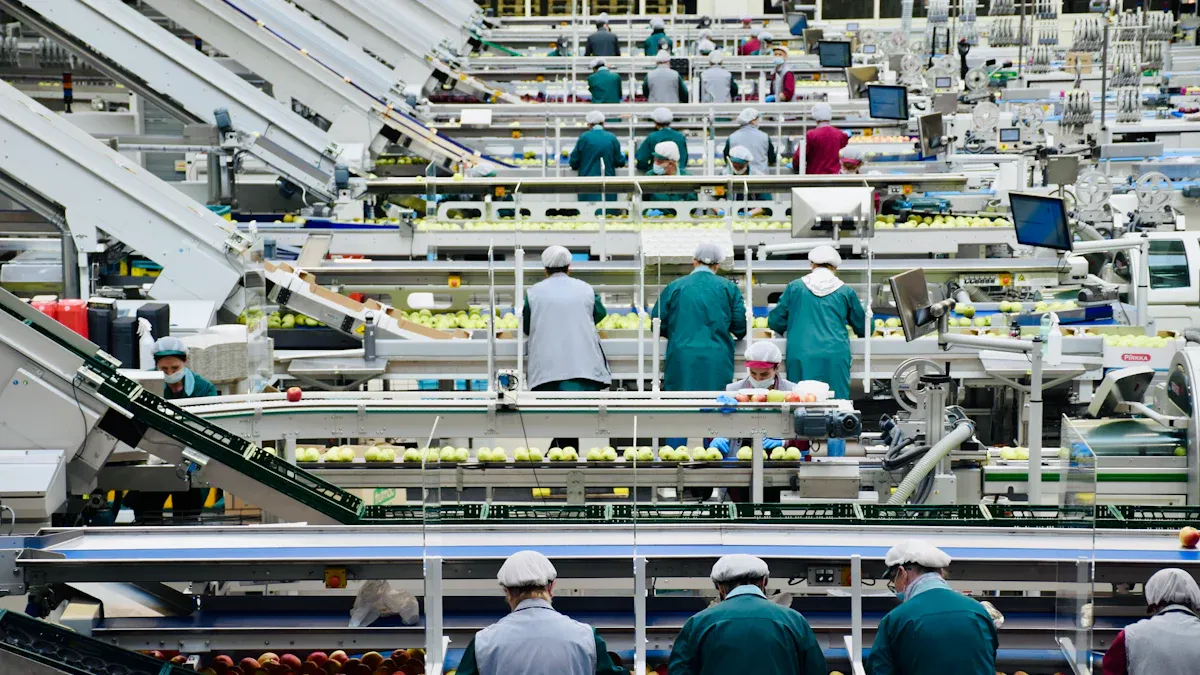
Visit Production Sites
You should go see your OEM partner’s factory before you choose them. When you visit, you can watch how the company works. You can check if they follow your rules. First, look at their business license and who owns the company. This helps you know the company is real. Ask about their machines and how much food they can make each month. This tells you if they can fill your orders as your brand gets bigger.
See if they have their own engineers. Ask if they have made special products for other brands. This shows if they can make new things just for you. Find out where they get their ingredients. Ask if they can track every ingredient. Tracking is important for safety and quality. Look at their certificates to see if they follow the rules in your market. You should also check their quality checks. Visit their sample rooms and labs. These places show how they keep food safe and the same every time.
Tip: Take pictures when you visit. Photos help you check if the factory is clean and has good machines.
Check Equipment and Cleanliness
Clean machines are very important for safe pet food. You want to see machines that are easy to wash and kept in good shape. Good factories follow FSMA and cGMP rules. These rules say they must clean often, stop bugs, and check machines to keep food safe.
Clean machines stop germs from getting in the food.
Good design helps workers clean machines quickly and well.
Cleaning on a schedule helps stop recalls and keeps your brand safe.
Factories use metal detectors and X-ray machines to find bad things in the food. They also make special areas for people, food, and trash. This keeps clean places safe from germs.
Practice | Why It Matters |
|---|---|
Regular cleaning schedules | Stops germs and keeps food safe |
Metal detectors/X-ray systems | Finds and removes dangerous things |
Stops germs from spreading |
Note: A clean and neat factory keeps your brand safe and makes customers trust you.
Ensure Customization and Scalability
Confirm Custom petFood Solutions
You want your pet food brand to be special. Customization helps your products stand out. A good OEM partner gives you many choices. You can work with experts to make new recipes. You can pick how your packaging looks. You can choose the type of food, like kibble, canned, or treats.
Here is a table that shows common ways to customize:
Customization Option | Description |
|---|---|
Recipe Development | Work with nutritionists to make formulas for special diets or ages. |
Private Labeling | Use your own brand and packaging to grow your market. |
Product Format Flexibility | Make different foods, like kibble, canned, or treats, to add more products. |
Ingredient Sourcing | Pick organic or human-grade ingredients for better products. |
Packaging Design | Choose how your packaging looks and what it is made of, including eco-friendly options. |
Always check if the OEM can do what you need. Ask for proof of certifications and clear samples. Make sure they keep the same quality from samples to big orders. Confirm lead times and minimum order sizes before you sign a contract. Good communication and flexibility show the OEM can help your brand grow.
Tip: Custom solutions help your brand change and follow new trends.
Assess nuzoko’s R&D and Support
You need an OEM partner who spends money on research and development. Nuzoko is special because it offers strong R&D and support. The team helps you make new products and improve old ones. They use advanced labs and strict quality checks. This keeps your products safe and the same every time.
Here is a table that shows what to look for in R&D and support:
Aspect | What to Look For |
|---|---|
Can make and test new pet food recipes for different needs. | |
Quality Control | Regular in-house and outside lab testing for safety and nutrition. |
Customer Support | Fast help with questions, orders, and delivery problems. |
Nuzoko also helps you after making your products. The team helps with shipping and fixes problems fast. This makes your supply chain strong and reliable. You can trust your products will get to the market on time. Good after-sales support means you get help even after your order ships.
Note: A partner with strong R&D and support helps your brand grow and change in a busy market.
Make the Final Choice
Compare Shortlisted OEMs
You have learned how to find good OEM partners. Now, you need to look at your top choices. Use a simple way to pick the best one for your pet food brand.
First, check if you are talking to real factories. Ask for their business license or factory papers. This helps you stay away from trading companies. Next, look for important certificates. These include FDA, ISO 9001, and BSCI. Certificates show the factory follows safety and quality rules.
Ask each OEM for stories about their past work. Good partners will share these stories with you. You can also ask for samples. Test the samples to see if the protein is what they say. Check their delivery records to see if they ship on time.
Here is a simple table to help you compare:
Criteria | OEM A | OEM B | OEM C |
|---|---|---|---|
Factory Ownership | |||
Key Certifications | |||
Customization Options | |||
Delivery Record | |||
Sample Quality | |||
Compliance Documents |
Tip: Always check compliance papers before you order.
Negotiate and Plan Partnership
When you pick your OEM, you need to plan how you will work together. Start by learning how much things cost. This helps you talk about price and value. Use your order size to get better deals. You can also compare different suppliers to see who is best.
Think about more than just price. You can talk about how many items you must order, how you pay, and when you get your products. Try to talk when the supplier is not too busy. This can help you get better deals.
Build trust with your OEM for a long partnership.
Make sure the supplier can handle big orders and has good machines.
Ask for a full report on quality checks and how they manage things.
You can build a strong petfood brand by following each step in this guide. Start with clear goals, research your partner, and check their quality and support. Trust and transparency help your brand grow. Many brands now show ingredient records and offer live factory tours to earn trust. Use this checklist to compare partners:
Test with small runs before scaling up.
Keep communication open for lasting success.
Consider reaching out to experienced teams like nuzoko for guidance.
FAQ
What certifications should my OEM partner have?
You should look for certifications like ISO 22000, SQF, and AAFCO. These show your partner cares about food safety and quality. Ask for proof before you sign any contract.
How do I check if an OEM can handle my order size?
Ask for their monthly production capacity. Request a table with their past order sizes. This helps you see if they can meet your needs now and as you grow.
Why is R&D important for my pet food brand?
R&D helps you create new recipes and improve old ones. You can follow market trends and meet customer needs. Strong R&D also keeps your products safe and high-quality.
How do I know if an OEM is trustworthy?
Read reviews from other brands. Ask for references. Check how fast they answer your questions. Trustworthy partners share information and keep promises.



