You want to make sure you know every cost before your first petfood OEM order. Surprise expenses can hurt your budget and delay your plans. If you miss hidden fees or forget about shipping, you might spend more than you think. You need to spot every dollar that goes out. Nuzoko helps you see the whole picture and avoid costly mistakes.
Key Takeaways
Know every type of expense before you order pet food. These include raw materials, manufacturing, packaging, shipping, and hidden costs.
Pick good ingredients carefully. Better ingredients can cost more. They can also make your product better. This can make customers happier.
Think about minimum order quantities (MOQ). Buying more at once can lower the price for each unit. This helps you save money.
Always ask suppliers for a full quote. This lets you see any hidden fees. It helps you avoid surprise costs.
Use tracking tools to watch your spending. Software and apps can help you keep your budget clear and neat.
Petfood Expense Categories with Nuzoko
When you order petfood for the first time, you need to know all the costs. Nuzoko helps you see each cost so you can plan your money and avoid surprises. Here are the main types of expenses to think about.
Raw Materials and Ingredients Cost
You want your petfood to be special. The ingredients you pick are important. Nuzoko has high-quality choices like high-protein meats and special blends. You can pick human-grade meats or extra supplements. Each choice changes your price. Rare ingredients cost more. Common ones cost less. Ask about where ingredients come from and how fresh they are. Good ingredients help with taste and meeting rules in other countries. Nuzoko’s team helps you pick the right ingredients for your market.
Manufacturing and Processing Fees
After you choose ingredients, you pay for making the food. This includes mixing, cooking, freeze-drying, and packing. Nuzoko uses good machines and checks quality. Custom recipes or special ways of making food cost more. Standard recipes cost less. If you want special shapes or textures, it may cost extra. Ask Nuzoko what their process is and what the base fee covers. These fees also pay for workers and the factory.
Packaging and Labeling
Packaging keeps your petfood safe and looking nice. You can pick bags, cans, or boxes. Nuzoko has many styles and sizes. Custom labels and designs cost more. Eco-friendly materials or special printing also raise the price. You must follow label rules for each country. Nuzoko helps you make labels that follow the rules and look good. Good packaging keeps food fresh and helps customers trust your brand.
Shipping, Logistics, and Customs
Getting your petfood to your warehouse is important. Shipping costs depend on weight, size, and where it goes. Nuzoko helps with shipping and planning routes. You pay for freight, insurance, and customs. Some countries charge extra for petfood. Check import rules and taxes. Air shipping costs more. Sea shipping is cheaper but slower. Nuzoko’s team helps you avoid delays and hidden fees.
Minimum Order Quantities (MOQ)
You have to order a minimum amount of each product. MOQ changes your price per bag. If you order more, each bag costs less. If you order less, each bag costs more. Here’s how MOQs affect your budget:
Higher MOQs can lower unit costs by 30-50%.
Bulk orders spread setup and tooling costs over more bags.
You save money by ordering more with Nuzoko.
Ordering more usually means each bag is cheaper. This helps your budget. Nuzoko helps you find the best MOQ for your needs.
Quality Testing and Certifications
You want your petfood to be safe. Quality testing checks for freshness, nutrition, and safety. Certifications like CE or FCC add trust but cost money. Nuzoko follows strict testing and helps you get the right certifications. You pay for lab tests, audits, and paperwork. Selling in Europe or North America needs extra certifications. Testing keeps your brand safe and your food good.
Hidden and Unexpected Costs
Some costs show up later. Watch out for hidden expenses. Here’s a table to help you find them:
Cost Factor | Description |
|---|---|
Bigger orders lower costs per bag by spreading setup costs. | |
Compliance Costs | Certifications like CE or FCC can add a lot to costs. |
Risks of Low Initial Quotes | Very low prices might mean bad parts or missing certifications. |
Additional Shipping Costs | Cheap prices can mean higher shipping and import fees later. |
Key Questions for Buyers | Ask what is included in the price and if there are hidden fees. |
Ask Nuzoko what is in your quote. Sometimes, low prices hide extra fees for shipping, rules, or packaging. Check every detail. Nuzoko’s team helps you find hidden costs and plan for them.
Tip: Always ask for a full list of costs. This helps you avoid surprises and keeps your order on track.
You can trust Nuzoko to help with every cost. Their team knows about ingredients, shipping, and rules. They help you plan your budget from start to finish.
Calculate Your Budget for Dog Food Orders
Step-by-Step Cost Calculation
You want to know exactly how much dog food costs before you place your first order. Let’s break it down step by step so you can build a clear budget for dog food and avoid surprises.
List Your Product Needs
Decide what kind of dog food or cat food you want to sell. Write down the type, flavor, and any special features.Choose Ingredients and Formulation
Pick your main ingredients. Premium meats or special supplements will raise the cost of dog food. Nuzoko can help you create custom recipes or stick with proven blends.Calculate Ingredient Costs
Ask for a price list from nuzoko. Multiply the price per kilogram by the amount you need for your batch. Remember, rare or high-quality ingredients cost more.Add Manufacturing and Processing Fees
Include the cost for mixing, cooking, freeze-drying, and packing. Custom shapes or textures may add to how much dog food costs.Factor in Packaging and Labeling
Choose your packaging style. Custom bags or eco-friendly materials will increase the cost of dog food. Nuzoko offers many packaging options and helps you meet label rules.Estimate Shipping, Logistics, and Customs
Find out the shipping cost from nuzoko to your warehouse. Include freight, insurance, and customs fees. Air shipping is faster but costs more than sea shipping.Check Minimum Order Quantities (MOQ)
Ask nuzoko about their MOQ. Larger orders lower the cost per bag. Small orders may have higher setup costs.Include Quality Testing and Certifications
Add the cost for lab tests and certifications. Selling in Europe or North America may need extra paperwork.Plan for Hidden and Unexpected Costs
Set aside a part of your budget for dog food to cover things like extra shipping fees or last-minute changes.
Tip: Always ask nuzoko for a detailed quote that lists every cost. This helps you see how much dog food costs at each step.
Sample Budgeting for Dog and Cat Products
Let’s look at a sample budget for dog food and cat food. This will help you see how much dog food costs and how to plan your budget.
Expense Category | Example Cost (USD) | Notes |
|---|---|---|
Ingredients | $2,000 | High-protein meats, grains, supplements |
Manufacturing & Processing | $1,200 | Mixing, cooking, freeze-drying |
Packaging & Labeling | $800 | Custom bags, eco-friendly options |
Shipping & Logistics | $1,500 | Sea freight, insurance, customs |
Quality Testing | $400 | Lab tests, certifications |
MOQ Setup | $600 | Small batch setup fee |
Hidden/Unexpected | $300 | Extra shipping, compliance checks |
Total | $6,800 | For a 1,000 kg initial order |
If you order more, the cost per kilogram drops. For example, a 2,000 kg order might only cost $11,000 total, not double the price. This is because setup and shipping costs spread out over more bags.
Nuzoko supports you with clear pricing, custom formulations, and flexible order sizes. You can test the market with a small batch or save money by ordering in bulk.
Tips for Accurate Cost Estimation
You want your budget for dog food to be as close to real costs as possible. Here are some tips to help you get it right:
Impact on Price | Notes | |
|---|---|---|
Ingredient Quality | High impact | Premium ingredients significantly increase costs. |
Formula Complexity | Moderate to high | Custom blends require more R&D and processing. |
Order Volume | High (inverse) | Larger orders reduce per-unit costs. |
Packaging Type | Moderate | Specialized packaging costs more than basic options. |
Production Frequency | Low to moderate | Frequent small batches may incur higher costs. |
Testing & Certification | Variable | Additional testing and certifications can add to expenses. |
Choose ingredients wisely. Premium meats and supplements raise how much dog food costs.
Keep your formula simple if you want to control the cost of dog food.
Order larger batches when possible. This lowers the cost per unit and helps your budget.
Pick packaging that fits your market but does not add too much to your budget.
Plan for all testing and certification needs early. This avoids last-minute costs.
Nuzoko makes it easy to estimate how much dog food costs. Here’s how they help:
They offer flexible formulation options, so you can create unique recipes or stick with proven ones.
You get clear pricing per unit or kilogram, which helps you see the true cost of dog food.
Nuzoko discusses MOQs with you, so you can start with a small batch or go big for better pricing.
Note: Always review your budget with the nuzoko team before you order. Their experts can spot hidden costs and help you save money.
With these steps, you can build a strong budget for dog food and know exactly how much dog food costs before you place your order.
Manage and Control Your Petfood Budget
Negotiation and Bulk Buying with Nuzoko
You want your money to go further. You can talk with Nuzoko about your order. Buying more at once can get you better prices. You can ask about minimum order amounts and packaging choices. This helps you pay less for each unit. It also lets you earn more profit. Nuzoko helps you understand how bigger orders save money. Their team shows you how to balance your spending. You can try a small order first to check quality. If you like it, you can order more later.
Tip: Always ask Nuzoko if you can get discounts for bigger orders. You may save a lot of money.
Comparison Shopping and Supplier Selection
You want the best deal for your money. You should look at different suppliers. Here are some things to check:
Pick suppliers who get lots of repeat orders.
Ask for samples before big orders.
Make sure the food has all nutrients and clear ingredients.
Check if the supplier fits your pets’ needs.
Ask for product details and check certifications.
Test samples before you buy more.
Nuzoko tells you where their ingredients come from. They show you how they make the food. They keep you updated and help with product questions. You know your money goes to safe and good products.
Contingency Planning for Extra Costs
Sometimes extra costs pop up. You should save some money for surprises. This can be for shipping delays or new rules. Nuzoko helps you spot risks early. They share test results and updates. You can change your budget if needed. This keeps you in control and stops big problems.
Note: Planning ahead protects your money. Nuzoko’s team helps you manage every step.
With these ideas, you can handle your petfood budget well. Nuzoko works with you to get the best deal and support for your business.
Set Up Expense Tracking and Budget Tools
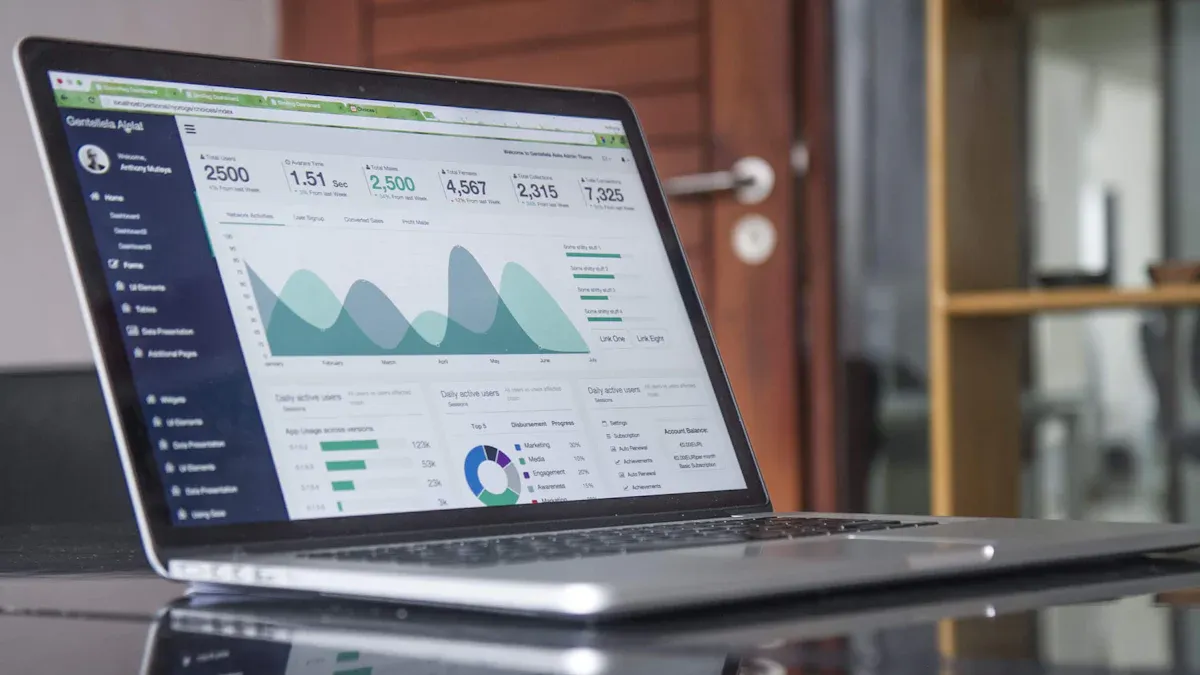
Tracking Software and Methods
You need to keep your expenses neat and easy to see. Tracking tools help you know where your money goes. They also help you find problems before they get big. You can use software or simple ways to manage your pet food OEM budget. Here are some choices:
BESTMIX Software: This tool makes tracking simple. You can watch ingredient costs, production fees, and packaging costs in one spot. It helps you not make mistakes that happen with spreadsheets.
Near-Infrared Spectroscopy (NIRS): You can use this to check quality and control costs. NIRS lets you see moisture and protein levels fast. You get good data that helps you manage your budget.
Spreadsheet Templates: You can use easy templates to write down each expense. This is good for small orders or when you are just starting.
Expense Tracking Apps: Apps like QuickBooks or Zoho Books help you track payments, invoices, and shipments.
Tip: Pick a tool that matches your business size. Nuzoko can help you choose the best way for your order.
Budgeting for Emergencies
Extra costs can show up when you do not expect them. You should save some money for emergencies. This helps you deal with shipping delays, price jumps, or new rules. You can add a “buffer” line in your budget. Most brands keep 10% of their budget for surprises.
Emergency Expense | Example Situation | Suggested Buffer |
|---|---|---|
Shipping Delays | Port closures, weather | 5-10% |
Regulatory Changes | New import rules | 5% |
Ingredient Shortages | Supply chain issues | 5% |
Nuzoko’s team helps you see risks early. You get updates and advice so you can change your budget before problems get worse.
Using Nuzoko’s Support Services
You do not have to do everything by yourself. Nuzoko gives after-sales and buying help. Their experts help you track expenses, check quotes, and plan for hidden costs. You get clear reports and tips on how to save money. Nuzoko’s network helps you find good suppliers and get better prices.
Note: When you use nuzoko’s support, you make budgeting easier and your business stronger.
You can set up expense tracking and budgeting tools with help from nuzoko. Their team helps you at every step, so you stay in control and avoid surprises.
Avoid Common Petfood Budget Pitfalls
Overspending and Red Flags
You want to keep your pet food business on track. Overspending can sneak up on you if you do not watch out for common traps. Here are some mistakes you should avoid:
Ignoring Small Fees: Little costs add up fast. Always check for extra charges in shipping, packaging, or testing.
Chasing the Lowest Price: Super low quotes can mean poor quality or missing certifications. Cheap now can cost you more later.
Skipping Quality Checks: If you skip testing, you risk recalls or unhappy customers. Always include quality checks in your budget.
Not Reading the Fine Print: Some suppliers hide fees in contracts. Ask for clear quotes and read every detail.
Ordering Too Little: Small orders often have higher costs per unit. Try to meet the MOQ for better pricing.
Tip: Stay open with your supplier. Ask questions and get everything in writing. Nuzoko values transparency and helps you spot red flags before they become problems.
Where to Get Help and Resources
You do not have to handle budgeting alone. Smart brands use private-labeling strategies to save money. By choosing proven recipes and existing testing protocols, you cut down on research and development costs. This lets you spend more on growing your brand and reaching new customers. Set a clear budget for production, marketing, and shipping. This helps you use your money wisely and grow your business smoothly.
Nuzoko stands out with strong global client support. Their team helps you avoid common budget mistakes. Here’s how they support you:
Description | |
|---|---|
Responsiveness | You get quick answers to your questions and updates on your order. |
Clarity | Nuzoko gives clear, easy-to-understand documents and pricing. |
Dedicated Support | You work with a dedicated manager who knows your project inside and out. |
Technical Support | Experts help you with recipes, labels, and following rules in each country. |
Marketing Input | Nuzoko shares tips on trends and helps you plan your business strategy. |
If you ever feel stuck, reach out to nuzoko’s team. They have years of experience with clients all over the world. You get advice, clear reports, and help with every step. This keeps your budget safe and your business growing.
You can feel sure about handling your first pet food OEM order. Begin by making samples and checking how they work. Make sure you know what each part costs. Try making small batches before making a lot at once. Nuzoko will help you as you grow. Good planning and smart spending stop surprises and keep your business safe. Use helpful tools and write down every cost. Ask Nuzoko’s team if you need help. If you want to get bigger, pick a few main products and be ready to change. For your next steps, talk to Nuzoko for custom ideas and expert help.
FAQ
What factors affect the cost of dog food for my pets?
Many things change the cost of dog food. Ingredient quality, dietary needs, kibble type, and fresh options all matter. You also pay for packaging, shipping, and veterinary checks. Nuzoko helps you see every expense and plan for covering pet costs with clear quotes.
How do I know if my dog is getting the right nutrition and dietary needs?
You want your dog to stay healthy. Check the label for nutrition details. High-quality ingredients support health and dietary needs. Fresh food and kibble both work if you balance nutrients. Discuss with your vet to match your dog’s needs. Nuzoko offers custom recipes for all pets.
What is the impact of dog food quality on health and expenses?
Dog food quality has a big impact on health and expenses. High-quality ingredients support health and lower medical bills. Poor food can lead to more veterinary visits. Nuzoko’s strict standards help you control pet expenses and keep your dog happy.
How do I manage unexpected pet expenses like veterinary services or medical needs?
You should save part of your budget for emergencies. Veterinary services and medical needs can raise costs fast. Nuzoko suggests adding a buffer for these expenses. Track every cost and review your plan often to cover all pet expenses.
Is fresh dog food more expensive than kibble, and how do I choose?
Fresh dog food costs more than kibble most times. Kibble is easy to store and lasts longer. Fresh food gives more nutrition and supports dietary needs. Think about your dog’s health, your budget, and your pets’ needs. Nuzoko helps you compare options and manage expenses.