

What fiber works best for hairball control in catfood? You want your cat to stay healthy and digest food well, so choosing the right hairball formula in catfood is essential. Dietary fiber in catfood helps move hair through the digestive system, reducing the risk of hairballs and supporting overall digestion. Science-driven brands like nuzoko create specialized catfood for hairball control, with formulas tailored to your cat’s unique needs. Always check the type of fiber and the brand’s reputation when selecting hairball treats or catfood for your pet.
Key Takeaways
Pick cat food that has both soluble and insoluble fiber. This helps your cat pass hair and lowers hairballs. – Check the label for cellulose, psyllium husk, and wheat bran. These ingredients help control hairballs well. – Give your cat dry food with 8-10% crude fiber. Wet food should have 2-4% crude fiber for good digestion. – Brush your cat often and give fresh water every day. This can really help stop hairball problems. – Talk to your vet if your cat keeps having hairballs. Signs like coughing or not eating need a vet’s help.
Hairball Control and Catfood Basics
Why Hairballs Form in Cats
You might see your cat cough or gag. This often means a hairball is coming up. Hairballs form when cats swallow fur while grooming. The fur can pile up in the stomach. Sometimes, it does not move into the intestines easily. Experts say there are a few main reasons for hairballs:
Too much hair swallowed from grooming
Changes in how the gut moves
Health problems that make cats groom more
Feeling stressed
Skin problems
Food problems
Cats with long hair have a bigger risk. They swallow more fur than short-haired cats. Stress or itchy skin can make cats lick themselves more. This causes more hairballs. Hairballs happen when the gut cannot push the hair out well. Not enough nutrients or water can also make it hard for cats to pass hair.
Tip: If your cat often has hairball trouble, check for health problems or try changing their food.
The Role of Fiber in Cat Food
Fiber is important for stopping hairballs. The right fiber in cat food helps move hair through the gut. Research shows that psyllium and cellulose in food help cats poop out more hair. This is very helpful for long-haired cats. It means cats can get rid of swallowed hair easier. This lowers the chance of hairballs.
There are two main kinds of fiber: soluble and insoluble. Soluble fiber soaks up water and slows down how fast food moves. Insoluble fiber makes poop bulkier and helps cats go to the bathroom. Both types help cats pass hair. Insoluble fiber is extra helpful for stopping hairballs. More fiber in food helps hair move through the gut.
Pick cat food with both types of fiber. This keeps your cat’s tummy healthy and stops hairballs. Going to the bathroom often keeps cats comfy. It also helps stop constipation and other tummy problems.
Fiber Types in Hairball Control Cat Food
Soluble vs. Insoluble Fiber
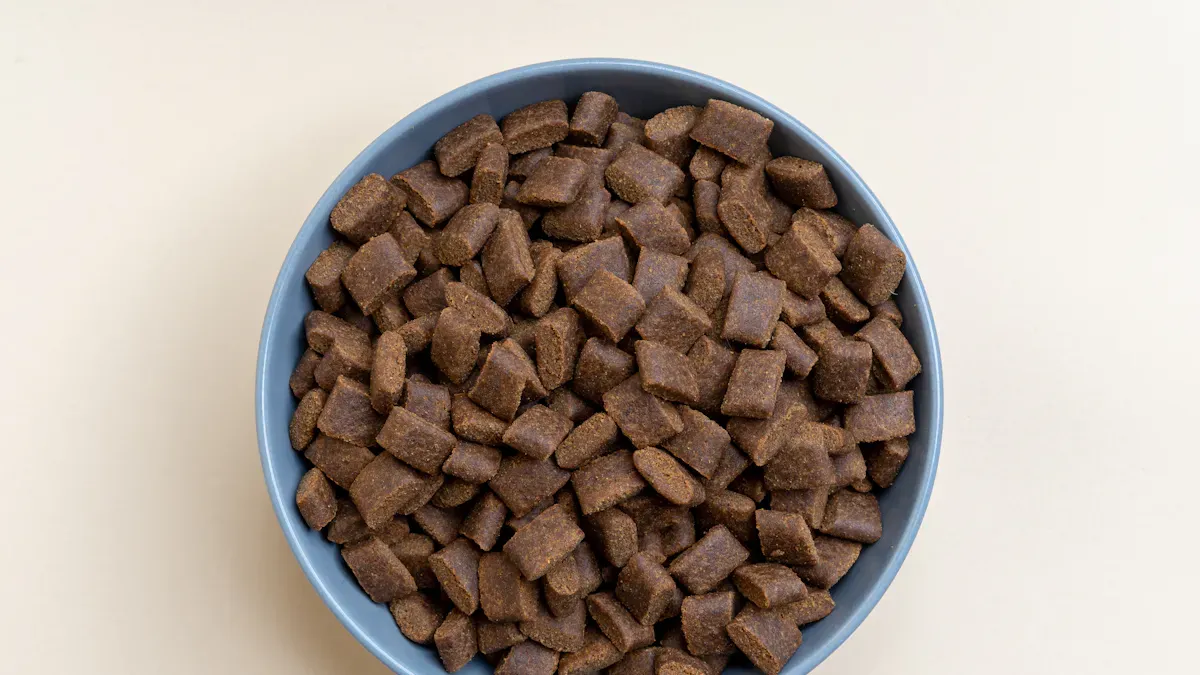
It is important to know about fiber types. Soluble fiber takes in water and makes a gel in the gut. This gel helps make poop better and keeps gut bacteria healthy. Psyllium husk and beet pulp are good sources of soluble fiber. Insoluble fiber makes poop bigger and helps cats go to the bathroom often. Whole grains, vegetables, and cellulose give insoluble fiber. Insoluble fiber is best for moving hair out and stopping hairballs.
Dr. Jennifer Larsen, a vet and nutrition professor, says insoluble fiber like wheat bran, psyllium husks, and cellulose help move hair through the gut.
Common Fiber Ingredients
Many cat foods for hairball control use different fiber ingredients. Natural fiber blends are liked because they help stop hairballs and keep digestion healthy. Some common fiber ingredients are:
Cellulose
Wheat bran
Psyllium husk
Beet pulp
These fibers help cats get rid of swallowed hair and lower hairball risk. Natural prebiotic fiber also keeps the gut healthy.
How Fiber Content Impacts Hairball Control
Fiber in cat food is important for hairball control. A diet with lots of fiber, especially insoluble fiber, helps stop hairballs. Foods with more than 7% crude fiber work well for hairball control. Special cat treats with natural fiber blends can cut hairballs by up to 70%. High fiber helps digestion and keeps cats healthy. You should pick cat food with both fiber types to keep your cat comfy and lower hairball problems.
Best Fibers for Hairball Control
Cellulose and Its Benefits
You want your cat to have fewer hairballs. Cellulose is a top natural fiber for this. It comes from plants and cats cannot digest it. When cats eat food with cellulose, their poop gets bulkier. This helps hair move out of the body.
Scientists have looked at how cellulose works in cats. In one study, 21 cats ate food with psyllium and cellulose. The cats had more hair in their poop. This shows cellulose helps get rid of hair before it becomes a hairball. Other studies say cellulose is good because it is insoluble. It does not mix with water. It keeps its shape and pushes hair through the gut.
Cellulose is safe and gentle for cats. It goes through the body without breaking down. This fast movement stops hair from building up. It also helps cats poop often and can help with constipation.
Cellulose is an insoluble fiber that cats cannot digest or ferment.
It makes poop bigger and helps cats go to the bathroom.
Cellulose moves through the gut without being digested.
This quick movement can change how nutrients are absorbed.
Insoluble fiber keeps the gut healthy by making poop bulkier.
It helps cats poop often and can help with constipation.
Other Effective Fiber Sources
There are other good fibers besides cellulose. Psyllium husk is another choice. It soaks up water and forms a gel. This gel helps hair move out of the body. Wheat bran and beet pulp are also good for the gut. They help lower the chance of hairballs.
Some cat foods use miscanthus grass for fiber. This plant fiber works like cellulose. It adds bulk and helps cats pass hair. Egg yolk is also helpful. It has lecithin, which gives choline. Choline helps gut muscles move. This pushes hair out and lowers hairball risk.
When you pick high-fiber cat food, check the label for these:
Cellulose
Psyllium husk
Wheat bran
Beet pulp
Miscanthus grass
Egg yolk (for choline)
These fibers work together to keep your cat’s gut healthy and lower hairballs.
Recommended Fiber Percentages in Cat Food
You may wonder how much fiber your cat needs. Vets say dry cat food should have 8-10% crude fiber. This amount helps stop hairballs and keeps the gut moving. Wet cat food needs less fiber. Experts say 2-4% crude fiber is best for wet food.
Here is a table to help you remember:
Food Type | Recommended Fiber Percentage |
|---|---|
Dry Food | 8-10% |
Wet Food | 2-4% |
Picking cat food with the right fiber helps your cat feel good. It lowers hairball risk and helps with digestion.
Tip: Always read the label on your cat food. Look for natural fibers and make sure the fiber amount is right for hairball control.
Choosing Hairball Control Cat Food from Nuzoko
What to Look for on Labels
When you buy catfood, you want it to help your cat. It should keep your cat healthy and stop hairballs. The label tells you what is inside. You need to check a few things:
High fiber helps your cat get rid of fur.
Ingredients should stop and lower hairballs.
Nutrition facts must be clear for your cat.
If you are unsure, ask your vet for help.
Some catfoods use cellulose, psyllium husk, or wheat bran. These fibers help move hair through your cat’s body. The label should show the crude fiber amount. This helps you pick the best food for your cat.
Nuzoko’s Science-Driven Approach
Nuzoko uses science to make catfood for hairball control. Experts help design food that keeps cats healthy. Nuzoko follows world quality rules. The company uses new research and checks food carefully. You get safe and good catfood for your pet.
Nuzoko’s place does research, makes food, and tests it. Every bag has the right fiber and nutrition. The brand works hard to make sure your cat avoids hairballs. It also helps your cat stay healthy every day.
Practical Tips for Selecting Catfood
You want to pick the best food for your cat. Here are some easy tips:
Look at the ingredient list for natural fibers.
Check the crude fiber number on the label.
Choose a brand known for good nutrition, like Nuzoko.
Make sure the food helps your cat stay healthy, not just stop hairballs.
Ask your vet if you have any questions.
Nuzoko gives you catfood with science, nutrition, and quality. You can trust their food to keep your cat happy and healthy.
Additional Tips for Hairball Prevention
Diet and Lifestyle Adjustments
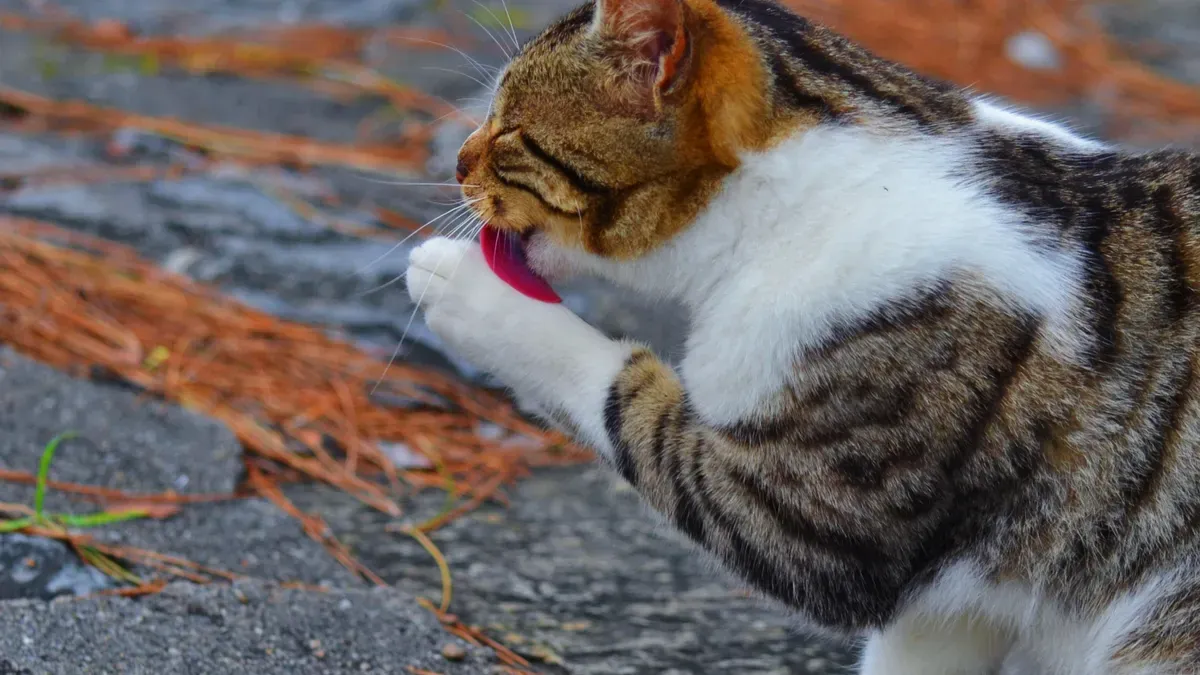
You can help your cat avoid hairballs by making a few changes at home. Start with a balanced hairball diet. This type of food gives your cat the right fiber and nutrients. You should also make sure your cat drinks enough water every day. Water helps move hair through the digestive system.
Regular grooming makes a big difference. Brush your cat often, especially if it has long hair. Brushing removes loose fur before your cat can swallow it. Try to keep your cat’s living area clean. Less dust and dirt means less fur for your cat to lick up.
Here are some easy steps to follow:
Feed your cat a hairball diet with enough fiber.
Brush your cat at least a few times each week.
Give your cat fresh water every day.
Use toys to keep your cat active and reduce stress.
Tip: Playtime helps your cat stay active. An active cat digests food better and passes hair more easily.
When to Consult a Veterinarian
Sometimes, you need help from a professional. If your cat keeps coughing or gagging, you should call your vet. Watch for signs like loss of appetite, vomiting, or trouble using the litter box. These signs may mean your cat has a blockage or another problem.
Your vet can check your cat and suggest the best treatment. Do not wait if you see these warning signs. Early care keeps your cat safe and comfortable.
Note: Always talk to your vet before making big changes to your cat’s food or routine.
You want your cat to stay healthy and avoid hairball problems. Choosing the right fiber helps your cat pass hair and lowers the risk of hairball issues. Always read the label and pick trusted brands like nuzoko. Watch your cat for signs of hairball trouble. If you see ongoing hairball issues, talk to your vet. Explore nuzoko’s hairball solutions to support your cat’s well-being.
FAQ
What is the best fiber for hairball control in cat food?
Cellulose works best for hairball control. It is an insoluble fiber that helps move hair through your cat’s digestive system. You can also look for psyllium husk or wheat bran in the ingredient list.
How much fiber should hairball control cat food have?
You should choose dry cat food with 8-10% crude fiber. For wet cat food, 2-4% is enough. Always check the label to make sure the fiber content matches these recommendations.
Can kittens eat hairball control cat food?
Kittens usually do not need hairball control formulas. Their digestive systems are still developing. Ask your vet before giving hairball control food to a kitten.
How else can I help my cat avoid hairballs?
Brush your cat often.
Give your cat fresh water daily.
Use toys to keep your cat active.
Feed a balanced diet with enough fiber.
Does Nuzoko offer hairball control cat food?
Yes! Nuzoko provides science-driven hairball control cat food. You get formulas with the right fiber blend and quality ingredients. Visit nuzoko.com for more information.



