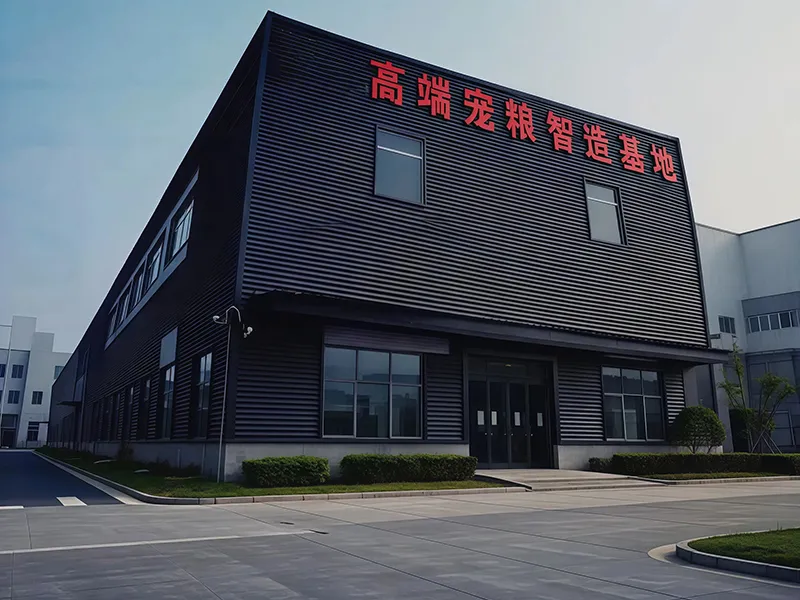
Looking for a private label pet food supplier in 2026? You should ask about their experience. Ask where they get their ingredients. Ask about their manufacturing standards. Ask about their safety rules. Ask about their reputation. Use these questions as your checklist. Pick a supplier that is open and honest. Make sure they know what they are doing. Choose one that cares about making good pet food.
Key Takeaways
Ask if the supplier has worked in pet food before. A smart partner can give you safe and good products.
Look for certifications like SQF and FSSC 22000. These show the supplier follows safety and quality rules.
Ask where the supplier gets their ingredients and how good they are. Knowing where ingredients come from helps make sure your pet food is safe and healthy.
Private Label Pet Food Supplier Experience
When you pick a private label pet food supplier, start by looking at their experience. You want a partner who knows a lot about the pet industry. If they have experience, they can solve problems and make good pet food every time. It also means they know what pets need and how to make safe food for them.
Years in Business
Ask how many years the supplier has made pet food. If they have been in business for a long time, they have seen many changes. They know how to keep up with new trends. For example, nuzoko has more than 20 years of experience. This means they have worked with lots of pet brands and learned what is best for pets. You can trust a supplier who has shown they make good pet food every year.
Certifications and Accreditations
Certifications show the supplier follows important safety and quality rules. Look for these main certifications when you talk to a private label pet food supplier:
Certification | Key Features |
|---|---|
SQF | Recognized by leading retailers; focus on Animal Feed & Pet Food; ISO 22000 integration |
FSSC 22000 | Globally recognized; strong hazard analysis; helps with regulation compliance |
BRC Global Standards | Designed for pet food; covers industry risks; accepted by major retailers |
GMP Standards | Goes beyond regulations; uses advanced practices for extra assurance |
These certifications mean your pet food will be safe and meet high standards.
Industry References
Ask for references from other pet brands. A good private label pet food supplier will give you names of happy clients. Nuzoko works with partners around the world and has made strong friendships. You can check what others say about them by talking to other pet food brands. This helps you feel sure about your choice.
Ingredient Quality and Sourcing
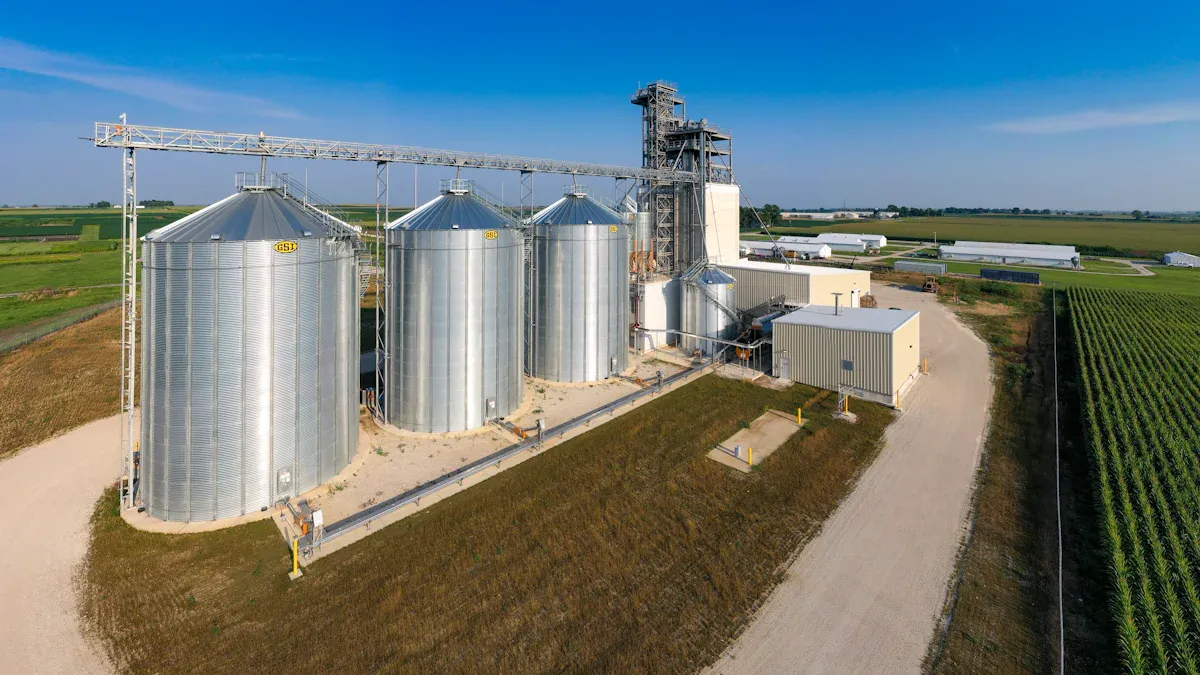
You want your pet food to be safe. Healthy food starts with good ingredients. Ask the supplier where their ingredients come from. Some suppliers use human-grade meats, like nuzoko. This means your pet gets food with high standards. You can feel happy knowing your pet eats real meat, not fillers.
Ingredient Origins
Ask your supplier where their ingredients are from. Do they get meats from trusted farms? Are fruits and vegetables fresh? You want to know if the food uses whole grains. Make sure it avoids harmful additives. Brands like nuzoko use science to pick good ingredients. They choose foods that help your pet stay strong and active.
Traceability and Sustainability
Check if the supplier can trace every ingredient. Traceability lets you know where each part comes from. It helps you trust the supplier. Many brands use eco-friendly ways to make pet food. They care about the planet and use sustainable ingredients. This matters to pet owners who want to help the environment.
Tip: Ask if the supplier can show how they track ingredients. This helps you see they care about quality and safety.
Quality Standards
Quality is very important for pet food. You want clear labels and to know what is in each bag. Suppliers who follow strict rules make pet food you can trust. Here’s how top suppliers compare:
Aspect | Description |
|---|---|
Real meat, whole grains, fruits, and vegetables. No harmful fillers or artificial additives. | |
Custom Formulation Capabilities | Tailored recipes for special dietary needs. |
Clear and Compliant Labeling | Detailed labels that meet regulations. Builds consumer trust. |
Eco-friendly practices and ingredients. |
You want a private label pet food supplier who cares about quality, honesty, and your pet’s health.
Quality Control Measures
You want your private label pet food to be safe. Quality control helps make pet food you can trust. When you ask about quality control, you learn how suppliers keep food safe and tasty.
Manufacturing Processes
Ask about each step in making pet food. Good quality control checks every stage, from getting ingredients to packing. Nuzoko uses a facility that does research, makes food, and ships it. This helps them keep high standards. Look for suppliers who check and test for problems early. Here are some certifications that are important for pet food:
Clean Label Project Certification checks if ingredients are safe and good.
SQF Food Safety Code needs audits and follows food safety rules.
Consistency in Production
You want your pet food to look and taste the same each time. Consistency means the supplier uses strong quality control. Nuzoko uses special systems to watch every batch. They test often to make sure each product is good. If there was a recall, ask how the supplier fixed it. Consistent pet food helps pet owners trust the brand.
Facility Standards
Facility standards are important for safety and quality. Nuzoko’s facility meets big quality standards. You can check for certifications like SQF, EU Feed Legislation, and AAFCO. Here is a quick guide:
Certification | Description |
|---|---|
Controls hazards and makes pet food safer, matches FDA rules | |
EU Feed Legislation | Sets rules for pet food in Europe, follows FEDIAF nutrition guides |
AAFCO Standards | Helps with pet food labels and recipes |
Ask about quality control program details and checks. Suppliers with strong facility standards help you avoid problems and keep pets happy.
Product Safety and Testing
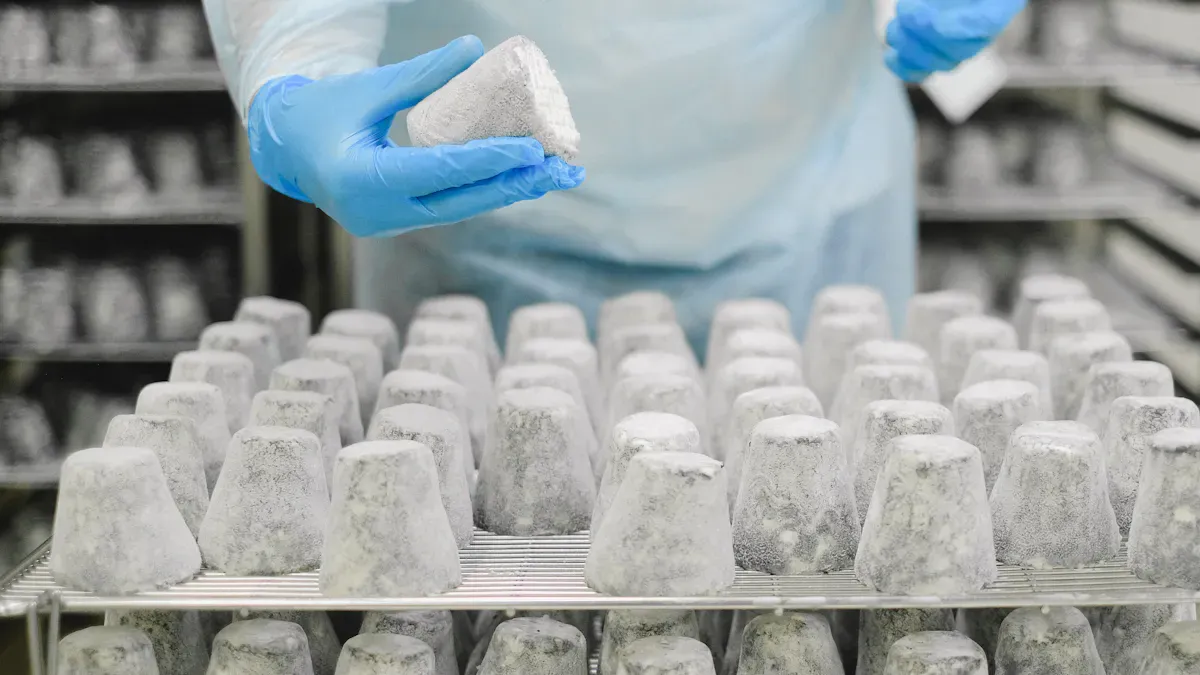
Keeping your pet safe starts with strong safety protocols and regular testing. You want to know that every bag or can of pet food is made with care. Let’s look at what you should ask your supplier about safety and testing.
Safety Protocols
Great pet food suppliers follow strict rules to keep food safe. Here are some common safety steps:
They keep everything clean to stop germs from spreading.
They use health checks to make sure food is safe for pets.
They follow quality rules for every product.
Pet food can spoil if not handled right. Both wet and dry pet food need special care. You want a supplier who takes these steps seriously. Nuzoko, for example, holds top certifications and runs safety audits to keep quality and safety high.
Contaminant Testing
Testing is a big deal in pet food. Suppliers check for things like salmonella and heavy metals. These tests help stop problems before they reach your pet. Regular testing means you can trust the food you buy. If a supplier skips testing, you risk a recall or worse. Nuzoko uses advanced testing to make sure every batch meets strict standards.
Audit Transparency
You should know how your supplier checks their work. Leading suppliers do regular inspections and join quality programs. They share audit results and let you see how they keep pet food safe. Nuzoko’s safety audits and certifications show they care about transparency. This builds trust and helps you feel good about your choice.
Tip: Always ask for proof of safety audits and testing. A good supplier will be happy to share.
Pet Food Company Reputation
It is important to pick a supplier with a good reputation. A trusted pet food company keeps pets safe and healthy. You can check their recall history and see if people like them. You can also look at awards and what other clients say.
Recall History
Recalls can make people stop trusting a brand for a long time. In 2007, many pet foods were recalled because of melamine. Over 5,300 products had to be taken off shelves. This made families and pets very upset. Some brands never got their trust back. If a supplier has no recalls, they care about safety. Always ask if they had recalls and what they did about them.
Industry Recognition
You want a supplier that gets respect from others. Awards and certifications show they work hard. Nuzoko is known around the world for quality and science. Many big pet brands work with nuzoko. This means nuzoko is trusted in the pet food industry.
Client Testimonials
Hearing from other clients helps you feel sure. Ask for reviews from pet stores or vets. Nuzoko works with people like Lars Vogel and Dr. Isabella Rossi. These clients trust nuzoko to give safe pet food. When you see happy customers, you know you are making a good choice.
Tip: A good reputation means you can trust your supplier to keep pets and your business safe.
Product Palatability and Availability
You want your pet to like their food. Palatability is important because pets will not eat food they dislike. If pet food tastes good, your brand becomes special. You can ask suppliers how they check if pets like the food. Some suppliers use feeding trials with pets to see which recipes are liked most. Nuzoko gives samples so you can see if pets enjoy the food before buying.
Palatability Testing
Ask your supplier how they test for palatability. Do they do taste tests with real pets? Do they get reviews from pet owners? You want to know if pets eat the food and like it. Suppliers who give samples help you see how your pet reacts. This makes picking the right pet food easier for your brand.
Order Requirements
Order size changes price and how much you can get. If you buy more pet food, you pay less for each unit. Small orders cost more per unit, even if the food is the same. Make sure your order fits your budget. Here are some things to think about:
Small orders cost more for each unit.
Matching your order size to your needs saves money.
Custom Formulations
You can ask for special pet food recipes. Many suppliers let you make diets for pets, like limited ingredient or hypoallergenic formulas. Nuzoko offers OEM/ODM solutions, including custom recipe making, packaging design, and ingredient sourcing. You can work with their team to make unique pet food for your brand. The process has demand confirmation, R&D proofing, and mass production. This flexibility helps your brand stand out in the pet food market.
If you ask good questions, you get easy answers. This helps keep your brand and customers safe. Experts say to check ingredient quality, company reputation, and if pets like the food. When you carefully check suppliers, you make strong partnerships. Use this checklist to help you choose well and grow your pet food business.
FAQ
What certifications should you look for in a private label pet food supplier?
Look for SQF, FSSC 22000, BRC, and GMP certifications. These mean the supplier follows strong safety and quality rules.
How can you make sure your pet food supplier uses safe ingredients?
Ask for reports that show where ingredients come from. Ask for test results that check for harmful things. Suppliers like nuzoko share these so you can trust their products.
Can you get custom recipes for your pet food brand?
Yes! Many suppliers let you make special recipes. You can work with their team to create recipes that match your brand.